Garick Elordi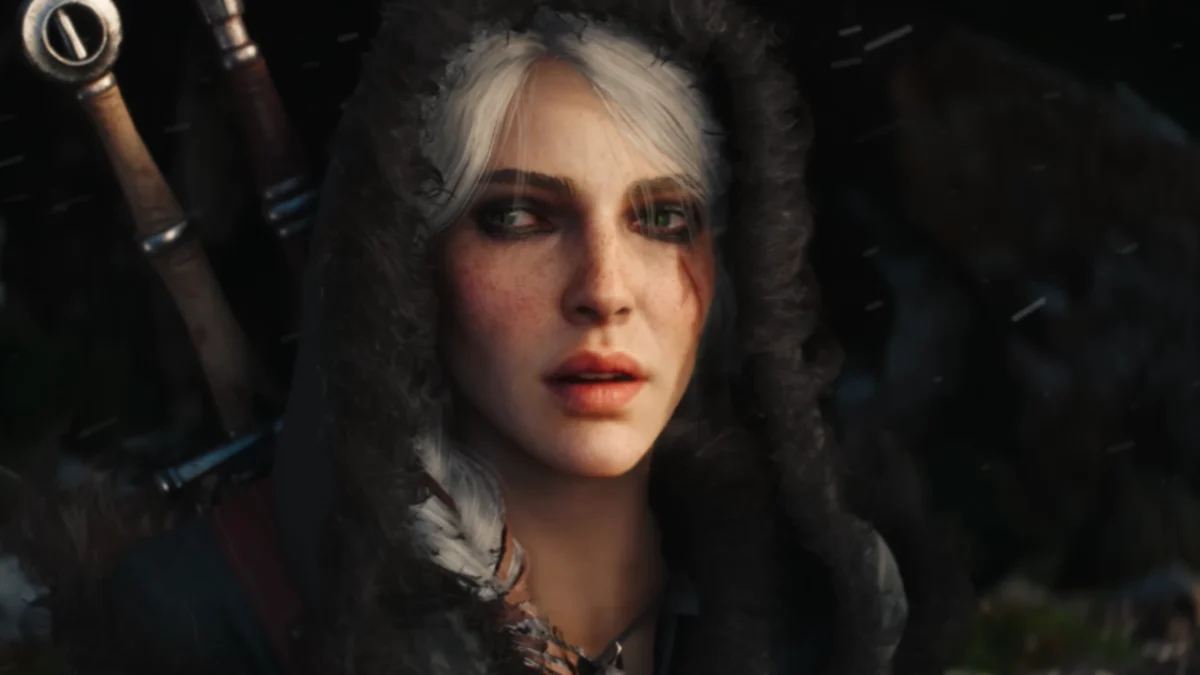
CD Projekt Red has officially announced a 2028 release target for the highly anticipated fourth installment of The Witcher franchise, marking a definitive timeline for the studio’s next flagship role-playing game. During a recent corporate update and preview event, joint-CEO Michal Nowakowski characterized the project as the most "ambitious" undertaking in the developer’s history, confirming that the studio is currently mobilizing a massive workforce of over 500 developers to bring the "new saga" to life. This timeline places the release roughly thirteen years after the critically acclaimed The Witcher 3: Wild Hunt, reflecting the increasing complexity and extended development cycles of modern triple-A gaming.
While the 2028 date serves as an internal target, Nowakowski emphasized the studio’s commitment to quality over speed, urging the fan base to remain patient as the creative team "cooks" the experience. The announcement was accompanied by the reveal of a surprise expansion for The Witcher 3, titled Songs of the Past, which is intended to bridge the gap between the existing trilogy and the upcoming sequel. The dual announcement underscores CD Projekt Red’s strategy to maintain the relevance of its legacy titles while transitioning to new technological frameworks and narrative arcs.
The Evolution of Project Polaris: Technical and Creative Ambitions
The Witcher 4, currently known under the internal codename "Project Polaris," represents a significant pivot for the Polish developer. Moving away from their proprietary REDengine—which powered The Witcher 3 and Cyberpunk 2077—the studio has transitioned to Unreal Engine 5. This shift is intended to streamline development and leverage the advanced lighting and geometry tools provided by Epic Games’ latest technology.
Nowakowski reiterated that the sequel will feature a "huge, immersive open world" and "intense action-packed gameplay," coupled with the deep, branching narratives that have become the hallmark of the franchise. The scale of the development team is particularly noteworthy; with over 500 staff members dedicated to the project, the workforce exceeds the peak team size used during the development of The Witcher 3. Recent talent acquisitions have also bolstered the project’s creative direction, including the recruitment of a cinematic animator from the team behind Clair Obscur: Expedition 33, signaling a continued focus on high-fidelity storytelling and character performance.
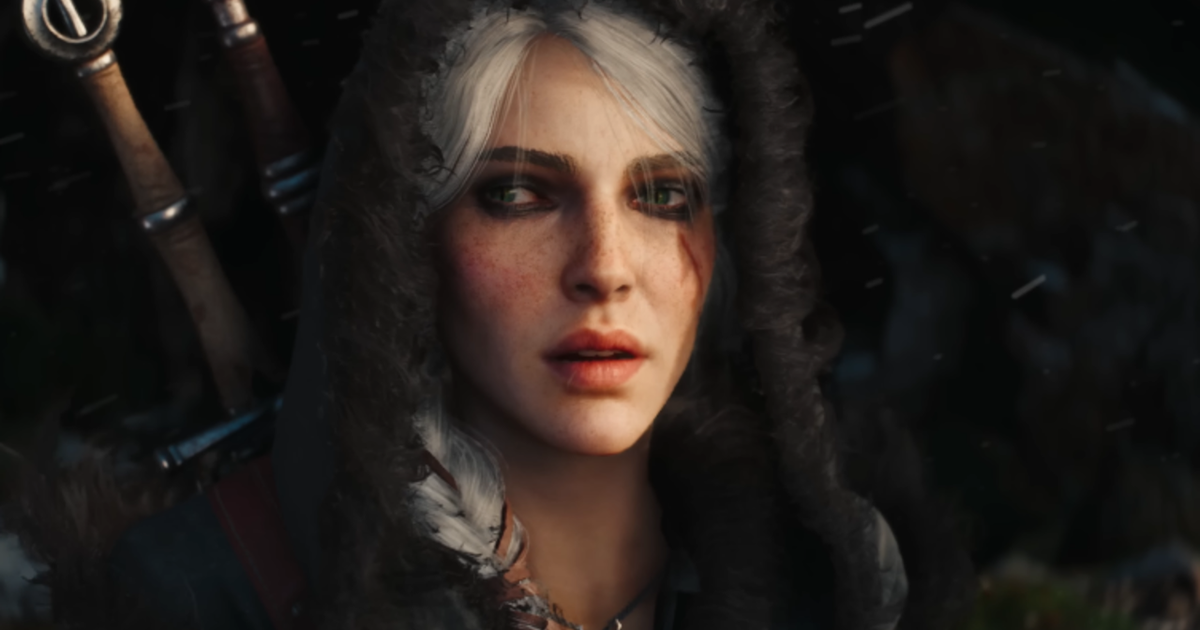
The narrative of The Witcher 4 is expected to move beyond the story of Geralt of Rivia, the protagonist of the first three games. While specific plot details remain under wraps, promotional materials have featured a new Witcher medallion, suggesting a different school or a new generation of monster hunters. The inclusion of Ciri as a central figure has been heavily hinted at, with Nowakowski confirming that while Geralt will star in the upcoming Witcher 3 DLC, Ciri is poised to lead the narrative in the upcoming sequel.
Songs of the Past: A Significant Return to The Witcher 3
In an unexpected move for a game nearly a decade old, CD Projekt Red revealed Songs of the Past, a new story expansion for The Witcher 3: Wild Hunt. The studio disclosed that the development team for this expansion is comparable in size to the original team that built the base game in 2015. This suggests a scope far beyond a simple quest pack, with the developers promising a "new continent" and a "dark story" that explores unexplored regions of the Continent.
Songs of the Past will once again follow Geralt of Rivia. The timing of the expansion’s setting remains a point of discussion among industry analysts; while the title suggests a retrospective look at Geralt’s history, the studio has not confirmed whether the expansion serves as a prequel or a mid-quel to the events of the Wild Hunt. Nowakowski noted that the expansion is designed to provide a "taste" of the narrative depth found in the upcoming sequel, potentially acting as a thematic bridge.
The decision to return to The Witcher 3 follows the success of the game’s "Next-Gen Update" and the release of official modding tools earlier this year. By releasing a full-scale expansion in the lead-up to The Witcher 4, CD Projekt Red aims to re-engage its massive player base and sustain financial momentum during the long development window for Project Polaris. The studio is expected to showcase gameplay of Songs of the Past at Gamescom, providing further details on the new environments and combat mechanics.
Chronology of The Witcher Franchise and Development Milestones
The journey from the original Witcher game to the projected 2028 release of the fourth entry reflects the dramatic growth of CD Projekt Red from a regional distributor to a global industry leader.

- 2007: The Witcher launches on PC, establishing the franchise based on Andrzej Sapkowski’s novels.
- 2011: The Witcher 2: Assassins of Kings introduces the REDengine and brings the series to consoles.
- 2015: The Witcher 3: Wild Hunt is released to universal acclaim, selling over 50 million copies to date.
- 2016: Blood and Wine, the final major expansion for the third game, is released.
- 2020: Cyberpunk 2077 launches, leading to a period of internal restructuring and a shift in development philosophy.
- 2022: CD Projekt Red officially announces "Project Polaris," the start of a new Witcher trilogy.
- 2024: The studio confirms the 2028 target and reveals the Songs of the Past expansion.
- 2028 (Target): Projected release of The Witcher 4.
This timeline illustrates a shift in the industry toward "mega-projects" that require nearly a decade of production. The thirteen-year gap between main entries is comparable to other major franchises, such as Rockstar Games’ Grand Theft Auto or Bethesda Game Studios’ The Elder Scrolls, highlighting the immense resources required to meet modern consumer expectations for open-world fidelity.
Financial and Strategic Implications for CD Projekt Red
The announcement of a 2028 release target provides much-needed clarity for investors and stakeholders. Since the tumultuous launch of Cyberpunk 2077 in 2020, CD Projekt Red has focused on rebuilding its reputation through long-term support and the successful Phantom Liberty expansion. The confirmation of a multi-year development cycle for The Witcher 4 suggests a "quality-first" approach intended to avoid the technical pitfalls of previous launches.
Financially, the Songs of the Past expansion serves as a strategic revenue bridge. By leveraging the existing technology and assets of The Witcher 3, the studio can generate significant cash flow with lower overhead than a completely new title. This allows the company to fund the massive 500-person team working on Project Polaris without relying solely on its cash reserves.
Furthermore, the transition to Unreal Engine 5 is a strategic move to mitigate "technical debt." By using a third-party engine, the studio reduces the need for a massive internal team dedicated to engine maintenance, allowing more resources to be allocated to content creation and game design. This partnership with Epic Games also includes technical collaboration, which could potentially shorten the debugging phases in the final years of development.
Industry Reactions and Market Context
Industry analysts have noted that the 2028 release window likely aligns with the expected launch of the next generation of gaming consoles. By targeting the late 2020s, CD Projekt Red is positioning The Witcher 4 to be a showcase title for future hardware, much like The Witcher 3 was for the PlayStation 4 and Xbox One era.

"CD Projekt Red is signaling that they are no longer rushing to meet arbitrary deadlines," said one industry consultant. "The 2028 target is realistic given the scale they are describing. By announcing it now, they manage expectations and reduce the pressure of immediate speculation."
The reaction from the gaming community has been largely positive, though some fans have expressed concern over the long wait. The announcement of the Songs of the Past DLC has served to mitigate this, providing immediate content for the franchise’s followers while the sequel remains in production. The studio has also teased "one or two surprises" for the upcoming Gamescom event, leading to speculation regarding potential spin-offs, mobile projects, or further updates on the Witcher 1 Remake, which is being developed in parallel by Fool’s Theory.
Conclusion: A New Era for the Continent
As CD Projekt Red moves into the core production phase of The Witcher 4, the studio finds itself at a crossroads. The dual-track development of a massive sequel and a legacy expansion represents a bold attempt to honor the past while defining the future of the RPG genre. With 500 developers working toward a 2028 milestone, the stakes are higher than ever for the Polish developer.
The upcoming showcase at Gamescom will be the first major test of this new strategy. As Geralt prepares for one final journey in Songs of the Past, the foundation is being laid for a new protagonist to take up the silver sword in 2028. For now, the message from CD Projekt Red is clear: the world of The Witcher is expanding, but perfection requires time. The studio’s insistence on "letting the team cook" suggests that when the new saga finally arrives, it intends to reclaim the throne of the open-world RPG.