Garick Elordi
Hideo Kojima, the visionary creator behind the Metal Gear Solid and Death Stranding franchises, recently marked his 63rd birthday by reflecting on a career that has spanned four decades and significantly reshaped the landscape of interactive entertainment. In a comprehensive statement shared via social media, the founder of Kojima Productions addressed his future in the industry, dispelling any immediate rumors of retirement despite the recent departure of several high-profile contemporaries from the developmental stage. Kojima’s reflections come at a pivotal moment for his independent studio, which is currently balancing multiple high-budget projects and preparing for a major decennial celebration.
The director’s message to his followers emphasized the tension between his expanding creative ambitions and the finite nature of time. Kojima noted that as he ages, the list of things he "must do" and "wants to do" continues to grow, even as the "available time" to achieve those goals diminishes. This sentiment underscores the urgency with which Kojima Productions is currently operating, as the studio manages a diverse slate of projects ranging from traditional sequels to experimental cloud-based horror and a return to the stealth-action genre that originally defined Kojima’s career at Konami.
A Four-Decade Legacy of Innovation
Kojima’s 63rd birthday is particularly significant as it coincides with the 40th anniversary of his entry into the video game industry. Joining Konami in 1986, Kojima initially struggled to find his footing before revolutionizing the medium with the release of Metal Gear in 1987 for the MSX2 computer. Unlike the action-heavy titles of the era, Metal Gear introduced stealth mechanics, a necessity born from the hardware’s inability to display many moving objects simultaneously. This "limitation-driven innovation" became a hallmark of Kojima’s design philosophy.
The 1990s and 2000s saw Kojima ascend to global stardom with the release of Metal Gear Solid on the original PlayStation. The game is widely credited with introducing cinematic storytelling, professional voice acting, and meta-narrative elements to the mainstream gaming audience. Over the subsequent two decades, Kojima oversaw the expansion of the series into a multi-million-selling juggernaut, culminating in the critically acclaimed Metal Gear Solid V: The Phantom Pain.
Following a highly publicized and contentious split from Konami in 2015, Kojima transitioned into a new era of independence. He reformed Kojima Productions as an independent entity, backed by a partnership with Sony Interactive Entertainment. The studio’s debut title, Death Stranding (2019), further solidified his reputation for unconventional game design, focusing on themes of social connection and isolation—concepts that became eerily relevant during the global lockdowns that followed its release.
The 10th Anniversary and the Azabudai Hills Exhibition
As Kojima Productions approaches its tenth year of independence, the studio is planning a series of commemorative events to engage with its global fanbase. Central to these celebrations is the "Kojipro Exhibition," scheduled to take place from late October through the end of the year at the Azabudai Hills Gallery in Tokyo. This exhibition is expected to showcase a decade of conceptual art, motion capture technology, and the evolution of the studio’s mascot, Ludens.
In his birthday message, Kojima revealed that the iconic Ludens statue at the studio’s entrance has been updated to a "10th Anniversary" version, symbolizing the company’s growth from a small startup to a premiere global developer. The exhibition serves not only as a retrospective but also as a statement of intent, reinforcing the studio’s "Homo Ludens" (Those who play) philosophy. Industry analysts suggest that such public-facing events are crucial for independent studios to maintain brand identity and leverage their intellectual property in an increasingly consolidated market.
Current Project Pipeline: DS2, OD, and Physint
Despite reaching an age where many industry veterans consider stepping back, Kojima’s current production slate is arguably the most ambitious of his career. The studio is currently developing at least three major projects, each targeting a different segment of the market and utilizing different technological foundations.
-
Death Stranding 2: On the Beach: A direct sequel to the 2019 hit, this title is being developed for the PlayStation 5. The project continues Kojima’s collaboration with Hollywood talent, featuring Norman Reedus, Léa Seydoux, and Elle Fanning. Recent trailers suggest a significant expansion of the original’s "strand" mechanics and a further push into photorealistic visual fidelity using the Decima Engine.

-
OD: Announced at The Game Awards 2023, OD is an experimental horror project developed in partnership with Xbox Game Studios. The project utilizes Microsoft’s cloud gaming technology to create what Kojima describes as a "new medium" that blurs the lines between gaming and cinema. The project features collaborations with Academy Award-winning filmmaker Jordan Peele, highlighting Kojima’s long-standing desire to integrate filmic techniques into interactive spaces.
-
Physint: Perhaps the most anticipated project among long-term fans, Physint marks Kojima’s return to the "Tactical Espionage" genre. Developed in collaboration with Sony, the game is described as a next-generation action-stealth title that will serve as the "culmination" of Kojima’s work. Production is expected to ramp up following the release of Death Stranding 2, with Kojima promising that it will look and feel like a movie while offering a deep gameplay experience.
Contextualizing the "Auteur" in a Changing Industry
Kojima’s decision to remain active in development stands in contrast to other industry legends. Recently, Warren Spector, the mind behind Deus Ex and System Shock, announced his retirement after a similarly lengthy career. The gaming industry has historically seen a high turnover rate among creative leads due to the grueling nature of "crunch" culture and the shifting demands of corporate ownership.
Kojima’s longevity is often attributed to his "auteur" status—a rarity in a field dominated by massive, committee-driven corporate structures. By maintaining an independent studio, Kojima has been able to bypass many of the creative constraints that hamper other developers. However, this independence requires constant logistical and financial maneuvering. His birthday post alluded to this "burden," noting that once he has taken on a project, he feels a profound responsibility to see it through to completion.
Supporting data highlights the scale of this responsibility. Death Stranding has reached over 16 million players across various platforms since its launch. Maintaining a studio of over 100 employees in one of Tokyo’s most expensive districts (Minato City) requires consistent commercial success. Kojima’s ability to secure funding from both Sony and Microsoft simultaneously is a testament to his unique standing in the global market.

Implications for the Future of Kojima Productions
The mention of "shrinking time" in Kojima’s address has led to speculation regarding the studio’s long-term succession planning. While Kojima shows no signs of slowing down, the 10th-anniversary celebrations and the diversifying of projects suggest a studio that is maturing beyond its founder’s singular shadow. The update to the Ludens mascot and the focus on high-level partnerships indicate a brand that is positioning itself as a permanent fixture in the entertainment industry, rather than just a vehicle for one man’s ideas.
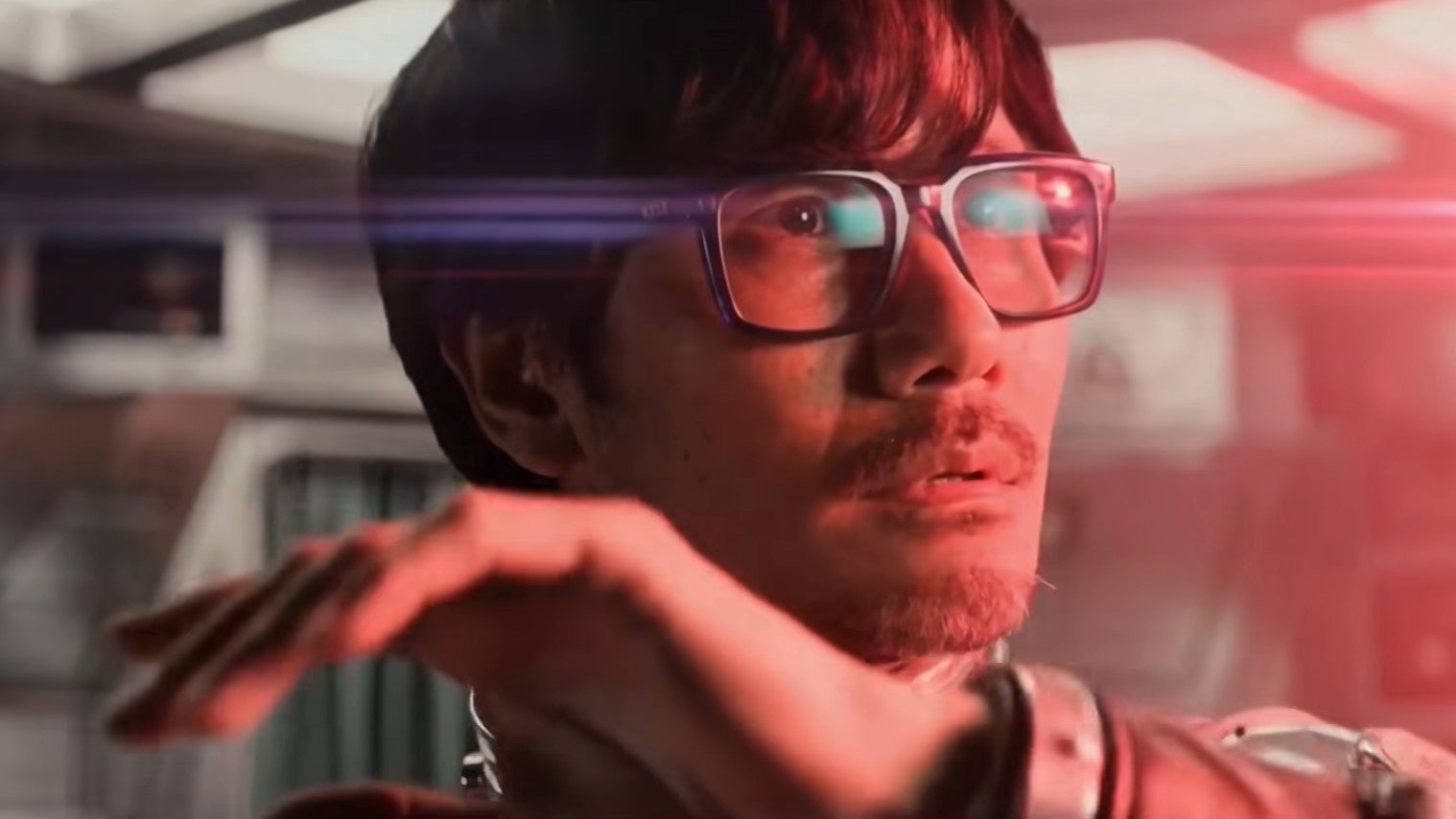
Furthermore, Kojima’s interest in other mediums remains a significant factor. He has frequently discussed the possibility of directing films or writing novels. His recent collaboration with Prada on a space-based short film, which provided the visual backdrop for his birthday reflections, illustrates his desire to influence fashion and visual art. As the boundaries between gaming, film, and digital art continue to dissolve, Kojima’s multidisciplinary approach may serve as a blueprint for the next generation of creators.
As the "Kojipro Exhibition" nears and development on Death Stranding 2 enters its final stages, the industry will be watching closely to see how the 63-year-old director balances his "must-do" obligations with his "want-to-do" passions. For now, the message from Kojima is clear: the four decades of work already completed are merely the foundation for the projects yet to come. His commitment to "pouring energy into game creation" suggests that the most experimental and ambitious chapters of his career may still lie ahead.