Clarissa Hana
The digital landscape is currently grappling with a significant security crisis as threat actors have aggressively exploited a high-severity vulnerability within the widely-used Zimbra Collaboration Suite (ZCS). Over 270 instances of the ZCS have already been confirmed as compromised through remote code execution (RCE) attacks, signaling a critical and immediate threat to organizations worldwide that rely on this platform for email and collaboration. The vulnerability, identified as CVE-2026-73570, allows unauthenticated attackers to gain remote code execution by exploiting a command injection weakness within the SNMP monitoring component, particularly when SNMP notifications are enabled.
Zimbra Collaboration Suite, a product of Synacor, is a cornerstone of communication for hundreds of millions of users and a vast array of organizations. Its extensive reach includes thousands of businesses and hundreds of government agencies across the globe, making the implications of this widespread exploitation particularly alarming. The potential for sensitive data theft, service disruption, and further network infiltration through compromised ZCS instances presents a formidable challenge for cybersecurity professionals.
The Anatomy of the Vulnerability and the Patching Timeline
The critical security flaw, CVE-2026-73570, was addressed by Synacor with the release of ZCS version 10.1.20 on July 20, 2026. The vulnerability resides in the platform’s SNMP monitoring functionality. When SNMP notifications are configured, a command injection weakness can be triggered, allowing an unauthenticated attacker to inject malicious commands that are then executed on the server. This bypasses authentication mechanisms, providing attackers with a direct pathway to compromise the system.
The initial warning about the active exploitation of this vulnerability came from CERT Polska, the Polish Computer Emergency Response Team. On Monday, August 19, 2026, CERT Polska alerted the cybersecurity community to the in-the-wild exploitation and urged security teams to scrutinize their logs for tell-tale signs of compromise. These indicators included unexpected restarts of the Zimbra service and the creation of suspicious files within specific directories: /opt/zimbra/jetty/webapps/, /opt/zimbra/jetty_base/webapps/, and /tmp/. The timeframe to investigate was set to the preceding 30 days, highlighting the potential duration of the ongoing attacks.

Following CERT Polska’s alert, the Cybersecurity and Infrastructure Security Agency (CISA) took swift action. On August 21, 2026, CISA officially added CVE-2026-73570 to its Known Exploited Vulnerabilities (KEV) catalog. This inclusion signifies that the vulnerability is actively being exploited and poses a significant risk to U.S. federal agencies. Consequently, CISA issued a directive ordering U.S. Federal Civilian Executive Branch (FCEB) agencies to patch their affected systems within an expedited three-day window, with a deadline of August 24, 2026. This rapid response underscores the severity and urgency of the threat.
Widespread Compromise Revealed
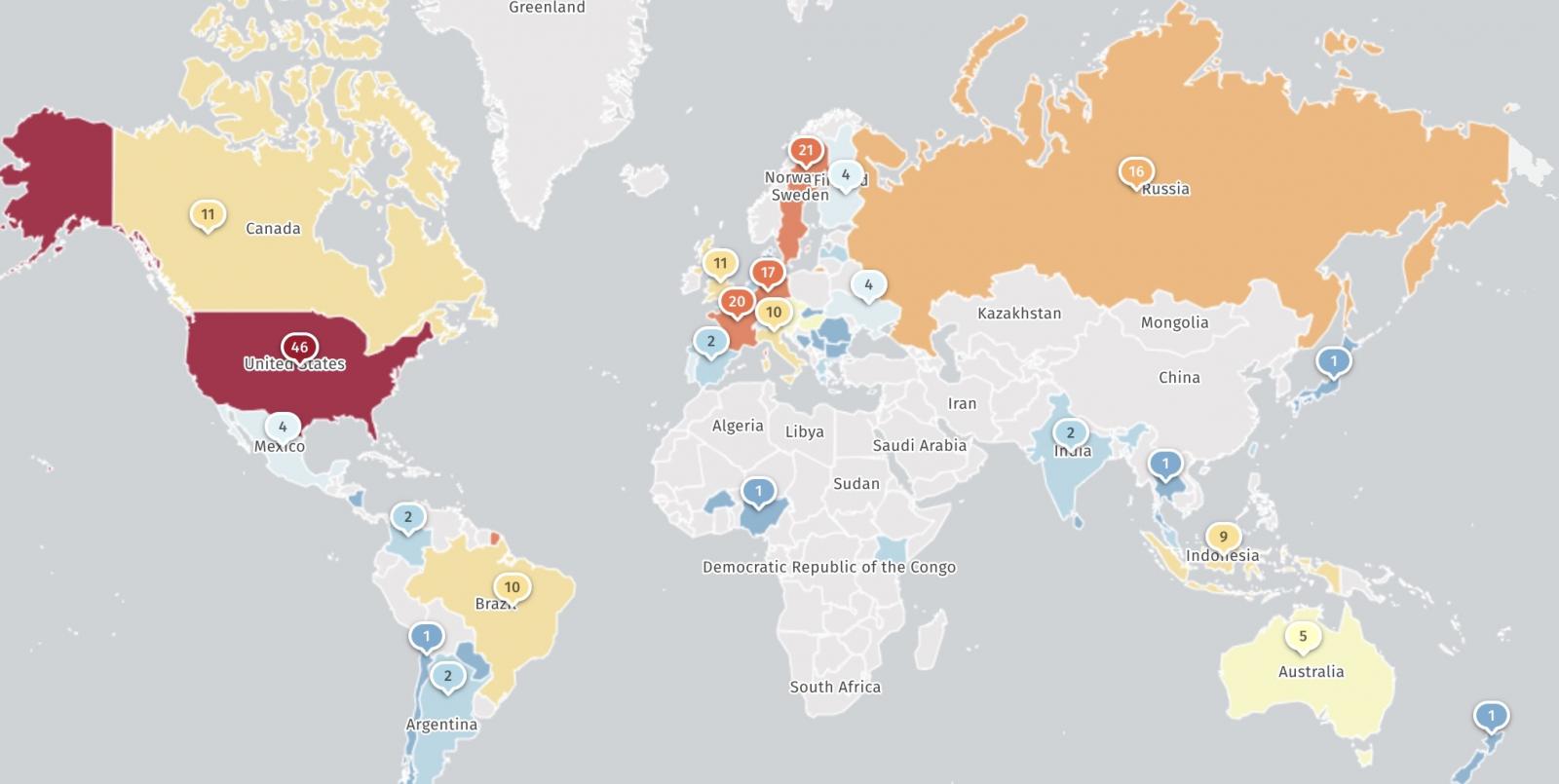
The extent of the exploitation became starkly evident through the reporting of Shadowserver, a threat intelligence organization. On Monday, August 22, 2026, Shadowserver announced that its scans had detected a substantial number of internet-exposed Zimbra instances that had already fallen victim to attacks leveraging CVE-2026-73570. Their findings indicated that 274 instances had been compromised, with further scans revealing at least 8,200 unpatched instances. It is important to note that the latter figure does not necessarily equate to exploitable systems, as the vulnerability’s exploitability is contingent on the non-default configuration of SNMP notifications.
Shadowserver’s detailed report, disseminated via a public post, highlighted the ongoing nature of the compromises: "Zimbra compromises associated with CVE-2026-73570 exploitation are spreading. 274 instances seen compromised in our scans for exploitation artifacts on 2026-08-22." This statement, coupled with the map of compromised Zimbra instances provided by Shadowserver, painted a concerning picture of the global reach of these attacks.
A Pattern of Zimbra Exploitation
The current exploitation of CVE-2026-73570 is not an isolated incident but rather the latest chapter in a persistent pattern of Zimbra vulnerabilities being targeted by sophisticated threat actors. Both cybercriminals and state-sponsored hacking groups have historically shown a keen interest in ZCS, recognizing its central role in organizational communication and its potential to yield valuable sensitive data.
In March 2026, researchers from Seqrite Labs identified APT28, a hacking group associated with Russian military intelligence, exploiting a stored cross-site scripting (XSS) vulnerability in Zimbra. This campaign specifically targeted Ukrainian government servers, aiming to exfiltrate sensitive information.

Furthermore, in October 2024, a joint advisory from U.S. and UK cybersecurity agencies warned of Russian Foreign Intelligence Service (SVR) hackers, also known as APT29, Midnight Blizzard, and Cozy Bear, compromising Zimbra servers. This previous exploitation involved a ZCS flaw that had been used to steal email account credentials, demonstrating a consistent focus on gaining access to sensitive communications.
More recently, the Winter Vivern cyber espionage group, linked to Russian intelligence, leveraged a reflected Cross-Site Scripting (XSS) vulnerability in Zimbra webmail portals to steal emails from NATO-aligned accounts. These repeated incidents underscore the persistent attractiveness of Zimbra as a target for espionage and data theft operations.
Broader Implications and Cybersecurity Posture
The widespread exploitation of CVE-2026-73570 serves as a stark reminder of the ongoing threats to enterprise communication platforms. The ability of unauthenticated attackers to achieve RCE underscores the critical importance of timely patching and robust security configurations.
The fact that Zimbra instances are being actively targeted by various threat actors, including sophisticated nation-state groups, indicates a strategic focus on these platforms for intelligence gathering and cyber warfare. The potential consequences of a successful compromise extend beyond data breaches; they can include the disruption of critical services, the erosion of trust, and the facilitation of further network intrusions.
The directive from CISA to U.S. federal agencies highlights the national security implications of such vulnerabilities. For private sector organizations, the imperative to patch and fortify their Zimbra deployments is equally urgent. The financial, reputational, and operational damages resulting from a successful cyberattack can be catastrophic.
The incident also brings to the forefront the challenges of managing vulnerabilities in widely adopted software. Even with prompt patching by vendors like Synacor, the speed at which threat actors can develop and deploy exploits often outpaces the patching cycles of end-user organizations. This creates a window of opportunity for attackers, during which unpatched systems remain highly vulnerable.
Moreover, the reliance on SNMP monitoring, a feature that can inadvertently create a backdoor for attackers when not properly secured, emphasizes the need for a comprehensive security strategy. This strategy must encompass not only vulnerability management but also secure configuration practices, continuous monitoring, and proactive threat hunting. The mention of "non-default config" for the vulnerability’s exploitability by Shadowserver underscores the importance of understanding the specific configurations within an organization’s environment and their associated risks.
Recommendations for Organizations
In light of these developments, organizations utilizing Zimbra Collaboration Suite are strongly advised to:
- Prioritize Patching: Immediately apply ZCS version 10.1.20 or the latest available patch to all Zimbra instances. This is the most critical step in mitigating the risk posed by CVE-2026-73570.
- Review SNMP Configuration: Assess the configuration of SNMP monitoring. If not essential for operations, consider disabling SNMP notifications entirely. If it is necessary, ensure that it is secured with strong authentication and access controls, and limit its exposure to trusted networks.
- Implement Enhanced Monitoring: Actively monitor Zimbra server logs for the indicators of compromise identified by CERT Polska, including unexpected service restarts and suspicious file activity in the specified directories.
- Conduct Security Audits: Perform thorough security audits of Zimbra deployments to identify any misconfigurations or other potential vulnerabilities.
- Stay Informed: Keep abreast of security advisories from Zimbra, Synacor, and relevant government cybersecurity agencies like CISA.
- Consider Threat Intelligence: Leverage threat intelligence feeds and services to stay informed about emerging threats and attack vectors targeting collaboration platforms.
The ongoing exploitation of CVE-2026-73570 is a clear signal that vigilance and proactive security measures are paramount. The widespread adoption of Zimbra necessitates a concerted effort from both vendors and users to maintain a secure and resilient communication infrastructure in the face of evolving cyber threats. The incident serves as a potent reminder that in the digital realm, security is not a static state but an ongoing process of adaptation and defense.