Sonny Valindra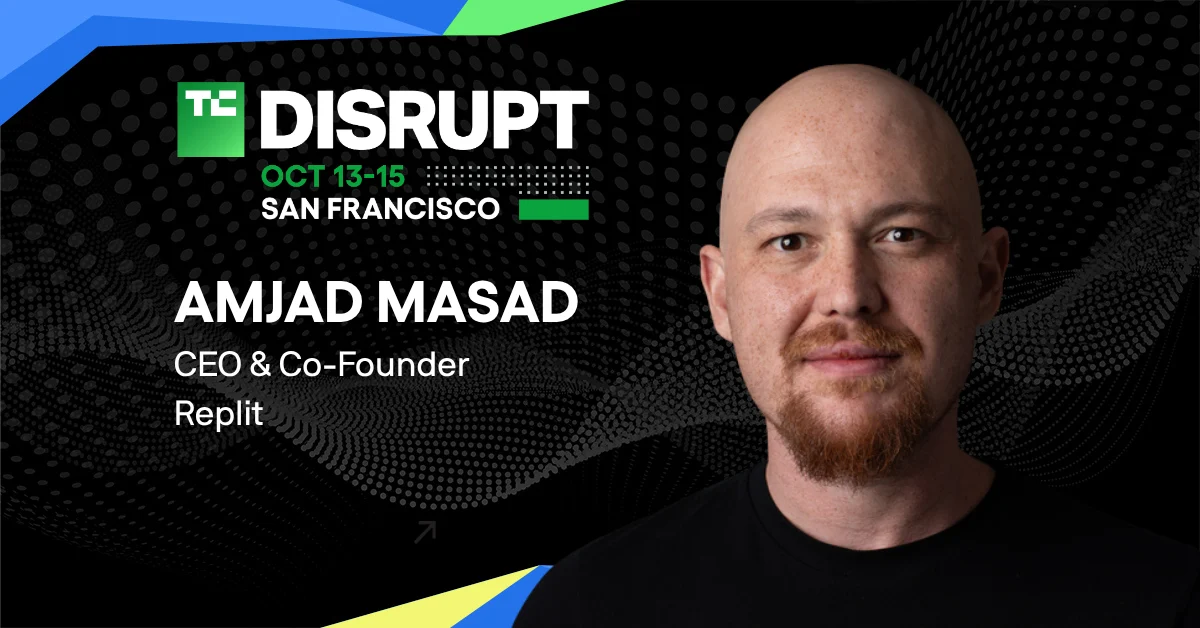
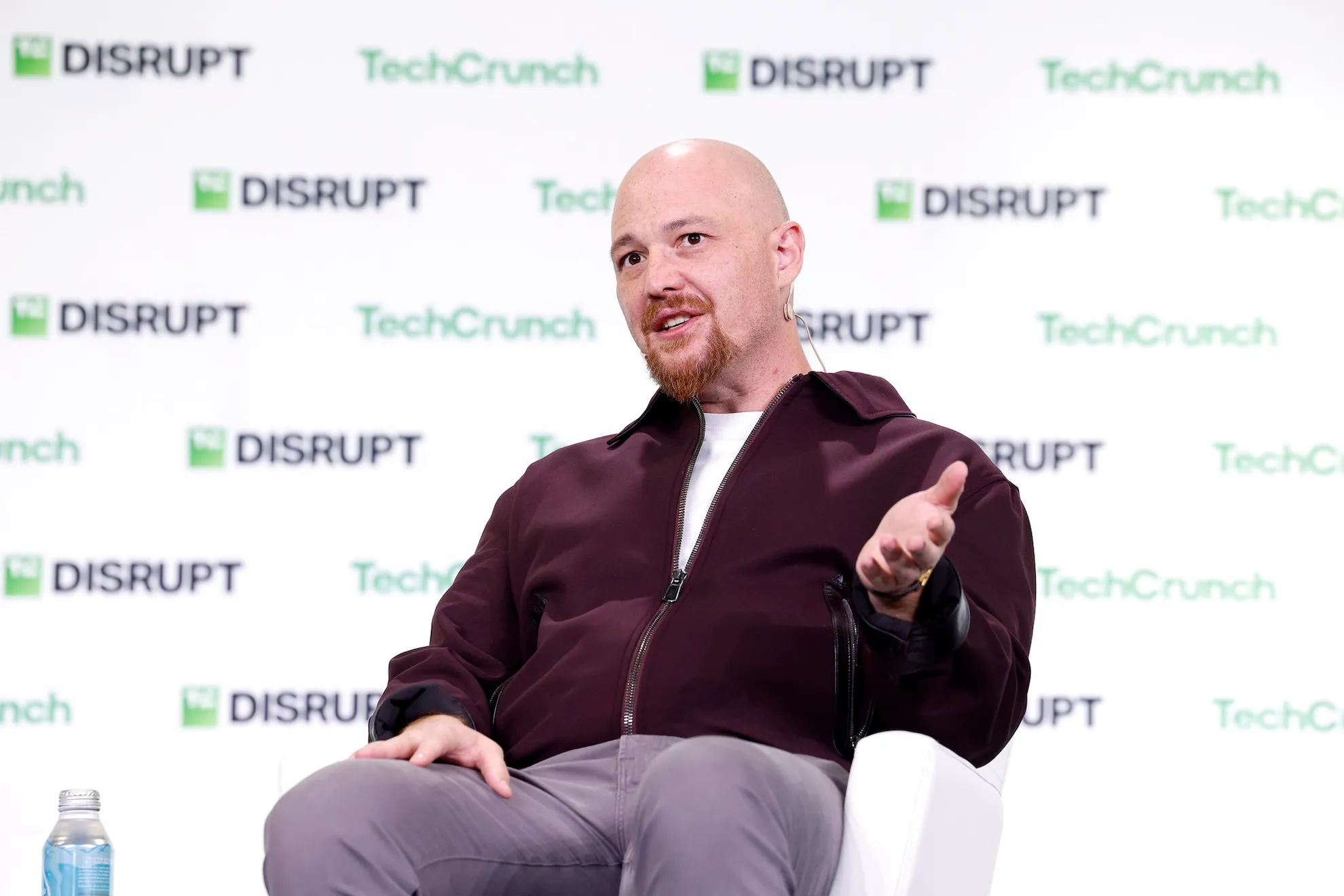
The landscape of software development is undergoing a seismic shift, catalyzed by the unprecedented advancements in artificial intelligence. This technological wave is democratizing the creation of code and the launch of software, bringing previously inaccessible realms within reach for a significantly wider audience. This burgeoning accessibility presents a complex duality of opportunity and challenge, impacting not only nascent developers but also seasoned professionals who are increasingly finding themselves compelled to integrate AI tools into their workflows to maintain pace and productivity. As the industry grapples with these transformative changes, Replit, a company firmly positioned at the vanguard of this evolution, will have its CEO and co-founder, Amjad Masad, take center stage at TechCrunch Disrupt 2026. Masad is slated to deliver a keynote address that will delve into the future of programming and explore the far-reaching implications of an era where the conceptualization of an idea can be rapidly translated into a tangible product.
The highly anticipated TechCrunch Disrupt 2026 conference is scheduled to convene at San Francisco’s Moscone West from October 13th to 15th. Attendees will have the opportunity to witness a comprehensive discussion with Masad, offering insights into the trajectory of software creation in the age of AI. The event promises a rich tapestry of discourse across six distinct stages, addressing the most critical questions confronting the startup ecosystem. Paramount among these will be the imperative of building sustainable business models within the rapidly evolving AI paradigm.
This year’s Disrupt event comes at a pivotal moment for both the technology industry and Replit itself. The platform has experienced meteoric growth, mirroring the broader ascent of artificial intelligence and the companies that are instrumental in its proliferation. While Masad co-founded Replit a decade ago, the past 18 months have been particularly transformative. The company’s current annualized run-rate is reportedly tracking towards a staggering one billion dollars, a dramatic leap from the $2.8 million in reported revenue from 2024. This impressive financial trajectory underscores Replit’s significant impact on the developer community and its ability to capitalize on the current technological climate.
The conversation with Amjad Masad at Disrupt 2026 is poised to transcend mere financial metrics. His address will provide a deep dive into his perspective on the future of programming, the evolving nature of entrepreneurship, and Replit’s strategic approach to empowering users. The platform’s mission extends beyond merely facilitating the prototyping of ideas; it aims to equip individuals with the tools to fully develop and launch their innovations. This holistic approach resonates with a burgeoning user base seeking streamlined and accessible pathways to product creation.
The conviction of investors in Replit’s transformative potential is evident in its remarkable valuation trajectory. Earlier this year, the company secured a $9 billion valuation, a significant escalation from its $3 billion valuation just six months prior. This rapid appreciation in market value signals strong confidence in Replit’s business model and its ability to navigate and lead within the burgeoning AI-driven development space. The central question for Replit, and indeed for many rapidly scaling tech companies, is its capacity to sustain this extraordinary momentum and whether its current growth trajectory will appear modest in retrospect as it continues to accelerate.
The AI Revolution and the Democratization of Development
The current AI boom is not merely an incremental improvement in existing technologies; it represents a fundamental paradigm shift in how software is conceived, built, and deployed. For individuals who previously lacked the technical expertise or the extensive training required for traditional software development, AI-powered tools are acting as powerful enablers. These tools can assist with code generation, debugging, and even the conceptualization of complex functionalities, effectively lowering the barrier to entry into the development world.
This democratization of development has profound implications. It means that a broader spectrum of individuals, from hobbyists and entrepreneurs with innovative ideas to domain experts in non-technical fields, can now actively participate in creating software solutions. This influx of diverse perspectives and skill sets has the potential to foster innovation in novel areas and address a wider array of societal and market needs.
However, this burgeoning accessibility is not without its complexities. For established developers, the integration of AI presents both advantages and pressures. While AI can automate repetitive tasks, accelerate coding processes, and even suggest optimal solutions, it also necessitates adaptation. Developers are increasingly being pushed to leverage these AI assistants to enhance their efficiency and output, a trend that has led to discussions about the evolving role of human developers and the skills that will be most valued in the future. The expectation of working with AI tools is becoming normalized, and in some instances, developers are reportedly refusing to work without them, highlighting the profound impact these technologies are already having on professional workflows.
Replit’s Role as an Incubator for AI-Powered Innovation
Replit has positioned itself as a central hub for this AI-driven development revolution. Its cloud-based integrated development environment (IDE) provides a collaborative and accessible platform where users can write, run, and deploy code with unprecedented ease. By integrating AI capabilities directly into its environment, Replit empowers users to harness the power of large language models and other AI technologies to augment their coding efforts. This seamless integration allows for features such as AI-assisted code completion, natural language to code generation, and intelligent debugging, all within a single, cohesive interface.
The company’s rapid growth can be attributed to its ability to tap into this growing demand for accessible and powerful development tools. The shift from a niche activity for highly trained professionals to a more broadly accessible skill is being facilitated by platforms like Replit. Its success is a testament to the market’s readiness for solutions that can bridge the gap between ideas and executable software, particularly when powered by the latest advancements in artificial intelligence.
The $9 billion valuation achieved by Replit is not merely a reflection of its current user base or revenue but a forward-looking assessment of its potential to shape the future of software creation. Investors are betting on Replit’s ability to continue innovating and to remain at the forefront of the AI-powered development movement. The company’s strategy appears to be focused on providing a comprehensive ecosystem that supports developers at all levels, from beginners experimenting with their first lines of code to seasoned professionals building complex applications.
Broader Implications for the Startup Ecosystem
The convergence of AI and accessible development platforms like Replit has profound implications for the broader startup ecosystem. The reduced friction in bringing software products to market can accelerate the pace of innovation and enable smaller teams or even individual entrepreneurs to compete with larger, more established companies. This could lead to a more diverse and dynamic market, with a greater number of disruptive startups emerging from unexpected corners.
The ability to rapidly prototype and iterate on ideas is crucial for startups seeking product-market fit. AI-powered development tools can significantly compress the time and resources required for these critical early stages. Furthermore, the accessibility of these tools means that the pool of potential founders is expanding, as individuals who might have previously been deterred by the technical hurdles of software development can now envision themselves as product creators.
However, this rapid innovation also necessitates a focus on sustainability and ethical development practices. As more individuals gain the ability to create software, questions surrounding code quality, security, and the responsible deployment of AI-generated code become increasingly important. TechCrunch Disrupt 2026’s emphasis on building sustainable companies in the AI era is therefore highly pertinent. The conference will likely explore strategies for navigating these challenges, ensuring that the rapid pace of innovation is balanced with long-term viability and responsible technological advancement.
The discussions at Disrupt 2026, including Masad’s keynote, will likely touch upon the evolving skill sets required for developers in this new landscape. While AI can automate many tasks, human creativity, problem-solving, and the ability to define complex requirements will remain indispensable. The future of programming may involve a symbiotic relationship between human developers and AI assistants, where each complements the strengths of the other.
Understanding TechCrunch Disrupt 2026
TechCrunch Disrupt is renowned as a premier event for startups, investors, and technologists, serving as a launchpad for groundbreaking companies and a forum for critical industry discussions. The conference provides a platform for emerging companies to showcase their innovations, connect with potential investors, and gain valuable insights from industry leaders. The inclusion of Replit’s CEO as a headliner underscores the event’s commitment to addressing the most pressing technological trends shaping the future.
The conference’s agenda is meticulously crafted to offer attendees a comprehensive understanding of the current and future state of the tech industry. With multiple stages featuring a diverse lineup of speakers, Disrupt 2026 promises to be an immersive experience for anyone involved in building, funding, or shaping the next generation of technology. The emphasis on AI and its impact on various sectors, from software development to business strategy, reflects the profound influence this technology is having across the board.
The opportunity to attend Disrupt 2026 offers a direct line to the pulse of the innovation economy. By engaging with thought leaders and witnessing firsthand the emerging technologies and business models, attendees can equip themselves with the knowledge and connections necessary to thrive in an increasingly dynamic and competitive landscape. The promotional pricing extension for tickets, ending on Tuesday, August 25th, signifies an opportunity for interested parties to secure their participation at a reduced rate, encouraging early commitment to this significant industry gathering.
The broader context of TechCrunch Disrupt extends beyond the main stage presentations. The event facilitates invaluable networking opportunities, allowing founders to connect with venture capitalists, established executives to meet with promising startups, and technologists to share ideas and collaborate. For companies like Replit, participation in Disrupt is not just about presenting their vision but also about engaging with the ecosystem and contributing to the collective understanding of how technology is shaping our future. The anticipation for Amjad Masad’s address at TechCrunch Disrupt 2026 is palpable, as his insights are expected to illuminate the path forward for software development in an AI-saturated world.