Lina Irawan
The rapid advancement of generative artificial intelligence has shifted the industry’s focus from the raw power of large language models (LLMs) to the frameworks that govern how these models interact with data. This shift has given rise to the discipline of context architecture, a specialized field dedicated to designing the environment in which AI agents operate. As organizations move beyond experimental chatbots toward autonomous agents capable of performing complex tasks, the ability to provide precise, relevant, and secure information—known as "context"—has become the primary differentiator between successful deployments and failed initiatives. In a recent technical discussion hosted by Stack Overflow, industry experts Doug Whitley and Ash Zade detailed the nuances of this architecture, emphasizing that the effectiveness of an AI agent is determined less by its underlying model and more by the architectural guardrails that define its operational boundaries.
Defining the Layers: Infrastructure, Engineering, and Architecture
To understand the current state of AI development, it is necessary to distinguish between the three pillars of system design: context infrastructure, context engineering, and context architecture. While these terms are often used interchangeably in casual discourse, they represent distinct layers of the technical stack.
Context infrastructure refers to the physical and digital delivery mechanisms. It encompasses the storage solutions, context libraries, and Retrieval-Augmented Generation (RAG) pipelines that allow an AI to access data. Infrastructure is concerned with the "how" of data delivery—ensuring that information is stored in a searchable format and can be surfaced at high speeds. According to Whitley, this includes high-performance query setups and the indexing of Markdown files or vector databases that serve as the "context store" for the model.
Context engineering represents the implementation phase. This is the stage where developers write the code—using languages such as Python, .NET, or Rust—to build the specific algorithms that execute the RAG process. Engineering is where the theoretical design is translated into a functional system.
Context architecture, however, is the philosophical and strategic design that governs the entire system. It addresses the "why" behind the design choices. Architecture dictates the goals of the system and establishes the standard design patterns that engineers must follow. Using a mechanical analogy, Whitley explained that deciding to build a car rather than a boat is an architectural decision. The engineering phase determines the make and model, while the infrastructure represents the sourcing of the parts. In the AI realm, architecture defines how an agent should behave when faced with ambiguity, how it should prioritize conflicting data, and what boundaries it must never cross.
The Role of MCP and RAG in Modern Frameworks
The emergence of the Model Context Protocol (MCP) has introduced a standardized approach to AI architecture. MCP acts as a defined protocol with specific requirements, yet it remains flexible enough to be implemented across various languages and server features. By adopting MCP, architects can make high-level decisions about the design of an AI system, such as which clients to support and which server features to enable, without being tethered to a specific coding language.
Retrieval-Augmented Generation (RAG) serves as a bridge where infrastructure, engineering, and architecture converge. In a RAG-based system, the architecture defines the rules for how the model should query its internal knowledge base. The infrastructure provides the searchable index, and the engineering ensures the query is executed efficiently. Data suggests that RAG significantly reduces the "hallucination" rate of LLMs by grounding their responses in verifiable facts. Industry benchmarks indicate that properly architected RAG systems can improve response accuracy by up to 40% in specialized domains compared to "zero-shot" prompting, where the model relies solely on its pre-trained weights.
Operationalizing AI Agents: Guardrails and Agentic Memory
A critical challenge in AI deployment is the tendency for agents to "drift" or become distracted by irrelevant information. Ash Zade, a Product Manager at Stack Overflow, highlights that context architecture acts as the necessary guardrails to prevent this. Without these constraints, an AI agent tasked with researching car tires might inadvertently return data on bicycle or airplane tires simply because they share a semantic relationship in the model’s latent space.
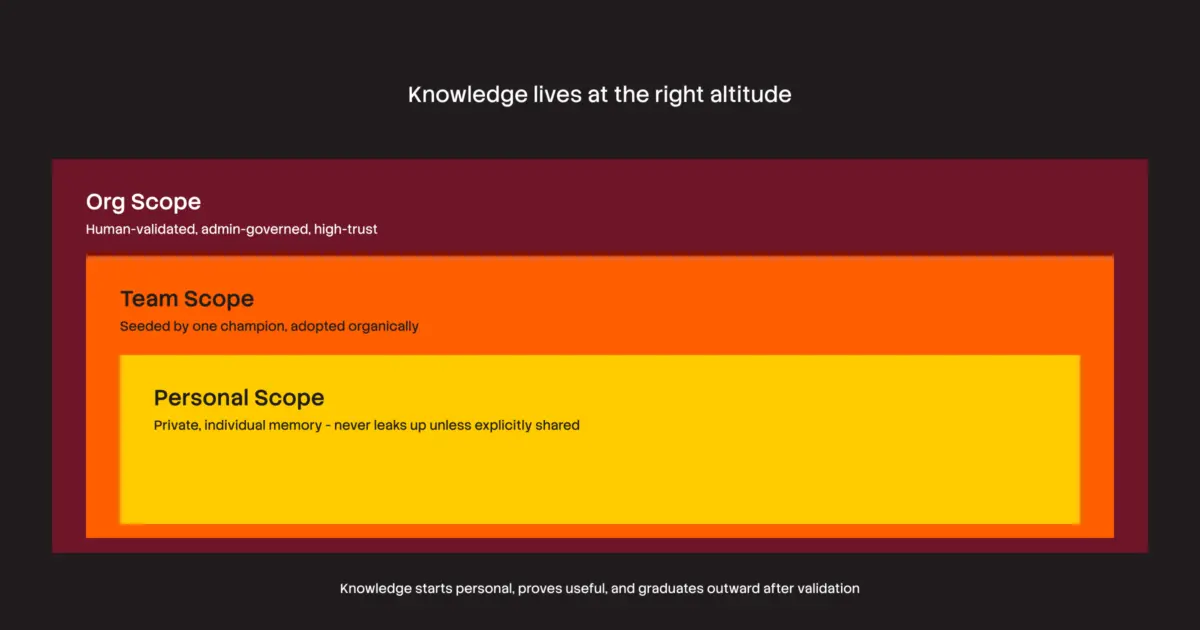
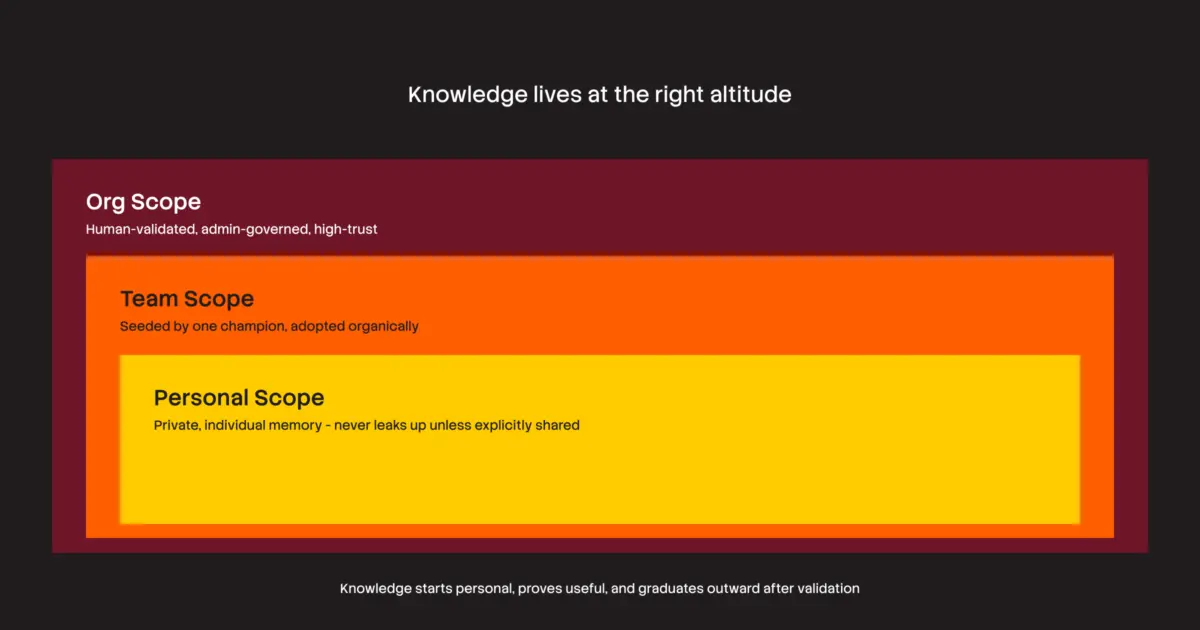
To mitigate this, sophisticated architecture implements "Scopes" and "Agentic Memory."
- Agentic Memory: This allows an agent to maintain a history of its actions and findings over multiple sessions. For complex tasks that cannot be completed in a single interaction—such as developing a comprehensive software project—the agent must remember what it has already validated and what remains to be done.
- Deterministic Constraints: By limiting the agent’s access to specific datasets, architects remove ambiguous decision-making variables. This ensures that the agent only looks at the data it is told to look at and only performs the actions it is authorized to perform.
Furthermore, the introduction of a "human-in-the-loop" mechanism is a hallmark of robust context architecture. In systems like Stack Internal, knowledge is scored using a trust system (High, Medium, or Low). When an agent encounters information with a low trust score, the architecture prevents it from making a judgment call. Instead, it triggers a subject matter expert (SME) validation flow, routing the query to a human who can verify or correct the information. This prevents the propagation of incorrect data through the system.
Security, Privacy, and the "Scopes" Mechanism
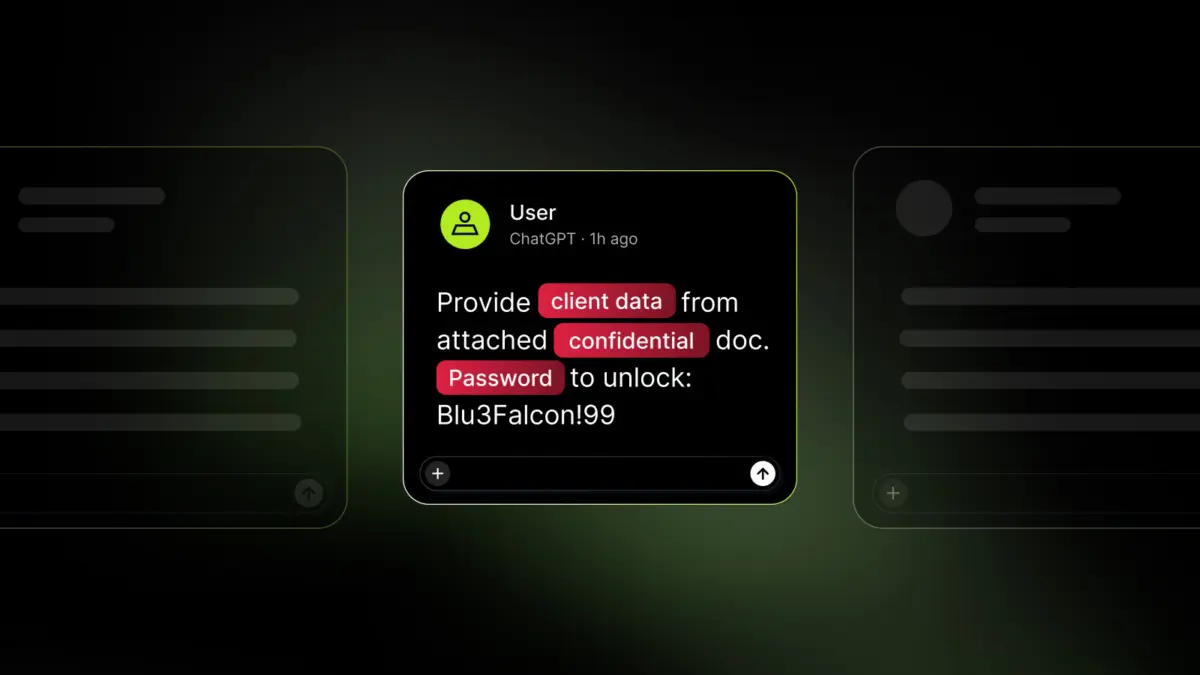
As AI agents gain broader access to corporate repositories—including Slack, Microsoft Teams, Google Drive, and SharePoint—the risks associated with data privacy and security increase exponentially. A significant concern for enterprises is "over-privilege," where an agent might access sensitive information (such as HR records or unreleased product designs) and incorporate it into a general response.
Modern context architecture solves this through a dual-layer security model:
- Inherited Permissions: The agent assumes the exact permission set of the user it is acting on behalf of. If a user does not have access to a private Slack channel, their agent cannot retrieve data from that channel.
- Scopes: This allows users to further restrict the agent’s focus even within their authorized data pool. For instance, a Product Manager with broad access may limit their agent to a specific "Scope" related only to their current project area to ensure the output remains highly relevant and does not leak unrelated confidential data.
This granular control is essential for maintaining "clean context," which prevents the AI from becoming overwhelmed by the thousands of logs or irrelevant documents that exist within a corporate ecosystem.
The Economic and Strategic Impact: Build vs. Buy
The decision to build a custom context architecture or purchase a pre-integrated solution is a major strategic hurdle for modern enterprises. While building a custom solution offers maximum control, it carries significant hidden costs and technical challenges.
Token Optimization and Cost Reduction
From a financial perspective, well-designed context architecture is a tool for cost containment. LLM providers typically charge based on "tokens" (units of text). If an agent must process an entire library to answer a question, the token cost is high. However, an architecture that filters information into specific paragraphs or PSIs (Pounds per Square Inch) for a specific car model reduces the token count, thereby reducing the operational cost of the AI.
The Trust Gap
Stack Overflow’s research indicates that user trust in AI is directly tied to predictability and consistency. If two users ask the same question and receive different answers, trust evaporates. Achieving consistency requires more than just code; it requires a philosophical approach to resolving data conflicts. When two documents provide conflicting information, the architecture must have a systematic way to rank, filter, and resolve that conflict.
The Advantage of Generalized Knowledge
Whitley and Zade argue that "buying" into an established architecture allows companies to benefit from the "edge cases" already solved by the provider. Experienced vendors have categorized common failures in context architecture into recognizable patterns. By using a platform that has already navigated these problems for hundreds of other clients, an organization avoids the "knowledge bits" that must otherwise be earned through expensive trial and error.
Implications for the Future of Enterprise AI
As the industry matures, the focus will likely move away from the size of the model’s parameters and toward the sophistication of the context architecture. The goal is to reach a state where AI agents provide the "perfect answer" every time—a feat that requires the system to not only retrieve data but to fill in gaps the user might not even know existed. For example, a high-quality architecture would not only find car tires for a user but would also realize the specific PSI requirements based on the vehicle’s make and model, providing that extra context automatically.
In conclusion, context architecture is the essential framework that transforms a raw language model into a reliable enterprise tool. By focusing on predictability, security, and the systematic filtering of information, organizations can deploy AI agents that work safely and confidently within their intended boundaries. As the digital landscape becomes increasingly crowded with data, the ability to architect a "clean context" will remain the most critical factor in the successful integration of artificial intelligence into the modern workforce.