Garick Elordi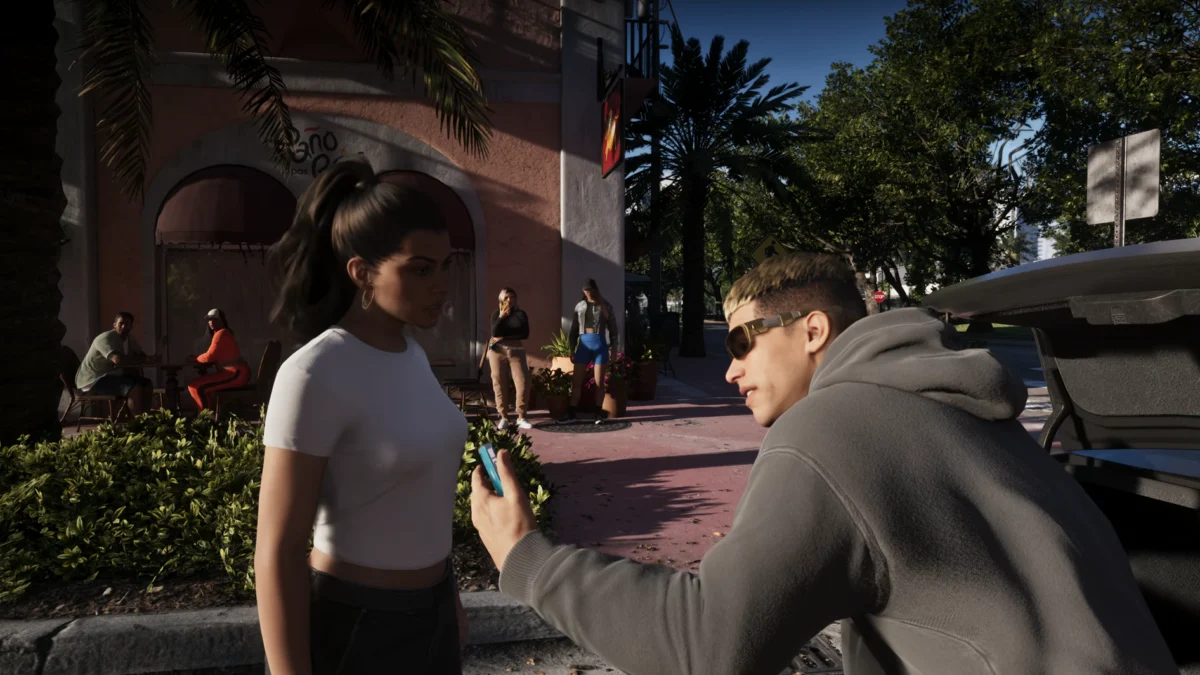
The global livestreaming giant Twitch experienced a comprehensive infrastructure failure shortly after the debut of a highly anticipated Grand Theft Auto VI (GTA 6) extended gameplay presentation on Netflix. The outage, which crippled core functionalities including chat systems, video playback, and user authentication, appeared to be triggered by an unprecedented influx of viewers congregating on the platform to watch top-tier content creators react to the new footage. As the most anticipated entertainment release of the decade, the Rockstar Games title has once again demonstrated its unique capacity to strain the digital architecture of the modern internet.
The technical disruption began in the immediate wake of the "extended look" premiere, a strategic marketing event hosted by Netflix. While the footage was officially distributed through the streaming service’s platform, the cultural epicenter of the event quickly shifted to Twitch. High-profile streamers, most notably Kai Cenat and IShowSpeed, hosted "reaction" broadcasts, allowing hundreds of thousands of viewers to experience the gameplay reveal collectively. This practice of co-streaming not only concentrated massive traffic onto a handful of Twitch channels but also allowed users without active Netflix subscriptions to view the content in real-time, further amplifying the load on Twitch’s servers.
Chronology of the Infrastructure Failure
The timeline of the outage suggests a rapid escalation of technical stress. In the minutes leading up to the Netflix premiere, Twitch saw a steady climb in concurrent users as fans gathered in the "Just Chatting" and "Grand Theft Auto V" categories. At the moment the GTA 6 footage went live, traffic spikes reached critical levels.
By approximately ten minutes into the broadcast, users began reporting intermittent "Error 500" messages and a total cessation of chat functionality. The Twitch Status monitoring site, which tracks the health of the platform’s various ecosystems, quickly updated its dashboard to reflect "Major Outages" across multiple sectors. Specifically, the API services responsible for user logins and the search index were the first to show signs of instability. This was followed by a degradation of the Video-on-Demand (VOD) system and, eventually, the live video ingest servers themselves.
While Twitch engineers initiated an investigation almost immediately, the sheer volume of concurrent requests created a bottleneck that persisted for several hours. As of the latest updates, the platform has largely stabilized, though many users continue to report residual lag and difficulties accessing specific channel features. At the peak of the recovery phase, data indicated that over 180,000 users were still actively watching GTA 6-related content, with an additional 80,000 viewing legacy GTA 5 streams, illustrating the enduring gravity of the franchise.
The Magnitude of the Grand Theft Auto VI Phenomenon
To understand why a single game trailer could cause such widespread digital disruption, one must consider the historical context of the Grand Theft Auto franchise. Its predecessor, Grand Theft Auto V, released in 2013, remains one of the best-selling pieces of entertainment media in history, having sold over 190 million copies. The ten-year gap between entries has created a vacuum of anticipation that few other intellectual properties can match.
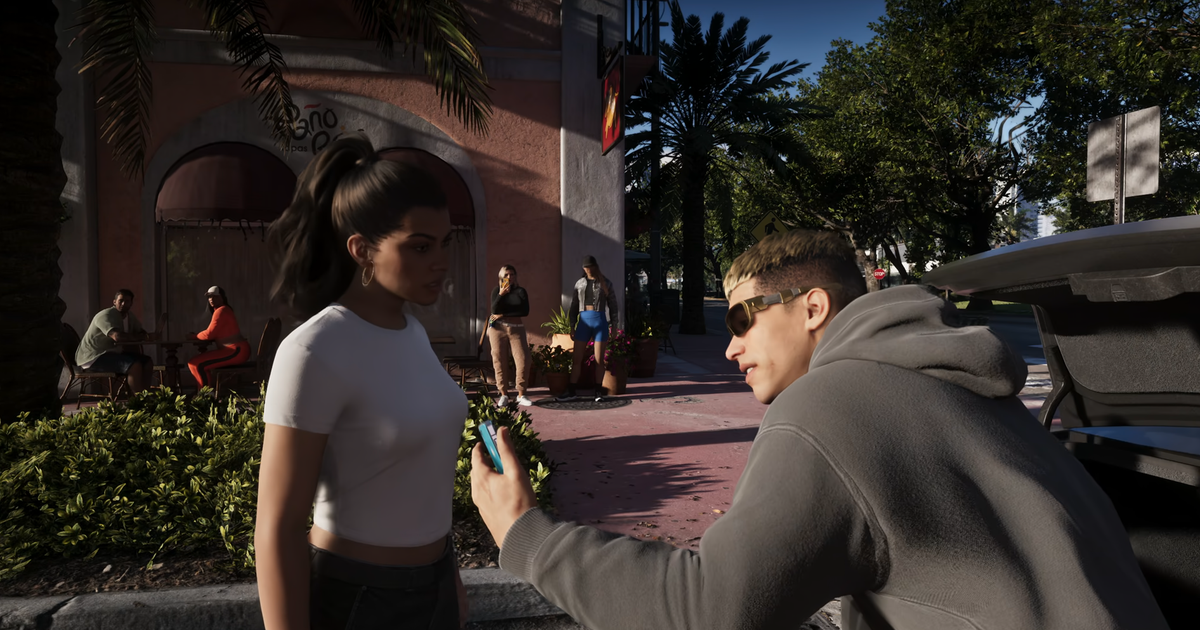
When Rockstar Games released the initial reveal trailer for GTA 6 several months ago, it shattered YouTube records for the most views for a non-music video in 24 hours, amassing over 90 million views in a single day. The "extended look" provided via the Netflix partnership represented the first significant update since that reveal, focusing on the game’s technical fidelity and its shift toward a more grounded, realistic portrayal of its fictional setting, Leonida (a parody of Florida).
Industry analysts suggest that the decision to partner with Netflix for this extended look was a calculated move to broaden the game’s reach beyond the traditional gaming demographic. However, the unintended consequence was the massive "re-streaming" effect on Twitch. Because Twitch is built on interactivity, the desire for fans to watch the reveal alongside their favorite personalities created a concentrated "thundering herd" problem for Twitch’s load balancers.
Technical Analysis of the Outage
The nature of the Twitch outage points to a failure in the platform’s microservices architecture. When a platform like Twitch experiences a surge, the "Chat" service is often the first to fail. Twitch Chat operates on a modified version of the IRC (Internet Relay Chat) protocol, which, while robust, can struggle with the "message per second" (MPS) rates generated by hundreds of thousands of users typing simultaneously in a single channel like Kai Cenat’s.
When the chat service fails, it often creates a cascading effect. The web browsers and mobile apps of millions of users continuously attempt to reconnect to the chat server, generating a massive volume of "retry" requests. This "retry storm" can overwhelm the authentication and login servers, leading to the broader platform-wide issues reported on the Twitch Status page.
Twitch’s official statement during the crisis remained cautious: "We have received reports of impacted services. This could manifest in chat not working, login difficulties, search impaired, etc. We’re looking into the issue." While the company did not explicitly name the GTA 6 premiere as the culprit, the timing leaves little room for alternative explanations. This event mirrors previous outages seen during major esports tournaments or platform-exclusive events like the Fortnite "Black Hole" event, though the cultural scale of Grand Theft Auto arguably presents a more significant challenge.
Official Responses and Industry Reaction
As of this writing, Eurogamer and other major outlets have reached out to Twitch’s public relations representatives for a formal post-mortem on the outage. No detailed technical explanation has been provided, a standard practice for the company as it prioritizes service restoration over public disclosure in the immediate aftermath of a crash.
Rockstar Games, known for its highly controlled and somewhat reclusive communication style, has not commented on the technical difficulties faced by the streaming platforms during its reveal. The developer’s focus remains on the content of the reveal itself, which showcased a bold commitment to realism. This shift has sparked intense debate within the gaming community, as the franchise moves away from the more satirical, arcade-style chaos of its predecessors toward a high-fidelity, immersive simulation of modern American life.

Netflix, the primary host of the event, appeared to handle the traffic with greater resilience. This is likely due to the fundamental difference in how Netflix and Twitch operate; Netflix is a content delivery network (CDN) optimized for one-way streaming to millions of viewers, whereas Twitch is a bidirectional platform requiring constant communication between the user and the server for chat, emotes, and live interaction.
Broader Implications for the Future of Digital Events
The Twitch outage serves as a stark reminder of the limitations of current cloud infrastructure when faced with "monoculture" moments. In an era where digital entertainment is increasingly fragmented, Grand Theft Auto VI represents one of the few remaining "water cooler" events that can force a significant portion of the global internet population onto a single platform at the same time.
Furthermore, this event highlights the evolving relationship between streaming services and content creators. The fact that the most significant traffic for a Netflix-hosted event occurred on Twitch suggests that "community viewing" is becoming the preferred method for younger audiences to consume major announcements. This presents a challenge for rights holders who wish to keep viewers within their own ecosystems, as well as for platforms like Twitch that must find ways to scale their infrastructure to meet these sudden, violent spikes in demand.
As the industry looks toward the eventual release of Grand Theft Auto VI in 2025, there are growing concerns regarding whether any platform—be it the PlayStation Network, Xbox Live, or Rockstar’s own Social Club—will be able to withstand the day-one digital traffic. If a mere trailer can destabilize the world’s largest livestreaming site, the actual launch of the game may require a level of preparation and server capacity previously unseen in the history of computing.
For now, the digital dust has settled, and Twitch has returned to a state of relative normalcy. However, the event has left an indelible mark on the gaming landscape, proving that the hype surrounding Rockstar’s next masterpiece is not just a marketing sentiment, but a literal force of nature capable of bringing the internet’s largest platforms to their knees.