Vera Intan Clara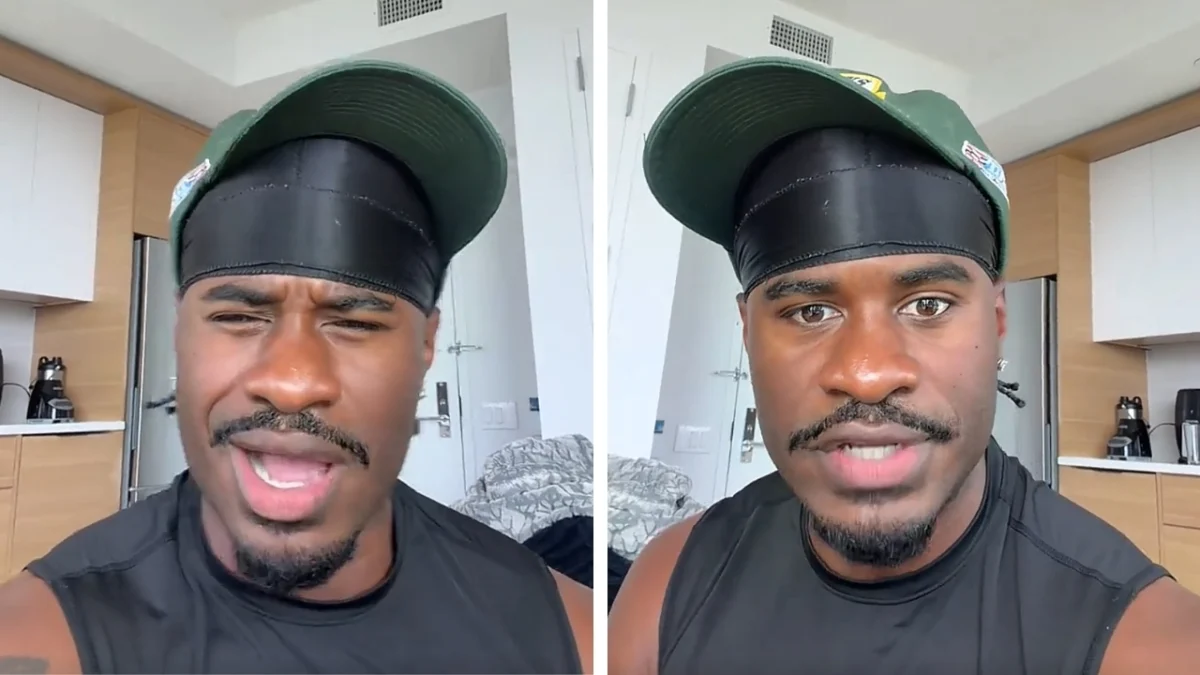
A recent viral incident involving a group of first-time visitors to Manhattan, a fine dining establishment, and an allegedly unsatisfactory service experience culminating in a contentious tip request, has ignited a widespread debate across social media platforms, particularly TikTok. The account, shared by user @maxwellsvision, details a series of perceived slights and unprofessional conduct from restaurant staff, prompting an online discussion that delves deep into the nuances of customer service, the American tipping system, and the evolving expectations of diners in high-end establishments. While the specific restaurant and individuals involved remain unidentified and the account unverified by independent media, the narrative has resonated with millions, serving as a potent case study for broader issues within the hospitality industry.
Chronology of a Disappointing Evening
The incident, as recounted by @maxwellsvision, began with an aspirational visit to New York City. Eager to experience the iconic Manhattan lifestyle, the TikTok user and his friends, all new to the metropolis, decided to indulge in a fine dining experience, an endeavor explicitly noted as being "out of his budget" but deemed worthwhile for the occasion. Their choice of restaurant, characterized as "fancy" and "packed," underscored their desire for a memorable, upscale experience reflective of Manhattan’s renowned culinary scene.
Upon arrival, the group approached the hostess to request a table for three. The TikTok user recounted politely engaging the hostess, even offering a compliment. However, the initial interaction reportedly took an immediate turn for the worse. The hostess allegedly "sized them up and down" and directly questioned their ability to afford the restaurant. This unexpected and confrontational query reportedly caught the group off-guard. The TikTok user, while maintaining his composure, challenged the hostess’s perceived rudeness, asserting their financial capability and reiterating their request for a table. Despite the tension, they were eventually seated, centrally located within the restaurant, in a spot described as having "good aesthetics."
However, the initial seating did not herald an improvement in service. The group reported waiting approximately 15 minutes without a server assigned to their table and, notably, without receiving water—a basic amenity typically provided promptly in fine dining establishments. This prolonged neglect prompted the TikTok user to flag down a nearby server to inquire about their service. Approximately five minutes later, a waitress arrived at their table, an arrival that, according to the TikTok user, was accompanied by an immediate "attitude."
The account details a continuation of the perceived unprofessionalism. Like the hostess, the waitress allegedly subjected the group to a visible "up and down" appraisal before sighing and attempting to immediately take their order. At this point, the TikTok user intervened, directly asking the waitress if she was alright and if anything was amiss, noting that he could "smell the distressed breath of cigarettes." The waitress reportedly attributed her demeanor to a busy day and being one of only three servers on duty, a claim later disputed by the TikTok user as a "lie." While expressing empathy for a potentially demanding work environment, the diner firmly communicated that her personal stress should not translate into rudeness towards paying customers.
The remainder of the dining experience, as narrated, was punctuated by a series of "rude" encounters. When ordering drinks, the waitress allegedly made comments about the diners’ age. During the main course selection, after the TikTok user sought a recommendation for a new dish to try, and then reiterated his original choice, the waitress reportedly questioned why he had asked for a recommendation if he already knew what he wanted. Compounding these interpersonal issues, the food and drinks served were described as both "cold and late," further diminishing the quality of the fine dining experience.
The culmination of the evening arrived with the payment process. The group decided to leave a $10 tip, a discretionary amount they felt reflected the quality of service received. However, as they were departing, they were reportedly stopped by a manager who reminded them that an 18% or greater tip was customary. The TikTok user’s response, "She got what she deserved," encapsulates the group’s profound dissatisfaction, leading to their departure from the establishment.
Manhattan’s Fine Dining Landscape: Expectations and Realities
Manhattan’s fine dining scene is globally renowned, a cornerstone of its tourism and cultural identity. It represents the pinnacle of culinary artistry, impeccable service, and an elevated guest experience. Tourists, especially first-time visitors, often harbor high expectations when choosing to dine at such establishments, viewing it as an integral part of their New York experience. The perception is that premium prices correlate directly with premium service, where every interaction, from the hostess’s greeting to the server’s attentiveness, contributes to an unforgettable occasion.
For restaurants in this competitive market, maintaining an unblemished reputation is paramount. A single negative experience, particularly one amplified through social media, can have significant repercussions. The investment in ambiance, decor, and culinary talent is often substantial, making the quality of front-of-house service equally critical in delivering the complete "fine dining" package. Staff are typically trained to anticipate guest needs, offer expert recommendations, and provide a seamless, gracious experience, irrespective of the restaurant’s busyness or internal challenges.
The incident, as described, starkly contrasts with these established expectations. The alleged questioning of a diner’s ability to afford the establishment by a hostess is an egregious breach of hospitality etiquette, suggesting a pre-judgment based on appearance rather than an open welcome. Similarly, a server’s reported "attitude," late and cold food, and questioning of a guest’s ordering choices fall far short of the standards typically associated with fine dining, where discretion, professionalism, and anticipatory service are key.
The Intricacies of American Tipping Culture
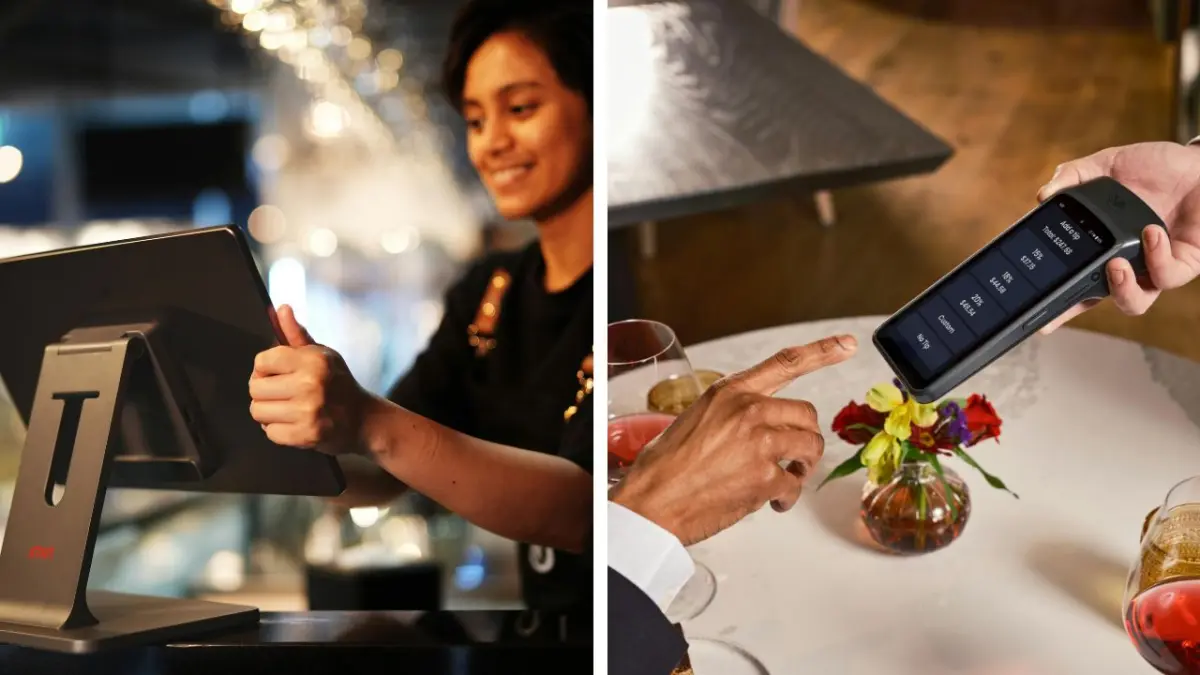
At the heart of the controversy ignited by this incident lies the complex and often contentious system of tipping in the United States. Unlike many European and Asian countries where a service charge is automatically included or where hospitality staff receive a living wage, American servers typically earn a sub-minimum "tipped wage," heavily relying on gratuities for the bulk of their income. This system places the onus on the customer to directly compensate service staff, theoretically incentivizing excellent service.
Historically, tipping emerged in the U.S. post-Civil War, influenced by European customs but evolving into a distinct American practice. Today, recommended tip percentages generally range from 15% for adequate service to 20% or more for exceptional service. The 18% figure mentioned by the manager in the TikTok video is a common baseline, often suggested for larger parties or automatically applied as a service charge in some establishments.
However, this system is fraught with debate. Critics argue it creates an unstable income stream for servers, perpetuates wage inequality, and often results in customers feeling pressured to subsidize an employer’s payroll. Furthermore, it can lead to situations like the one described, where customers believe poor service should not be rewarded with a generous tip, while servers may feel entitled to a standard percentage regardless of their performance, especially in high-pressure environments.
Data from organizations like the National Restaurant Association and various labor statistics indicate the fluctuating nature of server wages, with tips forming the lion’s share. The average hourly wage for a waiter or waitress, excluding tips, can be as low as $2.13 in some states, with federal law allowing employers to pay this "tipped minimum wage" as long as the employee’s tips bring their total earnings up to at least the federal minimum wage ($7.25 per hour). This economic reality underscores why servers are often highly sensitive to tip amounts.
Conversely, diners often feel that tipping should be a direct reflection of the service quality. When service is perceived as subpar, late, rude, or otherwise unsatisfactory, the inclination to reduce or withhold a tip is a natural consumer response, intended as feedback and a withholding of reward for inadequate performance. The tension between these two perspectives—a server’s reliance on tips versus a diner’s expectation of earned gratuity—is a perpetual source of friction in the American dining experience.
The Amplifying Power of Social Media
The incident’s virality on TikTok highlights the profound impact of social media on consumer advocacy and business reputation in the 21st century. Platforms like TikTok, Instagram, and Yelp have transformed into powerful arenas where individual experiences, both positive and negative, can be shared instantly and reach a global audience. A single video can accumulate millions of views, spark thousands of comments, and generate mainstream media attention within hours.
For businesses, this digital landscape presents both opportunities and significant risks. Positive reviews and viral endorsements can lead to exponential growth, while negative narratives, even unverified ones, can cause substantial reputational damage, deter potential customers, and necessitate crisis management. In the case of @maxwellsvision’s video, the immediate and widespread engagement in the comments section demonstrates how quickly personal anecdotes can tap into broader societal frustrations and debates.
The comments section of the TikTok video became a microcosm of the larger societal debate, with users passionately weighing in on whether servers "deserve" a tip for bad service. Many sided with the diner, asserting that tips must be earned through good service. Others defended the server, citing the demanding nature of hospitality work, low wages, and the potential for customers to be overly critical. This rapid-fire exchange of opinions underscores the platform’s ability to democratize public discourse and provide a voice to consumers who might otherwise feel unheard.
Broader Implications for the Hospitality Industry
This incident, irrespective of its unverified specifics, serves as a potent reminder of several critical challenges and ongoing discussions within the hospitality industry.
Staff Training and Retention: The alleged behavior of the hostess and waitress points to potential gaps in customer service training or a significant strain on staff morale. In a post-pandemic world, the hospitality sector has faced severe labor shortages, leading to increased pressure on existing staff. This pressure, combined with potential burnout, can unfortunately manifest as reduced service quality. Investing in comprehensive training, fostering a positive work environment, and implementing fair compensation models are crucial for retaining skilled staff and ensuring consistent service excellence.
The Future of Tipping: The controversy further fuels the ongoing debate about the American tipping system. Some restaurants are experimenting with alternative compensation models, such as higher base wages, service charges, or even "no-tipping" policies, to provide more stable income for staff and eliminate the guesswork for customers. While these models face their own challenges, incidents like the one reported might accelerate discussions about reforming a system that often creates friction between diners and service providers.
Managing Online Reputation: For restaurants, especially those in high-profile locations like Manhattan, proactive online reputation management is no longer optional. This includes actively monitoring social media, responding professionally to feedback (both positive and negative), and ensuring that the real-world service consistently matches the establishment’s brand promise. The speed at which a story can go viral means that a swift, thoughtful response—or the lack thereof—can define a business’s public image.
Evolving Customer Expectations: The incident also reflects evolving customer expectations. Diners, empowered by social media and increasingly discerning, expect transparency, value, and authentic hospitality, even more so when paying premium prices. They are less tolerant of perceived rudeness or poor service, and more willing to share their experiences publicly.
In conclusion, the unverified account shared by @maxwellsvision on TikTok transcends a mere personal anecdote. It has tapped into a collective consciousness regarding the unspoken rules of dining etiquette, the economic realities of service work, and the pervasive influence of social media in shaping public opinion. While the specific details of the incident at the Manhattan fine dining restaurant remain in the realm of an individual’s unverified experience, the resulting viral discussion unequivocally highlights the complex interplay of service, compensation, and reputation in the contemporary hospitality landscape, urging a continued dialogue on how best to balance the expectations of both those who serve and those who are served.