Garick Elordi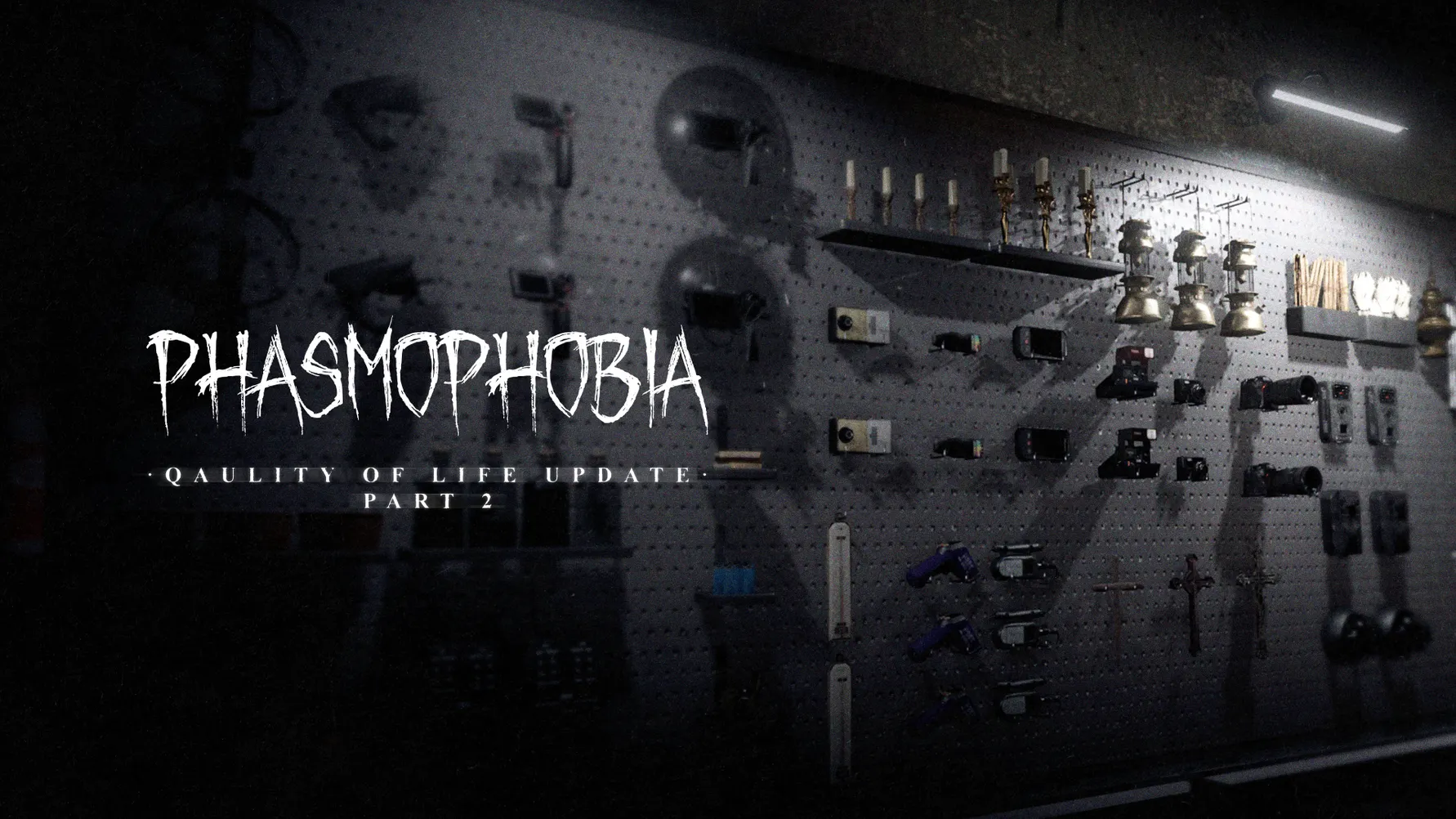
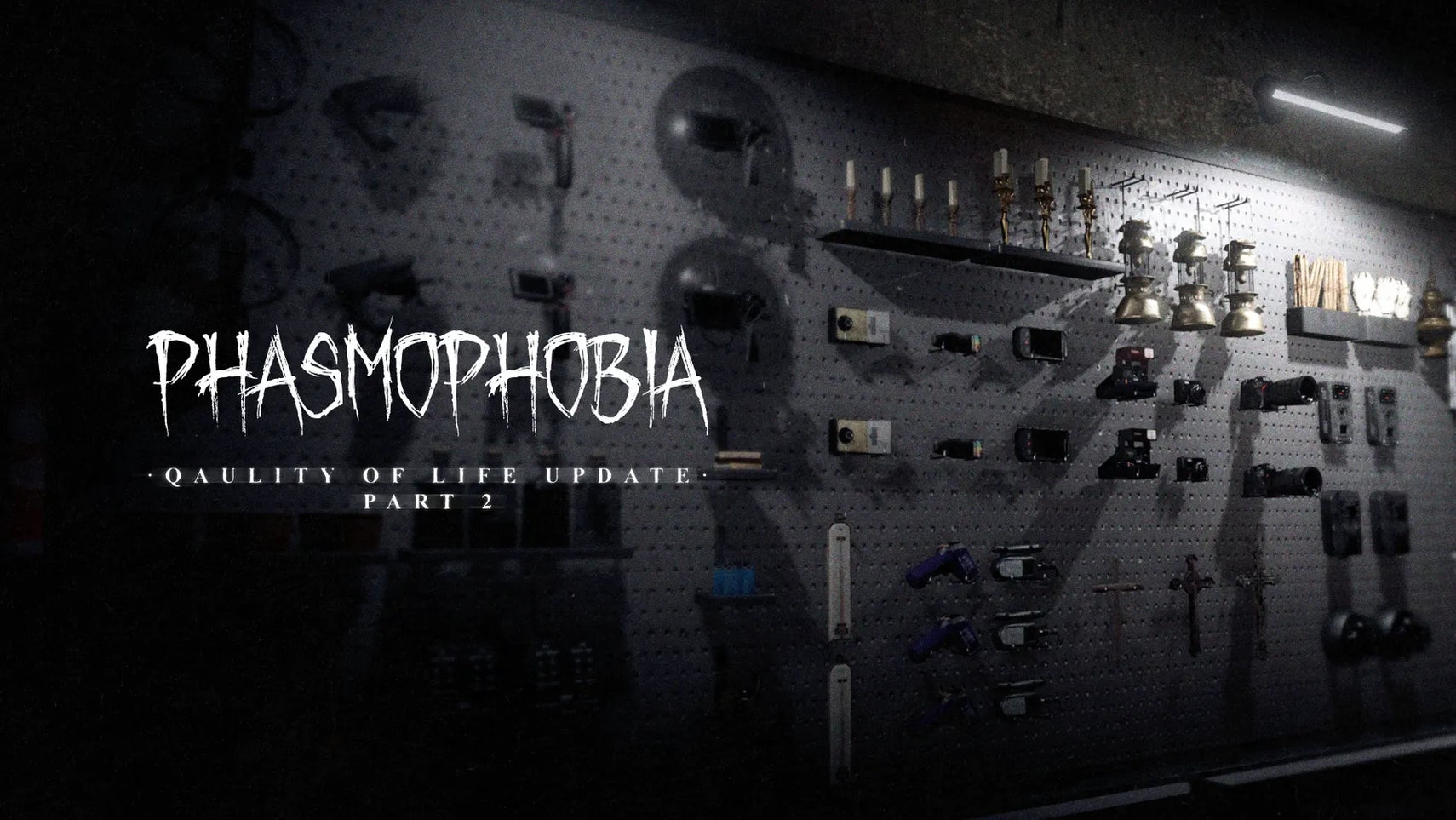
Kinetic Games has officially deployed the second installment of its comprehensive Quality of Life (QoL) update series for Phasmophobia, bringing a suite of significant gameplay refinements, technical optimizations, and atmospheric enhancements to the acclaimed psychological horror title. Currently live for players on PC and PlayStation 5—with an Xbox Series X/S release confirmed to follow shortly—the "Quality of Life Part 2" update represents a pivotal moment in the studio’s ongoing efforts to stabilize and polish the game following a turbulent period of development. This update builds upon the foundations laid by the Part 1 update released in July, which notably featured a complete overhaul of the 13 Willow Street map. The latest patch focuses on streamlining the investigative process, improving the accessibility of evidence, and addressing long-standing community feedback regarding map pacing and Virtual Reality (VR) stability.
Strategic Map Reworks: The Introduction of Restricted Variants
One of the most impactful additions in the Quality of Life Part 2 update is the introduction of "Restricted" versions for three of the game’s larger and more complex locations: Prison, Brownstone High School, and the recently added Point Hope. Traditionally, Phasmophobia’s larger maps have presented a unique challenge for smaller investigative teams, often leading to extended periods of downtime as players traversed vast hallways in search of the "ghost room." By implementing Restricted variants, Kinetic Games has effectively condensed these environments into small-to-medium-sized play spaces.
These restricted maps are not merely truncated versions of the originals; they are curated configurations designed to maintain the thematic essence of the location while ensuring the action remains focused. For example, the Restricted High School map might limit access to a single wing or floor, forcing more frequent encounters with the entity. This change addresses a long-standing community request for more variety in the "medium" map category, providing a bridge between the rapid-fire gameplay of small residential houses and the grueling endurance tests of the full-scale asylum or prison. This move is expected to increase the "runs-per-hour" for veteran players while making these atmospheric locations more approachable for newcomers who might otherwise feel overwhelmed by the original scale.
Streamlining the Hunt: UI and Evidence Integration
The core loop of Phasmophobia—identifying a ghost through three distinct pieces of evidence—has received a significant mechanical facelift. Prior to this update, players were required to manually navigate the in-game journal to log evidence, a process that often broke immersion or left players vulnerable during hunts. The Part 2 update introduces a more integrated approach to data collection. Evidence is now tracked through visual indicators directly on the investigative equipment.
Devices such as the Photo Camera, Video Camera, and Sound Recorder now feature faded overlays and yellow LED indicators that signify when a specific piece of evidence has been successfully logged. This "at-a-glance" system allows players to maintain their focus on the environment rather than the UI. Furthermore, Kinetic Games has implemented a synchronization feature for team-based investigations. Ghost types and evidence markers selected by one teammate will now automatically populate for the entire group. This eliminates the common frustration of "last-minute double-checking" in the van, ensuring that all players are aligned before making the final decision to leave the site. These changes represent a shift toward a more modern, diegetic user interface that prioritizes player presence within the haunted locales.
Technical Refinements and the VR Experience
For the Virtual Reality community, which has long been a dedicated segment of the Phasmophobia player base, the update brings a series of much-needed technical improvements. The character rig for VR players has been redesigned to be more responsive, utilizing advanced inverse kinematics to better track real-world body movements. This reduces the "floaty" sensation often associated with VR avatars and improves the accuracy of hand-to-object interactions.
In addition to the rig overhaul, Kinetic Games has addressed a litany of community-flagged bugs specific to VR headsets, including clipping issues and input latency. These optimizations are part of a broader effort to ensure that the VR experience remains a premier way to play the game, offering a level of immersion that traditional "flat" gaming cannot replicate. As the studio prepares for the eventual 1.0 release, maintaining parity between VR and non-VR platforms remains a high priority.
Atmospheric Mortality: Visual and Auditory Changes to Death
Death in Phasmophobia has been updated to be more visually and socially impactful. When a player is caught by a ghost, their character model now undergoes a subtle but eerie transformation: the skin takes on a pale, greyish hue, and the eyes become clouded and misty. This visual feedback serves as a clear indicator to surviving teammates that a player has been eliminated.
Perhaps more significantly, the update changes the way voice communication functions upon death. The moment a player is killed, their voice chat is immediately severed. This "sudden silence" adds a layer of tension for the survivors, who may only realize a teammate has fallen when their radio calls go unanswered. While deceased players can still interact with the world in a limited capacity (such as throwing objects), the loss of verbal communication reinforces the isolation and stakes of the investigation.
A Timeline of Development and the Road to 1.0
The release of the Quality of Life Part 2 update comes at a critical juncture for Kinetic Games. To understand the significance of this patch, it is necessary to look at the game’s recent development timeline:
- September 2020: Phasmophobia launches in Early Access on Steam, becoming a global phenomenon.
- August 2023: The "Progression" update (v0.9) introduces a total reset of player levels and a new tiered equipment system.
- Late 2023 – Early 2024: The studio faces setbacks, including a fire at their office and technical hurdles with the console port, leading to multiple delays.
- June 2024: The "Player Character Update" (PCU) is released, intended to modernize character models and animations. However, it receives a "rocky reception" due to technical glitches and aesthetic choices that many fans felt departed from the game’s gritty tone.
- July 2024: Kinetic Games issues a formal apology for the PCU, admitting they "missed the mark." Quality of Life Part 1 is released shortly after to begin the healing process.
- August 2024: The studio confirms that the official 1.0 launch has been delayed from 2024 to 2027.
The decision to push the 1.0 release to 2027 was a strategic choice to prioritize "quality over speed." By extending the development cycle, Kinetic Games aims to ensure that the final version of the game meets the high expectations of its millions of players. The current QoL updates are a direct result of this shift in philosophy, focusing on fixing the "small things" that contribute to a polished overall experience.

Official Responses and Community Impact
Kinetic Games has been remarkably transparent regarding the challenges they have faced over the past year. In recent patch notes and community addresses, the developers acknowledged the frustration felt by the player base. "We’ve read feedback from across the entire community. The frustration and disappointment has been clear," the team stated in a recent update. This level of candor has been instrumental in maintaining player trust.
Industry analysts suggest that the studio’s decision to delay the 1.0 release, while disappointing in the short term, is a healthy move for the long-term viability of the franchise. In an era where many "Live Service" or Early Access games suffer from feature creep and unpolished releases, Kinetic Games is taking a "back-to-basics" approach. By focusing on the core investigative mechanics and atmospheric horror, they are reinforcing the elements that made Phasmophobia a success in the first place.
Analysis of the Competitive Landscape
Phasmophobia remains the dominant force in the "ghost hunting" sub-genre, despite the emergence of competitors such as Demonologist, Ghost Watchers, and Forewarned. Its strength lies in its procedural unpredictability and the psychological tension created by its sound design and voice-recognition features. The Quality of Life Part 2 update strengthens this position by removing friction points—such as tedious menu navigation and oversized maps—that could lead players to seek out newer, more streamlined alternatives.
The inclusion of Restricted maps specifically targets the "speedrunning" and "casual" communities simultaneously. Speedrunners can now optimize their routes in tighter environments, while casual groups can enjoy a full investigation in a fraction of the time it previously took. This versatility is key to maintaining a high concurrent player count on Steam and expanding the audience on PlayStation and Xbox.
Looking Forward: The Future of Kinetic Games
As the studio moves toward the end of 2024, the focus will likely shift toward the long-awaited Xbox release and the implementation of the "Horror" update, which is expected to introduce new ghost behaviors and environmental scares. While the 2027 target for 1.0 seems distant, the roadmap provided by Kinetic Games suggests a steady stream of content updates designed to keep the game fresh.
The Quality of Life Part 2 update is more than just a collection of bug fixes; it is a statement of intent. It signals that Kinetic Games is listening to its audience and is willing to invest the time necessary to refine the Phasmophobia experience. For a game built on the fear of the unknown, the path forward for the developers is now becoming increasingly clear: a commitment to polish, community engagement, and the relentless pursuit of digital terror.