Galang Taruna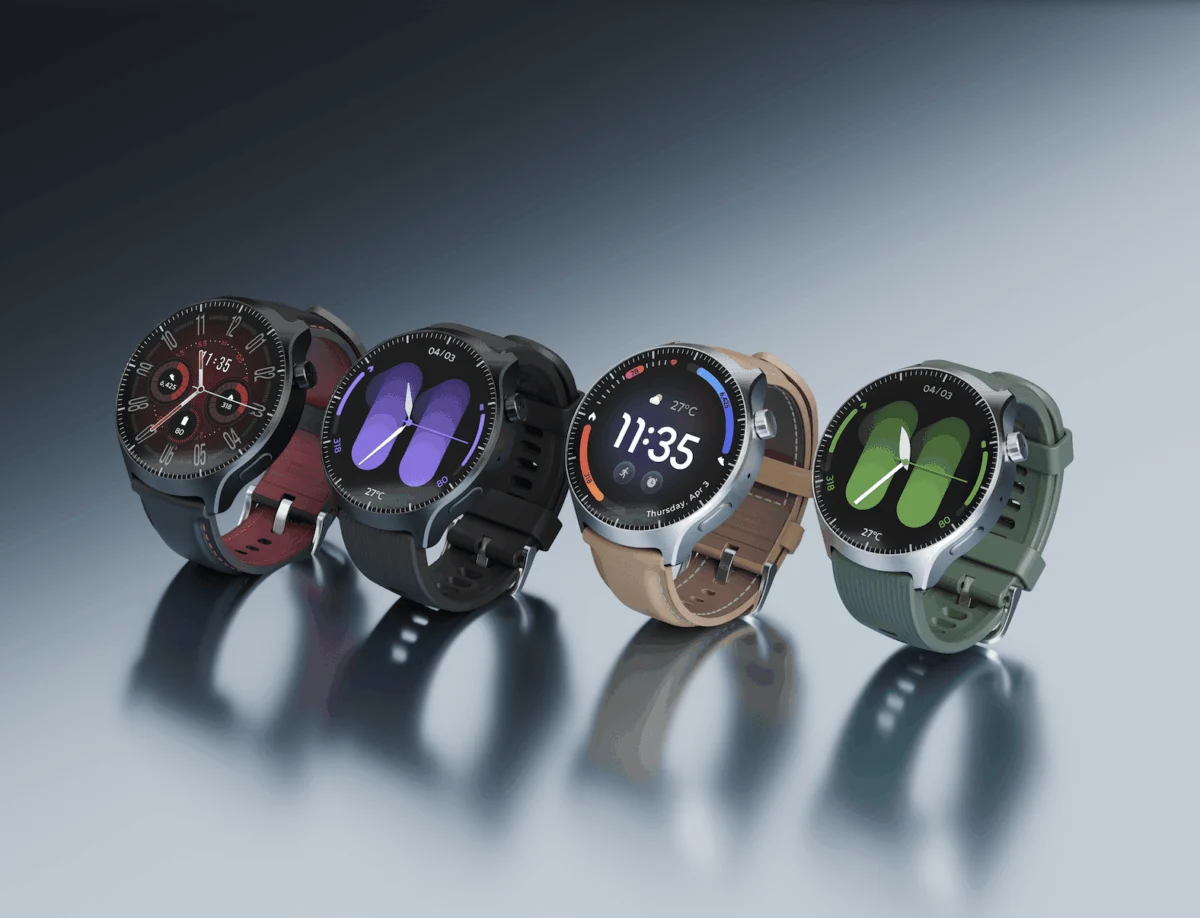
Motorola has officially unveiled the Moto Watch Ultra, signaling its most significant re-entry into the premium smartwatch market and a definitive return to the Google Wear OS ecosystem after an eight-year hiatus. Priced at €429 in Europe and $349.99 (excluding taxes) in the United States, this new flagship wearable distinguishes itself as Motorola’s first smartwatch since 2016 to run Wear OS and its inaugural model to feature eSIM technology, enabling standalone cellular connectivity. The launch of the Moto Watch Ultra is poised to reshape Motorola’s presence in the competitive smartwatch landscape, offering a compelling blend of design, advanced features, and a robust software experience, even as it navigates discussions around its chosen internal hardware.
A Decade in the Making: Motorola’s Smartwatch Journey
The history of Motorola in the smartwatch domain is marked by pioneering spirit, initial acclaim, and subsequent periods of retrenchment. It was in 2014 that Motorola made a profound impact with the original Moto 360. This device, lauded for its distinctive round display and elegant design – a stark contrast to the predominantly square smartwatches of its era – quickly became an aspirational product for many seeking an Android Wear (now Wear OS) experience. Despite a peculiar "flat tire" black bar at the bottom of its screen, which housed display drivers and ambient light sensors and drew some criticism, the Moto 360 captivated consumers with its premium aesthetic, including a genuine leather strap option, establishing itself as a benchmark for what a fashionable smartwatch could be. The device played a crucial role in popularizing Google’s nascent smartwatch platform, convincing many of the potential of wrist-worn computing.
However, Motorola’s commitment to the platform proved fleeting. By 2016, after a couple of iterations, the company announced its decision to step back from the Android Wear market, citing a lack of compelling innovation to justify frequent upgrades. This move left a void for many early adopters who had appreciated Motorola’s design philosophy. Following its departure, Motorola licensed its name to a Canadian company for a brief revival of the Moto 360 in 2019, which, while maintaining the iconic round design, did not achieve the same level of market impact or strategic commitment from Motorola itself. In the intervening years, Motorola largely focused on smartwatches running proprietary operating systems, often characterized by simpler functionalities like step counting and basic notifications, typically paired with a companion smartphone application. These models, while affordable, lacked the comprehensive app ecosystem and advanced capabilities offered by platforms like Wear OS.
Now, a full decade after the debut of the groundbreaking Moto 360 and eight years after its withdrawal, Motorola is making a decisive return to Google’s smartwatch platform with the Moto Watch Ultra. This re-engagement signifies a renewed strategic focus on the premium segment of the wearable market, acknowledging the maturity and expanded capabilities of Wear OS.
Detailed Specifications and Design Excellence
The Moto Watch Ultra presents itself in a robust and aesthetically pleasing package, designed to appeal to users seeking both style and substance. The device features a 46mm stainless steel casing, giving it a substantial and premium feel on the wrist. Measuring 12.1mm in thickness and weighing 51 grams, it strikes a balance between a commanding presence and comfortable wear.
Central to the user experience is its vibrant 1.5-inch pOLED display, boasting a sharp resolution of 466 x 466 pixels. A standout feature of this screen is its exceptional brightness, capable of reaching up to 2,700 nits. This puts the Moto Watch Ultra squarely in contention with the brightest displays on the market, ensuring superb readability even under direct sunlight – a critical advantage for outdoor enthusiasts and active users. For comparison, leading smartwatches like the Apple Watch Ultra 2 can reach 3,000 nits, while the Samsung Galaxy Watch 6 Classic peaks around 2,000 nits, placing Motorola’s offering very competitively in terms of display luminosity.
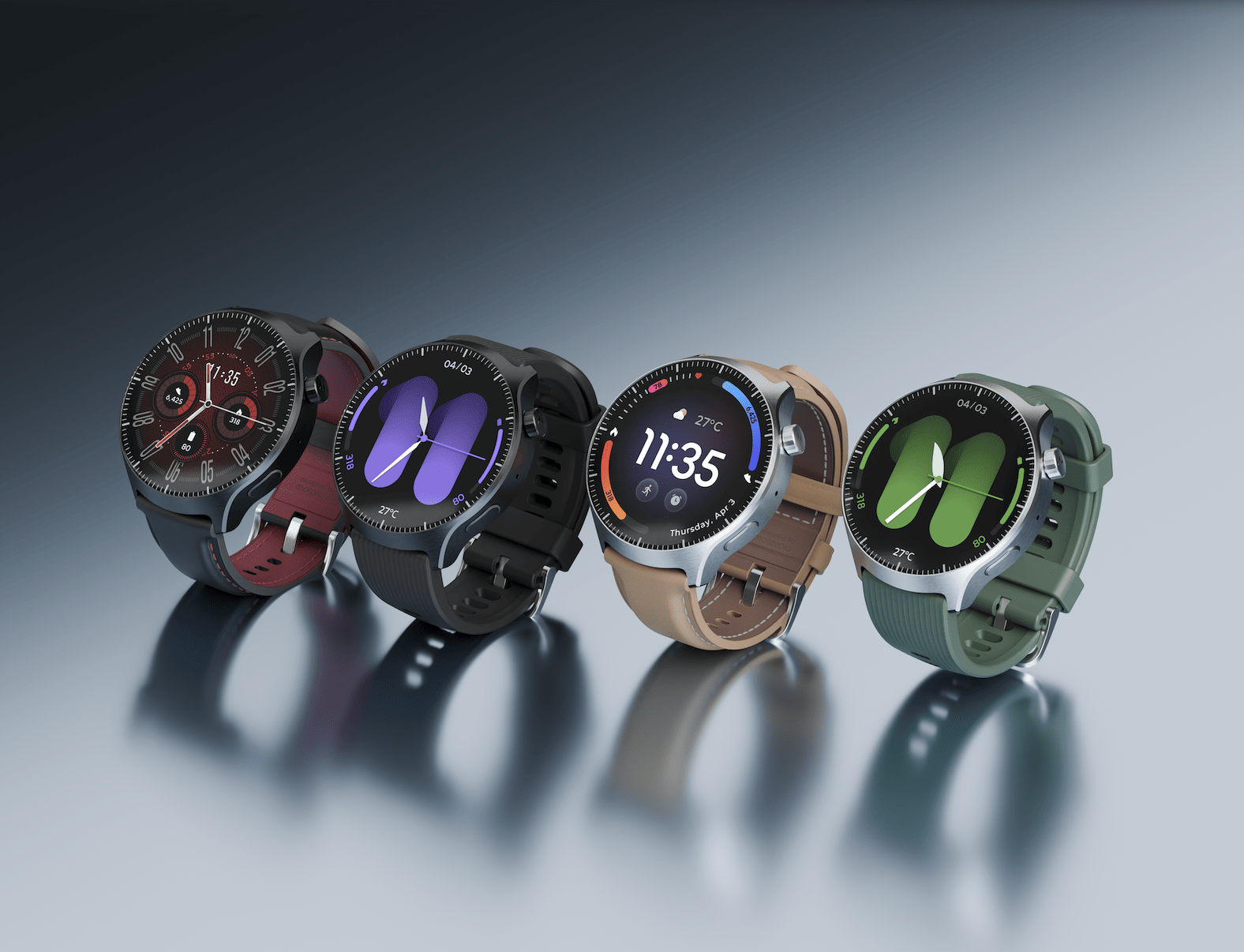
Internally, the Moto Watch Ultra is powered by the Qualcomm Snapdragon W5+ Gen 1 processor, an architecture that debuted in 2022. This is paired with a generous 2GB of RAM and 32GB of internal storage, providing ample space for applications, music, and data. The watch runs on Wear OS 6, Google’s latest iteration of its smartwatch operating system, promising a modern and responsive user interface.
A significant innovation for Motorola with this device is the inclusion of an eSIM with LTE connectivity. This feature allows the Moto Watch Ultra to operate independently of a paired smartphone for calls, messages, and data-driven applications, making it Motorola’s first smartwatch to offer true standalone cellular capabilities. This enhances user freedom, allowing individuals to leave their phone behind during workouts or short errands while remaining connected. Complementing its connectivity suite are dual-band GPS for precise location tracking, NFC for contactless payments via Google Wallet, and robust durability ratings. The watch is certified IP68 for dust and water resistance and boasts a 5 ATM rating, making it suitable for swimming and shallow water activities.
Health, Wellness, and Smart Assistant Integration
Motorola has partnered with Polar, a renowned leader in sports wearables and heart rate monitoring, to integrate advanced health and fitness tracking capabilities into the Moto Watch Ultra. This collaboration brings a suite of sophisticated features previously seen in dedicated fitness devices, enhancing the watch’s appeal to health-conscious users. Key Polar features include Nightly Recharge, which measures recovery from daily strain based on sleep and autonomic nervous system data; Sleep Plus Stages, offering detailed analysis of sleep cycles and quality; and an integrated running coach, providing personalized guidance and training programs. These features leverage Polar’s extensive expertise in physiological measurement and exercise science, offering actionable insights for users to optimize their training and recovery.
In a nod to the growing importance of artificial intelligence in personal devices, the Moto Watch Ultra incorporates two distinct AI assistants: Google’s Gemini and Qira, the proprietary AI developed by Lenovo and Motorola. This dual-assistant approach offers users flexibility and potentially tailored experiences, with Gemini providing access to Google’s vast information base and smart home integration, while Qira could offer more device-specific or ecosystem-focused functionalities. The integration of these intelligent assistants aims to streamline daily tasks, provide proactive information, and enhance overall user interaction with the watch.
Power and Endurance: Battery Life and Charging
The Moto Watch Ultra is equipped with a substantial 550 mAh battery, which Motorola claims can deliver up to two days of usage under typical conditions, assuming the always-on display (AOD) feature is not continuously active. While this battery life is a notable improvement over some Wear OS competitors that often require daily charging, it still places the device firmly in the category of smartwatches that necessitate regular recharging, a common trade-off for full-featured smart operating systems.
To mitigate potential battery anxiety, Motorola has integrated rapid charging capabilities. The device can achieve a full day’s power (24 hours) with just 15 minutes of charging, provided it is paired with a compatible 30W charger. However, it is important to note that this 30W charger is sold separately, a practice that has become increasingly common across the consumer electronics industry but adds to the overall cost of ownership.
Strategic Positioning and Market Context
The launch of the Moto Watch Ultra marks a significant strategic pivot for Motorola. The company’s earlier foray into the contemporary smartwatch market with the Moto Watch (released in January at €99.99) utilized a proprietary operating system, which, while offering an impressive 13-day battery life, lacked an application store and the rich functionalities of a full-fledged smart OS. The Ultra, by contrast, embraces the comprehensive ecosystem of Wear OS, granting access to the Google Play Store, Google Maps, Google Wallet, and 4G connectivity. This transition underscores Motorola’s decision to prioritize extensive functionality and connectivity over prolonged battery endurance, aligning itself with the current expectations for premium smartwatches.

However, Motorola’s choice of the Snapdragon W5+ Gen 1 processor, while robust, introduces a point of discussion regarding its competitive positioning. This chip, released in 2022, is now a generation behind Google’s own Pixel Watch lineup, which adopted the W5 Gen 2 in 2025 (as per the article’s given timeline, implying a future launch or a typo in the original article’s year). Furthermore, Samsung, a dominant player in the Android smartwatch space, manufactures its own advanced Exynos W1000 chip using a 3nm process, offering cutting-edge performance and efficiency. While the W5+ Gen 1 remains a capable processor, its slightly older architecture might raise questions about future-proofing and long-term performance compared to its newest rivals. Motorola has committed to providing two major Wear OS updates, which is a reasonable but not exceptionally generous support period, especially when compared to some smartphone manufacturers’ commitments.
The nomenclature "Ultra" also invites scrutiny. In the context of the broader smartwatch market, particularly from competitors like Apple and Samsung, the "Ultra" designation typically signifies top-tier devices incorporating premium materials like titanium, advanced outdoor features such as depth gauges, and often commanding price points upwards of €700. The Moto Watch Ultra, while premium, features a stainless steel casing in a single size and does not explicitly advertise extreme outdoor functionalities beyond its robust water resistance. This positioning suggests that Motorola’s "Ultra" might denote a comprehensive feature set and high-end design within its own portfolio, rather than aligning directly with the rugged, extreme-sport focus of other "Ultra" branded devices. It is, by all accounts, a well-equipped, classic smartwatch offered at a competitive price for its segment.
Pricing and Availability
The Moto Watch Ultra is priced at €429 in Europe, positioning it as a mid-to-high-range premium smartwatch. In the United States, it will retail for $349.99 before taxes. The device is slated for release in the U.S. on September 10. For the European market, Motorola has indicated availability in the "next few weeks," though a specific launch date for France and other European countries has not yet been announced. This staggered rollout is common in the consumer electronics industry, allowing for market-specific adjustments and logistics.
Motorola’s Broader Strategy and Competitive Landscape
The introduction of the Moto Watch Ultra reflects a broader strategic play by Motorola, aligning with its recent efforts to re-establish itself in the premium segment of the smartphone market, exemplified by its Razr foldable phones and Edge series. By offering a high-end smartwatch, Motorola aims to create a more integrated ecosystem for its users and to capture a share of the lucrative premium wearable market.
The competitive landscape for Wear OS smartwatches is intensifying. Google’s Pixel Watch series, Samsung’s Galaxy Watch lineup, and offerings from brands like Mobvoi (TicWatch) present formidable challenges. Motorola’s strategy with the Ultra appears to be centered on a combination of strong design, comprehensive features (especially eSIM connectivity), and the proven health tracking capabilities brought by the Polar partnership. The success of the Moto Watch Ultra will depend on its ability to carve out a distinct identity amidst these strong competitors, appealing to users who value a classic aesthetic, robust connectivity, and a full-featured Wear OS experience.
In conclusion, the Moto Watch Ultra represents a pivotal moment for Motorola’s wearable strategy. It is a bold statement of intent, marking a return to the forefront of the smartwatch industry with a device that blends historical design sensibilities with modern technological advancements. While questions linger regarding its processor choice and the "Ultra" branding, its comprehensive feature set, premium build, and commitment to the Wear OS ecosystem position it as a significant contender in the evolving landscape of smart wearables.