Vera Intan Clara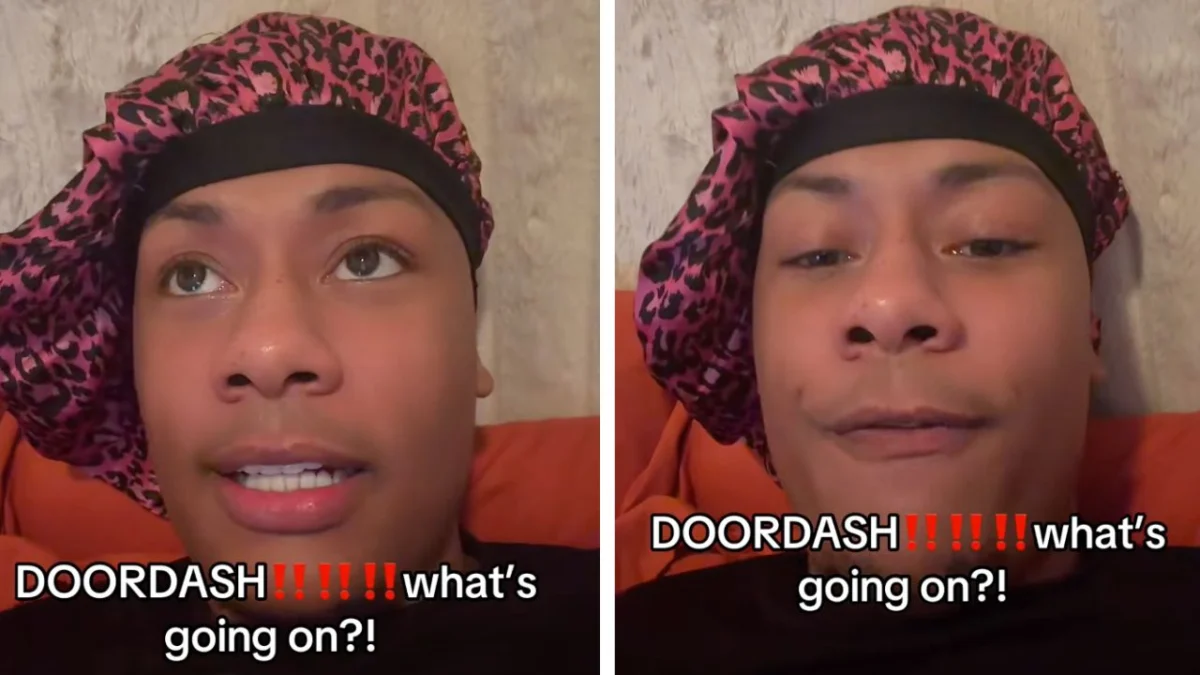
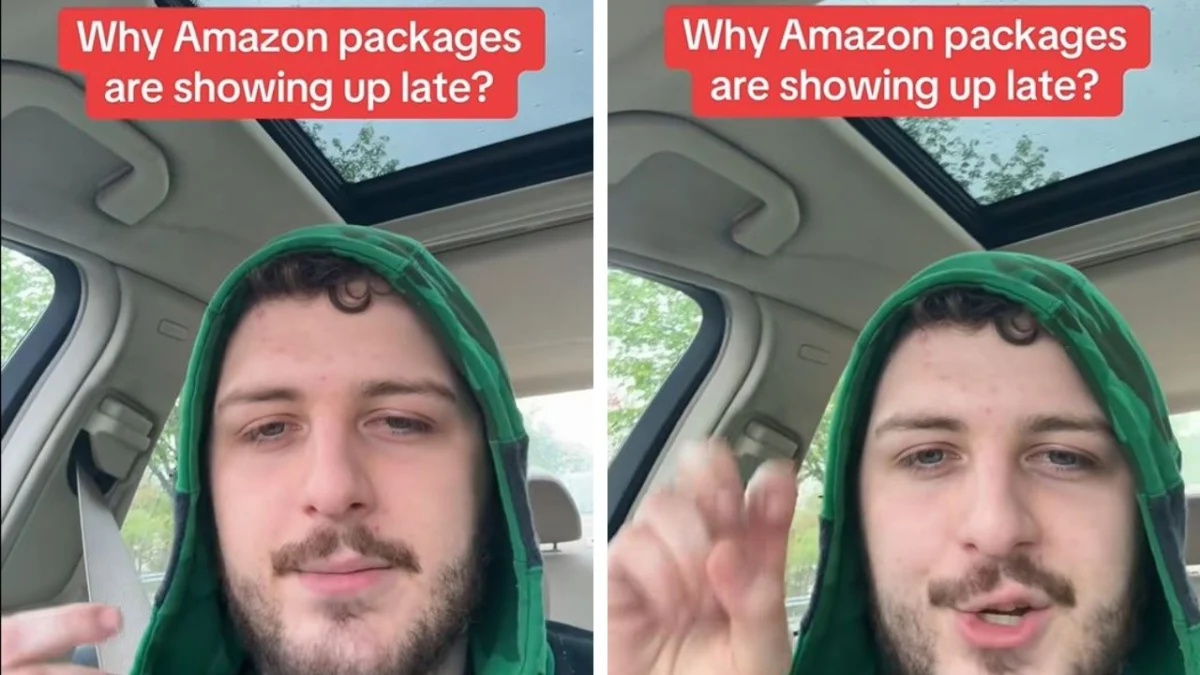
The digital landscape of food delivery, once hailed as a beacon of convenience, has increasingly become a battleground for customer satisfaction, driver accountability, and platform responsibility. A recent viral incident, meticulously documented by TikTok user @mariotothetop, has reignited these critical discussions, detailing a harrowing experience where his DoorDash food order allegedly failed to be delivered twice, followed by a protracted and ultimately unsuccessful attempt to secure a full refund. The user, identified as Mario, articulated his profound frustration in a series of video clips, asserting that the delivery application not only denied his legitimate refund request but also subjected him to hours of anxious waiting and perplexing interactions. His public outcry, characterized by raw anger and exasperation, has resonated deeply with a broad audience, drawing attention to systemic vulnerabilities within the gig economy’s operational framework.
A Chronology of Frustration: Two Failed Deliveries and a Denied Refund
Mario’s ordeal began with what should have been a routine online food order, placed through the DoorDash platform. Seeking prompt service, he opted for express delivery and included a generous tip, anticipating a seamless transaction. According to his account, the initial order was placed approximately two hours before the first recorded incident.
The first attempt at delivery quickly devolved into confusion. Mario recounted that his first assigned Dasher, the independent contractor responsible for picking up and delivering the order, successfully reached the restaurant. However, while reportedly waiting in line to collect the food, this Dasher abruptly canceled the order. Immediately following this cancellation, the DoorDash application automatically initiated a search for a new Dasher to fulfill the original request.
A second Dasher was subsequently assigned. This new contractor proceeded to the restaurant to pick up Mario’s order. It was at this juncture that the delivery process encountered its first major hurdle. The second Dasher communicated with Mario, informing him that the restaurant staff had stated the previous Dasher had already collected the order. This revelation led Mario to conclude, with understandable suspicion, that the first Dasher had illicitly taken his food, canceled the order to avoid formal completion, and left the responsibility for a non-existent order to the subsequent Dasher. This alleged act of "food theft" by a driver is a recognized, albeit infrequent, challenge within the food delivery ecosystem, contributing to significant customer dissatisfaction and financial losses for both customers and platforms.
Following this revelation, Mario contacted DoorDash support. His primary objective was to reclaim the funds spent on the initial order. DoorDash’s initial response, as reported by Mario, was to credit the money back to his account and instruct him to place the order again. This resolution, while partially addressing the financial aspect, necessitated an additional waiting period and the inconvenience of re-entering his order details.
Undeterred by the previous setback, Mario placed his order for a second time. A new Dasher was assigned, who successfully picked up the food from the restaurant. The delivery process appeared to be progressing smoothly until the Dasher approached Mario’s apartment complex. Mario stated that he was already waiting outside, attempting to guide the Dasher to his specific location within the building. Despite his clear instructions, "Hey, pull out and make a left, I am on this side of the building," the Dasher reportedly made a right turn instead, followed by another left, ultimately driving "all the way down the street." This navigational error placed the Dasher approximately five minutes away from Mario’s apartment, adding further delay and frustration to an already exasperating situation.
After a series of text exchanges aimed at rectifying the navigational mishap, the Dasher eventually canceled the order. Adding insult to injury, Mario then received an "Order complete" notification on his DoorDash app, despite the food never having been delivered. This discrepancy—a cancellation followed by a "completion" status—raised immediate red flags, suggesting a deliberate misrepresentation of the delivery outcome.
In the wake of this second failed delivery, Mario once again contacted DoorDash customer service, explaining the contradictory information regarding the order status. His initial financial outlay for this order was nearly $30. To his dismay, DoorDash only refunded him $6. When he challenged this partial refund, he was informed, "There is nothing we could do about this. We’re gonna have to escalate this to our review team." Approximately 20 minutes later, Mario received an email confirming the completion of the review, which stated, "Hey, we have completed our review, and unfortunately we are going to deny your refund request." This final decision, denying a full refund for an order that was demonstrably not received, fueled Mario’s public outburst, prompting him to question the platform’s policies and accountability.
The Broader Landscape: Gig Economy Challenges and Consumer Protection
Mario’s experience, while unique in its specific details, highlights pervasive challenges within the burgeoning gig economy, particularly concerning food delivery services. Platforms like DoorDash, Uber Eats, and Grubhub operate on a model that leverages independent contractors, or "Dashers," to facilitate deliveries. This model offers flexibility for drivers and convenience for customers but also introduces complexities regarding oversight, accountability, and liability.
Background Context: The Rise of Food Delivery and its Operational Hurdles
The past decade has seen an explosive growth in the food delivery sector, driven by technological advancements, changing consumer habits, and, more recently, the impact of global pandemics. DoorDash, founded in 2013, has emerged as a dominant player, connecting millions of customers with local restaurants through its extensive network of Dashers. The platform’s success is predicated on efficiency, reliability, and a seamless user experience. However, the very nature of an on-demand, distributed workforce presents inherent operational hurdles.
Issues such as driver misconduct, logistical errors, and discrepancies in customer service responses are not uncommon. For instance, reports of drivers consuming customer orders, as alleged in Mario’s first incident, occasionally surface, eroding consumer trust. Similarly, navigational challenges and communication breakdowns, evident in Mario’s second delivery attempt, are frequent pain points that can lead to failed deliveries and disputes. The "Order complete" notification for an undelivered order points to potential system vulnerabilities or intentional misuse of the app’s functionalities by drivers.
Supporting Data and Industry Insights
While specific data on the exact frequency of "food theft" or fraudulent "order complete" markings is not publicly released by delivery platforms, consumer complaint statistics and industry surveys offer insights into the prevalence of delivery issues. A significant percentage of customer service inquiries for food delivery apps revolve around late deliveries, incorrect orders, or missing items. These incidents, while varied, collectively contribute to customer dissatisfaction.
According to various market analyses, DoorDash holds a substantial share of the U.S. food delivery market, indicating a vast number of daily transactions and, consequently, a higher potential for operational incidents. The sheer volume of orders processed daily makes it challenging for platforms to meticulously oversee every single delivery. This scale necessitates robust automated systems for dispute resolution, yet these systems can sometimes fall short in addressing nuanced or complex cases like Mario’s.
The practice of tipping, common in the U.S. service industry, is often perceived by customers as a motivator for better service. However, as one TikTok commenter noted, "This is proof tipping doesn’t matter," reflecting a sentiment that even generous tips do not guarantee flawless service or deter misconduct. Similarly, "express delivery" options, which come at an additional cost, promise faster service but are not immune to the logistical and human errors that can plague standard deliveries, leading to the public’s perception of them being ineffective.
Inferred Statements and Stakeholder Perspectives
-
DoorDash’s Official Stance (Inferred): While DoorDash has not issued a specific statement regarding Mario’s viral video, the company’s general policies emphasize a commitment to customer satisfaction, driver accountability, and robust dispute resolution. They typically state that they investigate all claims of fraud or misconduct by Dashers. Their terms of service outline procedures for refunds, which often involve a review process to determine eligibility. The denial of a refund, particularly after a review, suggests that from the platform’s perspective, either insufficient evidence was presented to corroborate Mario’s claims fully, or the incidents were categorized in a way that did not trigger a full reimbursement under their existing policy. DoorDash’s challenge lies in balancing customer trust with protecting itself from potential fraudulent claims by customers.
-
Dasher Perspective (General): From the perspective of many independent contractors, the gig economy offers flexibility but often comes with challenges like low base pay, reliance on tips, and the pressure of maintaining high ratings. While driver misconduct is unequivocally wrong, some drivers might face pressures that could, in extreme cases, lead to unethical behavior. Navigational errors can also stem from unreliable GPS, unclear customer instructions, or unfamiliarity with specific areas, though the alleged "order complete" fraud indicates a more deliberate act.
-
Restaurant Perspective: Restaurants rely on these platforms for increased sales but are often caught in the middle of disputes. Their role is primarily to prepare and hand over the correct order. Confirming pick-ups, especially when multiple Dashers are involved for a single order, can be challenging without stringent verification protocols.
Analysis of Implications: Erosion of Trust and Call for Accountability
Mario’s experience, amplified by social media, has several significant implications:
-
Erosion of Customer Trust: Incidents like these chip away at consumer confidence in food delivery platforms. When customers feel their money is at risk and their complaints are not adequately addressed, they may reduce their use of such services or seek alternatives. The perception of being "played" or defrauded without recourse is a powerful deterrent.
-
Driver Accountability: The gig economy model raises questions about the extent of platform responsibility for the actions of its independent contractors. While platforms often disclaim employer-employee relationships, they are the primary interface for customers and drivers, and thus, bear the brunt of public perception regarding service quality and ethical conduct. Stricter vetting, clearer disciplinary actions for proven misconduct, and improved real-time monitoring could be areas for enhancement.
-
Refund Policies and Dispute Resolution: The disparity between Mario’s $30 loss and the $6 refund, followed by a full denial, underscores potential rigidities or perceived unfairness in current refund policies. There is a clear need for transparent, equitable, and empathetic dispute resolution processes that genuinely address customer grievances, especially in cases where food is never received. The "review team" process, while intended to be objective, can sometimes feel opaque and dismissive to the affected customer.
-
Technological Solutions and Verification: The incident highlights the need for advanced technological solutions to prevent and verify such issues. This could include mandatory photo verification of delivery at the customer’s door, more precise geo-fencing to confirm actual delivery location, and enhanced tracking capabilities to monitor driver routes and interactions. Improved communication tools between customers, Dashers, and support could also mitigate misunderstandings.
-
Social Media’s Role as a Catalyst: Social media platforms like TikTok have become powerful arenas for consumer advocacy. Individual grievances, when shared widely, can quickly become public relations crises for companies, forcing them to address issues they might otherwise handle privately. This phenomenon underscores the increasing power of the individual consumer in shaping corporate reputation and policy.
Public Reaction and Calls for Collective Action
The comments section of Mario’s TikTok video quickly filled with similar sentiments, reflecting a broader public frustration. Beyond the "tipping doesn’t matter" and "never pay express" remarks, one user’s comment, "i swear DoorDash and ubers [sic] eats needs a class action lawsuit," suggests a growing appetite for collective legal action against these platforms. This sentiment often arises when individual consumers feel powerless against large corporations and perceive systemic failures in service or recourse. Such calls for class-action lawsuits indicate a desire for platforms to be held to a higher standard of accountability for the services they facilitate and the protections they offer their users.
Conclusion
Mario’s double DoorDash delivery debacle serves as a stark reminder of the complexities and vulnerabilities inherent in the modern gig economy. While the convenience of food delivery apps is undeniable, this incident brings to the forefront critical questions about driver accountability, platform liability, and the fairness of dispute resolution mechanisms. As these platforms continue to expand their reach and services, ensuring robust consumer protection, transparent operational policies, and effective recourse for service failures will be paramount to maintaining public trust and sustaining long-term growth. The ongoing dialogue sparked by individual stories like Mario’s will undoubtedly continue to shape the evolution of the food delivery industry, pushing for greater accountability and a more reliable experience for all users.
The Daily Dot was unable to independently verify the events described in this video, including the identities of the Dashers involved or the outcome of Mario’s refund dispute. The details above reflect the account shared on TikTok by @mariotothetop and broader industry context.