Galang Taruna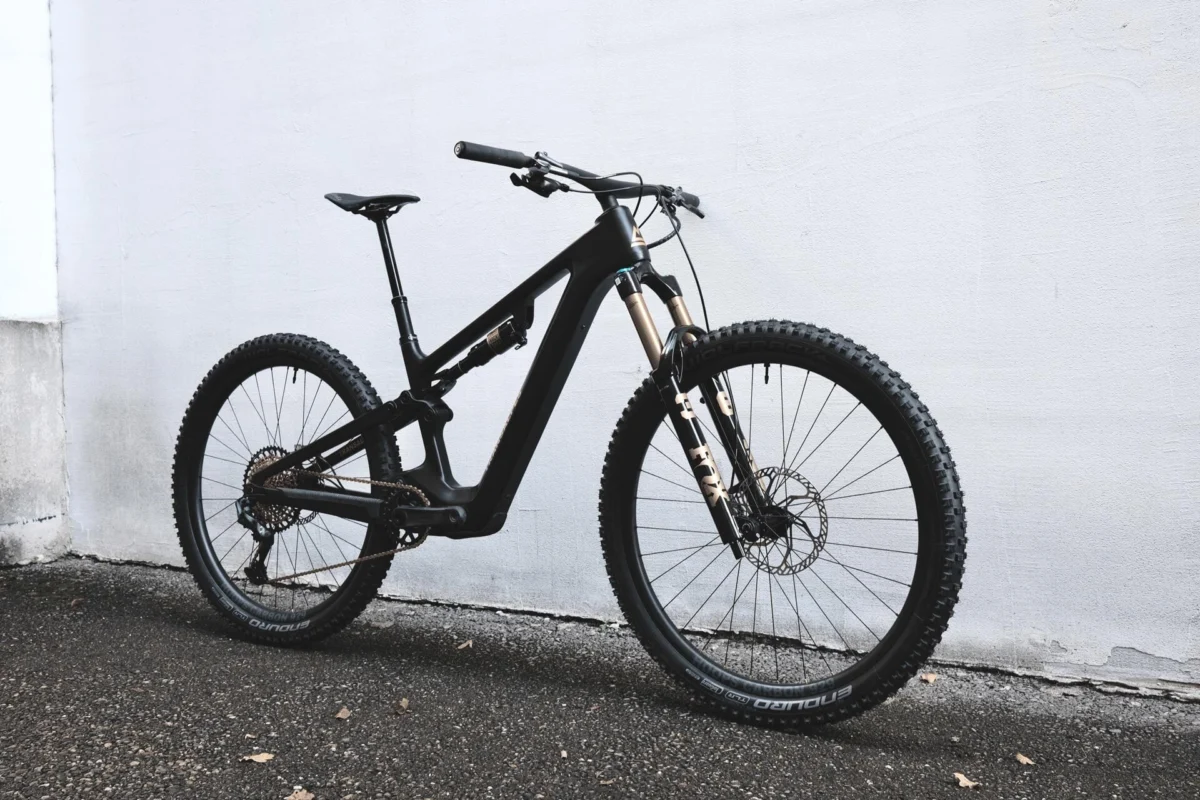
The past week has seen a convergence of significant developments across the electric mobility and energy sectors, painting a complex picture of challenges and strategic responses. From the struggles of key players in the electric bicycle industry and a senator’s stark, though sometimes imprecise, warning regarding China’s automotive ascendancy, to Decathlon’s innovative stride in anti-theft technology and France’s proactive measures to simulate a national power grid failure, the landscape of technology, commerce, and national security is in constant flux. These events underscore critical trends, from market corrections in burgeoning industries to heightened awareness of geopolitical competition and infrastructure vulnerabilities.
The Electric Bicycle Market in Turmoil: A Post-Pandemic Correction
The electric bicycle sector, once hailed as a burgeoning market poised for continuous growth, is currently navigating a period of considerable turbulence. Two major European players have recently announced significant financial difficulties, reflecting a broader market correction following the unprecedented demand surge during the COVID-19 pandemic. This downturn highlights the fragility of niche markets and the complex interplay of supply chain dynamics, consumer spending habits, and strategic investment.
Swiss High-End E-Bike Maker Transalpes Ceases Operations After 24 Years
In a significant blow to the premium segment of the electric mountain bike (e-MTB) market, Transalpes Bike Manufaktur, a distinguished Swiss manufacturer, has announced the definitive cessation of its operations. Established in 2002, Transalpes had built a reputation for crafting high-end, lightweight e-MTBs, often featuring advanced Maxon motors and commanding prices exceeding 12,000 Swiss francs. The company’s closure, after 24 years of existence, is primarily attributed to the failure of an internal succession plan, which aimed to facilitate a management buyout by existing executives.
The situation was further complicated by a judicial intervention, with the Cantonal Court of Zug reportedly prohibiting the general manager from disseminating the communiqué announcing the failure of the succession plan. This legal entanglement underscores the complexities inherent in transferring ownership and leadership within specialized manufacturing enterprises. Transalpes’ models were particularly noted for being among the lightest on the market, appealing to a discerning clientele of cycling enthusiasts and professional riders. The company is now actively seeking a potential buyer, hoping to preserve its legacy and technological innovations.
The demise of Transalpes is not an isolated incident but rather symptomatic of the broader challenges facing the e-bike industry. Following a period of exponential growth fueled by pandemic-induced shifts in commuting and leisure habits, the market has experienced a sharp slowdown. Overstocking, supply chain disruptions, and a tightening of consumer discretionary spending due to inflationary pressures and rising interest rates have created a challenging environment, particularly for smaller, high-cost manufacturers. The case of Transalpes illustrates how even established brands with a strong niche and product quality can succumb to market forces when strategic transitions falter amidst a challenging economic climate.
European E-Bike Giant Accell Group Declared Bankrupt, Retailers Face Harsh Terms
Further deepening the woes of the European cycling industry, Accell Group, the continent’s largest bicycle manufacturer and parent company to renowned brands such as Lapierre, Babboe, Batavus, and Raleigh, has been declared bankrupt by the Amsterdam District Court. This development sends shockwaves through the industry, affecting a vast network of retailers and consumers across Europe.
Accell Group’s trajectory has been particularly illustrative of the market’s volatility. Acquired by the private equity fund KKR in 2022, at what was perceived to be the peak of the post-COVID cycling boom, the company subsequently found itself strangled by massive unsold inventories and a crushing debt load. The initial investment strategy, predicated on continued robust growth, appears to have misjudged the market’s subsequent contraction. Private equity firms often employ leveraged buyouts, relying on optimistic growth projections to service debt, a strategy that becomes precarious when market conditions deteriorate unexpectedly.
In the wake of the bankruptcy declaration, Accell Nederland has communicated with its network of resellers, announcing a resumption of deliveries but under exceptionally strict conditions. These new terms effectively annul all previous agreements, forcing retailers to accept bicycles "as is," implying a transfer of risk regarding potential defects or warranty issues to the reseller. Furthermore, payment must be made within a stringent thirty-day window, putting additional financial strain on already struggling independent bike shops. These conditions reflect the urgent need for Accell’s administrators to liquidate assets and recover value, but they place a significant burden on the retail ecosystem, potentially leading to further consolidation or closures among smaller businesses.
Amidst this turmoil, an Irish investment fund, Quanta Capital, has emerged as a potential white knight, reportedly preparing an offer for the entirety of the Accell Group. The outcome of this potential acquisition will be critical for the future of numerous iconic European bicycle brands and for the thousands of jobs dependent on Accell’s operations. The situation at Accell Group serves as a stark reminder of the challenges inherent in rapidly scaling an industry, the perils of over-optimistic projections, and the ripple effects of financial distress across an entire supply chain. The combined struggles of Transalpes and Accell Group highlight a necessary but painful market correction in the electric bicycle industry, signaling a potential era of consolidation and strategic re-evaluation for manufacturers and retailers alike.
Geopolitical Tensions and Automotive Supremacy: A Senator’s Warning
The global automotive industry is undergoing a monumental transformation, driven by the shift towards electric vehicles (EVs). This transition has become a battleground for technological leadership and industrial sovereignty, with China emerging as a formidable contender. A recent visit by a French senator to Chinese manufacturing facilities has ignited a debate about Europe’s position in this evolving landscape.
French Senator Sounds Alarm on Chinese EV Dominance, Data Scrutinized
Senator Alain Cadec, a member of the Les Républicains (LR) party and author of a parliamentary report on the automotive sector, recently returned from a fact-finding mission to China with a dramatic pronouncement: "I came back terrified." His stark assessment highlighted what he perceives as China’s staggering "15 years of advance" over Europe in the electric vehicle industry. Beyond technological superiority, Senator Cadec also voiced concerns regarding the potential for remote deactivation of Chinese-made vehicles, raising questions about data security and national sovereignty in an increasingly connected automotive world.
However, the senator’s dramatic claims have been met with scrutiny, particularly concerning the supporting data he presented. Cadec asserted that France trains only 1,000 engineers annually compared to China’s 10,000. This comparison, intended to underscore a severe talent gap, proved to be significantly inaccurate. Official statistics indicate a much larger scale of engineering education in both nations: France, in reality, produces between 46,000 and 49,000 engineering graduates each year. China, with its vast population and strategic focus on STEM fields, produces an even more astonishing number, ranging from 1.2 million to 4 million engineering graduates annually, depending on the scope of what is defined as an "engineer" across different reporting methodologies. The true disparity, while still substantial, is far greater than the senator’s initial figures suggested, yet his core message about China’s formidable human capital investment remains pertinent.
The context for Senator Cadec’s alarm is rooted in China’s deliberate and aggressive strategy to dominate the electric vehicle market. Through massive state subsidies, extensive investment in research and development, and the cultivation of a vast domestic supply chain for batteries and critical minerals, Chinese manufacturers have rapidly scaled production and innovation. Brands like BYD, Nio, and XPeng have not only captured a significant share of their domestic market but are increasingly making inroads into international markets, offering technologically advanced EVs at competitive price points. This rapid ascent poses a direct challenge to established European automakers, who face immense pressure to accelerate their own EV transitions while navigating stringent environmental regulations and maintaining competitiveness.
The concern over "remote deactivation" of vehicles touches upon deeper issues of cybersecurity and geopolitical trust. Modern EVs are essentially rolling computers, integrated with sophisticated software and connected to cloud services. While the direct deactivation of a vehicle by a foreign government presents a severe and currently unproven threat, the broader implications of data collection, potential vulnerabilities to cyberattacks, and the reliance on foreign-controlled technologies are valid points of discussion. European policymakers are increasingly grappling with how to balance trade and technological collaboration with national security interests, especially in critical sectors like automotive. Senator Cadec’s report, despite its statistical inaccuracies, serves as a wake-up call, emphasizing the urgent need for Europe to strengthen its industrial policy, invest in talent development, and protect its strategic interests in the face of intense global competition for the future of mobility.
Innovations in Urban Mobility Security: Decathlon’s New Anti-Theft Benchmark
As electric bicycles and scooters become increasingly prevalent, the issue of urban mobility security has grown in importance. High-value e-bikes, in particular, are attractive targets for thieves, prompting a demand for more robust anti-theft solutions. Sporting goods giant Decathlon has responded to this need with a significant new product.
Decathlon Unveils High-Security Anti-Theft Lock to Combat Rising Bike Theft
Decathlon, through its cycling brand Btwin, has introduced its most formidable anti-theft device to date: the Btwin D1200L U-lock. This new product marks Decathlon’s first foray into the high-resistance anti-theft market, signaling a serious commitment to addressing the growing problem of bike theft, particularly for increasingly expensive electric models. Priced at 159.99 euros, the D1200L positions itself as a disruptive force, aiming to offer premium security at a significantly more accessible price point than established market leaders.
The D1200L has achieved impressive security ratings, earning a perfect 10/10 in Decathlon’s internal laboratory tests. More critically, it has secured multiple prestigious independent certifications, including ART4, Sold Secure Diamond, and SRA. These certifications are benchmarks of anti-theft performance:
- ART4: A Dutch standard primarily used for motorcycles and scooters, indicating an exceptionally high level of resistance.
- Sold Secure Diamond: The highest rating from the UK’s Sold Secure, signifying resistance against professional tools and prolonged attacks.
- SRA: A French standard, also typically associated with motorcycle security, confirming robust protection against various forms of assault.
Achieving all three of these certifications places the D1200L in an elite category of anti-theft devices.
The key to the D1200L’s superior resistance lies in its construction. It features a square shackle, 16 mm in diameter, crafted from a specialized cemented alloy of Chrome, Manganese, and Titanium. This robust core is then coated with an additional 5 mm layer of silicon carbide, a ceramic material known for its extreme hardness and abrasive resistance. This multi-layered material engineering is specifically designed to withstand prolonged attacks from angle grinders, a tool increasingly favored by professional bike thieves due to its speed and cutting power. Decathlon claims this construction allows the lock to resist an angle grinder for "many minutes," a crucial deterrent in real-world scenarios where time is of the essence for thieves.
At its price point of 159.99 euros, the Btwin D1200L is approximately 45% cheaper than comparable high-security U-locks from industry titans such as the Kryptonite New York Lock and the Abus Granit Super Extreme 2500. This aggressive pricing strategy positions Decathlon to capture a significant share of the premium anti-theft market, offering consumers a high-performance solution without the prohibitive cost often associated with top-tier security. The introduction of such a product by a mass-market retailer like Decathlon could have a substantial impact on the overall market for bike security, potentially driving down prices for high-end locks and making advanced protection more widely accessible.
While laboratory tests and certifications provide strong indicators of performance, the ultimate test for the D1200L will be its effectiveness in real-world conditions against determined thieves. However, Decathlon’s entry into this segment with such a rigorously tested and certified product represents a significant step forward in combating the persistent challenge of bicycle theft, offering a ray of hope for bike owners seeking enhanced peace of mind.
National Resilience and Energy Security: France Prepares for the Unthinkable
The stability of a nation’s energy infrastructure is paramount to its economic function, public safety, and national security. In an era marked by increasing geopolitical instability, cyber threats, and extreme weather events, the risk of widespread power outages has become a critical concern for governments worldwide. France is proactively addressing this vulnerability by planning a comprehensive simulation of a total electricity blackout.
France Prepares for Nationwide Power Outage Simulation by 2027
France is set to undertake an unprecedented national exercise in the second half of 2027: a simulation of a total electricity blackout across its entire grid. This ambitious undertaking, confirmed during the Interministerial Committee for National Resilience meeting on July 8, 2026, aims to thoroughly assess the nation’s preparedness and response capabilities in the event of a catastrophic power failure. While the exercise will be a tabletop simulation, not involving any actual power cuts, its scope and participants underscore the gravity with which the French government views the threat of a nationwide blackout.
The simulation will bring together a wide array of critical stakeholders, including the military administration, multiple government ministries (such as Interior, Defense, Economy, and Health), Réseau de Transport d’Électricité (RTE), which manages France’s high-voltage electricity transmission network, and Enedis, responsible for 95% of France’s electricity distribution network. This collaborative approach reflects the complex, multi-faceted nature of responding to such a disaster, requiring coordinated action across defense, civil protection, economic stability, and essential public services.
The exercise has several precise objectives. Firstly, it seeks to measure the reaction time of public authorities, from initial detection of the failure to the activation of emergency protocols and communication channels. Secondly, it aims to determine the estimated delay for the full restoration of electricity, a critical parameter for planning emergency services and public communication. Finally, and crucially, the simulation will focus on the hierarchical prioritization of essential electricity usage. In a blackout scenario, not all services can be restored simultaneously; identifying and prioritizing critical infrastructure such as hospitals, emergency services, water treatment plants, and communication networks is vital for minimizing loss of life and maintaining societal order.
This accelerated planning for a national blackout simulation was significantly influenced by a major power outage that paralyzed Spain and Portugal in April 2025. While details of the Iberian incident are not fully provided, its impact was evidently severe enough to serve as a potent catalyst, highlighting the vulnerabilities of interconnected European grids and the cascading effects a large-scale failure can have across national borders. Past major blackouts, such as the Northeast Blackout of 2003 in the US and Canada or the widespread outages in India in 2012, have demonstrated the profound economic, social, and safety consequences of extended power failures, ranging from disrupted transportation and communication to compromised public health and economic losses totaling billions.
The French simulation by 2027 represents a proactive and strategic investment in national resilience. It acknowledges that in an increasingly interconnected and vulnerable world, preparing for low-probability, high-impact events like a total grid failure is not merely prudent but essential. The lessons learned from this exercise will undoubtedly inform future policy, infrastructure investments, and public awareness campaigns, aiming to fortify France against the disruptive potential of a widespread loss of electricity and ensure the continuity of essential services in times of crisis.
This past week’s developments, spanning the economic challenges of electric mobility, the geopolitical dimensions of automotive technology, the practical advancements in consumer security, and the strategic foresight in national energy planning, collectively underscore a period of significant adaptation and re-evaluation. As industries mature and global dynamics shift, the emphasis remains on innovation, resilience, and a clear-eyed assessment of emerging risks and opportunities.