George Chandra Eka
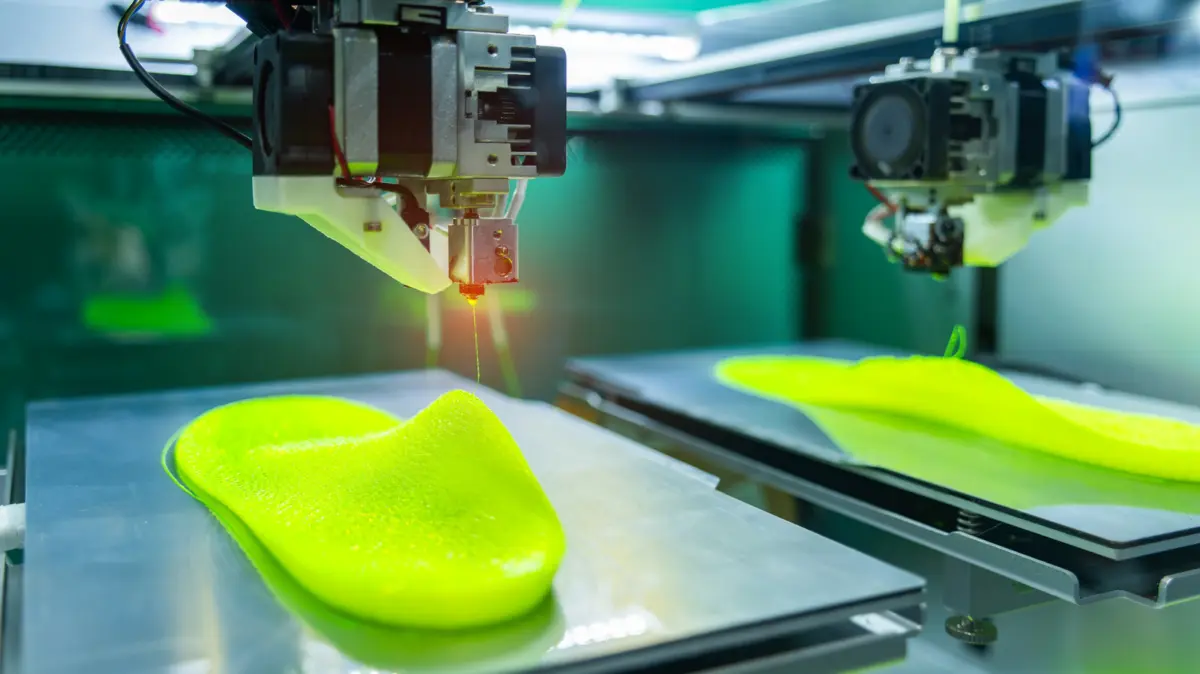
The capacity for on-demand fabrication, once the exclusive domain of aerospace giants like NASA printing tools and replacement parts aboard the International Space Station, has dramatically descended to Earth, empowering a burgeoning community of hobbyists to significantly reduce costs and enhance creativity. This democratization of additive manufacturing, commonly known as 3D printing, has transformed how enthusiasts approach their passions, offering a compelling alternative to purchasing expensive, specialized, or frequently replaced components. The core principle involves building three-dimensional objects layer by layer from computer-aided design (CAD) models, a process that is increasingly accessible and affordable for the average consumer.
The Genesis and Evolution of Personal Fabrication
The journey of 3D printing from industrial marvel to household utility is a testament to technological innovation and open-source collaboration. Originating in the early 1980s with pioneers like Chuck Hull, who patented stereolithography (SLA) in 1986, the technology was initially prohibitively expensive and complex, primarily serving rapid prototyping in large corporations. For decades, it remained a specialized tool, shrouded in proprietary patents.
A significant turning point arrived in the mid-2000s with the expiration of key patents and the emergence of the RepRap project, an initiative aimed at creating a self-replicating 3D printer. This open-source movement ignited a fervent community of developers and hobbyists, driving down hardware costs and fostering a collaborative ecosystem for software and design files. Today, entry-level Fused Deposition Modeling (FDM) printers, which extrude molten plastic filament, can be acquired for as little as $170, with more advanced desktop models reaching up to $700 or more. This accessibility, coupled with a vast and growing online repository of free and paid CAD models on platforms like Thingiverse, Printables, and MyMiniFactory, has made 3D printing a viable economic tool for millions.
Understanding the Technologies: FDM, SLA, and Beyond
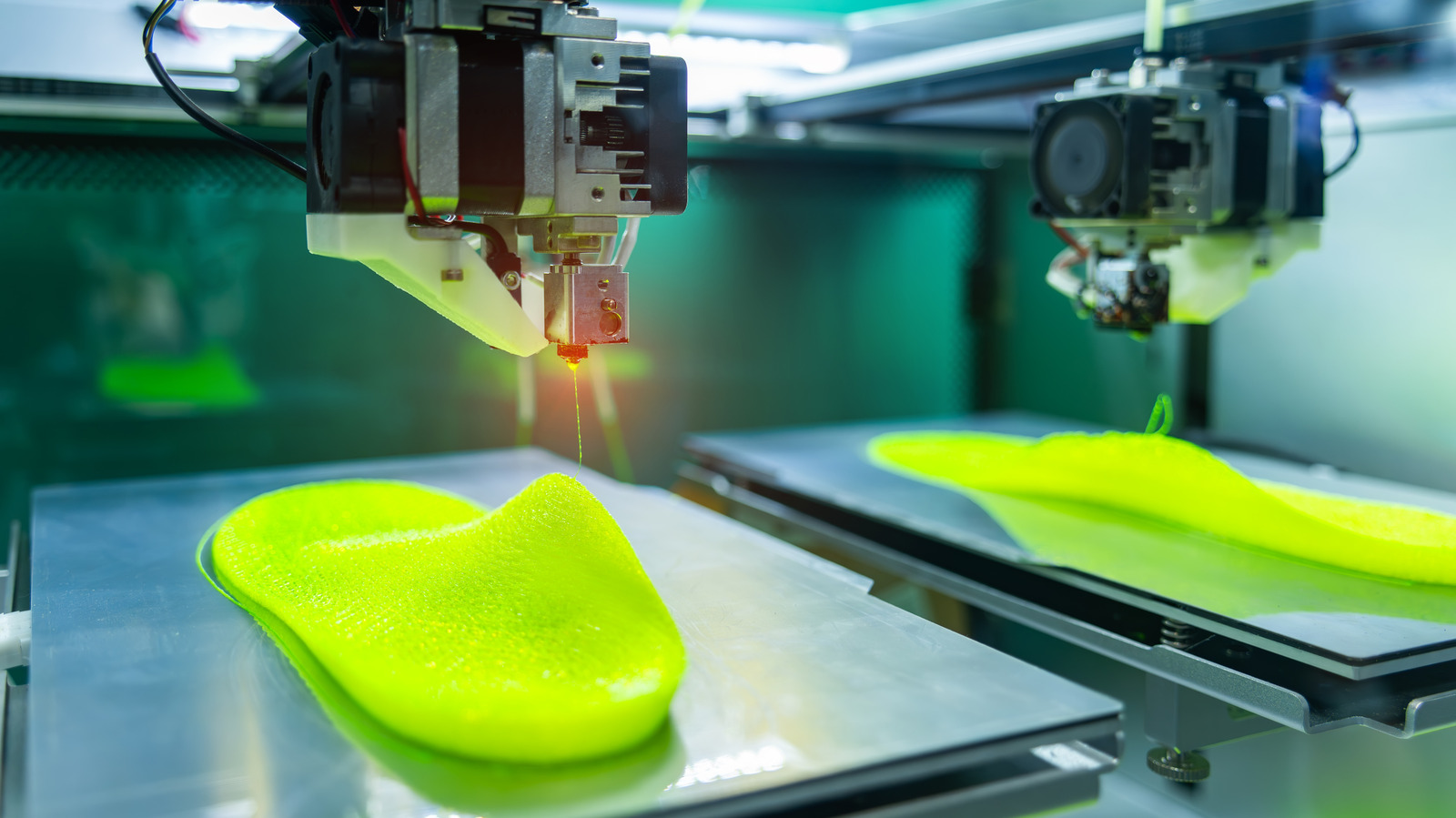
The primary technology driving the consumer 3D printing revolution is FDM. These printers work by heating and extruding thermoplastic filaments, such as polylactic acid (PLA), acrylonitrile butadiene styrene (ABS), or polyethylene terephthalate glycol (PETG), through a nozzle, depositing successive layers onto a build plate. FDM printers are renowned for their ease of use, relatively low material costs (typically around $20-$30 per kilogram of filament), and suitability for functional, durable parts.
For applications demanding finer detail and smoother finishes, more advanced resin-based printers, primarily employing Stereolithography (SLA) or Digital Light Processing (DLP), have become increasingly popular. These systems use a UV laser or projector to cure liquid resin layer by layer. While SLA/DLP printers offer superior aesthetic quality and precision, they generally involve higher initial costs, more expensive resins, and a more involved post-processing cleanup. Another industrial-grade technology, Selective Laser Sintering (SLS), which uses a laser to fuse powdered polymer, remains largely outside the typical consumer budget but represents the pinnacle of complex part creation. For most hobbyist cost-saving endeavors, FDM printers are the workhorses, with SLA printers being a targeted upgrade for highly detailed projects like miniatures.
The Economic Imperative: Quantifying Savings
The financial prudence of owning a 3D printer for hobbyists stems from a straightforward economic equation: the cost of materials and electricity versus the retail price of commercially manufactured parts. For instance, if a specific component for a hobby costs $10 in a store, and a kilogram of filament can produce 50 such items, the material cost per item drops to a mere $0.40 (assuming a $20/kg filament). Even accounting for the initial printer investment and electricity, the savings quickly accumulate, especially for frequently replaced or specialized parts.
A 2022 market analysis indicated that the global 3D printing market, valued at approximately $18 billion, is projected to grow significantly, with consumer and prosumer segments being key drivers. While specific data on direct hobbyist savings is nascent, anecdotal evidence and community discussions consistently highlight substantial reductions in expenditure. For many, the ability to print on demand also mitigates the costs associated with shipping and the frustration of waiting for parts, especially for niche or discontinued items.
Transforming Passion Projects: Specific Hobby Applications
The application of 3D printing technology spans a remarkable breadth of hobbies, each offering unique avenues for cost reduction and customization.
1. Aerospace on a Budget: Drones and Remote-Controlled Vehicles
Drone and RC vehicle enthusiasts frequently face the challenge of damaged or lost components. While flight-critical parts like propellers often require specific material properties and rigorous testing for safety and performance, a myriad of non-critical accessories can be reliably 3D printed. This includes essential items such as camera mounts, antenna guards, landing gear extensions, protective arm sleeves, battery trays, and custom chassis components. A commercial camera mount for a popular drone model might retail for $20-$50, whereas the filament cost for a custom-designed, 3D-printed equivalent could be under $1. This rapid, in-house production capability not only saves money but also minimizes downtime, allowing enthusiasts to get back to flying or driving quickly after an incident. The ability to iterate on designs and print customized parts for specific payloads or modifications further enhances the value proposition, providing a level of personalization unachievable with off-the-shelf products.
2. From Garden Beds to Garages: DIY for Home and Auto Enthusiasts
For gardeners and mechanics, a 3D printer serves as a versatile tool for creating bespoke solutions. In the garden, common items like plant labels, custom-sized seed starting trays, unique planters, durable soil dibbers, specialized trellises, and even decorative bird feeders can be printed at a fraction of their retail cost. Many of these items are often sold in bulk or at inflated prices due to their specialized nature, making 3D printing a highly attractive alternative.
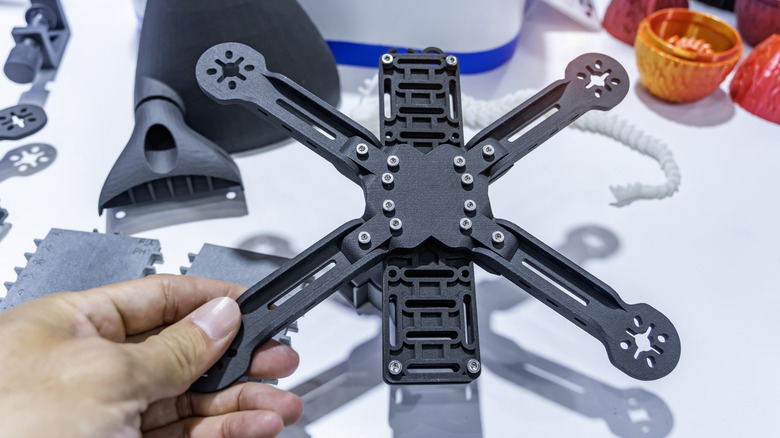
Similarly, automotive enthusiasts and home mechanics can leverage 3D printing for a wide array of practical applications. This includes printing hard-to-find interior trim pieces, replacement knobs for dashboards, custom tool organizers that perfectly fit a toolbox drawer, specialized wrenches for awkward spaces, and even multi-axis vises for intricate repair work. The convenience of fabricating a precise tool or part exactly when needed eliminates trips to hardware stores or lengthy waits for online orders, significantly saving both money and time. Materials like PETG are particularly well-suited for outdoor or automotive applications due due to their durability and resistance to weather and chemicals.
3. Crafting the Smart Home Ecosystem
The burgeoning smart home market, while offering convenience, often comes with proprietary accessories and integration challenges. A 3D printer empowers users to tailor their smart home setups precisely to their needs. Beyond basic cable management systems, shelving for hubs, and wall mounts for smart devices, the technology facilitates truly innovative projects. For instance, users can design and print custom enclosures or button mechanisms for Near-Field Communication (NFC) stickers, transforming utilitarian tags into aesthetically pleasing or functionally enhanced smart controls. Imagine a custom-printed "Tap for Wi-Fi" sign that provides guest access with a simple tap, or a sleek wall mount for a tablet that integrates seamlessly with a Home Assistant dashboard, costing mere dollars in material compared to Apple’s $299 HomeView device. This capability allows for unique, personalized smart home solutions that are both cost-effective and perfectly integrated into the living space.
4. Precision and Adaptability: Photography and Videography Gear
The world of photography and videography is notorious for its expensive accessories, with even simple items like lens caps carrying premium brand markups. A 3D printer offers immediate relief for budget-conscious creators. Common consumables such as universal lens caps, lens hoods, cable clamps, and battery holders can be printed for pennies. Beyond mere replacements, the technology unlocks a universe of custom accessories: mechanical V-lock battery plates, bespoke microphone and lighting mounts, ergonomic selfie handles, compact portable tripods, and specialized camera rigs. The true power lies in the ability to create single-use custom tools designed for specific shots or unique equipment configurations, allowing photographers and videographers to adapt to any creative challenge without incurring exorbitant costs. This agility fosters experimentation and innovation within their craft.
5. Worlds of Imagination: Tabletop Gaming and Scale Modeling
For tabletop gamers, Dungeons & Dragons players, model railroad enthusiasts, and scale modelers, 3D printing represents a paradigm shift in content creation. The ability to fabricate custom characters, monsters, buildings, trees, terrain features, and even specific railroad sidings or long-lost logos dramatically enhances the immersion and customization of their worlds. The vast repositories of models on platforms like MyMiniFactory showcase a vibrant ecosystem where designers create and share intricate models, from historically accurate uniformed troops for wargames to fantastical beasts for role-playing campaigns. While FDM printers can handle larger terrain pieces and some figures, the intricate details often required for miniatures make resin (SLA/DLP) printers the preferred choice for this specific niche, despite their higher cost. Furthermore, even mundane but essential items like dice, which are easily lost, can be endlessly replicated, ensuring a game never halts due to missing components. This allows hobbyists to move beyond expensive pre-made sets and build truly unique, expansive worlds.
Beyond the Build: Broader Implications for Hobbyists

The impact of 3D printing extends beyond immediate cost savings, fostering broader implications for sustainability, innovation, and community engagement.
Sustainability and Repair Culture: By enabling the creation of replacement parts and custom fixes, 3D printing champions a repair-and-reuse culture, reducing reliance on mass-produced items and minimizing waste. Hobbyists can mend broken items instead of discarding them, contributing to a more sustainable consumption model. The use of recyclable filaments like PLA further enhances this environmental benefit.
Fostering Innovation and Skill Development: Owning a 3D printer encourages users to delve into CAD software, understanding design principles, material science, and problem-solving. It transforms passive consumers into active creators and innovators, empowering them to bring their unique ideas to life. This hands-on experience cultivates valuable technical skills applicable in various professional fields.
The Community-Driven Design Ecosystem: The proliferation of online communities and open-source design repositories has created a collaborative environment where hobbyists share knowledge, troubleshoot problems, and contribute designs. This collective intelligence accelerates innovation and ensures that a wide array of solutions is readily available, further enhancing the value proposition of owning a printer.
Navigating the Investment: Considerations for Prospective Owners

While the economic and creative benefits are compelling, prospective 3D printer owners should approach the investment thoughtfully. Key considerations include:
- Usage Frequency: How often will the printer be used? Infrequent use may not justify the initial hardware cost, in which case local libraries or maker spaces offering 3D printing services could be a more cost-effective alternative.
- Skill Level: While modern printers are user-friendly, a basic understanding of CAD software and troubleshooting can significantly enhance the experience.
- Running Costs: Beyond filament, consider electricity consumption, occasional replacement parts (nozzles, build plates), and the cost of resin if opting for an SLA printer.
- Space and Ventilation: 3D printers, especially those using certain filaments or resins, can emit fumes. Adequate ventilation is crucial, meaning a dedicated workspace, not a living room or bedroom, is often recommended.
For those on the fence, engaging with an existing 3D printing community or trying out a printer at a local maker space can provide invaluable hands-on experience, helping to determine if the technology aligns with individual hobby needs and technical comfort levels.
The Future is Fabricated – Empowering the Modern Hobbyist
In conclusion, the advent of affordable and user-friendly 3D printing technology has fundamentally reshaped the landscape for hobbyists across diverse fields. From repairing drones and customizing smart homes to crafting intricate gaming miniatures and producing bespoke photography gear, the ability to fabricate components on demand offers unparalleled cost savings, customization options, and creative freedom. As the technology continues to evolve, with faster print speeds, new material developments, and increasingly intuitive software, the role of the personal 3D printer in empowering the modern hobbyist is set only to expand, cementing its place as an indispensable tool for innovation and economy.