Garick Elordi
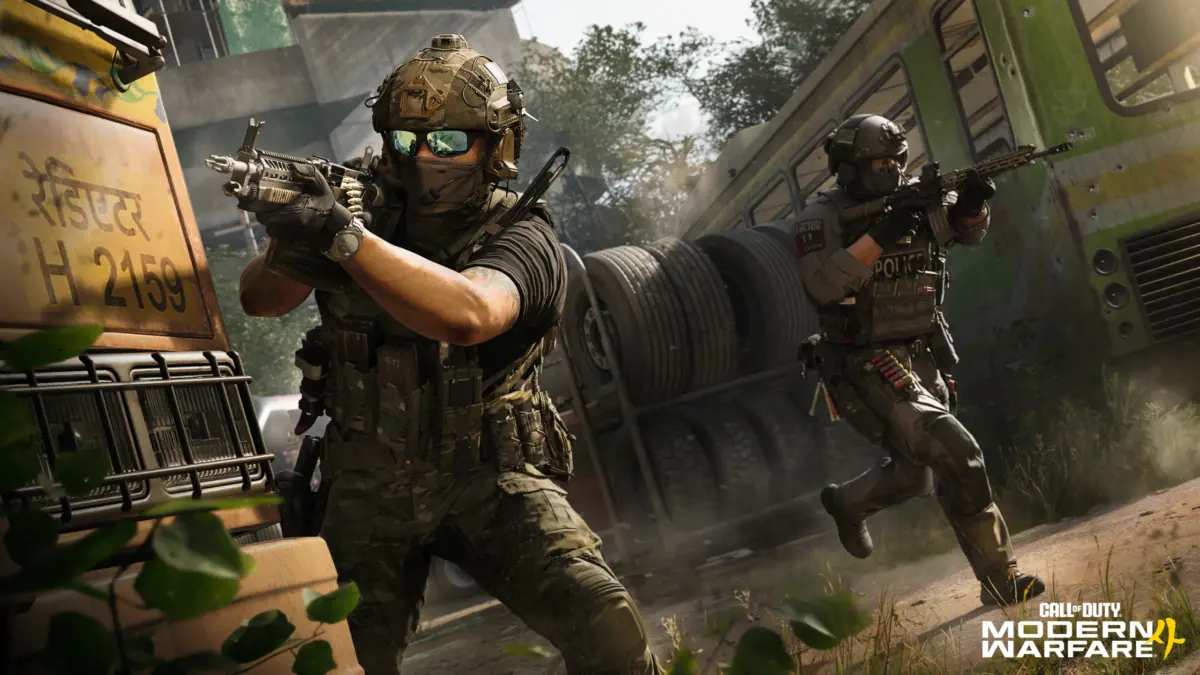
Activision Blizzard has issued a comprehensive public apology to the victims and bereaved families of the 2022 Itaewon crowd crush disaster following the discovery of real-world footage of the tragedy within the opening cinematic of Call of Duty: Modern Warfare 4. The video game publisher confirmed that the controversial imagery, which was used to illustrate a fictionalized conflict on the Korean Peninsula, will be entirely excised from the title in a global update scheduled for distribution on November 12. This decision follows a period of intense scrutiny from South Korean civic groups, government officials, and the international gaming community, all of whom raised concerns regarding the ethical implications of using a recent, mass-casualty event as a backdrop for digital entertainment.
The controversy centers on the game’s introductory sequence, a cinematic designed to establish the high stakes of a fictional North Korean invasion of the South. To enhance the "realistic immersion" of the narrative, developers incorporated various clips of news broadcasts and amateur footage depicting civilian panic and urban chaos. However, eagle-eyed players and South Korean media outlets quickly identified specific segments as being direct archive footage from the October 29, 2022, disaster in Seoul’s Itaewon district. The incident, which claimed the lives of 159 people and left hundreds more injured, remains a deeply sensitive and traumatic subject in South Korean society, leading to widespread condemnation of Activision’s editorial choices.
The Itaewon Tragedy: Context and National Trauma
To understand the gravity of the backlash, it is necessary to revisit the events of October 2022. The Itaewon crowd crush occurred during the first unrestricted Halloween celebrations in Seoul following the lifting of COVID-19 social distancing measures. An estimated 100,000 people descended upon the narrow, sloped alleys of the nightlife district. The disaster unfolded in a specific 3.2-meter-wide alleyway near the Hamilton Hotel, where a massive surge in crowd density led to a fatal crush.
The majority of the victims were young adults in their 20s and 30s, including 26 foreign nationals. The event prompted a period of national mourning and a protracted legal and political investigation into the failure of local authorities to implement adequate crowd control measures. For many in South Korea, the imagery of the chaos—the flashing lights of emergency vehicles, the frantic efforts of bystanders performing CPR, and the sheer scale of the panic—is not merely news footage but a symbol of a profound national failure. The inclusion of such imagery in a commercial product like Call of Duty was viewed by many as an act of "secondary victimization," reopening wounds for those who lost loved ones.
Chronology of the Controversy and Corporate Response
The issue first gained significant traction in early November following the early-access launch of the Modern Warfare 4 campaign. Social media platforms and South Korean gaming forums like Inven and Ruliweb began circulating side-by-side comparisons of the game’s cinematic and actual news coverage from the night of the Itaewon disaster. By November 6, the Bereaved Families’ Association and the Citizens Countermeasure Meeting on the Itaewon Disaster issued a joint statement demanding the immediate removal of the footage and a formal apology from Activision.
Initially, Activision provided a brief statement to international outlets, including Eurogamer, acknowledging that the game utilized "real-world news coverage" to establish its fictional narrative but maintained that there was no intent to "reference or trivialise the Itaewon disaster." However, as the story moved from gaming circles into the mainstream South Korean political arena, the company’s stance shifted toward a more direct and conciliatory tone.
In a formal statement released in Korean and subsequently translated, Activision stated: "We bow our heads in deep sympathy and apology to the bereaved families and victims who were deeply hurt by this incident, as well as to everyone we have caused concern." The publisher reiterated that while Modern Warfare 4 is a work of fiction, they recognized that the use of the footage was an oversight that failed to meet the ethical standards expected of the franchise.
Government Intervention and Regulatory Pressures
The controversy escalated to the highest levels of the South Korean government. During a recent press briefing, Yun Ho-jung, the Minister of the Interior and Safety, addressed the matter with significant gravity. Yun characterized the use of the footage as "secondary harm" to the victims and their families, suggesting that the commercial exploitation of such a tragedy crossed a line of human ethics.
"Using such a tragedy as material for a game, a form of entertainment or business, is something that should be refrained from as a matter of human ethics," Yun stated. He further noted that the government would look into "appropriate sanctions" and that relevant agencies, such as the Game Rating and Administration Committee (GRAC), would determine whether the content warranted a block on general access or other punitive measures.
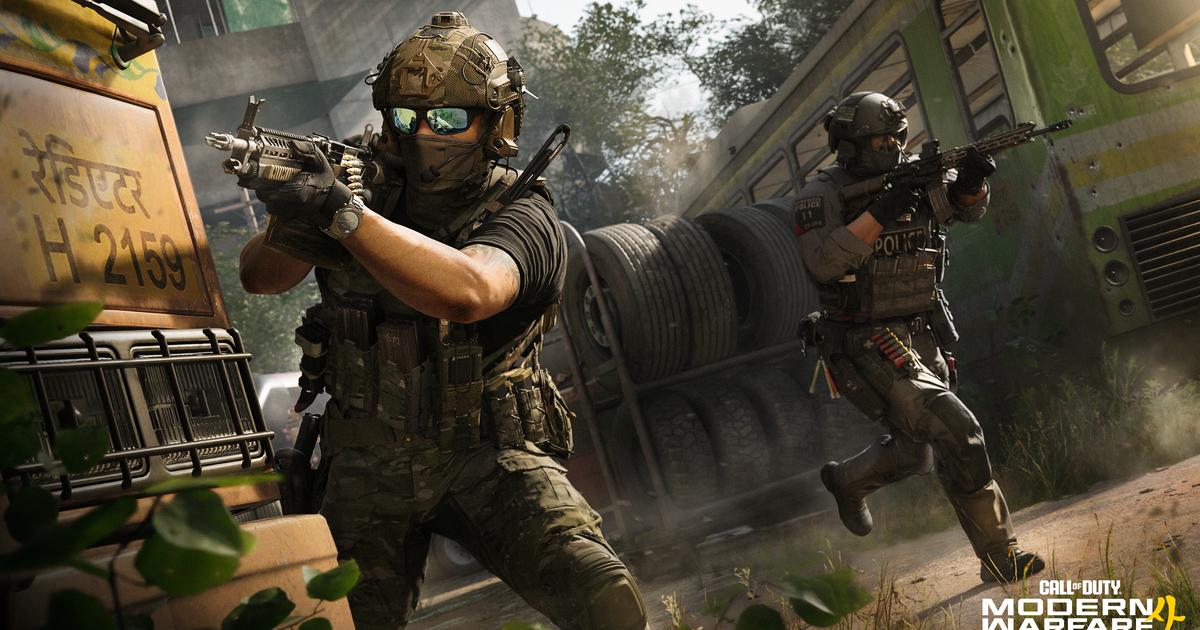
South Korea is a vital market for the Call of Duty franchise and Activision Blizzard as a whole. The country boasts one of the most robust gaming cultures in the world, and the "PC Bang" (internet cafe) scene is a cornerstone of the industry’s regional revenue. Regulatory friction in South Korea can have significant financial and reputational consequences for global publishers. The swiftness of Activision’s commitment to a total removal of the footage is seen by analysts as a strategic move to prevent a potential ban or a "Restricted" rating that would hamper the game’s commercial performance in the region.
Ethical Boundaries in Realistic Military Shooters
The incident has reignited a long-standing debate regarding the ethics of "realistic" military shooters. The Call of Duty series has a history of blurring the lines between fiction and reality. Previous entries have depicted real-world locations, used likenesses of historical figures, and reimagined actual geopolitical conflicts. For instance, the 2019 reboot of Modern Warfare faced criticism for its depiction of the "Highway of Death," a historical event from the Gulf War, which the game attributed to Russian forces rather than the U.S.-led coalition that carried out the real-world attack.
In the case of Modern Warfare 4, the use of Itaewon footage highlights a potential failure in the content vetting process. Modern game development often involves the licensing of massive libraries of "B-roll" and news footage to save time on asset creation. If the footage was sourced from a generic "civilian panic" or "urban disaster" tag in a stock footage database, it suggests a lack of cultural sensitivity in the localization and editorial departments.
Critics argue that as graphics become more photorealistic and narratives strive for "gritty realism," developers have a heightened responsibility to ensure that their quest for immersion does not exploit real-world suffering. The use of the Itaewon footage was not necessary for the plot; the same narrative beats could have been achieved with original animations or staged footage involving actors. By choosing real-world archive clips, the developers inadvertently prioritized convenience over the dignity of a grieving community.
Implications for the Gaming Industry and Content Moderation
The fallout from this controversy is likely to lead to more stringent content-vetting protocols within Activision and other major publishing houses. The "secondary harm" mentioned by Minister Yun Ho-jung is a concept that is increasingly being applied to digital media, where the persistent availability of traumatic imagery can impede the healing process for victims.
Furthermore, this incident underscores the power of local regulatory bodies in an era of globalized digital distribution. While Activision is a U.S.-based company, its products must adhere to the cultural and legal sensitivities of every market in which they operate. The threat of government sanctions in South Korea serves as a reminder that "fiction" does not provide a total shield against the real-world consequences of content choices.
Moving forward, the gaming industry may see a shift away from the use of real-world disaster footage in favor of AI-generated or procedurally created assets that mimic the "look" of news broadcasts without carrying the baggage of actual human tragedy. As Activision prepares to roll out the November 12 update, the company will likely be monitoring the situation closely to see if this corrective action is sufficient to appease the South Korean public and the bereaved families’ associations.
Conclusion and Future Outlook
The removal of the Itaewon footage from Call of Duty: Modern Warfare 4 marks a rare instance of a major gaming publisher admitting a significant ethical lapse regarding real-world content. While Activision has apologized and taken steps to rectify the error, the incident serves as a cautionary tale for the industry. The 12th of November update will strip the controversial clips from the game globally, ensuring that the fictional narrative no longer draws from the very real pain of the Seoul community.
As the industry continues to push the boundaries of realism, the balance between "authentic" storytelling and ethical responsibility remains precarious. For the families of the Itaewon victims, the apology is a necessary step, but the event has highlighted the need for greater vigilance in how the entertainment industry interacts with contemporary history. The legacy of this controversy will likely be felt in the boardrooms and development studios of every major publisher, serving as a reminder that in the world of high-stakes gaming, reality is a territory that must be navigated with the utmost care and respect.