Galang Taruna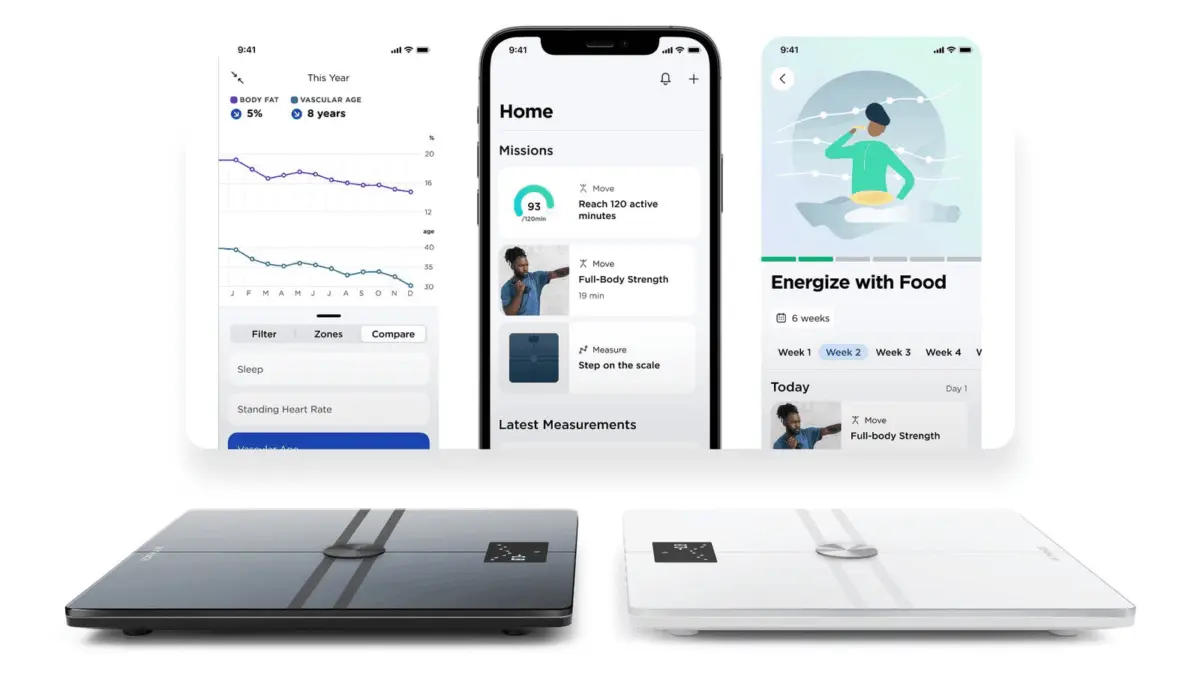
Effective Monday, October 12, 2026, the French connected health device manufacturer Withings has introduced a significant policy change, requiring new users to subscribe to its premium "Withings+" service to synchronize their health measurements with third-party platforms such as Apple Health and Google Health Connect. This move, which was not publicly announced but rather discovered through updated API terms and support documentation, has ignited considerable frustration among consumers, who have long enjoyed free data portability as a standard feature across the company’s ecosystem. While existing Withings account holders will retain their complimentary synchronization capabilities, all new accounts created from the specified date will face an annual fee of €99.50 (or €9.95 monthly) to access a feature widely considered fundamental to modern health tracking.
A Shift in Business Model for a Health Tech Pioneer
Withings, founded in 2008, has historically been at the forefront of the connected health revolution, establishing a strong reputation for its smart scales, hybrid smartwatches, and other health monitoring devices. The company was instrumental in popularizing the concept of effortlessly tracking vital health metrics and integrating them into broader digital health ecosystems. For years, the seamless export of data—from weight and body composition to heart rate and activity levels—to popular platforms like Apple Health on iOS devices and Google Health Connect on Android was a key selling point, enhancing the utility and value proposition of Withings’ hardware. This interoperability allowed users to consolidate their health data from various sources into a single, comprehensive view, enabling a holistic approach to personal wellness management. The decision to place this core functionality behind a paywall marks a notable departure from this long-standing commitment to open data integration and has immediately prompted comparisons to similar controversial shifts by other hardware manufacturers.
The Unannounced Policy Change: Details and Discovery
The policy adjustment came to light not through an official press release or direct customer communication, but rather through user experiences and subsequent investigation. New purchasers of Withings devices, upon attempting to set up their products and link them to Apple Health or Google Health Connect, were met with unexpected prompts to subscribe to Withings+. This paywall appeared during the initial configuration process, effectively blocking synchronization before even the first measurement could be exported.
Further digging by tech journalists and vigilant users uncovered the revised terms within Withings’ API (Application Programming Interface) documentation and an updated support page specifically addressing Apple Health integration. The relevant excerpt states: "Recent changes to our API and new privacy measures have been implemented as of October 13, 2026. Users will need an active Withings+ subscription to export their Withings data to third-party applications such as Apple Health and Health Connect if they create an account from this date." This phrasing suggests the policy was officially in effect from October 13, aligning with the initial reports of users encountering the paywall on October 12. The lack of proactive communication about such a fundamental change has been a major point of contention, leading to accusations of a deceptive practice by the company.
Withings’ Justification and the Broader Context of "Premium" Services
In its limited communication on the matter, Withings frames the change as a "new privacy measure" and attributes the necessity of subscription revenue to funding the clinical validation of its devices, regulatory compliance, and server infrastructure maintenance. The company emphasizes that all users, regardless of their subscription status, will continue to have direct access to their full measurement history within the dedicated Withings application. This distinction is crucial, as it avoids accusations of holding personal data hostage entirely, but it fundamentally redefines the utility of the hardware for those who rely on external health ecosystems.
The shift by Withings is reflective of a broader industry trend where hardware manufacturers, particularly in the consumer electronics and IoT sectors, are increasingly exploring subscription-based revenue models to complement or even supersede one-time hardware purchases. Companies like Peloton, Tonal, and even some smart home device manufacturers have long relied on subscriptions to unlock the full potential of their hardware. However, these models are typically established from the outset, clearly communicated, and often tied to value-added services rather than basic data interoperability. The global market for connected health devices is projected to continue its robust growth, driven by increasing health consciousness and technological advancements. As this market matures, companies are under pressure to find sustainable revenue streams beyond initial device sales, and subscriptions are often seen as the answer. The challenge, however, lies in identifying what constitutes a truly "premium" feature versus a core functionality that consumers expect as part of their hardware purchase.
The Withings+ Offering: Is the Value Proposition Justified?
The Withings+ subscription, priced at €9.95 per month or a discounted €99.50 per year, offers a suite of features that Withings positions as enhancing the user experience. Beyond the newly paywalled third-party synchronization, these benefits include:
- ECG Review by a Cardiologist: For users of compatible devices like the ScanWatch, Withings+ promises a review of electrocardiogram (ECG) readings by a qualified cardiologist within 24 hours. This could be a significant value for users with specific cardiac health concerns.
- AI Health Assistant: An artificial intelligence-powered assistant designed to provide personalized health insights and guidance. The effectiveness and unique value of such an assistant compared to free alternatives remain to be seen.
- Daily Fitness Score: A proprietary metric that aims to provide a comprehensive overview of a user’s daily activity and recovery.
The central question for new customers now becomes whether these additional "premium" features, combined with the essential data synchronization, justify the annual €99.50 investment on top of the hardware cost. For many, particularly those primarily interested in simply having their weight measurements automatically appear in Apple Health, the value proposition of the full Withings+ suite may not align with their needs, making the subscription feel like an unnecessary tax on basic functionality.
Consumer Outcry and Historical Parallels: The Synology Precedent
The immediate reaction from the user community has been overwhelmingly negative, manifesting in a torrent of complaints across social media platforms, tech forums, and customer support channels. Many users expressed feeling "floué" (deceived), arguing that the synchronization feature was a primary factor in their decision to purchase Withings products. The sentiment echoes a broader consumer expectation that once hardware is purchased, its core functionalities, especially those related to data ownership and portability, should remain accessible without ongoing fees.
This situation draws striking parallels to a controversy involving network-attached storage (NAS) manufacturer Synology in 2025. Synology attempted to restrict certain new NAS models to only operate with its own branded hard drives, effectively locking out third-party drives. This move, perceived as anti-consumer and a blatant attempt to force users into a more expensive ecosystem, resulted in a massive public backlash. Synology’s reputation suffered significantly, and the company was ultimately compelled to reverse its policy, reinstating support for third-party drives. The Withings situation, while different in scope (data export vs. hardware compatibility), shares the underlying principle of a manufacturer suddenly imposing restrictions on established or expected functionality after purchase, or without clear upfront disclosure. The memory of Synology’s climbdown serves as a cautionary tale for any company considering similar shifts in business model.
Implications for Consumers and Withings’ Market Position
For prospective Withings customers, the calculation of total cost of ownership has fundamentally changed. A device like the BodyScan 2 or ScanWatch 2, while offering advanced health monitoring, now carries an implicit annual cost of nearly €100 for those who wish to integrate their data with Apple Health or Google Health Connect. This could significantly impact purchasing decisions, pushing consumers towards competitors who offer similar core data synchronization for free. The market for smart scales and wearables is highly competitive, with players like Fitbit (owned by Google), Garmin, and various smaller brands offering devices that often integrate with major health platforms without additional subscription requirements for basic data export.
The long-term implications for Withings are multifaceted. While the subscription model could generate a new, recurring revenue stream, it risks alienating a segment of its loyal customer base and deterring new customers. Brand reputation, carefully built over years as a reliable and user-friendly health tech provider, could be eroded. The company might find itself in a difficult position, caught between the desire for recurring revenue and the imperative to maintain consumer trust and competitive appeal. The decision to grandfather existing accounts mitigates some of the immediate backlash from long-term users but does not address the concerns of new customers or those looking to expand their Withings ecosystem.
The Future of Data Portability and Consumer Expectations
The Withings policy change also highlights a critical ongoing debate in the digital age: data portability and consumer ownership of their personal information. While Withings assures users they retain access to their data within the company’s app, the ability to easily move that data to other platforms is a key aspect of digital freedom and interoperability. Regulators worldwide, particularly in regions like the European Union with GDPR, are increasingly focusing on empowering consumers with greater control over their data, including the right to data portability. While Withings’ move doesn’t directly violate existing data portability regulations (as data is still accessible), it introduces a financial barrier to a widely expected form of interoperability, potentially challenging the spirit of such regulations.
As the connected health market continues to evolve, the distinction between value-added "premium" services and essential hardware functionality will become increasingly blurred. Companies that successfully navigate this landscape will be those that clearly communicate their business models, provide transparent pricing, and genuinely offer compelling value propositions for their subscription tiers, rather than seemingly paywalling core features. Withings’ current strategy will be closely watched by both competitors and consumers as a test case for how the market responds to such a fundamental shift in user experience and pricing. The coming months will reveal whether the promise of enhanced features and sustained development outweighs the perceived cost and inconvenience for new users, and whether Withings can maintain its standing as a leader in the competitive world of connected health.