Vera Intan Clara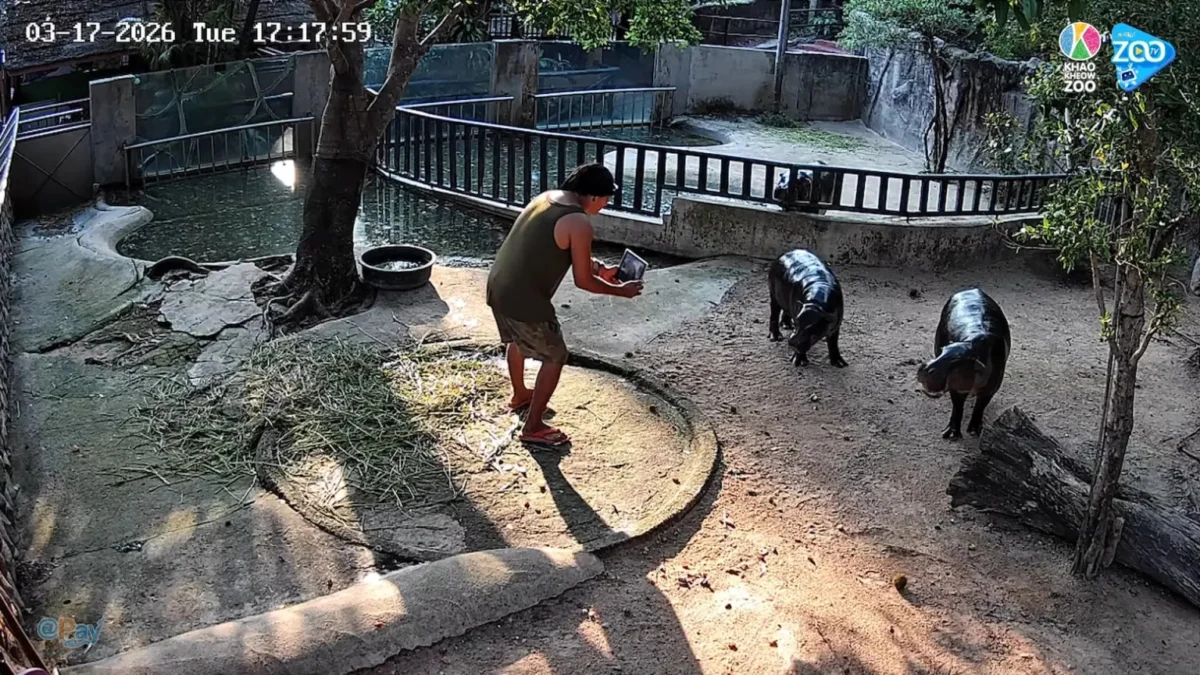
A Thai national was apprehended on Tuesday evening after unlawfully entering the enclosure of Moo Deng, the charismatic pygmy hippo whose "sassy" demeanor catapulted her to global internet stardom in September 2024. The incident unfolded at the Khao Kheow Open Zoo, a sprawling wildlife sanctuary located southeast of Bangkok, sending ripples of concern through conservation circles and among her vast online fanbase. While both Moo Deng and her mother, Jona, appeared visibly startled by the intrusion, zoo officials swiftly confirmed their physical well-being, assuring the public that both animals were unharmed and placed under immediate, close veterinary observation. The event has prompted a stern reminder from the zoo administration regarding the paramount importance of adhering to safety regulations at all times, underscoring the delicate balance between public engagement and wildlife protection.
Chronology of the Incident and Official Response
The security breach occurred during the late hours of Tuesday evening, a period when visitor traffic typically wanes and animal keepers might be attending to various duties across the extensive zoo grounds. According to Narongwit Chodchoy, the director of Khao Kheow Open Zoo, the individual gained unauthorized access to the pygmy hippo habitat during a brief absence of the assigned animal keeper, at a time when no other visitors were in the immediate vicinity to witness or intervene.
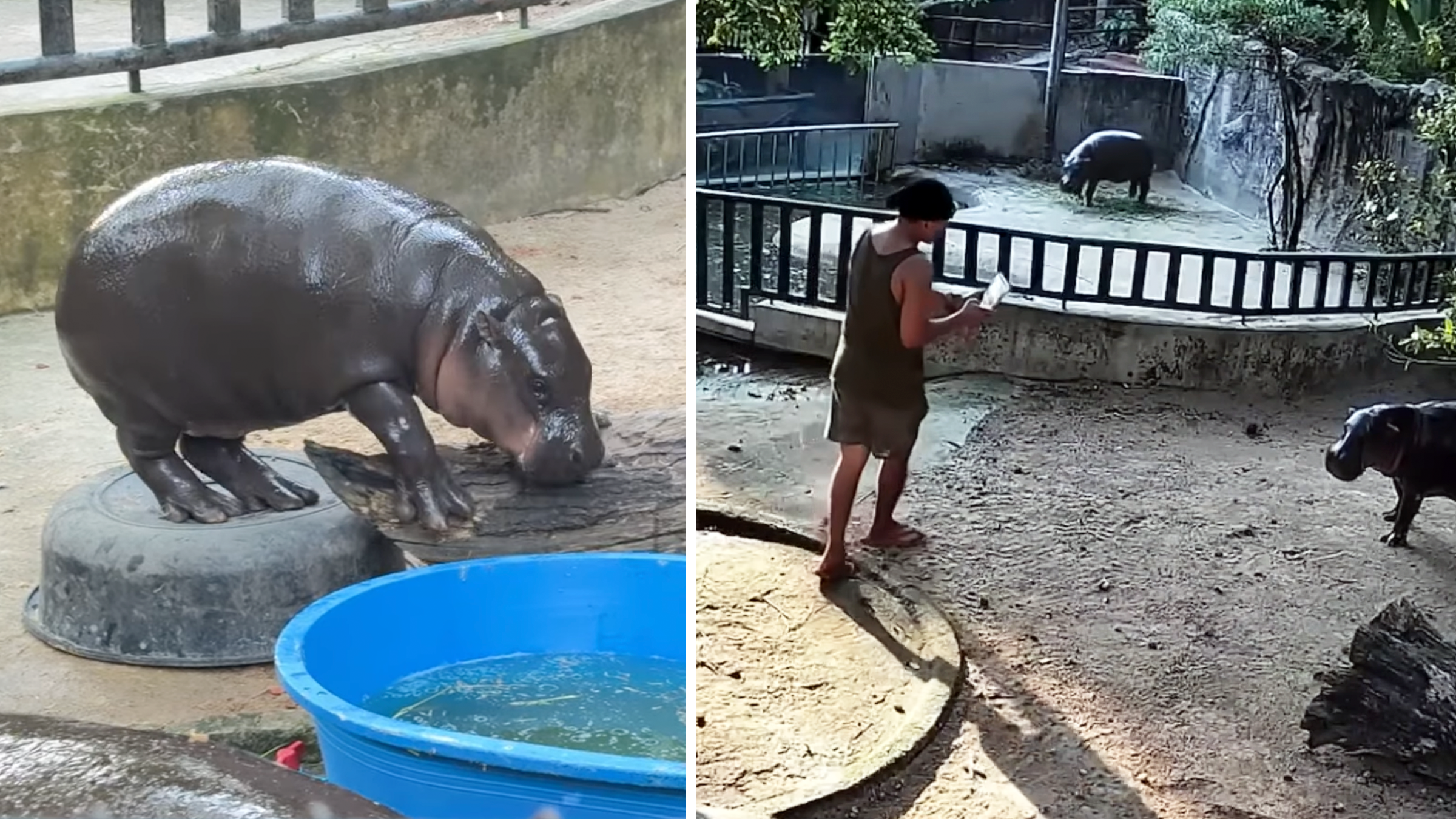
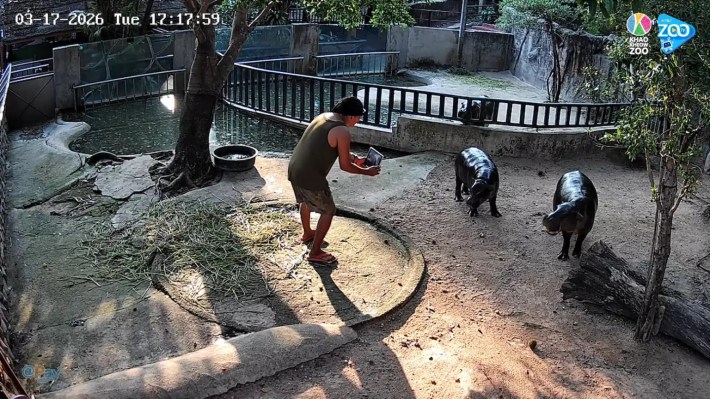
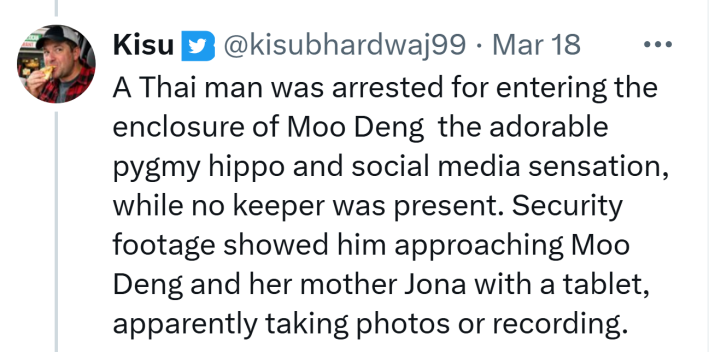
Surveillance footage, a critical component of modern zoo security, captured the entirety of the incident. The footage depicts the man, identifiable by his attire – a black beanie, sunglasses, a green tank top, and brown shorts – deliberately circumventing established barriers and entering the designated habitat area. He then proceeded to approach Moo Deng and Jona, holding what appeared to be a tablet or mobile device, seemingly engrossed in capturing photographs or video recordings of the celebrated mother-daughter duo. Crucially, zoo authorities confirmed that the man did not attempt to make physical contact with either pygmy hippo, a detail that likely prevented a potentially more dangerous escalation of the situation.
Zoo staff, alerted to the breach through their monitoring systems, responded with remarkable speed and efficiency. The man was apprehended without resistance shortly after his entry. He was subsequently taken into custody and charged with trespassing, a legal infraction that carries penalties under Thai law. Following initial legal proceedings, Zoo Director Chodchoy confirmed that the individual was released on bail, though the ongoing investigation into the full scope and motivation behind his actions continues. Despite the individual’s lack of direct physical contact with the animals, the zoo has unequivocally stated its intention to pursue full legal action, emphasizing a zero-tolerance policy for such violations. In a public statement disseminated across its official channels, the zoo reiterated its urgent appeal to all visitors: "We urge all visitors to strictly follow all rules and instructions from staff for the safety of both themselves and the wildlife." This incident serves as a stark reminder of the potential vulnerabilities inherent in public wildlife facilities, even those with robust security measures.
The Phenomenon of Moo Deng: A Global Sensation
The incident gains particular resonance given the unprecedented global fame of Moo Deng. Born in 2024, Moo Deng rapidly ascended to internet celebrity status, captivating millions with her distinctive personality and playful antics. Her journey to stardom began through the dedicated efforts of her zookeeper, who regularly shared endearing photos and videos of the young pygmy hippo on various social media platforms. These posts quickly went viral, particularly on platforms like TikTok and X (formerly Twitter), where clips of her "sassy" expressions, energetic wiggles, and adorable interactions garnered millions of views and shares.
Moo Deng’s rise to fame is a testament to the power of social media in fostering connection between humans and the natural world, albeit with unforeseen consequences. Her popularity transcended national borders, drawing visitors not only from across Thailand but also from international locales, eager to catch a glimpse of the internet’s favorite pygmy hippo in person. The demand to observe her became so significant that the Khao Kheow Open Zoo, in collaboration with OnePlanet, launched a 24/7 live stream of her enclosure on YouTube, allowing her global fanbase to observe her daily life in real-time. This digital accessibility, while fostering immense goodwill and awareness for the species, also inadvertently heightened the allure for some individuals to seek more direct, and ultimately dangerous, interactions.
The Pygmy Hippo: A Vulnerable Species
Beyond her internet fame, Moo Deng represents a critically important species: the pygmy hippo (Choeropsis liberiensis). Native to the forests and swamps of West Africa, primarily Liberia, Sierra Leone, Guinea, and Ivory Coast, pygmy hippos are a distinct and far less numerous relative of the common hippopotamus. They are significantly smaller, typically weighing between 160 to 270 kg (350 to 600 lbs) and standing about 75 to 100 cm (30 to 39 inches) tall at the shoulder, in stark contrast to their larger cousins who can weigh upwards of 1,500 kg.
The International Union for Conservation of Nature (IUCN) Red List classifies the pygmy hippo as ‘Endangered.’ Their wild populations are severely threatened by habitat loss due to logging, agricultural expansion, and human encroachment, as well as poaching for bushmeat. Zoos around the world, including Khao Kheow Open Zoo, play a vital role in the conservation efforts for pygmy hippos through captive breeding programs, research, and public education. The birth of Moo Deng was not only a joyous event for the zoo but also a significant contribution to the global population of this vulnerable species. Her viral fame, therefore, carries the dual potential of raising unprecedented awareness and, conversely, attracting undue and potentially harmful human attention, as this incident clearly illustrates.
Broader Impact and Implications
The breach of Moo Deng’s enclosure has ignited a fervent discussion on several fronts, ranging from zoo security protocols to the ethics of wildlife tourism in the age of viral internet phenomena.
Security and Safety Implications: The primary concern stemming from the incident is the safety of both the animals and the public. While the intruder did not physically harm Moo Deng or Jona, the mere presence of an unauthorized human in a wild animal’s habitat can induce severe stress, potentially leading to unpredictable behavior from the animals. Pygmy hippos, despite their docile appearance, are powerful wild animals and can react defensively if they perceive a threat. For the intruder, there was also a significant personal risk, as even a startled animal could inflict serious injury. This event will undoubtedly prompt a comprehensive review of the Khao Kheow Open Zoo’s security measures, potentially leading to increased staffing, enhanced surveillance technology, and more prominent physical barriers or warning signage. The challenge for zoos is to balance the need for secure enclosures with the desire to provide visitors with enriching and relatively unobstructed views of the animals.
Legal and Ethical Considerations: The charges of trespassing highlight the legal ramifications for individuals who disregard zoo safety regulations. While the specific penalties in Thailand for such an offense might not be as severe as those for more direct harm to animals, the zoo’s decision to pursue legal action is a crucial statement. It reinforces the seriousness with which such breaches are viewed and serves as a deterrent to others. Ethically, the incident raises questions about the responsibility of individuals visiting wildlife sanctuaries. Zoos are not entertainment parks where rules can be bent; they are conservation hubs and safe havens for often endangered species. The pursuit of a "viral moment" or an exclusive photograph at the expense of animal welfare and public safety is a profound ethical lapse.
The Double-Edged Sword of Social Media Fame: Moo Deng’s celebrity status undeniably brought immense positive attention to pygmy hippos and the conservation efforts of Khao Kheow Open Zoo. It generated global awareness, potentially attracting funding, and fostering a deeper appreciation for wildlife among a new generation. However, this incident starkly demonstrates the ‘double-edged sword’ nature of such fame. The intense desire to get closer to a beloved internet icon can lead to reckless behavior, jeopardizing the very animals people claim to admire. Zoos and conservation organizations must now grapple with strategies to manage the influx of fame-driven visitors, ensuring that genuine appreciation for wildlife does not translate into dangerous boundary violations.
Public Reaction and Calls for Stricter Measures
The online community, particularly Moo Deng’s dedicated fanbase, reacted with a mixture of outrage, frustration, and profound relief upon learning of the incident. Social media platforms, the very medium that propelled Moo Deng to fame, became a forum for impassioned criticism of the intruder’s actions and fervent calls for enhanced security measures.
Numerous users expressed their dismay, highlighting the potential danger posed by such a breach. @SnowcatTish succinctly captured the prevailing sentiment, tweeting, "JFC just leave her alone! Just watch and take a picture from outside her enclosure like a normal person." This echoed the general frustration with individuals who prioritize personal gratification over animal welfare and established rules. The official fan account, @MooDengSOL, posted a more direct and protective message, stating, "Don’t mess with our Moo Deng or be arrested!!!" This demonstrates the strong emotional connection that many have developed with the pygmy hippo and their fierce desire to see her protected.
Beyond the anger, there was also a collective sigh of relief that Moo Deng and Jona were unharmed. @Nmawazo tweeted, "Crazy situation, but it is good to hear Moo Deng is safe. That adorable pygmy hippo has captured so many hearts. It is great that the zoo is keeping a close eye on everything." This highlights the underlying care and concern that underpins much of Moo Deng’s online popularity, transforming mere viewers into protective advocates. The incident has solidified the community’s resolve to advocate for the continued safety and well-being of their beloved internet star, pushing for more robust protections to prevent future occurrences.
Moving Forward: Enhancing Security and Education
The incident at Khao Kheow Open Zoo serves as a critical teachable moment for zoos worldwide. While the immediate focus is on the legal consequences for the intruder and the continued monitoring of Moo Deng and Jona, the broader implications demand a proactive response. Zoos may need to re-evaluate their security infrastructure, consider incorporating AI-powered surveillance systems for early detection of unauthorized entries, and potentially increase the visible presence of security personnel, especially around highly popular animal exhibits.
Equally important is the role of public education. Zoos are not merely places of entertainment but vital institutions for conservation and education. Campaigns reinforcing the importance of respecting animal boundaries, understanding the inherent wildness of even seemingly docile creatures, and the critical role of rules in ensuring safety for all, will be crucial. This incident underscores the delicate and often challenging balance between connecting the public with wildlife and safeguarding the animals themselves. As Moo Deng continues her reign as an internet icon, the responsibility falls on both the zoo and her millions of fans to ensure her fame contributes positively to her species’ future, rather than posing a threat to her immediate safety. The long-term goal must be to harness the power of her popularity for genuine conservation, fostering respect and understanding, rather than facilitating dangerous and irresponsible interactions.