Metty Iskandar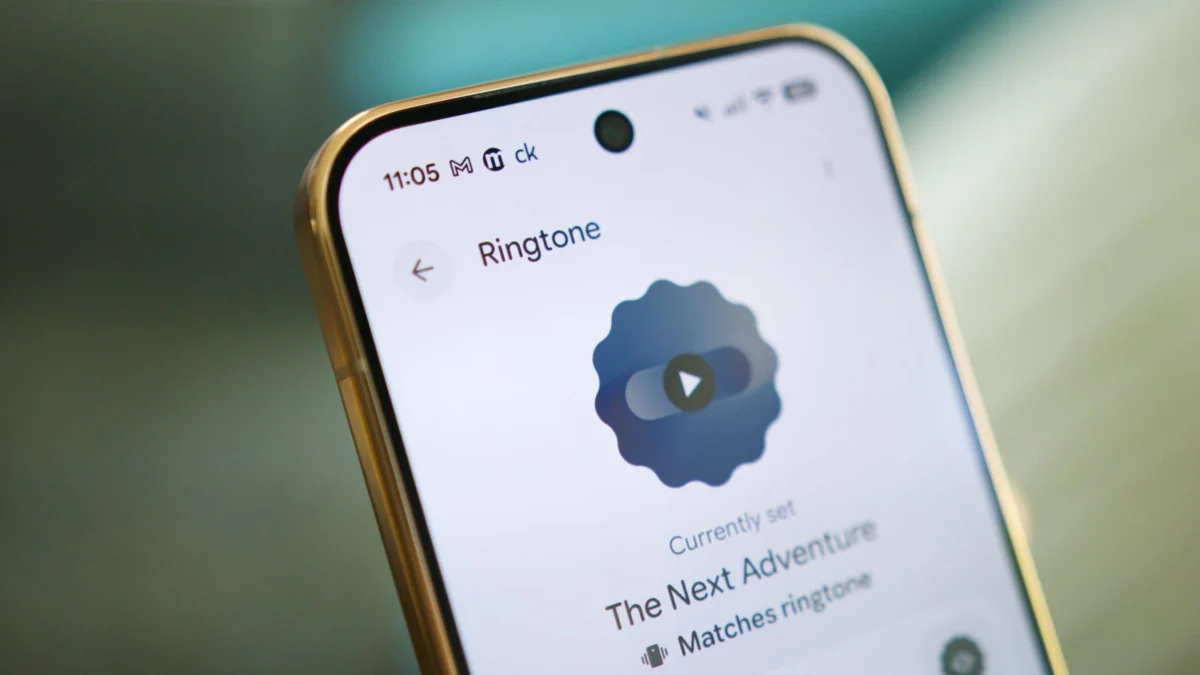
The evolution of the mobile phone ringtone mirrors the rapid technological advancements and shifting cultural norms of the past three decades. Once a premium feature signaling a user’s embrace of cutting-edge technology in the 1990s, custom ringtones quickly transitioned from impressive to ubiquitous, and for many, even ostentatious. The advent of smartphones and the incessant hum of digital notifications further diminished their prominence. However, in 2026, the landscape of mobile personalization is being reshaped by artificial intelligence, with applications like the Pixel Sound Ringtone app at the forefront, offering users a novel and sophisticated way to express individuality through their device’s auditory alerts.
The Resurgence of Ringtones in the Age of AI
For a significant period, the practice of using custom ringtones waned. Many users, including the author, opted for silent modes or vibrations, citing a desire to escape constant auditory bombardment and the practical reality of having their devices within constant reach. This shift was further compounded by the sheer volume of notification sounds, making a distinct ringtone an almost anachronistic choice.
However, the year 2026 sees a renewed interest in ringtones, albeit with a more nuanced approach. The proliferation of AI-powered tools has democratized the creation of unique and personalized soundscapes. Instead of settling for generic melodies or enduring the overwhelming deluge of pre-selected options, users can now leverage sophisticated algorithms to craft ringtones that resonate with their specific tastes, moods, and even the context of incoming calls. This resurgence is not merely about a sound; it’s about reclaiming a subtle yet powerful form of digital self-expression in an increasingly connected world.
The accessibility of these tools means that users are no longer limited to pre-packaged tunes or complex audio editing software. AI platforms can now interpret descriptive prompts and generate original audio content, transforming a once technically demanding process into a simple conversational interaction. This has opened the door for a new wave of creative customization, allowing individuals to imbue their devices with a unique sonic identity.
Navigating the AI Ringtone Landscape: Zedge and Gemini
The market for AI-driven ringtone creation tools is expanding, with several prominent platforms offering distinct approaches. Among these, Zedge and Google’s Gemini stand out as leading contenders, each with its own strengths and limitations.
Zedge: A User-Friendly Entry Point with Aggressive Monetization
Zedge, a long-standing platform initially known for wallpapers, has evolved to incorporate AI-powered ringtone generation. Its user interface is designed for accessibility, featuring a straightforward prompt box where users can input keywords or detailed descriptions of their desired ringtone. Complementary tabs for genres, moods, and suggestions further aid in refining the AI’s output.
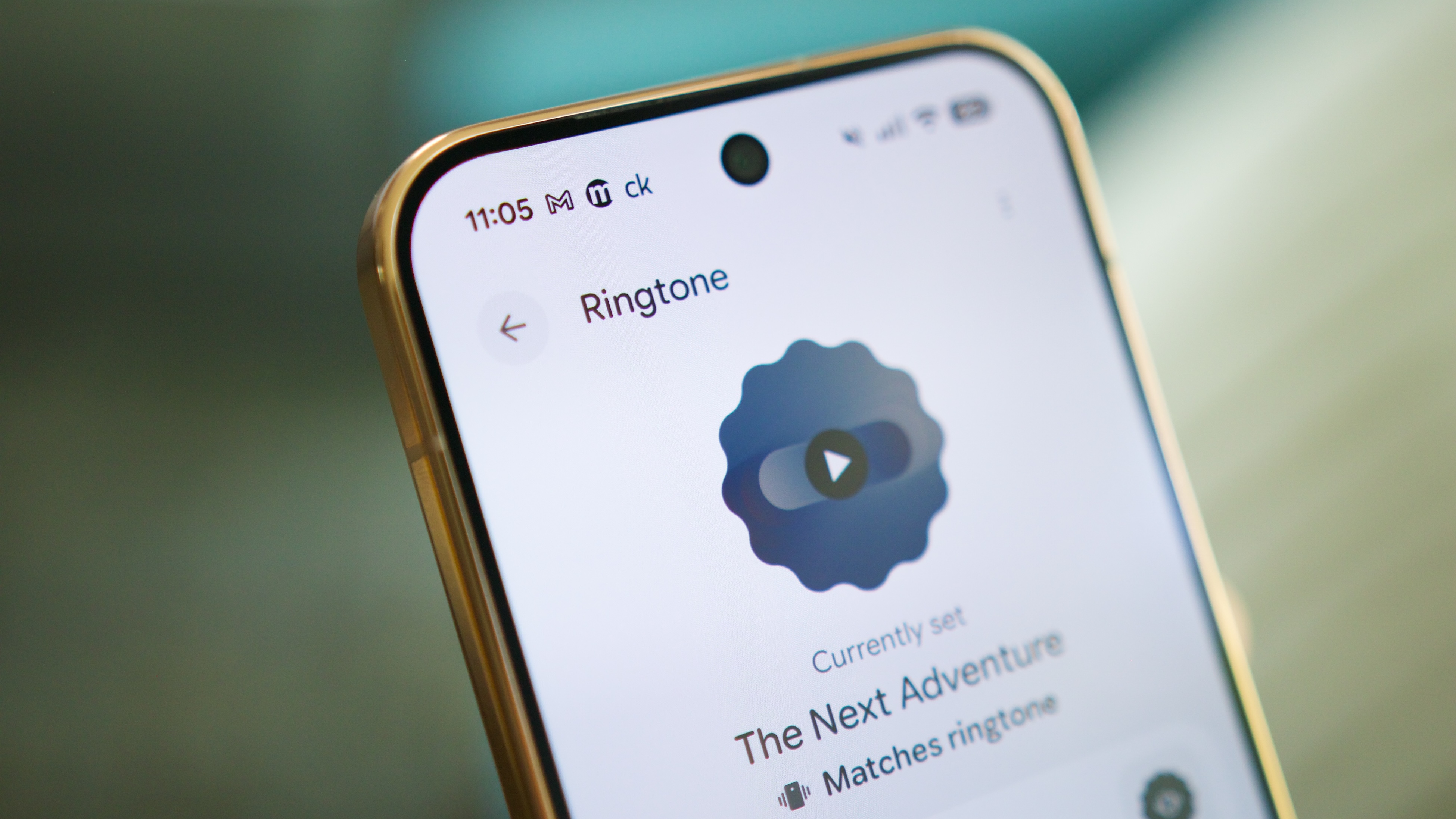
The application’s AI capabilities are demonstrated through examples such as generating a piece with "Zelda-like energy" or a lighthearted alert for a mother’s call. These examples showcase Zedge’s ability to capture specific thematic elements and moods. However, Zedge’s model is heavily reliant on advertising. Users are typically limited in the number of free ringtone generations they can perform daily, with each creation requiring the viewing of a lengthy advertisement. While a premium ad-free tier is available through weekly or lifetime subscriptions, the aggressive ad strategy can be a significant deterrent for some users.
Despite these monetization tactics, the quality of Zedge’s AI-generated ringtones is considered to be "not bad," offering a functional and accessible entry point for users new to AI-assisted audio creation.
Gemini: Advanced Customization with a Broader AI Ecosystem
Google’s Gemini, a powerful multimodal AI, presents a more robust and potentially superior option for users seeking a higher degree of customization and integration within a broader AI ecosystem. While its free tier may be restrictive for extensive ringtone creation, its paid plans, starting around $5 per month, unlock a far greater range of capabilities.
Gemini’s strength lies in its ability to meticulously interpret nuanced prompts and generate highly specific sonic profiles. An example provided involved requesting a ringtone with "big Zelda-like energy to it, but not actually a real game song, just similar vibes." The resulting audio was deemed to perfectly capture the desired essence, even surpassing Zedge’s attempt for a similar thematic request. This highlights Gemini’s capacity for nuanced creative output.
However, Gemini’s interface lacks the guided genre and mood selection found in Zedge. Users must rely on their descriptive prowess to articulate their desires. While this can lead to a more personalized outcome, it may require more trial and error for users unfamiliar with prompt engineering. Nevertheless, the platform’s overall flexibility and the potential for higher-quality, more precisely tailored results make it a compelling choice for discerning users.
The author’s personal experience suggests that while Zedge excels at specific prompts like an alert for a mother’s call, Gemini demonstrates a superior ability to capture broader thematic energies and moods, making it the preferred choice for a more deeply personalized ringtone experience.
The Implications of AI in Mobile Personalization
The rise of AI-driven ringtone creation has several significant implications for the mobile technology landscape and user experience in 2026:
- Democratization of Creativity: Complex audio creation, once the domain of professionals, is now accessible to the average smartphone user. This empowers individuals to express their unique identities through their devices in unprecedented ways.
- Enhanced User Engagement: Personalized ringtones can foster a deeper emotional connection between users and their devices. A ringtone that perfectly encapsulates a user’s personality or a cherished memory can transform a functional tool into a more meaningful extension of self.
- The Blurring Lines of Copyright and Originality: As AI models learn from vast datasets of existing audio, the question of originality and copyright becomes increasingly pertinent. While the generated output may sound unique, its underlying influences can be complex. Developers and users alike must navigate this evolving legal and ethical terrain.
- Evolution of App Monetization: Platforms like Zedge highlight the shift towards subscription-based models and ad-supported free tiers for AI-powered services. This trend is likely to continue as developers seek sustainable revenue streams for increasingly sophisticated AI tools.
- The Future of Digital Identity: Ringtones, once a simple auditory cue, are becoming a sophisticated element of digital identity. As AI capabilities grow, we may see further integration of personalized audio into other aspects of our digital lives, from virtual assistants to online avatars.
A Look at the Underlying Technology and User Adoption
The AI technologies underpinning these ringtone generators are primarily based on generative deep learning models, often trained on massive datasets of music, sound effects, and spoken word. These models can synthesize new audio by learning patterns, structures, and stylistic elements from the training data. The process typically involves:
- Prompt Interpretation: The AI analyzes user input, identifying keywords, sentiment, genre references, and desired moods.
- Feature Extraction: The AI breaks down the prompt into actionable parameters, such as tempo, instrumentation, melodic characteristics, and sonic textures.
- Audio Synthesis: Using its learned knowledge, the AI generates an audio sequence that aims to fulfill the specified parameters. This can involve creating melodies, harmonies, rhythms, and even synthesized vocals.
- Post-Processing: The generated audio may undergo further refinement for clarity, length, and overall quality.
User adoption of these tools is driven by several factors. The desire for personalization remains a strong motivator. In an era where digital interfaces can often feel standardized, the ability to customize an audible element like a ringtone offers a tangible way to assert individuality. Furthermore, the ease of use associated with AI prompts significantly lowers the barrier to entry compared to traditional audio editing software.
Data from app analytics platforms in 2026 indicates a notable increase in downloads and active users for applications offering AI-powered audio customization. While precise figures for ringtone-specific AI tools are often proprietary, the broader trend of AI-driven creative applications suggests a significant and growing user base. Early adopters are often tech-savvy individuals and younger demographics, but the intuitive nature of these platforms is gradually expanding their appeal to a wider audience.
The Ethical Considerations and Future Trajectory
While the creative potential of AI-generated ringtones is undeniable, it is crucial to acknowledge the ethical considerations. The issue of copyright is paramount. AI models are trained on existing works, and while the output may be novel, it can inadvertently mimic or derive from copyrighted material. This raises questions about ownership and fair use. Legal frameworks are still catching up to the implications of generative AI, and users should be aware that their AI-generated creations might not be entirely free of intellectual property entanglements.
Furthermore, the potential for AI to be used to generate harmful or offensive audio content cannot be ignored. Developers have a responsibility to implement safeguards and moderation policies to mitigate these risks. Users, in turn, must exercise discretion and adhere to ethical guidelines when creating and sharing personalized audio content.
The future trajectory of AI in mobile personalization is likely to see even more sophisticated integration. We can anticipate:
- Context-Aware Ringtones: AI that dynamically adjusts ringtones based on the user’s location, activity, or the identity of the caller. For instance, a calm, ambient ringtone might play when the user is at work, while a more energetic tune could activate during leisure time.
- Cross-Platform AI Integration: Seamless creation and management of personalized audio across various devices and platforms, from smartphones to smartwatches and even smart home devices.
- AI-Powered Sound Design Beyond Ringtones: The principles and technologies behind AI ringtone generation will likely extend to other forms of personalized audio, such as notification sounds, system alerts, and even custom voice prompts for virtual assistants.
- Ethical AI Development and Regulation: Increased focus on developing transparent and responsible AI models, along with evolving regulatory frameworks to address issues of copyright, bias, and misuse.
In conclusion, the Pixel Sound Ringtone app and its contemporaries in 2026 represent more than just a novelty; they are a testament to the transformative power of artificial intelligence in personalizing our digital experiences. As AI continues to evolve, the way we interact with and express ourselves through our devices will undoubtedly become richer, more nuanced, and more uniquely our own. The humble ringtone, once a symbol of technological prowess, is now at the forefront of a new era of AI-driven digital self-expression.