Metty Iskandar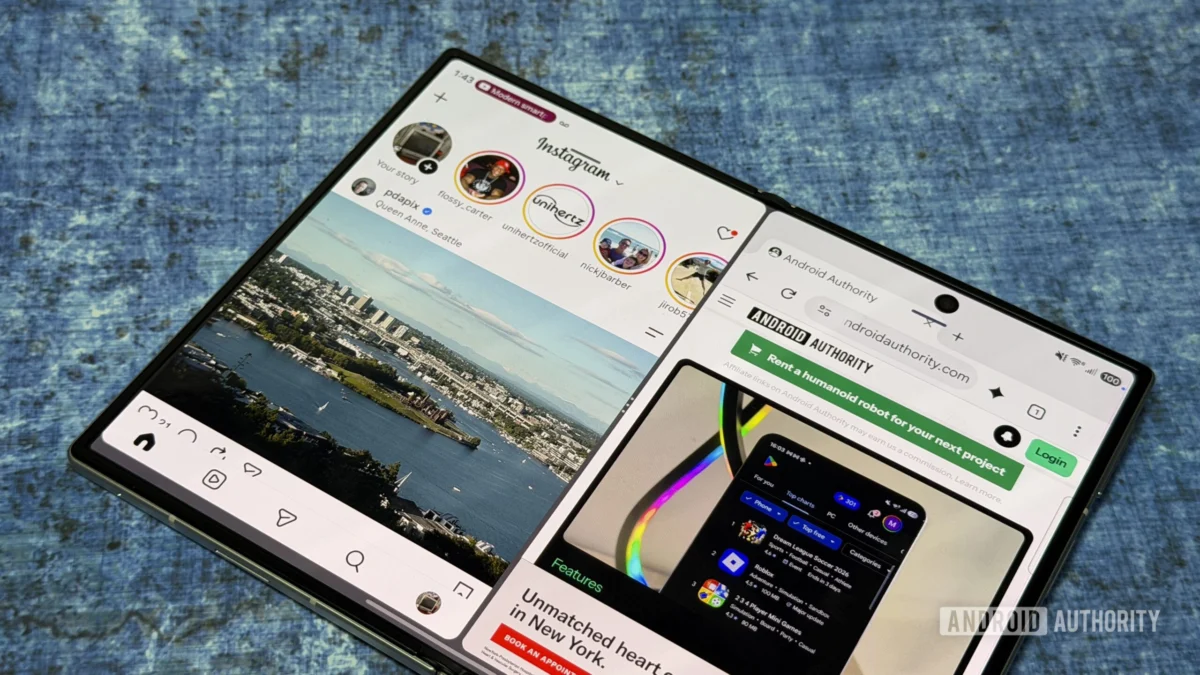
It has been nearly two weeks since the Samsung Galaxy Z Fold 8 was first integrated into daily mobile workflows, and the initial hands-on impressions have evolved into a profound appreciation for its sophisticated design and user-centric experience. While the device was previewed prior to its release, the sustained engagement with the Galaxy Z Fold 8 has proven to be remarkably compelling, even for a seasoned reviewer who typically tests over forty smartphones annually. This extended period of usage reveals a device that, despite acknowledging its inherent imperfections, transcends them through a superior overall execution. The Galaxy Z Fold 8 is poised to remain a primary mobile device, suggesting its appeal extends beyond the early adopter phase to a broader audience seeking a truly innovative mobile solution.
The Evolving Landscape of Foldable Technology
The advent of foldable smartphones has marked a significant paradigm shift in mobile device design, offering consumers the allure of a larger display within a more compact form factor. Samsung, a pioneer in this nascent market, has consistently iterated on its Galaxy Z Fold series, aiming to refine the user experience and address the challenges inherent in such innovative technology. The Galaxy Z Fold 8 represents the culmination of years of research and development, building upon the successes and lessons learned from its predecessors. While the initial market reception to early foldable devices was met with a degree of skepticism, the gradual improvements in durability, software optimization, and overall usability have steadily built consumer confidence. The Galaxy Z Fold 8 emerges at a time when the foldable market is maturing, with increased competition and evolving consumer expectations.
Form Factor: The Dominant Pillar of the Fold 8’s Appeal
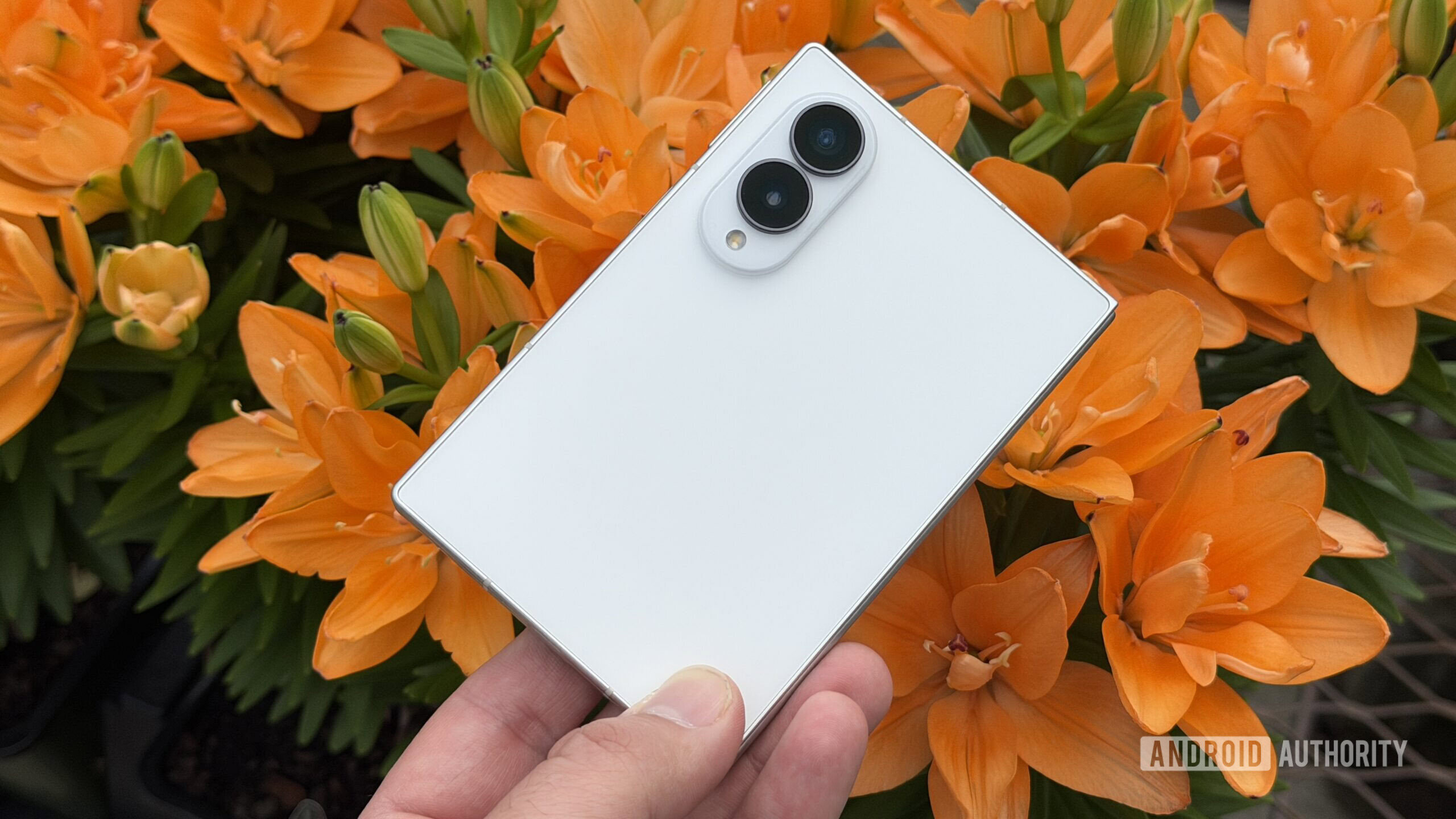
The physical design of the Galaxy Z Fold 8 is arguably its most significant attribute, addressing long-standing considerations that have historically relegated some book-style foldables to niche enthusiast categories. The reviewer’s experience, dating back to the Galaxy Z Fold 2, highlights a preference for clamshell foldables due to their inherent practicality. However, the Galaxy Z Fold 8 successfully bridges the gap for book-style devices, offering a compelling alternative.
Early iterations of large-screen foldables, while providing expansive internal displays, often struggled with ergonomic compromises. Devices like the Pixel 10 Pro Fold and the Galaxy Z Fold 7, though technically impressive, did not always translate into seamless daily usability. Even well-executed clamshell designs, such as the Motorola Razr Fold, while improving accessibility, still lacked a certain refinement that would make them universally appealing. The Galaxy Z Fold 8, however, appears to have achieved this elusive balance.
Samsung’s strategic approach to the Galaxy Z Fold 8’s dimensions is a critical factor in its success. The device is characterized by its lightweight construction and compact profile, making it comfortable to carry and use. Even for individuals with larger hands, the portability of the Galaxy Z Fold 8 is a notable advantage, fitting comfortably into pockets, including those of suit jackets. This emphasis on portability, often underestimated, is a crucial element in transitioning a foldable device from a premium novelty to a practical everyday tool.
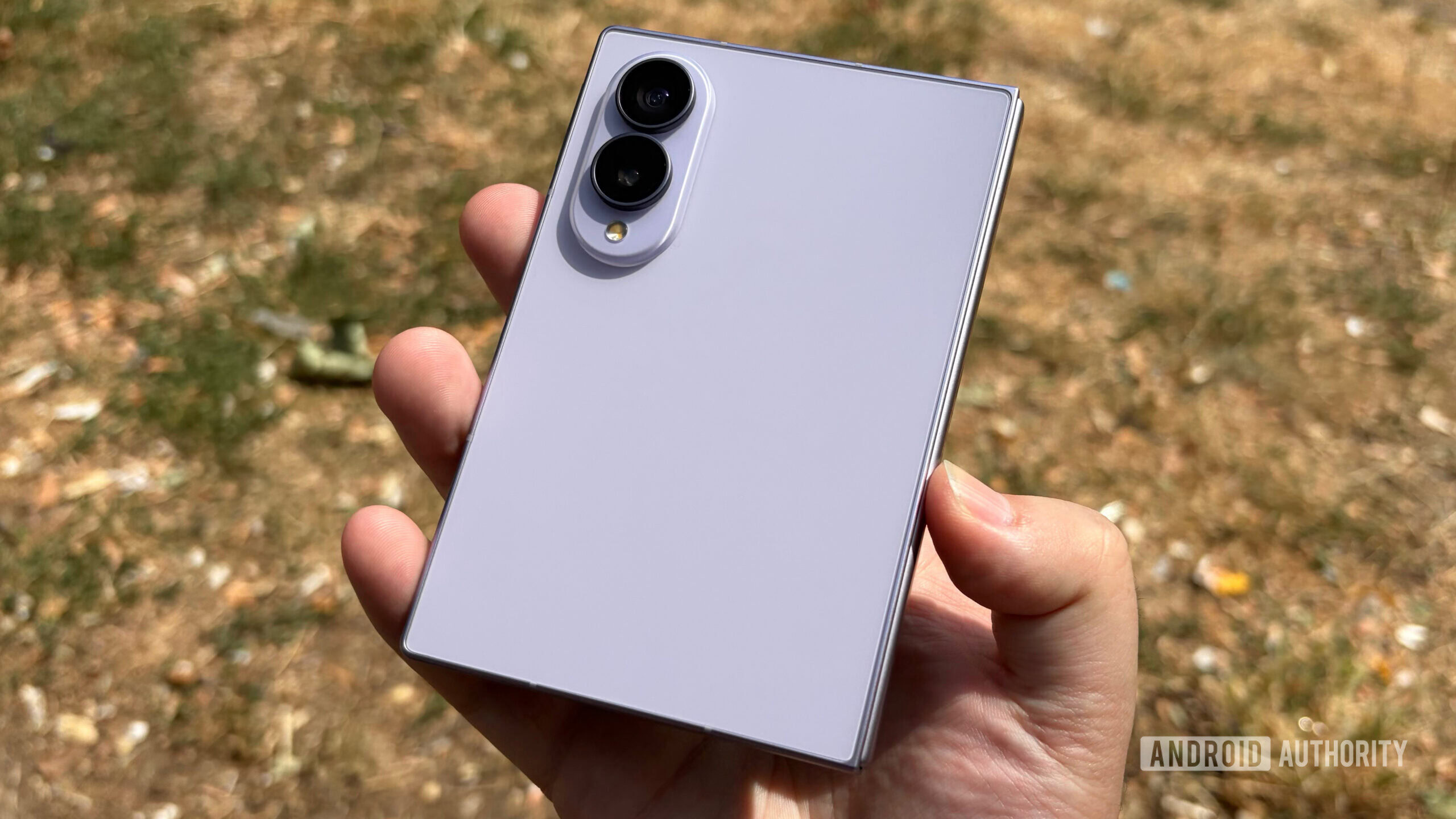
The company has learned from the lukewarm reception of earlier models, such as the original Pixel Fold, by avoiding perceived missteps. Instead of focusing solely on screen size, Samsung has prioritized an overall user experience that feels intuitive and accessible. This design philosophy addresses the core challenge of foldable technology: making the expansive display accessible and enjoyable without sacrificing the portability and familiarity of a traditional smartphone.
A Dual Persona: Two Distinct User Experiences
The Galaxy Z Fold 8’s 5.5-inch cover display strikes an optimal balance, offering sufficient versatility and ease of use to mitigate the constant urge to unfold the device. Its reduced height, compared to some previous models, enhances its practicality. While the wider 16:10 aspect ratio is not universally preferred, it presents social media feeds, emails, and web pages in an exceptionally clear and engaging manner. This thoughtful design ensures that common smartphone tasks are not a source of frustration when performed on the external screen.
Upon unfolding, the Galaxy Z Fold 8 truly delivers a dual-experience proposition, harmonizing the benefits of both compact and expansive displays. In contrast to devices like the Galaxy Z Fold 8 Ultra, where compromises in cover screen functionality or app aspect ratios can be noticeable, the Galaxy Z Fold 8 maintains a cohesive experience. The internal display’s near 1:1 aspect ratio, while offering significant screen real estate, does not present the same usability challenges found in some competitors. The reviewer notes that the need to unfold and rotate the device for optimal landscape viewing on certain models can be an annoyance, a pitfall that the Galaxy Z Fold 8 successfully avoids.
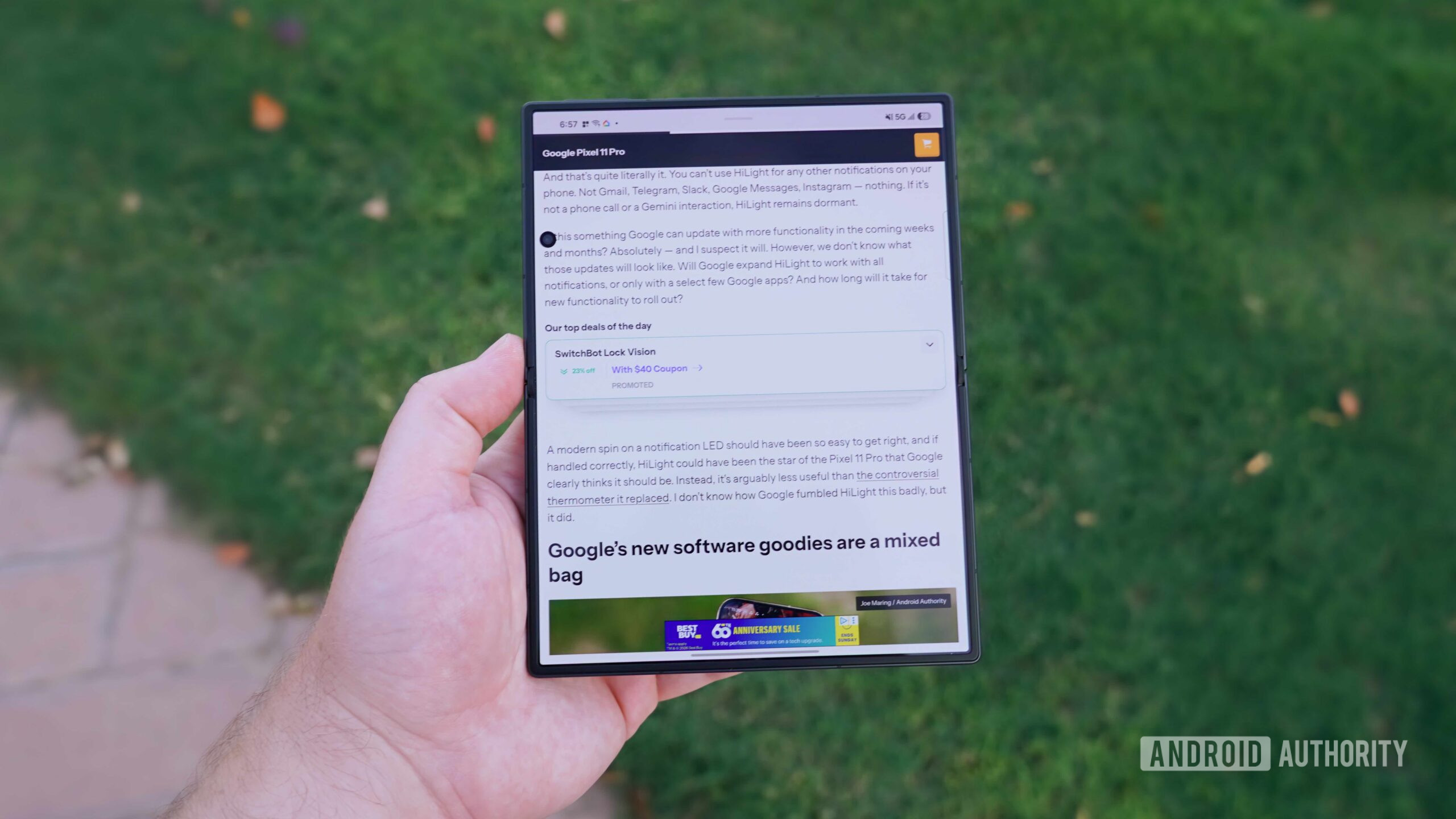
This seamless transition extends to everyday applications. Web browsing, navigation with Google Maps, video consumption on YouTube, and numerous other applications are rendered beautifully and function intuitively on the internal display. For applications that may not initially appear optimized or seem slightly compressed, the Galaxy Z Fold 8 offers a straightforward solution: switching to portrait mode provides a more traditional and comfortable viewing experience. This adaptability ensures that users can tailor the device’s display to their specific needs and preferences, maximizing utility and minimizing friction.
Software: A Complementary Ecosystem
The success of any hardware innovation, particularly in the complex realm of foldable technology, hinges critically on its software integration. Samsung has demonstrably excelled in this area with the Galaxy Z Fold 8, delivering a user experience that complements its advanced form factor. The process of setting up preferred app pairs is streamlined and intuitive, with the One UI 9 interface demonstrating an impressive ability to recall user-defined layouts and spacing adjustments.
While the seamless swapping of individual applications within an app pair is not as immediate as it was on devices like the Microsoft Surface Duo, the current implementation requires only a few clicks, offering substantial versatility. This thoughtful software design enhances the multitasking capabilities of the foldable.
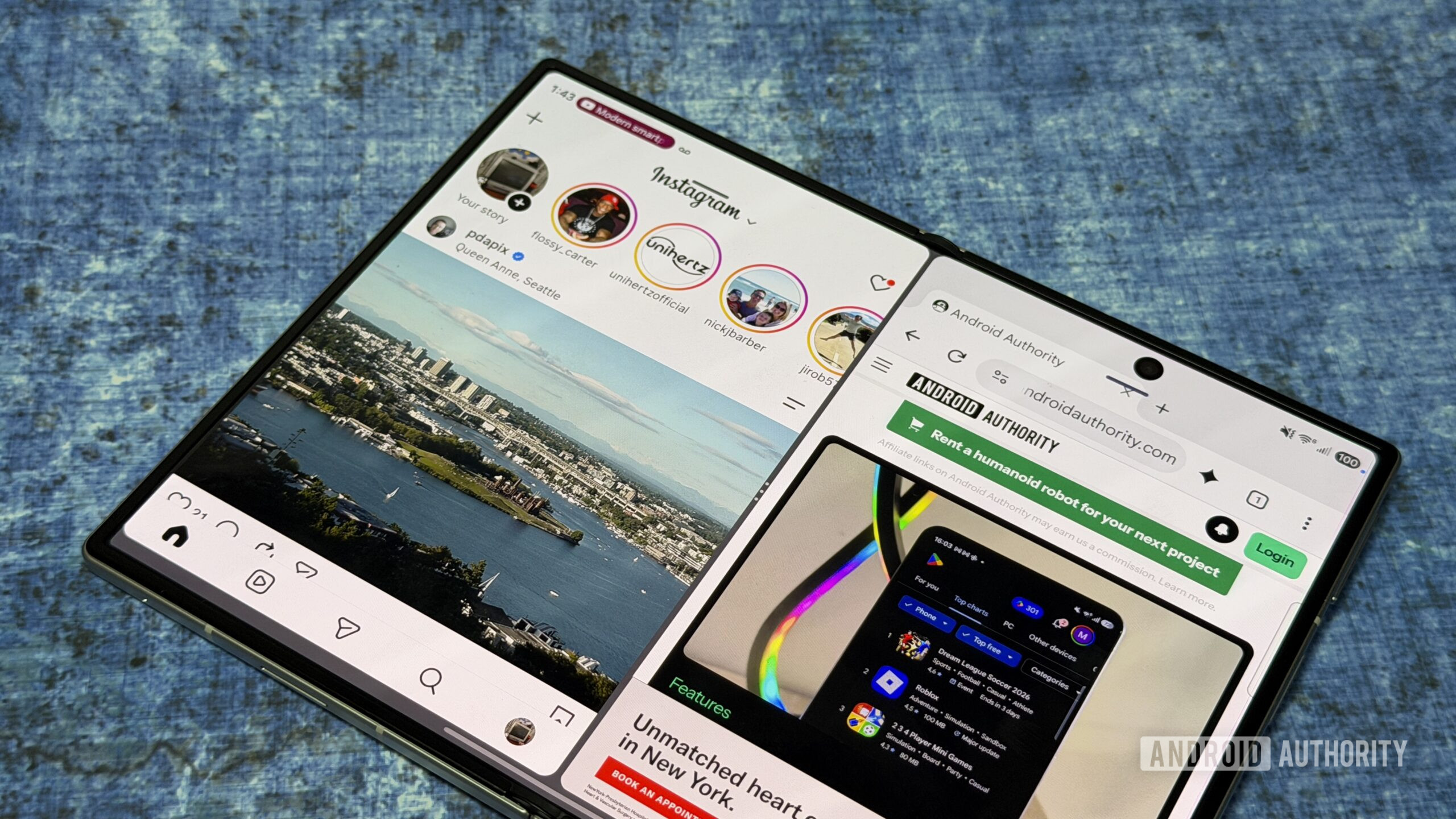
The continuity of applications across the different displays is exceptionally smooth. When transitioning from the cover screen to the unfolded internal display, applications automatically adapt to the larger form factor, allowing users to resume their tasks without interruption. This seamless app continuity, a feature that has been a hallmark of successive foldable generations, is implemented effectively on the Galaxy Z Fold 8, eliminating a common frustration experienced with earlier foldable devices.
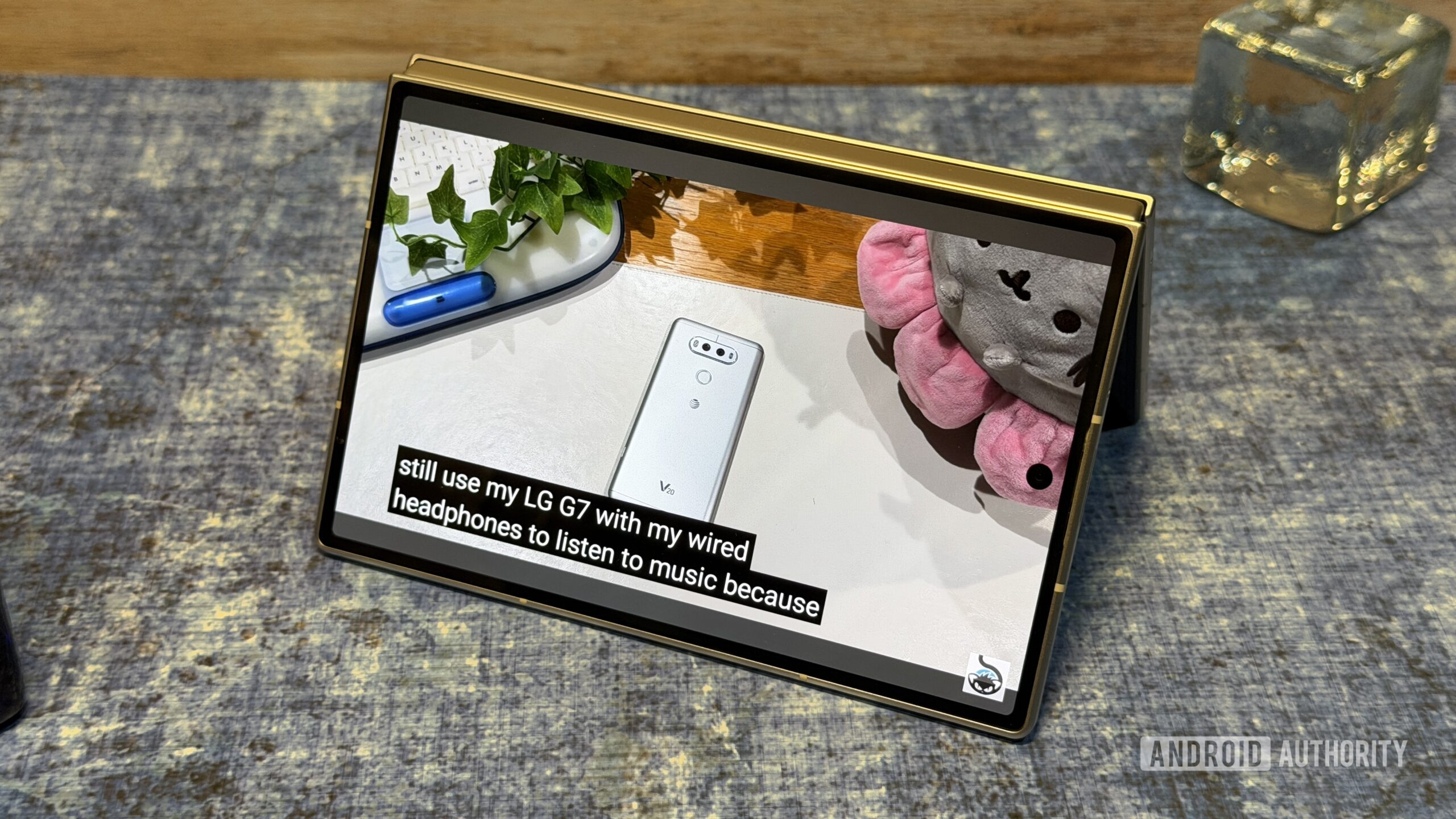
While the loss of Flex Mode on the Galaxy Z Fold 8 has been noted by some users, the reviewer highlights the exceptional utility of Tent Mode. Propping the Galaxy Z Fold 8 in this configuration provides an optimal viewing experience for content consumption, particularly for YouTube videos, where the 16:10 aspect ratio on the cover screen offers a captivating visual experience. This demonstrates Samsung’s commitment to exploring and refining unique usage modes that leverage the foldable design.
Acknowledging Imperfections: The Strengths Outweigh the Weaknesses
No smartphone, regardless of its innovation, is entirely without flaws. However, the truly exceptional devices are those that possess the ability to overshadow their shortcomings. The Galaxy Z Fold 8, while not perfect, achieves this remarkable feat. Potential buyers have rightly identified certain weaknesses, particularly concerning its camera system.
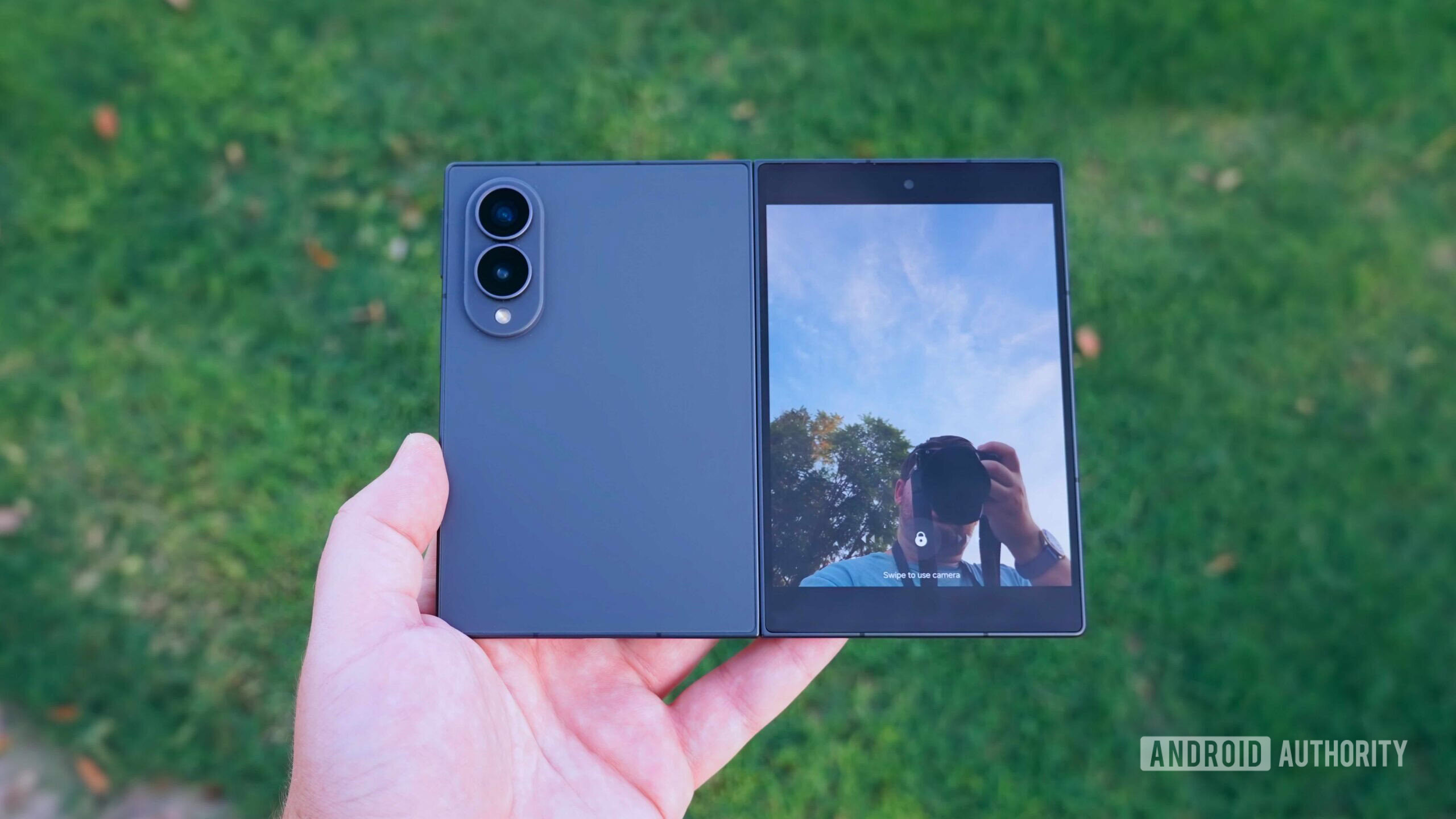
The cameras on the Galaxy Z Fold 8 present limitations, especially for users who require a telephoto lens on their foldable device. The image quality from the 50MP primary sensor, while capable, represents a discernible step down from the 200MP shooter found on the Galaxy S26 Ultra, and even from the Z Fold 8 Ultra. For a device priced at approximately $1,900, expectations for camera performance are understandably high. However, the reviewer’s personal experience indicates that the overall user satisfaction derived from the device supersedes these specific camera limitations.
Another area for improvement lies in the speaker performance. The placement of the speakers, a consequence of the device’s thin profile and internal design constraints, results in a somewhat hollow sound with limited bass. While the thinness of the device is a contributing factor, advancements in speaker technology could potentially yield a richer audio output from smaller components. Nevertheless, this sonic deficiency does not detract significantly from the overall user experience, particularly for those who utilize headsets for audio consumption.
It is understandable that some consumers may hesitate to invest in a $1,900 device that exhibits compromises. However, the Galaxy Z Fold 8 exemplifies a philosophy where not every device is designed for universal appeal. By focusing on a refined core experience, Samsung has produced a foldable device that, for many, offers a truly glorious and compelling mobile solution. The device’s strengths in design, usability, and software integration collectively outweigh its acknowledged weaknesses, positioning it as a significant contender in the premium smartphone market.
Broader Implications for the Foldable Market
The success of the Galaxy Z Fold 8 carries significant implications for the broader foldable smartphone industry. Samsung’s continued refinement of its book-style foldable design suggests a strategic direction that prioritizes user experience and practicality. This approach is likely to influence competitors, encouraging them to focus on similar aspects of portability, display optimization, and seamless software integration.
The pricing of the Galaxy Z Fold 8, while substantial, represents a more accessible entry point into Samsung’s premium foldable lineup compared to some ultra-high-end variants. This suggests a market strategy aimed at broadening the appeal of foldables beyond the most discerning enthusiasts. As foldable technology matures, the expectation is for prices to gradually decrease, making these innovative devices more attainable for a wider consumer base.
The emphasis on refined form factor and user-centric software also indicates a shift in the foldable market. Early iterations were often characterized by technological novelty. However, the current trend, exemplified by the Galaxy Z Fold 8, points towards a focus on practical utility and everyday usability. This evolution is crucial for the long-term growth and mainstream adoption of foldable smartphones. The Galaxy Z Fold 8 is not merely an iteration; it represents a confident step forward in making the foldable concept a compelling and practical choice for a diverse range of users.