Clarissa Hana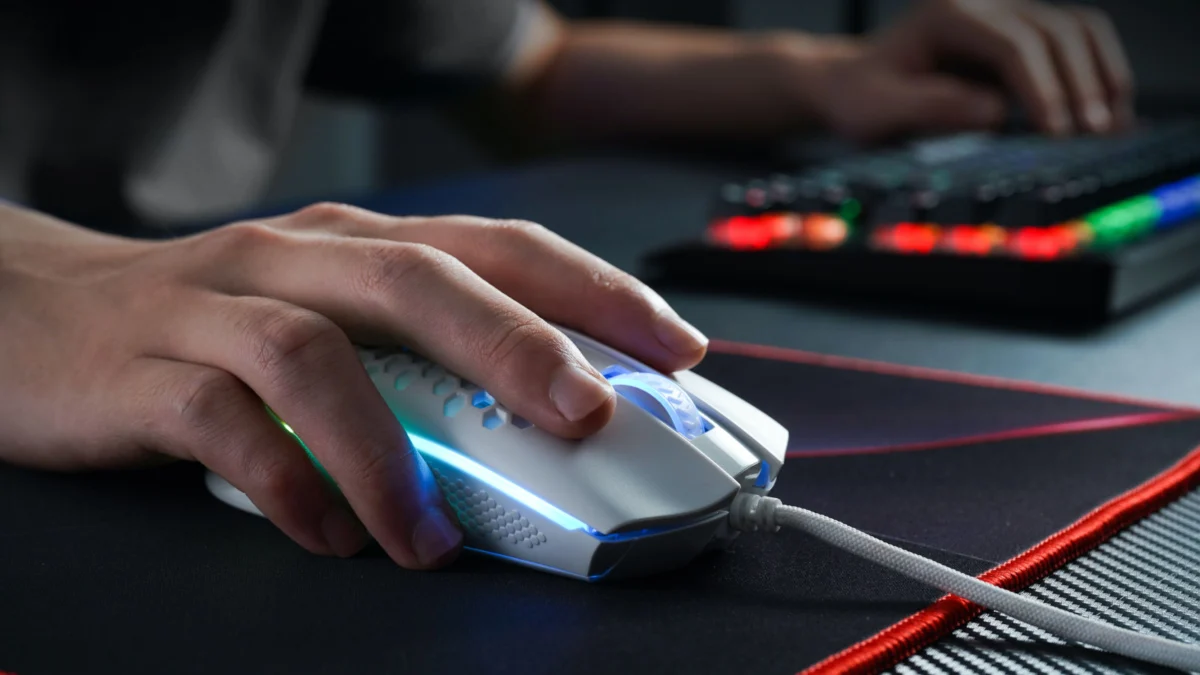
Microsoft has acknowledged and is actively investigating a series of disruptive issues impacting gamers following the rollout of its August 2026 Windows updates. Users across systems running Windows 11 24H2 and 25H2 have reported a significant increase in game crashes, failures to launch, and even unexpected system reboots. The company’s preliminary findings point towards a surprising culprit: drivers and components associated with peripherals and internal hardware featuring RGB lighting. This development adds another chapter to Microsoft’s ongoing challenges in ensuring seamless gaming experiences on its flagship operating system, particularly as the gaming industry continues its rapid expansion.
The problematic updates, specifically KB5121003 and subsequent releases from August 11, 2026, have become a focal point for user complaints. The scope of the affected games is varied, with notable titles like ARC Raiders, MARVEL’s Midnight Suns, and The Finals experiencing severe performance degradation. Beyond outright crashes, gamers are encountering persistent freezes and frustrating "EXCEPTION_ACCESS_VIOLATION" errors, which indicate a critical failure in how the game’s code is interacting with the system’s memory. These issues are not isolated incidents but represent a widespread phenomenon affecting a significant portion of the Windows gaming community.
Chronology of the Emerging Crisis
The timeline of this unfolding situation began with the release of the August 2026 cumulative updates. Microsoft’s Windows release health dashboard, a platform typically used to communicate known issues and their resolutions, became the primary channel for acknowledging the growing problem. On Wednesday, the company officially confirmed it was investigating reports of games becoming unresponsive or failing to start. This initial confirmation was a crucial step, providing some reassurance to affected users that their concerns were being heard.
The situation escalated on Thursday when Microsoft provided a more detailed update, directly implicating RGB lighting components. The company stated, "Ongoing investigation indicates that this issue is related to peripherals or internal device components which have RGB lighting features. Such devices may install drivers or code components with file names similar to inpoutx64. In systems where these drivers are found, the issue is then triggered by launching certain games." This statement marked a significant pivot, shifting the focus from a general Windows update bug to a specific interaction with a popular category of PC hardware.
The RGB Connection: A Deeper Dive
The revelation that RGB lighting peripherals could be at the heart of these gaming woes has sent ripples through the PC enthusiast community. RGB lighting has become a ubiquitous feature in modern gaming setups, from keyboards and mice to motherboards and graphics cards. Manufacturers often bundle proprietary software with these devices, which installs drivers and system-level components to control the lighting effects, synchronize colors, and offer customization options. It appears that some of these components, particularly those identified with the file name "inpoutx64," are now in direct conflict with the latest Windows kernel updates.
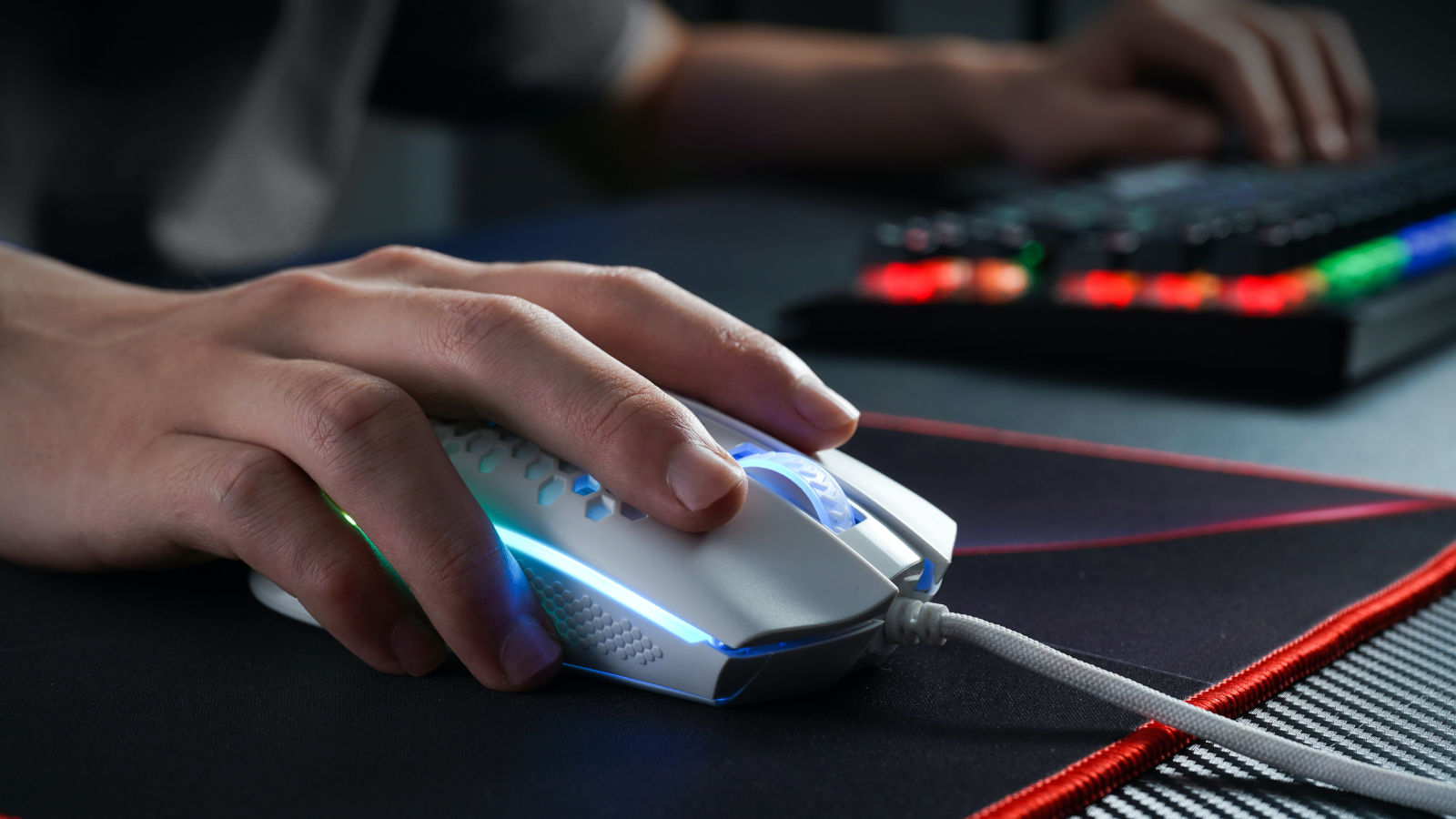
The "inpoutx64.sys" driver, according to Microsoft’s investigation, seems to be the critical link. This driver, often associated with low-level hardware interaction, may have undergone changes in its functionality or implementation within the August updates. When this updated Windows component encounters the specific implementation of "inpoutx64" installed by RGB device software, it triggers a system instability that manifests as game crashes or failures to launch. The exact nature of this conflict is still under investigation, but it suggests a deeper architectural change within the Windows kernel that inadvertently clashes with established driver practices for RGB hardware.
Developer Insights and Unofficial Solutions
The impact of these issues was keenly felt by game developers themselves. Embark Studios, the Swedish developer behind the affected titles ARC Raiders and The Finals, was quick to address the situation with its player base. In a patch notes update released on Monday, Embark Studios confirmed that the crashes were indeed linked to the "inpoutx64.sys" file and that the issue stemmed from recent modifications to the Windows kernel driver.
"We’re aware of a crash that has been impacting some players since the most recent Windows update (KB5121003). This is a crash related to the file inpoutx64.sys, which changed with the Windows update," Embark stated. Recognizing the severity of the problem and the potential delay in an official Microsoft fix, Embark Studios took the initiative to provide a temporary, albeit complex, workaround for its players. This unofficial solution involves users manually deleting the service associated with "inpoutx64" and removing the file from the Windows drivers folder. While effective for some, this method carries inherent risks for users unfamiliar with system file manipulation, underscoring the need for a swift and official resolution from Microsoft. The proactive stance by Embark Studios highlights the collaborative, though sometimes strained, relationship between game developers and operating system providers in maintaining a stable gaming ecosystem.
Historical Precedents: A Recurring Challenge for Microsoft
This latest gaming instability incident is not an isolated event for Microsoft. The company has faced similar challenges in the past, particularly with its Windows 11 operating system and its more recent updates. These recurring issues suggest a persistent difficulty in balancing the introduction of new features and security patches with the diverse and often complex landscape of gaming hardware and software.
For instance, in October 2024, Microsoft was compelled to block upgrades to Windows 11 24H2 for certain systems due to widespread gaming performance problems. This block was implemented after reports indicated that the update was causing crashes in popular games like Asphalt 8 and leading to "blue screen" errors when Easy Anti-Cheat was involved. This precautionary measure, while disruptive for some, aimed to prevent further damage to user experiences.
Earlier in January 2025, Microsoft had to lift a compatibility hold that was preventing some users from installing a specific Windows 11 update. The hold was put in place to address a bug within the Auto HDR feature of Windows, which was inadvertently causing game freezes on Windows 11 24H2 devices. The resolution of this issue involved extensive testing and patching by Microsoft’s development teams.
Furthermore, early in 2026, Microsoft had to remove several upgrade blocks that were hindering players of major titles such as Asphalt 8: Airborne, Assassin’s Creed, Star Wars Outlaws, and Avatar: Frontiers of Pandora from upgrading their devices to the latest Windows version. These blocks were a direct consequence of compatibility conflicts discovered after updates were released, highlighting a continuous cycle of identification, blocking, and eventual resolution of gaming-related bugs.
Broader Implications for the Gaming Ecosystem
The implications of this ongoing saga extend beyond mere inconvenience for gamers. For Microsoft, it represents a significant challenge to its reputation as a reliable platform for gaming. As PC gaming continues to grow, with an increasing number of users relying on Windows for their gaming needs, stability and performance are paramount. Each incident of widespread instability can erode user trust and potentially drive some users towards alternative platforms or operating systems, although the dominance of Windows in the PC gaming market makes this a less likely scenario in the short term.
For hardware manufacturers, particularly those producing RGB peripherals, this situation could necessitate a review of their driver development practices and their compatibility testing protocols. The reliance on low-level system drivers for advanced functionality like RGB control means that any change in the operating system’s core can have unforeseen consequences. A more robust and collaborative approach between hardware vendors and Microsoft could lead to more resilient driver architectures that are less susceptible to such conflicts.
For game developers, the unpredictability of operating system updates poses a constant threat to their releases. The need to develop games that are compatible with a wide range of Windows versions and configurations, while also accounting for potential conflicts with third-party software and hardware, adds a layer of complexity to the development process. The reliance on workarounds, while sometimes necessary, is not a sustainable long-term solution.
Looking Ahead: The Path to Resolution
Microsoft’s commitment to resolving this issue is evident in its active investigation and communication. The company has stated, "We are presently working to understand the relationship between these RGB components and the games which trigger this issue. We will provide an update when more information is available." This suggests that a comprehensive fix, likely involving a Windows update that addresses the kernel driver conflict or provides a more robust method for handling such interactions, is in development.
Until then, affected users are left with a difficult choice: disable their RGB lighting features, potentially impacting the aesthetic of their setups, or continue to experience game instability. The unofficial workaround provided by Embark Studios offers a lifeline but comes with its own set of risks. The gaming community will be eagerly awaiting Microsoft’s official response, hoping for a swift and permanent resolution that restores the expected stability and performance for gaming on Windows. The recurring nature of these issues underscores the critical importance of thorough testing and robust compatibility management within Microsoft’s update processes, especially as the technological landscape of PC gaming continues to evolve at an unprecedented pace. The integration of hardware and software in modern computing demands a more proactive and symbiotic approach to ensure a seamless experience for all users, particularly those who invest heavily in their gaming setups.