Garick Elordi
Bit Reactor, the independent development studio behind the critically acclaimed tactical strategy title Star Wars: Zero Company, has officially begun the process of reinstating staff members who were placed on furlough shortly before the game’s release. The announcement, made by CEO Greg Foertsch, marks a pivotal turning point for the Maryland-based studio, which has spent the last several months navigating a complex landscape of internal legal disputes and financial instability despite the commercial success of its debut project. The move to bring developers back to the payroll follows a period of intense uncertainty that saw nearly 80% of the studio’s workforce sidelined at a critical juncture in the game’s lifecycle.
In a formal statement released via social media, Foertsch characterized the return of the team as an "important step forward" for the continued health of the studio and the ongoing support of Star Wars: Zero Company. The CEO acknowledged the difficulty of the decision to furlough staff so close to the game’s launch, attributing the move to "unexpected business developments" that occurred outside the direct control of the creative team. While the studio has not provided an exact headcount for the returning staff, industry reports suggest that more than half of the original team has now been transitioned back to active status.
The Context of the Bit Reactor Furloughs
The crisis at Bit Reactor became public knowledge in the weeks leading up to the launch of Star Wars: Zero Company. Reports surfaced that approximately 80% of the studio’s employees had been placed on a leave of absence without pay or benefits. This development was particularly jarring to the industry, as the game was generating significant pre-release buzz and was seen as a flagship title for the resurgence of the Star Wars brand in the strategy genre.
The root cause of the financial shortfall was not the game’s performance, but rather a legal conflict between the studio’s co-founders. Bit Reactor was established by veterans of Firaxis Games, the studio renowned for the XCOM and Civilization franchises. Greg Foertsch, who served as the Art Director on XCOM: Enemy Unknown and XCOM 2, co-founded the studio alongside Alison Kelly. However, a legal dispute over the ownership and management of the company eventually led to Foertsch gaining sole ownership. This transition period apparently created a liquidity crisis, as the studio reportedly ran out of the necessary capital to maintain its full headcount during the final stretch of development and the immediate post-launch window.
The decision to furlough rather than lay off staff was a strategic attempt to preserve the team’s expertise, though it left dozens of developers in a precarious financial position. For many, the furlough meant a total loss of income and healthcare benefits during a period where the fruits of their multi-year labor were finally being shared with the public.
Star Wars: Zero Company and the XCOM Legacy
Despite the internal turmoil, Star Wars: Zero Company launched to widespread critical acclaim. The game was lauded for its sophisticated tactical depth, which many critics noted was a spiritual successor to the XCOM series. By blending the high-stakes, turn-based combat of classic strategy games with the cinematic flair of the Star Wars universe, Bit Reactor managed to capture a segment of the market that had been underserved since the conclusion of the XCOM 2 expansion cycle.
The game’s success was immediate. Within its first few weeks on the market, Star Wars: Zero Company surpassed one million units sold. This milestone is particularly impressive for a tactical strategy game, a genre that often struggles to achieve mainstream commercial penetration compared to first-person shooters or open-world action-adventure titles. The game’s ability to translate complex mechanics—such as cover systems, line-of-sight calculations, and squad-based ability synergies—into a package that felt authentic to the Star Wars aesthetic was cited as its greatest achievement.
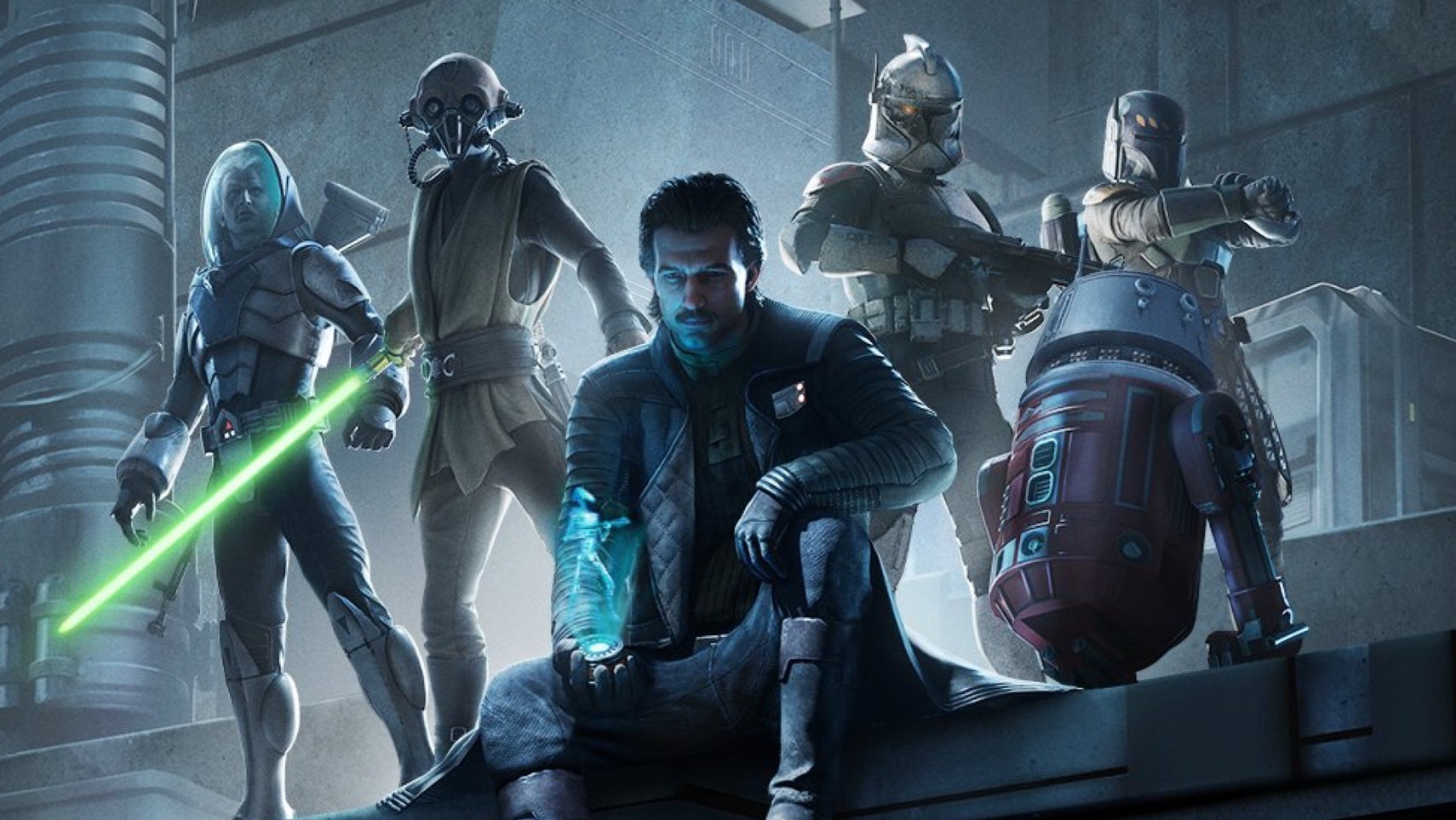
Players took control of "Zero Company," a specialized unit operating across various eras of the Star Wars timeline. The inclusion of Jedi, Mandalorians, and Clone Troopers provided a diverse tactical sandbox that allowed for varied playstyles. This mechanical variety, combined with high-fidelity visuals and a narrative that explored the "boots on the ground" perspective of the galactic conflict, solidified Bit Reactor’s reputation as a top-tier developer in the strategy space.
A Chronology of Studio Developments
The timeline of Bit Reactor’s trajectory reflects both the volatility of independent game development and the resilience of the studio’s creative core:
- January 2022: Bit Reactor is officially announced, founded by former Firaxis veterans with the goal of "ushering in a new era of strategy games." The studio confirms a partnership with Respawn Entertainment and Electronic Arts to develop a Star Wars strategy title.
- 2022–2023: The studio scales up, hiring talent from across the industry to build Star Wars: Zero Company. Development proceeds with a focus on high-production values and tactical innovation.
- Late 2023: Internal tensions between co-founders Alison Kelly and Greg Foertsch escalate into a legal battle regarding the company’s corporate structure and ownership.
- Early 2024: As the game nears its final gold master stage, the legal dispute concludes with Foertsch assuming sole ownership. However, the financial strain of the transition and legal fees impacts the studio’s cash reserves.
- Pre-Launch (Weeks prior): Bit Reactor issues furloughs to approximately 80% of its staff. The news breaks via industry insiders and social media posts from affected employees.
- Launch Day: Star Wars: Zero Company is released to high review scores and strong sales, hitting the 1-million-copy mark shortly thereafter.
- Post-Launch (Current): CEO Greg Foertsch announces the beginning of the reinstatement process, bringing more than 50% of the staff back to work to support the game’s live service and future updates.
Industry Implications and the "AA" Development Model
The situation at Bit Reactor serves as a case study for the risks inherent in the "AA" development tier—studios that produce high-quality, mid-to-large budget games but lack the massive safety nets of multi-billion-dollar parent corporations. While Bit Reactor worked in partnership with EA and Respawn, it remained an independent entity responsible for its own payroll and internal management.
The gaming industry has seen a wave of layoffs and studio closures throughout 2023 and 2024, often driven by rising interest rates, post-pandemic market corrections, and the escalating costs of game production. Bit Reactor’s story is unique in that the studio’s primary obstacle was internal governance rather than market rejection. The fact that the studio is now able to bring workers back is a testament to the revenue generated by Zero Company, which has seemingly provided the necessary capital to resolve the liquidity issues caused by the ownership dispute.
However, the return to work is not yet complete. With roughly half the team back, a significant portion of the original workforce remains in a state of limbo. Analysts suggest that the speed at which the remaining staff are reinstated will likely depend on the continued sales performance of Zero Company and the potential for future DLC or expansion content.
Official Responses and Team Morale
In his statement, Foertsch emphasized the value he places on the team and the difficulty of the furlough decision. "This team means a tremendous amount to me, and I am incredibly proud of what we have accomplished together," he stated. He also thanked the fan base for their support, noting that the positive reception of the game was a crucial factor in the studio’s ability to begin the recovery process.
From the perspective of the developers, the experience has been a "rollercoaster of emotions," according to anonymous reports from those close to the studio. While there is relief that the studio is stabilizing, the period of furlough has left scars. The loss of benefits and the uncertainty of whether their roles would ever return created significant stress, even as the game they built received accolades from around the world. The successful reinstatement of more than half the team is viewed as a positive sign, but the industry is watching closely to see if Bit Reactor can fully restore its original headcount and culture.
The Future of Star Wars: Zero Company
With a significant portion of the team back in the office, the focus now shifts to the long-term roadmap for Star Wars: Zero Company. Strategy games of this caliber typically rely on post-launch support, including balance patches, new maps, and eventually, story expansions. The success of the "XCOM model" often depends on the "long tail" of sales driven by these updates.
Fans are hopeful that the reinstated team will be able to address community feedback and introduce new content that expands the game’s tactical horizons. There are already rumors of expansions focusing on the High Republic era or the period between the original and sequel trilogies, though Bit Reactor has yet to confirm any specific plans.
The broader Star Wars gaming ecosystem also stands to benefit from Bit Reactor’s stability. Under the Lucasfilm Games label, Disney has moved away from an exclusive licensing agreement with EA, allowing for a more diverse range of developers to tackle the IP. Bit Reactor’s success with Zero Company proves that there is a massive appetite for Star Wars stories outside of the traditional action-adventure genre, provided the mechanical foundation is solid.
As Bit Reactor continues its recovery, the story of Star Wars: Zero Company remains one of the most remarkable of the year: a game that succeeded against the odds of internal collapse, and a studio that is fighting to bring its people back to the world they helped create. The coming months will determine if Bit Reactor can fully move past its "Zero" hour and build a sustainable future in the highly competitive landscape of game development.