Garick Elordi
The landscape of the military first-person shooter market has undergone a significant and unexpected shift as Call of Duty: Modern Warfare, the 2019 reboot developed by Infinity Ward, has surged to the top of the Steam charts. This resurgence comes years after the title was arguably sidelined by Activision in favor of newer annual releases and the integrated "Call of Duty HQ" ecosystem. The primary catalyst for this sudden spike in player activity is the ongoing Steam Spring Sale, which has seen the title’s price point reduced by an unprecedented 90 percent. Currently retailing for approximately £4.99, the game has reached a level of affordability rarely seen in the history of the franchise, leading to a massive influx of both returning veterans and new players.
The statistical impact of this discount is profound. According to the latest data from SteamDB, Call of Duty: Modern Warfare (2019) achieved a 24-hour peak of 57,959 concurrent players. This figure is particularly striking when compared to the performance of the current flagship offering, the "Call of Duty" application. This unified launcher, which houses the most recent entries including Black Ops 6 and the recently launched Black Ops 7, recorded a lower 24-hour peak of 50,325 concurrent players during the same period. While these Steam-specific numbers do not account for the substantial player bases on PlayStation 5, Xbox Series X|S, or Activision’s proprietary Battle.net launcher, they serve as a critical barometer for current consumer sentiment and platform-specific trends.
The Strategic Significance of the 90 Percent Discount
For industry analysts, the 90 percent price reduction represents a departure from Activision’s traditional pricing strategy. Historically, the publisher has maintained high price points for legacy titles, often keeping games that are over a decade old, such as 2012’s Call of Duty: Black Ops 2, at price points exceeding £13 even during major sales. The decision to drop the 2019 reboot to a "impulse buy" level suggests a calculated move by Microsoft and Activision.
Observers suggest that this aggressive pricing may be a strategic effort to consolidate the player base ahead of the rumored 2026 release of Modern Warfare 4. By lowering the barrier to entry for the game that initiated the current narrative continuity, the publisher is effectively onboarding a new generation of players into the Modern Warfare ecosystem. Furthermore, it highlights a potential acknowledgment that the current "Call of Duty HQ" model—which has faced criticism for its bloated file sizes and complex user interface—may be driving players back toward standalone, streamlined experiences.
Chronology of the Modern Warfare Reboot Era
To understand the current resurgence, it is necessary to examine the timeline of the Modern Warfare reboot and its role in shaping the modern FPS landscape:
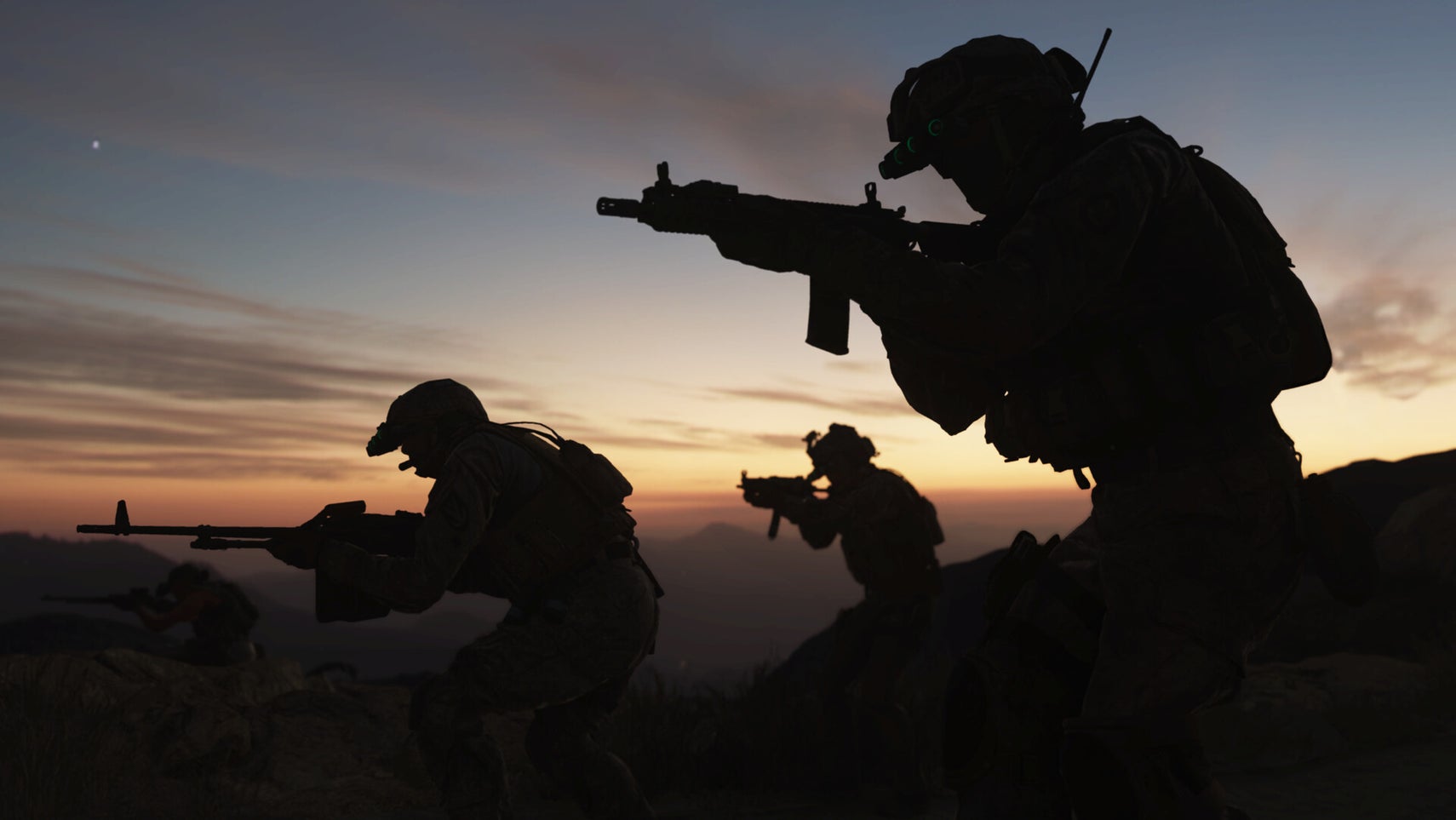
- October 2019: Call of Duty: Modern Warfare launches, introducing the IW 8.0 engine. It is praised for its realistic lighting, improved animations, and the "Gunsmith" weapon customization system.
- March 2020: Warzone launches as a free-to-play component of Modern Warfare, becoming a global phenomenon and fundamentally changing the franchise’s business model.
- 2022–2023: The releases of Modern Warfare II and Modern Warfare III transition the series into a unified launcher system, eventually leading to the creation of the Call of Duty HQ app.
- Late 2024: Black Ops 7 is released to mixed critical reception. While it remains a top-grossing title, player fatigue regarding the live-service model and "Ems" (Engagement Optimized Matchmaking) begins to surface in community discourse.
- Spring 2025: The 90 percent Steam discount triggers a mass migration back to the 2019 title, which many players consider the "gold standard" of the reboot era.
Comparative Performance Against Battlefield 6
The surge in Modern Warfare (2019) activity has not only impacted its own franchise siblings but has also challenged its primary competitor, Electronic Arts’ Battlefield 6. Released last year, Battlefield 6 was initially hailed as a return to form for the series, attempting to reclaim the crown of the premier large-scale military shooter. However, the game has recently struggled with player retention following the conclusion of its second post-launch season.
While Battlefield 6 maintained a slightly higher 24-hour peak during the height of its recent update, the fact that a six-year-old Call of Duty title is consistently matching or exceeding its concurrent player count on Steam is a cause for concern for EA and DICE. The data suggests that the mechanical polish and "feel" of the 2019 Modern Warfare engine—which introduced features like tactical sprint and mounting—continue to hold a high degree of "stickiness" for players who find newer titles in both franchises lacking in certain fundamental areas.
Technical and Aesthetic Appeal
A significant factor in the 2019 title’s longevity is its technical foundation. Modern Warfare (2019) was the first game in the series to utilize a completely overhauled engine, providing a level of visual fidelity and audio engineering that many fans argue has not been significantly surpassed by its sequels. The game’s focus on a "gritty" and "grounded" aesthetic stands in contrast to the more colorful, skin-focused, and often fantastical elements found in the current iterations of Warzone and Black Ops.
For many players, the return to Modern Warfare (2019) is a return to a perceived purity in the franchise. The game offers a standalone experience that does not require navigating the multi-layered menus of the Call of Duty HQ. Additionally, the file size management, while still substantial, is more predictable for users who only wish to engage with a single entry rather than the entire integrated suite of recent titles.
Market Implications and the Future of the Franchise
The current situation presents a complex set of implications for Activision and its parent company, Microsoft. On one hand, the high player count for a legacy title validates the enduring quality of the 2019 reboot. On the other hand, it highlights a potential "cannibalization" effect where older, cheaper titles compete for the attention of players who might otherwise be spending time and money in the microtransaction-heavy environments of Black Ops 7 or Warzone.
Industry experts believe this trend might influence how future Call of Duty titles are packaged. There is a growing vocal demand within the community for a return to standalone clients that prioritize performance and user experience over cross-title integration. If Modern Warfare (2019) continues to maintain these player numbers, it may force a re-evaluation of the "HQ" strategy for the upcoming 2026 release cycle.

Official Reactions and Community Sentiment
While Activision has not issued a formal statement regarding the specific success of the Steam sale, internal sources suggest that the publisher is closely monitoring the engagement metrics. The "obsolete" tag previously associated with legacy titles is being challenged by the sheer volume of active users. Community forums and social media platforms are currently flooded with discussions comparing the 2019 title to the current offerings, with a prevailing sentiment that the 2019 entry offers a superior "tactical" experience.
Proponents of the 2019 title point to the map design, specifically the inclusion of classic and "realistic" environments, as a major draw compared to the more "arcade-like" maps of the Black Ops series. Furthermore, the 2019 campaign remains a high point for the series’ narrative, and many new purchasers are citing the single-player experience as a primary reason for their purchase at the £4.99 price point.
Conclusion: A Turning Point for Legacy Titles?
The resurgence of Call of Duty: Modern Warfare (2019) serves as a potent reminder of the power of pricing and the enduring value of a well-executed technical foundation. In an era dominated by live-service models and constant updates, the sudden dominance of a "legacy" title suggests that players are increasingly willing to look backward to find the experiences they crave.
As the Steam Spring Sale concludes, the industry will be watching to see if this player base remains consistent or if it is a temporary anomaly. Regardless, the data has sent a clear message: the 2019 reboot is not merely a piece of franchise history; it remains a formidable competitor in the modern FPS market, capable of standing toe-to-toe with the billion-dollar blockbusters of today. Whether this leads to a shift in Activision’s long-term strategy remains to be seen, but for now, the king of 2019 has successfully reclaimed its crown on the Steam charts.