
 George Chandra Eka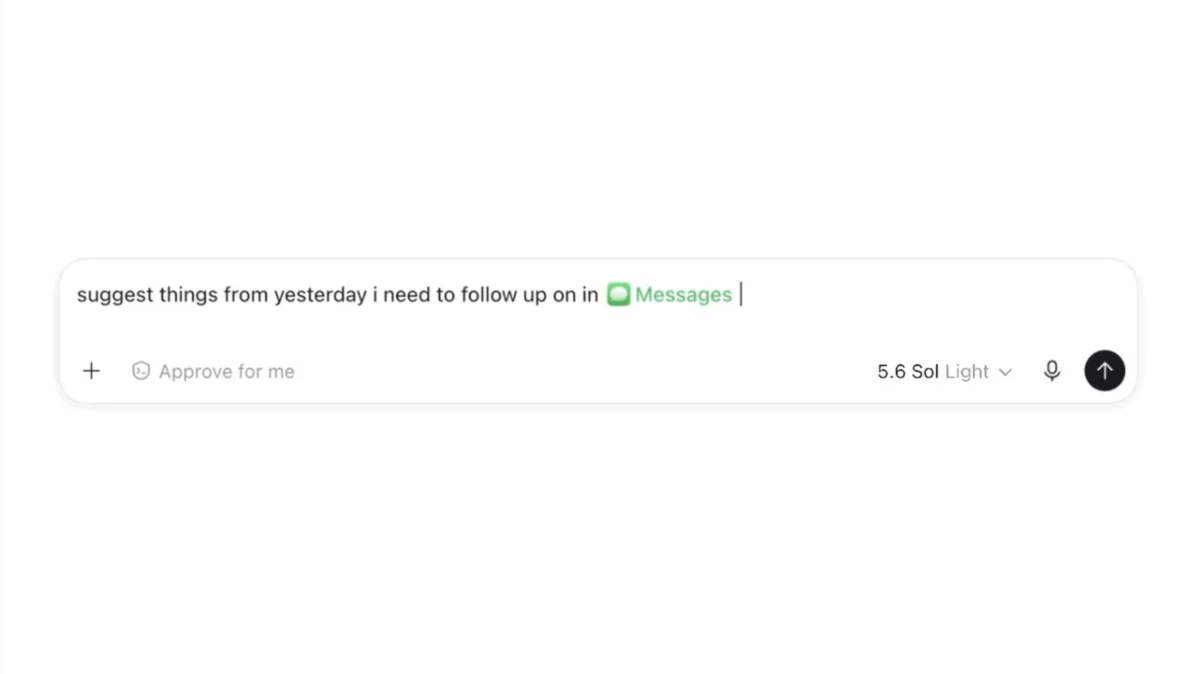
OpenAI has launched a plugin for its ChatGPT Work and Codex users on Mac, enabling unprecedented integration with Apple’s native Messages application. This development, first reported by Bloomberg, allows the artificial intelligence chatbot to not only search through users’ iMessage conversations but also to draft and dispatch replies directly from the desktop interface. While offering a potentially powerful productivity tool, this deep integration immediately ignites significant privacy and security concerns, particularly given Apple’s historically stringent control over its ecosystem and its contentious relationship with OpenAI.
Unpacking OpenAI’s iMessage Plugin for Mac
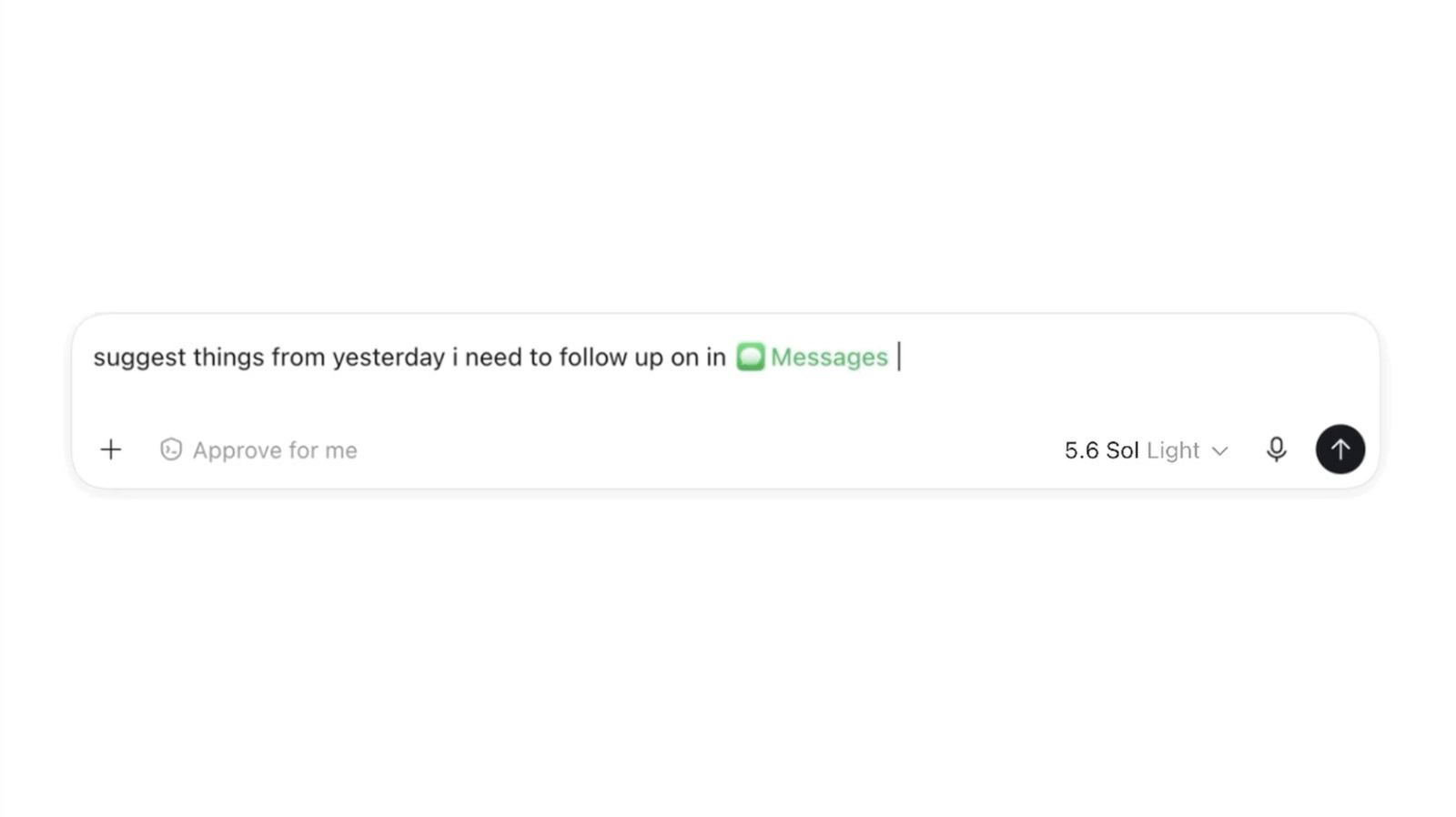
The new plugin represents a significant leap in how AI models interact with personal communication platforms. For users subscribed to ChatGPT Work or Codex, the functionality is designed to streamline digital communication by leveraging AI to manage and respond to messages. An example provided by OpenAI illustrates a user requesting ChatGPT to sift through missed conversations from the previous day in their Messages app, followed by the chatbot composing and sending a relevant reply. This demonstrates a potential for highly automated and integrated messaging, moving beyond simple drafting assistance to direct interaction with the messaging system.
Deep Dive into Plugin Functionality and User Requirements
Crucially, the feature is explicitly opt-in, requiring a series of deliberate actions from the user to enable. This design choice aims to address some of the immediate privacy concerns by placing the onus of activation squarely on the user. The installation process for the plugin involves several critical steps, each granting ChatGPT extensive access to sensitive areas of the user’s Mac operating system and personal data.
First, during the initial setup, users will encounter a permissions screen prompting them to grant ChatGPT access to their Mac’s on-device Messages history. This particular permission is foundational to the plugin’s core functionality, allowing the AI to read and interpret past and ongoing conversations. The scope of this access is broad, encompassing the entirety of a user’s stored iMessage data, which can include text, images, videos, and other attachments.
Secondly, users are required to navigate to their Mac’s System Settings and manually alter their privacy preferences to bestow "Full Disk Access" upon ChatGPT. This is a highly privileged permission, granting the application the ability to read all files on the user’s hard drive, bypassing standard macOS sandbox restrictions. Full Disk Access is typically reserved for system-level utilities or trusted backup solutions, and granting it to a third-party AI application like ChatGPT immediately flags potential security vulnerabilities and data exposure risks. It means the application effectively has carte blanche to access any data stored on the device, not just messages.
In addition to these, the plugin also demands access to the user’s contact names. This is necessary for the chatbot to accurately identify recipients and understand the context of conversations, associating messages with known individuals. Furthermore, access to automation tools is required, which enables ChatGPT to programmatically interact with the Messages app, allowing it to perform actions like drafting, sending, and searching messages without direct human intervention for each action. The cumulative effect of these permissions means that while the installation is opt-in, the level of access granted is profound and far-reaching, transforming ChatGPT from a conversational AI into an active agent within a user’s personal communication hub. This makes it abundantly clear that accidental installation or activation is highly improbable, yet the implications of such deep access remain significant.
The Labyrinth of Privacy and Security Concerns
The integration of an AI model with such intimate access to a user’s communication history immediately raises a myriad of privacy and security questions. Bloomberg‘s initial report accurately highlighted these concerns, which stem from the sensitive nature of personal messages and the extent of permissions granted.
Data Handling and the Trust Paradigm
A primary concern revolves around how OpenAI handles the vast amount of data it gains access to. When ChatGPT reads iMessages, does this data remain strictly on the user’s local Mac device, or is it processed by, or transmitted to, OpenAI’s cloud servers? The original announcement does not explicitly clarify this crucial detail. If message data, contact information, or even metadata related to communication patterns were to leave the user’s device and be processed by OpenAI, it would introduce substantial privacy risks. Users would then need to trust OpenAI implicitly with their most private conversations, raising questions about data retention policies, anonymization practices, and potential uses of this data for model training or other purposes. Even if OpenAI explicitly states that data remains on-device, the mere potential for an application with Full Disk Access to eventually send data off-device through future updates or undisclosed functionalities can erode user trust.
The Specter of System Vulnerabilities
Beyond data handling, the security implications of granting Full Disk Access and deep integration with a core communication app are considerable. Any vulnerability within the ChatGPT plugin itself could potentially be exploited, turning a user’s Mac into a gateway for unauthorized access to their entire digital life. A compromised plugin could theoretically allow malicious actors to read all files, inject malware, or even leverage the iMessage integration to send fraudulent messages from the user’s account, impersonating them to contacts. Apple’s macOS is known for its robust security architecture, but granting Full Disk Access effectively bypasses some of its most fundamental safeguards, placing a heavy burden of security on OpenAI’s plugin implementation. This concern is amplified by the fact that the ChatGPT desktop app for Mac has reportedly been hit with security breaches in the past, as noted by Engadget, further underscoring the potential risks associated with deep system access.
Apple’s Walled Garden: A History of Control
The release of this plugin is particularly noteworthy given Apple’s long-standing and well-documented policy of maintaining a tightly controlled ecosystem, often referred to as a "walled garden." This approach extends profoundly to its core services, especially iMessage, which Apple views as a key differentiator for its devices and a cornerstone of its user privacy promises.
The Beeper Mini Precedent and iMessage Exclusivity
Apple’s history is replete with examples of it actively blocking third-party attempts to integrate with or replicate its services without explicit permission. A prominent case in point occurred in 2024 with the Beeper Mini chat app. Beeper Mini aimed to bring iMessage functionality to Android devices, a move that Apple repeatedly and aggressively countered. Apple disabled Beeper Mini’s access to iMessage multiple times, prompting Beeper to release a series of fixes that temporarily re-enabled the integration, only for Apple to disable it again. This cat-and-mouse game eventually led Beeper to concede, highlighting Apple’s unwavering resolve to protect the exclusivity and integrity of its iMessage service. Apple’s stated reasons for such actions typically revolve around security, privacy, and maintaining a consistent user experience. The Beeper Mini saga serves as a powerful precedent, making OpenAI’s deep iMessage integration appear as a direct challenge to Apple’s established control. It raises the critical question of whether OpenAI secured explicit cooperation or endorsement from Apple for this integration, or if it has found a way to operate within the macOS framework that Apple may deem unacceptable and move to block. The absence of a joint announcement or any explicit statement from Apple suggests the latter is a distinct possibility.
A Thorny Relationship: Apple’s Lawsuit Against OpenAI
Adding another layer of complexity to this scenario is the recently strained relationship between Apple and OpenAI. In July, Apple filed a lawsuit against OpenAI, accusing the AI powerhouse of trade secret theft. This legal battle introduces a significant backdrop of animosity and competition between the two tech giants, making any collaboration or unapproved integration highly sensitive.
Allegations of Trade Secret Theft
Apple’s lawsuit claimed that OpenAI specifically hired away its employees with the express purpose of obtaining confidential company information. The iPhone-maker reportedly called OpenAI’s hardware business "rotten to its core" in its legal filings, underscoring the severity of the accusations. OpenAI, for its part, has denied these claims, stating that Apple is "wrong" in its allegations. This legal dispute highlights a fundamental clash of interests and strategies in the burgeoning field of artificial intelligence, where both companies are vying for dominance.
Escalating Tensions in the AI Arena
The lawsuit signifies a deeper competitive tension. Apple has been steadily investing in its own on-device AI capabilities and recently made significant announcements regarding its AI strategy at its annual Worldwide Developers Conference (WWDC). While Apple’s AI approach often emphasizes privacy through on-device processing, the integration of a powerful third-party AI like ChatGPT into one of its core communication services, especially amidst a lawsuit, presents a fascinating and potentially volatile dynamic. It suggests that OpenAI might be pushing the boundaries of integration, perhaps testing Apple’s resolve or staking a claim in an area Apple typically guards jealously. The implications for future collaborations or competitive actions between these two giants are profound, with this iMessage plugin serving as a new point of contention.
Who Benefits? Targeting ChatGPT Work and Codex Users
The decision to make this plugin available exclusively to ChatGPT Work and Codex users is strategic. These tiers are generally aimed at professionals, developers, and businesses who leverage AI for more advanced and integrated tasks.
Enhancing Professional Productivity
For these specific user segments, the plugin offers tangible benefits in terms of productivity. Professionals often manage a high volume of communications, and an AI capable of intelligently searching, summarizing, and drafting responses can significantly reduce time spent on email and messaging. For instance, a project manager could ask ChatGPT to summarize all discussions related to a specific client from the past week, or a sales professional could quickly draft a personalized follow-up message based on previous interactions, all within the familiar iMessage interface on their Mac. The "Work" designation implies a use case where the efficiency gains might outweigh the privacy concerns for some users, particularly if their work communications are less personally sensitive. However, even in professional contexts, privacy of client data and internal communications remains paramount, and the extensive permissions required still necessitate careful consideration.
The Road Ahead: Potential Repercussions and Industry Implications
The introduction of OpenAI’s iMessage plugin is more than just a new feature; it is a significant event that could trigger a cascade of reactions and set new precedents in the tech industry. The immediate future for this integration is uncertain, largely dependent on Apple’s response.
One potential scenario involves Apple taking swift action to disable the plugin, mirroring its response to Beeper Mini. Given Apple’s history, its ongoing lawsuit with OpenAI, and its deep commitment to controlling its ecosystem, this is a highly plausible outcome. Apple could update macOS or the Messages app to detect and block unauthorized deep integrations, citing security or privacy concerns. Such a move would further intensify the competitive and legal battles between the two companies.
Conversely, if Apple refrains from immediate action, it could signal a shift in its strategy, perhaps indicating a grudging acceptance of third-party AI integrations, or an acknowledgement of the difficulty in blocking such a well-engineered plugin without broader system changes. This could open the floodgates for other AI developers to attempt similar integrations, leading to a more open, albeit potentially more fragmented and less secure, communication landscape on Apple devices.
Regulatory Scrutiny and User Empowerment
Beyond corporate sparring, this development also invites scrutiny from data privacy regulators worldwide. The extensive access granted to personal communications, even with opt-in consent, raises questions about data governance, transparency, and user rights under regulations like GDPR and CCPA. Regulators may examine whether users are adequately informed about the implications of granting such deep access and how their data is protected.
Ultimately, the power to decide rests with the individual user. The opt-in nature means that users must consciously weigh the convenience and productivity benefits against the considerable privacy and security risks. This decision-making process requires a high degree of digital literacy and an understanding of the intricate permissions being granted, placing a new burden of responsibility on the end-user.
The Future of AI in Personal Communication
The OpenAI iMessage plugin marks a pivotal moment in the ongoing integration of artificial intelligence into personal computing and communication. It underscores the industry’s relentless drive towards making AI an invisible, omnipresent assistant. However, it also brings to the forefront critical discussions about control, privacy, and the delicate balance between innovation and user protection. The trajectory of this particular integration, whether it flourishes or is ultimately curtailed, will undoubtedly shape the future landscape of AI adoption and influence how tech giants navigate the complex interplay of competition, collaboration, and user trust in the evolving digital age.







