
 George Chandra Eka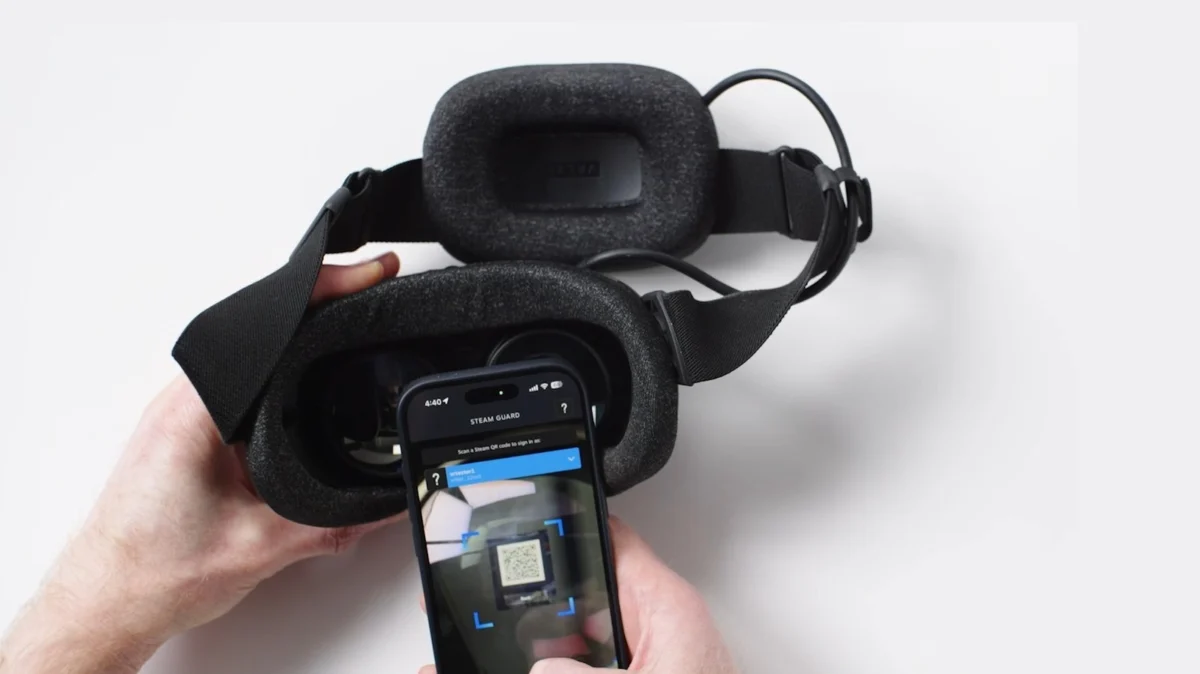
Valve, the renowned developer behind the Steam platform and Half-Life series, recently experienced an accidental publishing event, releasing eight instructional videos for its highly anticipated Steam Frame virtual reality (VR) headset. These videos, quickly identified and disseminated by users after appearing in an ARM Steam Client update, provide an unprecedented, albeit unofficial, look at the headset’s user experience, setup procedures, and ergonomic features ahead of its projected summer launch. While Valve promptly removed the initial accidental publication, the company later acknowledged the leak and opted to officially publish some of the videos while allowing others to circulate freely online, demonstrating a pragmatic approach to an unavoidable situation.
The content of these leaked videos, though not revealing groundbreaking new hardware specifications, offers a detailed and often lighthearted perspective on how users will interact with the Steam Frame. They cover essential aspects such as the sign-in process, proper headset wearing techniques, and an overview of its modular accessories. The tone of the videos has been described as clean, friendly, and imbued with a distinct, slightly whimsical humor, suggesting a deliberate effort by Valve to make VR technology more approachable and less intimidating for a broader audience. This characteristic playfulness, reminiscent of Valve’s unique brand personality often seen in titles like Portal, manifests in scenarios like demonstrating incorrect ways to wear the headset, such as over one’s mouth or as a fashion accessory.
Chronology of an Unintended Reveal
The incident unfolded when an ARM Steam Client update, intended for specific system architectures, inadvertently included links to the instructional videos for the Steam Frame. Savvy users, particularly those keenly following Valve’s hardware developments, quickly noticed the anomaly. One prominent user, @Neupro5 on X (formerly Twitter), was among the first to compile and share links to all eight videos, catalyzing their rapid spread across various social media platforms and tech forums. The speed at which the content was mirrored and shared meant that despite Valve’s swift action to unlist the videos from their official channels, the information was already widely accessible.
In response to the viral dissemination, Valve’s official Steam Hardware X account (@HardwareSteam) posted a message acknowledging the leak and stating, "Looks like some Steam Frame videos made it out early! We’ve published some of them now, and are letting the rest run wild online." This candid admission and subsequent decision to lean into the situation rather than attempting a full content suppression marked a notable departure from traditional corporate communication strategies surrounding product leaks. It effectively transformed a potential public relations challenge into an opportunity for early, albeit informal, engagement with the enthusiastic VR community.
Deep Dive into Steam Frame’s User Experience and Ergonomics
The leaked videos collectively paint a comprehensive picture of the Steam Frame’s design philosophy, prioritizing user comfort, customization, and an intuitive setup process.
The Sign-In Process: A Blend of Novelty and Simplicity
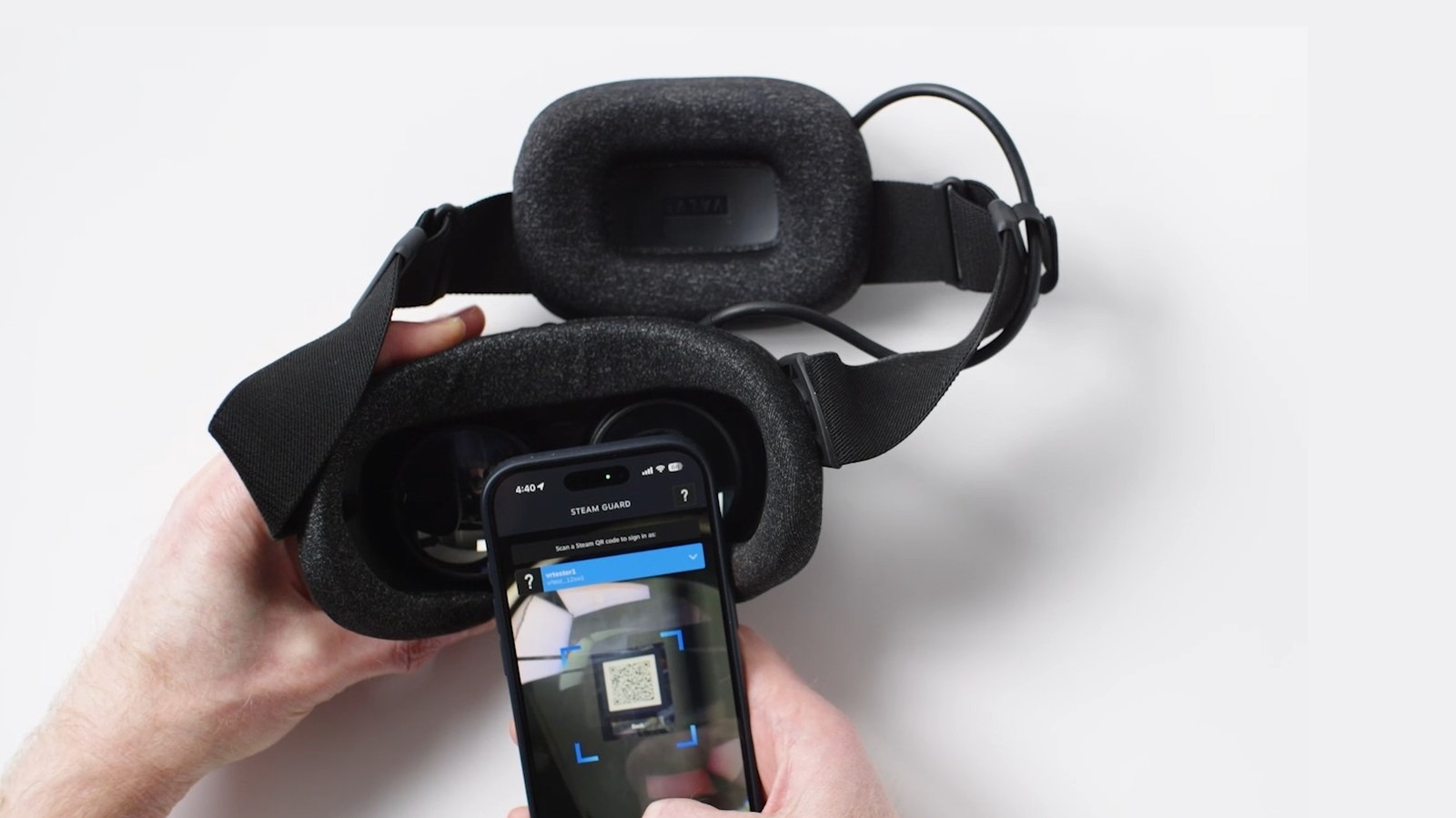
One of the most discussed aspects of the leaks is the headset’s sign-in procedure. The videos illustrate an optional, somewhat unconventional method involving scanning a QR login code directly through one of the headset’s lenses using a smartphone camera. This "tongue-in-cheek" approach, as described by early viewers, not only highlights Valve’s penchant for innovative interaction design but also suggests a streamlined process that minimizes the need for manual input within the VR environment itself. Such a method could significantly enhance user onboarding, particularly for those new to VR, by leveraging familiar smartphone technology. It also speaks to a potential focus on quick, hassle-free transitions into the virtual world.
Mastering the Fit: Comfort and Customization at the Forefront
The basic fit video, in particular, emphasizes the importance of proper headset alignment for optimal comfort and visual clarity. Beyond demonstrating the correct way to wear the Steam Frame, the video’s playful segments, showing individuals wearing the headset incorrectly (e.g., over their mouths or as a makeshift purse), serve a dual purpose: they inject humor while subtly educating users on common misapplications, ensuring they achieve the intended experience. This lighthearted instructional style aims to demystify the often-complex world of VR hardware for newcomers.
Advanced Ergonomics and Modular Design
Perhaps the most informative segments delve into the Steam Frame’s advanced ergonomic features and modular accessories, which underscore Valve’s commitment to a personalized and comfortable VR experience.
- Interpupillary Distance (IPD) Adjustment: The videos showcase an IPD wheel, a crucial feature for VR headsets that allows users to adjust the distance between the lenses to match their eye spacing. This adjustment is vital for preventing eye strain, discomfort, and ensuring a clear, focused image. The inclusion of a sliding lock mechanism for the IPD wheel further suggests a focus on maintaining precise settings once configured, preventing accidental changes during use. This level of granular control is often a hallmark of premium VR headsets.
- Accessory Ecosystem: The Steam Frame appears to come with a thoughtful array of ergonomic accessories designed to enhance comfort and fit for a diverse user base:
- Hand Straps for Controllers: These provide a secure grip, reducing the risk of accidental drops during active gameplay and enhancing immersion by allowing users to relax their grip without losing control. This is a common but essential feature for active VR experiences.
- Additional Support Strap: Positioned across the crown of the head, this strap is designed to distribute the headset’s weight more evenly. This can significantly reduce pressure on the face and neck during extended VR sessions, a common point of fatigue for many VR users.
- Extended Light Blocker: This accessory caters to users with smaller noses or unique facial structures, ensuring that external light is effectively blocked, preventing distracting glare and maximizing immersion. The ability to customize light blocking is a significant ergonomic advantage, especially for diverse demographics.
- Magnetic Attachments: The videos confirm that the Steam Frame’s squishy face gasket and optional eye spacer attach magnetically. This modular design offers several practical benefits: ease of cleaning, quick swapping for different users or specific activities, and the potential for third-party customization options. Such magnetic interfaces enhance the headset’s hygiene and overall user convenience.
- Integrated Battery Pack and Charging Port: The charging port is located within a battery pack positioned on the backside of the main head strap. This placement is strategic, contributing to better weight balance, which is critical for comfort. By shifting some of the weight to the rear, Valve aims to alleviate frontal pressure, making the headset feel lighter and more balanced during use. This design choice also implies a potentially hot-swappable battery system, allowing for extended play sessions without interruption, a feature highly valued by VR enthusiasts.
Valve’s Broader VR Strategy and Market Context
The Steam Frame emerges against a backdrop of increasing innovation and competition within the virtual reality market. Valve has a well-established history in the VR space, notably with the Valve Index, a premium PC VR headset known for its high fidelity, advanced tracking (Lighthouse system), and "knuckles" controllers. The Steam Frame, while not explicitly positioned as a successor to the Index in these leaks, appears to continue Valve’s commitment to PC-tethered VR, leveraging the vast Steam ecosystem and its extensive library of VR titles.
The current VR market is largely segmented between standalone headsets, dominated by Meta’s Quest series (e.g., Quest 3 with 8GB RAM), which prioritize accessibility and portability, and high-end PC VR solutions. More recently, Apple’s entry with the Vision Pro has introduced a new tier of mixed-reality computing at a premium price point (starting at $3,499 with 16GB RAM), further diversifying the landscape. The Steam Frame, with its anticipated PC VR focus and detailed ergonomic considerations, seems poised to target the enthusiast segment that values performance, customization, and deep integration with the Steam platform.
Anticipated Pricing and Market Positioning
While the leaked videos offered no definitive pricing information, Valve has previously indicated that the Steam Frame is "poised to be quite high." This expectation is rooted in several factors, most notably the inclusion of 16GB of RAM within the headset. High-bandwidth memory has been a bottleneck in the broader computer hardware space, leading to increased manufacturing costs due to ongoing global chip shortages. For comparison, Meta Quest 3 features 8GB of RAM, while Apple Vision Pro also includes 16GB, hinting at the Steam Frame’s potential performance tier.
Valve’s previous hardware ventures, such as the Steam Machine and Steam Controller, also suggest a premium pricing strategy. The Steam Machine, a compact gaming PC, launched with a base model priced at $1,049 for 512GB of storage. This precedent, combined with the Steam Frame’s advanced features and 16GB RAM, positions it firmly in the upper echelon of consumer VR hardware. It is likely targeting dedicated PC gamers and VR enthusiasts who are willing to invest in a high-fidelity, customizable experience deeply integrated with the Steam ecosystem, rather than aiming for the mass-market accessibility pursued by standalone headsets.
Implications of the Leak
The accidental publication and subsequent controlled release of these Steam Frame videos carry several implications for Valve, the VR market, and consumer anticipation.
- Marketing Momentum: Far from being a setback, the leak could be viewed as an unconventional but effective pre-launch marketing strategy. The buzz generated across tech communities and social media has significantly amplified awareness and discussion around the Steam Frame, potentially building more organic excitement than a tightly controlled, traditional reveal.
- Transparency and Goodwill: Valve’s decision to acknowledge the leak and allow the videos to circulate freely online is a testament to a more transparent and community-centric approach. This move can foster goodwill among its dedicated user base, who appreciate authenticity and direct engagement from developers.
- Competitive Intelligence: While not revealing critical hardware secrets, the videos do offer competitors an early look at Valve’s user experience design, ergonomic solutions, and overall product philosophy. This insight could influence competitor strategies, especially concerning comfort and setup processes.
- Consumer Expectations: The leaks provide tangible insights into the Steam Frame’s user-facing features, setting concrete expectations for potential buyers. The emphasis on comfort, customization, and a playful user interface suggests a product designed with a deep understanding of VR user needs and frustrations.
As the summer launch window approaches, these leaked videos serve as a compelling preview of Valve’s next major foray into the virtual reality landscape. They underscore a continued commitment to pushing the boundaries of VR hardware, focusing on user-centric design, and leveraging the immense power of the Steam platform. The Steam Frame appears poised to offer a premium, highly customizable, and distinctly "Valve" VR experience, reinforcing its position as a significant player in the evolving world of virtual reality. The official details, particularly regarding pricing and full specifications, remain eagerly awaited, but the accidental reveal has certainly fueled anticipation for what promises to be an intriguing addition to the VR ecosystem.







