Galang Taruna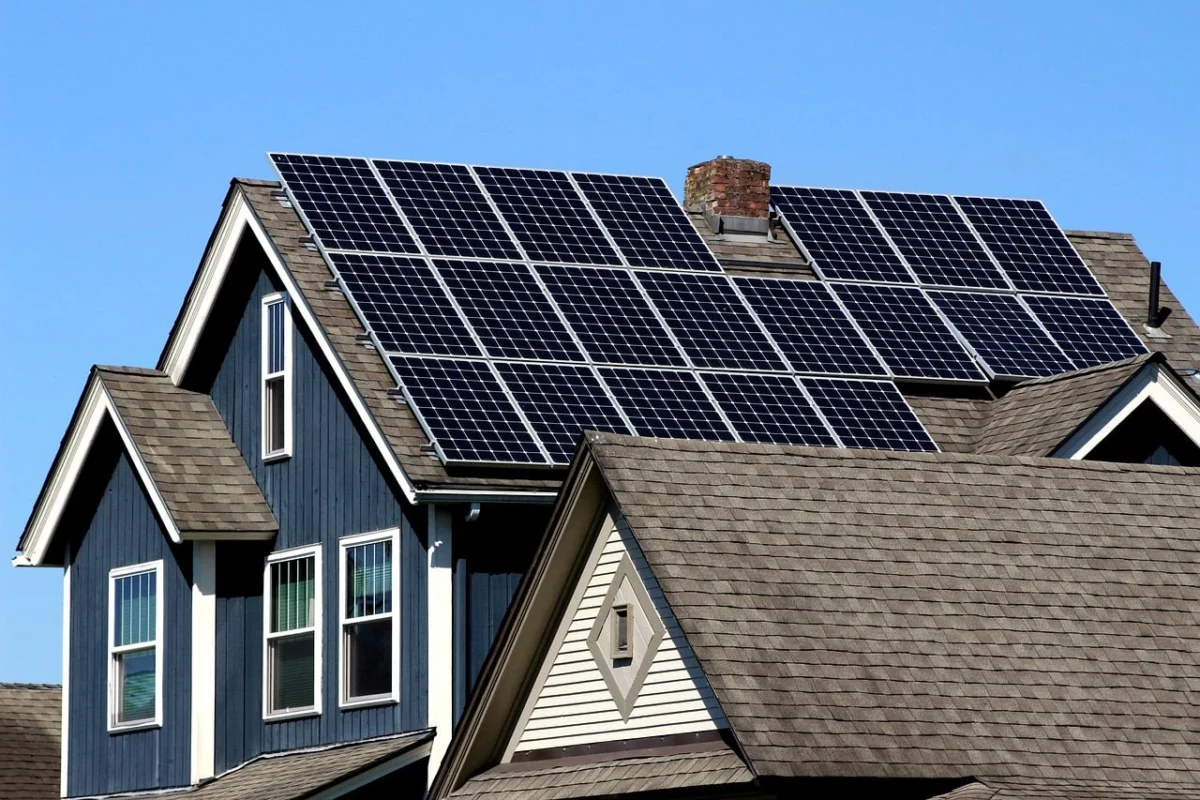
The European electricity sector is under severe duress, grappling with a confluence of challenges exacerbated by a rapidly changing climate. Record-breaking heatwaves are driving up demand for air conditioning while simultaneously impairing traditional power generation methods. Nuclear power plants are forced to reduce output due to elevated river temperatures, which are essential for cooling. Hydropower generation is significantly hampered by historically low river levels, and even some gas-fired power stations have faced temporary shutdowns for similar cooling difficulties. Against this backdrop of escalating energy insecurity, solar photovoltaic (PV) technology, often lauded as the most straightforward and immediate solution, is paradoxically experiencing an unexpected stagnation across the continent. This slowdown persists despite a marked decrease in the price of solar panels, a trend largely driven by global overcapacity originating from China.
Europe’s Energy Grid Under Climate Stress: A Critical Overview
The summer of 2026 has brought unprecedented meteorological conditions to Europe, with several countries reporting their hottest months on record. These extreme temperatures have not only heightened energy consumption but have also critically undermined the continent’s existing energy infrastructure. The increased reliance on air conditioning systems during prolonged heatwaves has led to significant spikes in electricity demand, putting immense strain on grids already operating near their capacity limits.
Traditional power sources, which typically form the backbone of Europe’s energy mix, have proven particularly vulnerable. Nuclear power, a low-carbon baseload source for many European nations, often relies on river water for cooling its reactors. As river temperatures soar and water levels decline during heatwaves, operators are frequently mandated to reduce power output or even temporarily shut down reactors to prevent environmental damage to aquatic ecosystems and ensure operational safety. Countries like France, heavily dependent on nuclear energy, have repeatedly faced such dilemmas, highlighting the vulnerability of this critical infrastructure to climate-induced changes.
Similarly, hydroelectric power, another cornerstone of Europe’s renewable energy portfolio, has been severely impacted by drought conditions. Major waterways such as the Danube, the Rhine, and their tributaries have seen water levels fall to historically low points. This directly translates to reduced flow rates, significantly curtailing the capacity of hydroelectric dams to generate electricity. Nations in Central and Eastern Europe, where hydropower plays a substantial role, have reported considerable shortfalls, further tightening the supply-side pressures on the energy market. Even some conventional gas-fired power plants have encountered operational challenges, with cooling systems struggling to function efficiently in extreme heat, leading to temporary suspensions of production in countries like the United Kingdom. This multifaceted assault on Europe’s energy supply, coupled with surging demand, paints a precarious picture for energy security.
The Solar Paradox: Low Prices, High Need, Stagnant Growth
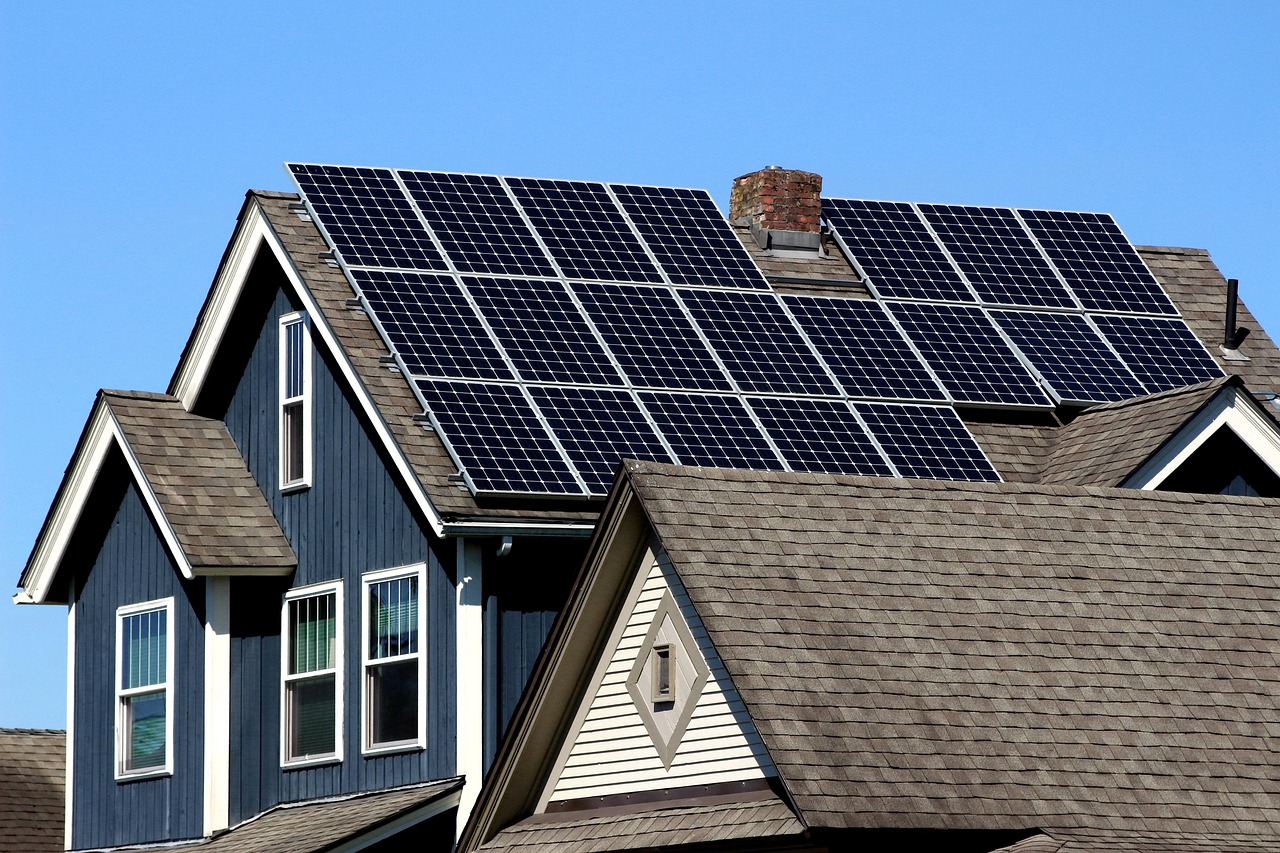
Given the acute pressures on Europe’s energy grid and the continent’s ambitious climate targets, one would logically expect a booming solar market. Solar energy offers a decentralized, clean, and increasingly cost-effective solution to many of these challenges, providing power precisely when demand for cooling is highest. Furthermore, the cost of solar panels has been on a downward trend for years, making installations more affordable for both residential and commercial consumers. However, recent data indicates a surprising deceleration in new solar installations across Europe, a trend that extends beyond France, where a slowdown was previously noted despite falling panel prices.
According to market intelligence platforms like pvXchange, the prices of solar modules have either slightly decreased or remained stable for most models in recent months. While a marginal increase of about 3% was observed for high-performance models, this uptick is largely attributed to a reclassification of performance thresholds (raised to 23.5% efficiency for "high performance" status) rather than a genuine market rebound. Without this methodological adjustment, prices for high-performance panels would have remained stagnant, and those for less efficient models would have continued their downward trajectory. This sustained affordability of solar technology should, in theory, act as a powerful catalyst for adoption.
Chinese Overcapacity: The Dominant Factor in Global Solar Pricing
The persistent downward pressure on solar panel prices is primarily a consequence of significant overcapacity within the Chinese manufacturing sector. China has invested massively in its photovoltaic industry, establishing an unparalleled production capability that far outstrips global demand. This has led to intense competition among Chinese manufacturers, resulting in a protracted "price war" that has driven down costs worldwide.
Earlier this year, there was widespread anticipation that this price war might abate. Beijing had introduced new measures aimed at rationalizing its solar industry and reducing the rampant overcapacity. These policies encouraged manufacturers to curb production and liquidate excess inventory. The expectation was that such interventions would lead to a stabilization or even a modest increase in global panel prices. However, these measures have yet to yield the anticipated results. Many Chinese manufacturers, wary of losing market share, have opted for temporary production slowdowns or pauses on specific lines rather than definitive shutdowns. This strategic reluctance to permanently reduce capacity means that the overall reduction in overproduction has been far less significant than projected. Consequently, the supply of solar panels continues to exceed global demand, maintaining a downward or stagnant pressure on prices, even for the latest high-efficiency models.
Europe’s Policy Labyrinth and Investment Uncertainty
The stagnation in the European solar market, therefore, presents a perplexing paradox. On one hand, the continent faces an urgent need to decarbonize its energy supply, enhance energy security, and mitigate the effects of climate change, all while solar panel prices remain historically low. On the other hand, deployment rates are not accelerating as rapidly as the context demands.
A key factor contributing to this stagnation, as highlighted by Martin Schachinger of pvXchange, is the prevailing uncertainty surrounding energy policies and investment conditions across European governments. While the immediate response to energy crises often involves short-term measures to alleviate climate change impacts or secure immediate supply, a clear, consistent, and long-term strategic vision for renewable energy deployment is often lacking. This policy ambiguity creates an unstable investment climate, deterring large-scale projects and even individual consumers from committing to solar installations. Investors require predictability and stable incentive schemes to justify the capital outlay for solar projects, which typically have a long operational lifespan.
Furthermore, there is a perceived threat of a degradation in support schemes and subsidies for solar installations. This anticipation, particularly for the fourth quarter of 2026 or early next year, is paradoxically driving a short-term rush among some buyers to install panels before potential changes take effect. While this fills the order books of installers in the immediate term, it does not reflect a sustained, confident growth trajectory for the market. Instead, it suggests a reactive surge driven by policy deadlines rather than proactive, long-term market expansion based on inherent economic and environmental benefits.
Regional Disparities in European Solar Adoption
The broader European trend of stagnation masks some regional variations. Data on Chinese solar module exports to Europe, which remains the primary destination for these products, indicates a decline in orders from several key countries in July. The Netherlands, Belgium, Spain, Germany, and the United Kingdom all registered a decrease in demand for solar panels. This suggests that the policy uncertainties or market saturation points might be more pronounced in these traditionally strong solar markets.

Conversely, some countries experienced a surge in orders, partially compensating for the overall decline. France, Slovenia, and Greece recorded an increase in demand, possibly reflecting different stages of policy implementation, market maturity, or public awareness. For instance, France has recently shown renewed commitment to solar, while Greece, with its abundant sunshine, has significant untapped potential that new policies might be beginning to unlock. These variations underscore the need for a pan-European strategy that can adapt to local contexts while fostering continent-wide growth.
Broader Implications: Energy Security, Climate Targets, and Economic Impact
The continued stagnation of the European solar market carries significant implications for the continent’s broader strategic objectives. The European Union has set ambitious targets under its "Fit for 55" package, aiming for a 55% reduction in net greenhouse gas emissions by 2030 compared to 1990 levels. Furthermore, the "REPowerEU" plan, introduced in response to the energy crisis triggered by the conflict in Ukraine, seeks to rapidly reduce dependence on Russian fossil fuels and accelerate the green transition. Solar energy is central to achieving both these goals.
A decelerated solar rollout directly jeopardizes Europe’s ability to meet these critical climate and energy security targets. It prolongs reliance on volatile fossil fuel markets and leaves the continent more exposed to geopolitical risks and price fluctuations. Economically, the stagnation means missed opportunities for job creation in the manufacturing, installation, and maintenance sectors of the solar industry. It also means slower progress in establishing a robust, indigenous renewable energy supply chain, which is crucial for long-term energy independence and industrial resilience.
Moreover, the current situation highlights a strategic vulnerability: Europe’s heavy reliance on Chinese-manufactured solar panels. While this dependency has driven down prices, it also raises concerns about supply chain security and geopolitical leverage. Efforts to diversify manufacturing and establish European production capacities are underway, but their success hinges on a stable and growing domestic market. Without consistent demand, investments in European solar manufacturing will remain risky and challenging to scale.
Outlook and Recommendations for a Resilient European Solar Future
To overcome the current stagnation and unlock the full potential of solar energy, European policymakers must address the fundamental issues of policy certainty and investment conditions. This requires:
- Clear and Stable Long-Term Policies: Governments need to articulate unambiguous, consistent, and durable policies that provide a predictable regulatory environment for investors and consumers. This includes stable subsidy schemes, streamlined permitting processes, and clear roadmaps for grid integration.
- Enhanced Grid Infrastructure: Modernizing and expanding electricity grids is paramount to accommodate the decentralized and intermittent nature of solar power. Investments in smart grids, energy storage solutions, and interconnections are essential for maximizing the value of solar generation.
- Support for Domestic Manufacturing: While global trade is important, fostering a resilient European solar manufacturing base can reduce supply chain risks and create local jobs. This could involve targeted incentives, research and development funding, and trade policies that balance affordability with strategic independence.
- Public Awareness and Education: Continued efforts to inform the public about the benefits of solar energy, address common misconceptions, and simplify the installation process can stimulate grassroots adoption.
- Integration with Other Technologies: Solar must be viewed as part of a broader energy transition strategy, integrated with other renewables like wind, and complemented by energy efficiency measures, demand-side management, and advanced storage solutions.
The current climate crisis and energy challenges underscore the urgent need for a robust and rapidly expanding solar sector in Europe. The technology is mature, and panel prices are favorable. The missing ingredients are unwavering political will, a coherent policy framework, and a commitment to long-term investment that can transform the current stagnation into a period of unprecedented growth, securing Europe’s energy future and combating climate change effectively.