Garick Elordi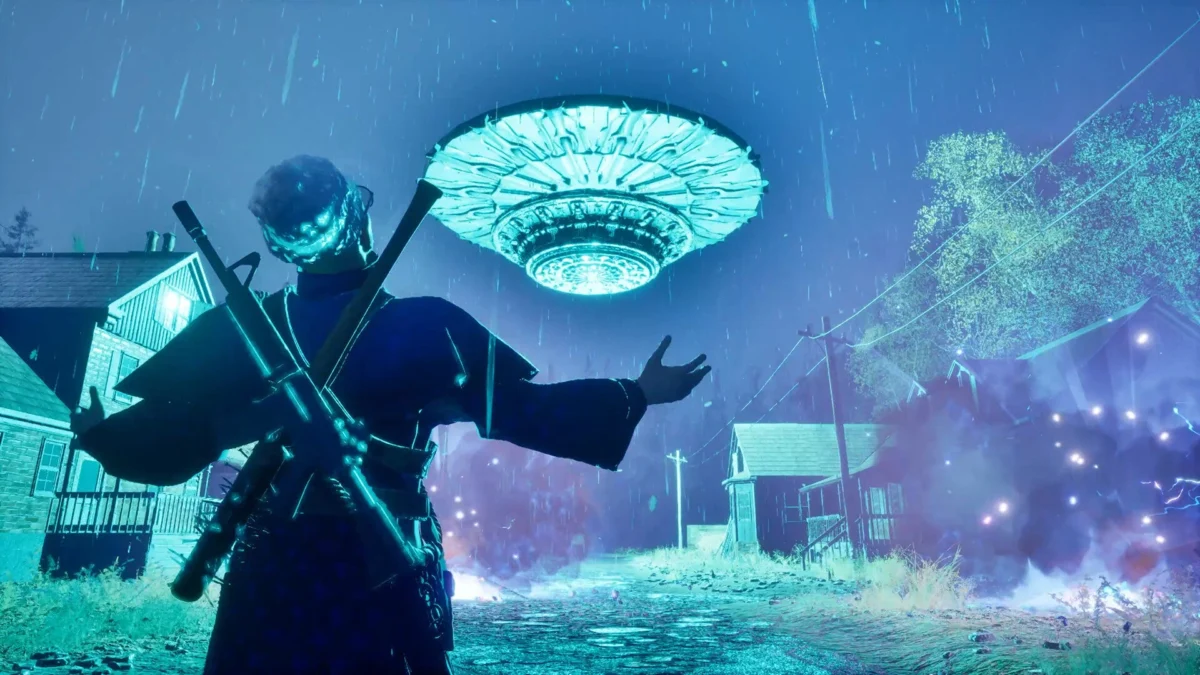
Wolf Haus, an independent development studio known for its unconventional approach to narrative-driven experiences, has unveiled a provocative new marketing and developmental initiative for its upcoming title, Join Us. In a move that has sparked significant conversation at Gamescom 2026, the studio announced it has recruited four individuals with direct, lived experience in high-control groups to provide feedback on the game’s mechanics, tone, and depiction of cult dynamics. The four consultants—identified as Jaga, Javier, Ariel, and Elena—bring a combined 50 years of experience from various unique societies, ranging from doomsday-focused organizations to holistic communal retreats. This collaboration aims to refine the game’s "darkly satirical" take on cult life, ensuring that its systems for recruitment, compound construction, and belief-building resonate with a chilling sense of authenticity.
Join Us is positioned as an open-world survival game that challenges players to navigate the complexities of social engineering and resource management during an impending apocalypse. Slated for a March 2027 release on PC, PlayStation 5, and Xbox Series X/S, the title allows players to assume the role of a charismatic leader tasked with building a following from the ground up. The gameplay loop involves establishing a physical compound, defining a theological or philosophical framework, and managing the needs and loyalties of followers while preparing for a global cataclysm. By involving former cult members in the testing phase, Wolf Haus seeks to bridge the gap between traditional survival tropes and the psychological realities of ideological isolation.
A New Frontier in Narrative Authenticity
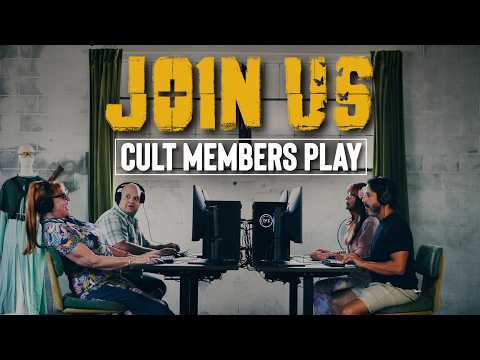
The decision to involve survivors of high-control groups represents a bold step in game development, moving beyond aesthetic inspiration to incorporate psychological and structural feedback. During the Gamescom 2026 presentation, Wolf Haus showcased a teaser featuring the four consultants engaging with the game’s core systems. The reactions were notably diverse, highlighting the fine line the game walks between entertainment and the unsettling reality of its subject matter. While some consultants found humor in the mundane tasks of communal living, others expressed profound skepticism regarding the gamification of such experiences.
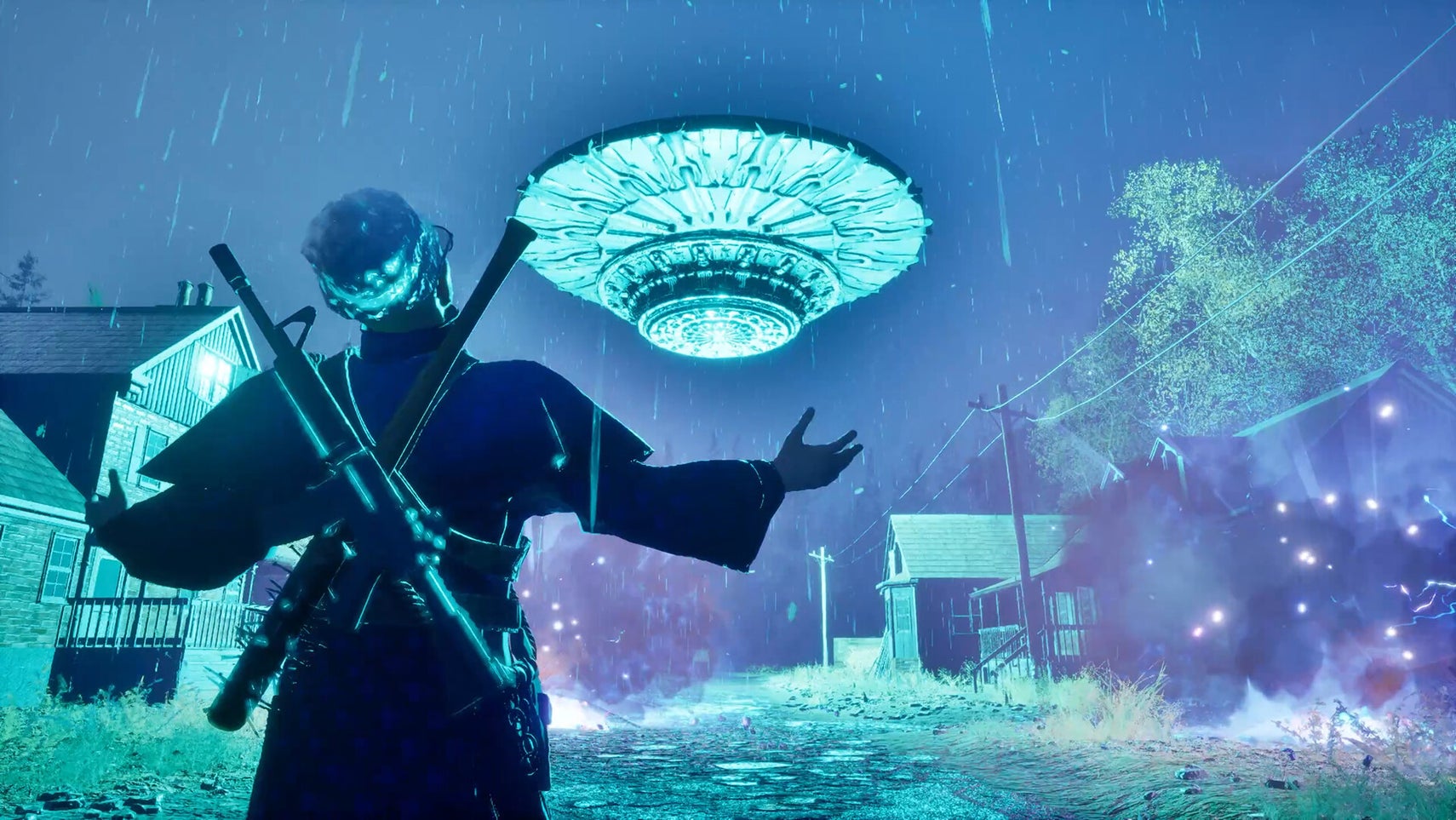
One of the consultants, Ariel, shared insights into the psychological hooks used by such groups, referencing a personal history involving a belief that a UFO was destined to arrive on May 12, 2001, to transport members to a higher plane of existence. This specific anecdote mirrors the game’s "UFO-theology" options, which players can select when defining their cult’s central tenets. Similarly, Javier reflected on his time in a holistic rejuvenation center, where the group maintained total self-sufficiency by growing their own food. This focus on agrarian survival is a primary pillar of the Join Us gameplay experience, where players must manage crop cycles and water supplies to keep their followers healthy and compliant.
The developer’s decision to bleep out the names of the specific organizations mentioned by the consultants underscores the sensitivity of the project. By protecting the identities of the groups, Wolf Haus shifts the focus from specific historical scandals to the broader, universal mechanics of control and devotion. This approach allows the game to function as a critique of the "cult of personality" and the human desire for belonging in an increasingly fractured world.
Gameplay Mechanics: Building the Foundation of Faith
Join Us distinguishes itself from other survival titles through its "Belief Engine," a system that allows players to customize the moral and spiritual compass of their organization. Players can choose to lead a benevolent group focused on mutual aid and survival, or a more predatory organization centered on exploitation and the glorification of the leader. These choices have tangible effects on the game world; a more aggressive cult might find it easier to recruit desperate survivors but faces a higher risk of internal rebellion or intervention from external "deprogrammer" NPCs.
The compound-building aspect of the game is equally detailed. Players must design layouts that balance efficiency with psychological control. For example, communal dining halls can boost morale, while isolation chambers can be used to "correct" dissenting voices. The recruitment mechanic requires players to identify the specific needs of NPCs—such as a search for meaning, safety, or physical resources—and tailor their pitch accordingly. This mirrors the "love bombing" techniques described by several of the consultants during their time in real-world groups.
The survival element is heightened by the looming threat of the apocalypse, a central theme in many high-control groups. As the in-game clock counts down to a predicted cataclysmic event, the pressure on the compound increases. Players must decide whether to use their resources to genuinely protect their followers or to prioritize their own survival at the expense of the community. This tension is designed to evoke the high-stakes environment that often leads to the radicalization of followers in real-world scenarios.
Mixed Reactions and Ethical Considerations
The feedback from the former cult members has been a cornerstone of Wolf Haus’s transparency regarding the project. The studio admitted that the reactions from Jaga, Javier, Ariel, and Elena were "mixed," a fact that they have integrated into their marketing strategy to demonstrate the game’s provocative nature. In the teaser, one consultant is seen enjoying the agricultural mechanics, specifically the cultivation of tomatoes, which reminded them of the positive aspects of communal living. Conversely, another consultant was blunt in their assessment, stating, "no one’s going to like this," referring to the uncomfortable accuracy with which the game depicts the loss of individual autonomy.
This range of responses highlights the ethical tightrope Wolf Haus is walking. Critics in the gaming industry have questioned whether a "darkly satirical" approach is appropriate for a subject that has caused real-world trauma for thousands of people. However, the developers argue that satire is a powerful tool for deconstructing the mechanisms of power. By allowing players to see the "gears" of a cult from the perspective of the leader, Wolf Haus hopes to provide a satirical commentary on how easily people can be led astray by the promise of certainty in an uncertain world.
The involvement of the consultants serves as a form of "sensitivity reading" for the game’s mechanics. Their input has reportedly led to changes in how the game handles the "re-education" of followers, ensuring that it is portrayed not as a simple progress bar, but as a complex and often disturbing process of psychological attrition.
Market Positioning and 2027 Outlook
As the survival genre continues to evolve, Join Us aims to capture a market segment interested in social simulation and complex moral choices. It follows in the footsteps of titles like Cult of the Lamb, which utilized a stylized, cartoonish aesthetic to explore similar themes. However, Join Us opts for a more grounded, realistic visual style, which intensifies the impact of its satirical elements.
Industry analysts suggest that the game’s success will depend on its ability to balance its dark themes with engaging gameplay. The co-op mode, which supports up to four players, adds another layer of complexity. In co-op, players can work together to manage a single large cult, or they can operate as rival factions competing for the same pool of recruits and resources. This social dynamic is expected to be a major draw for the survival gaming community, which thrives on emergent storytelling and player-driven conflict.
The March 2027 release date places Join Us in a competitive window, but the unique "consultant-driven" development process has already secured a significant amount of media attention. Wolf Haus has stated that they will continue to work with the four former cult members throughout the final year of development to polish the narrative arcs and ensure the satirical bite remains sharp without becoming exploitative.
Conclusion: A Reflection of Modern Anxiety
Join Us is more than a survival game; it is a reflection of contemporary anxieties regarding misinformation, radicalization, and the search for community. By utilizing the perspectives of those who have lived through the extremes of social control, Wolf Haus is attempting to create a work that is both a compelling game and a cautionary tale.
The Gamescom 2026 reveal has set the stage for a year of intense discussion. As players look forward to the 2027 launch, the industry will be watching closely to see if Join Us can successfully transform a sensitive subject into a meaningful and thought-provoking interactive experience. Whether the game will be received as a brilliant satire or a controversial misstep remains to be seen, but its commitment to authenticity through the voices of survivors has already ensured its place as one of the most talked-about projects in recent years.