Evan Lee Salim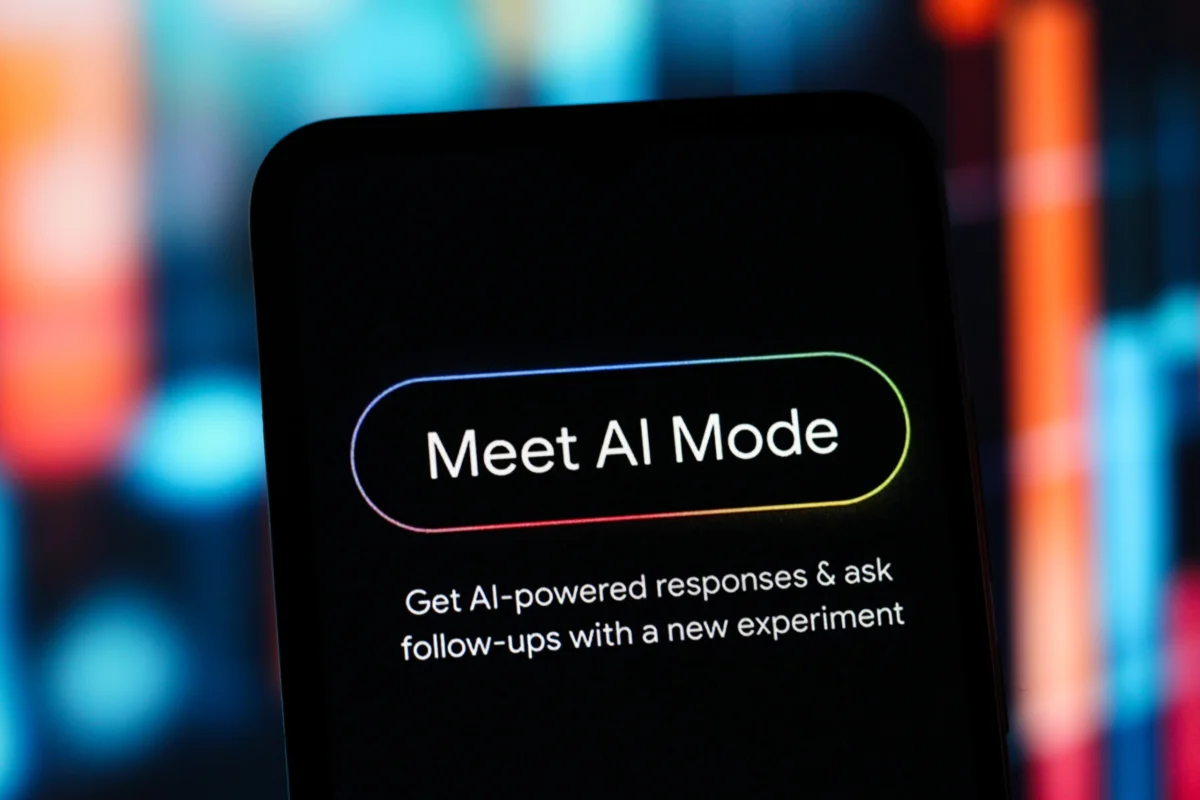
Google is significantly expanding the capabilities of its conversational search experience, AI Mode, introducing advanced functionalities that empower users to plan and book trips with unprecedented ease, the company announced on Thursday. This strategic evolution positions AI Mode far beyond a mere information retrieval tool, transforming it into a sophisticated AI travel agent capable of handling intricate aspects of trip planning, from tracking dynamic flight prices and securing hotel accommodations to calculating costs in loyalty points or miles. This move marks a pivotal moment in the intersection of artificial intelligence and the travel industry, signaling a deeper integration of AI into transactional processes previously dominated by traditional online travel agencies (OTAs) and dedicated booking platforms.
The new suite of features rolling out to AI Mode underscores Google’s ambition to streamline the entire travel planning journey within its ecosystem. Users can now leverage the conversational interface to articulate their travel desires, such as desired destinations, dates, and specific preferences, and AI Mode will respond with actionable insights and direct booking options. A cornerstone of this update is the ability to track flight prices, allowing travelers to monitor fluctuations for specific routes and dates and receive timely notifications when prices change. This proactive approach aims to alleviate the common stress associated with securing the best deals in a volatile travel market. Furthermore, the integration of hotel booking directly within AI Mode means users can discover, evaluate, and reserve accommodations without navigating away from their conversational session. A particularly innovative addition is the capacity for AI Mode to display the cost of flights and hotels not just in monetary terms, but also in points or miles from various loyalty programs, catering to a significant segment of travelers who utilize such rewards. While flight price tracking and points/miles conversion are being deployed globally across more than 180 countries, the hotel booking functionality is initially launching in the U.S., with a broader rollout anticipated in the coming weeks.
The Evolution of Digital Travel: Google’s Journey and the Rise of AI
The travel industry has undergone a profound digital transformation over the past two decades, moving from brick-and-mortar travel agencies to a landscape dominated by online platforms. Google has played a central, albeit evolving, role in this shift. Initially, Google’s involvement was primarily as a search engine, directing users to third-party travel sites like Expedia, Booking.com, and Kayak. Over time, Google incrementally built its own suite of travel tools, including Google Flights, Google Hotels, and the overarching Google Travel platform, which aggregated information from numerous providers. These tools allowed users to search, compare, and research various travel options, often providing links to complete bookings on partner sites. This aggregation model made Google an indispensable starting point for many travelers, effectively becoming the "first click" in the travel planning process.
However, the current update to AI Mode represents a significant departure from this traditional aggregation model. It signifies Google’s intent to move beyond merely directing traffic to partners and instead facilitate the transaction itself, at least in part. This shift is driven by the rapid advancements in conversational AI and large language models (LLMs), which are increasingly capable of understanding complex user intents, maintaining context over extended interactions, and executing multi-step tasks. The global online travel market, valued at approximately $834.4 billion in 2022 and projected to reach over $1.5 trillion by 2030, presents an immense opportunity for companies that can offer more seamless and integrated booking experiences. As AI technologies mature, the expectation for intelligent, personalized, and transactional digital assistants grows, and Google is clearly positioning AI Mode to meet this demand within the lucrative travel sector. This strategic pivot also reflects a broader industry trend where technology giants are increasingly embedding transactional capabilities directly into their AI offerings, aiming to capture more value within the user journey and provide an end-to-end service.
Deep Dive into Enhanced AI Mode Functionalities
The new capabilities within Google’s AI Mode are designed to create a more intuitive and efficient travel planning experience, simulating the interaction with a human travel agent. Each feature has been meticulously crafted to address specific pain points often encountered by travelers.
Conversational Flight Planning and Price Tracking
Travelers can now initiate a conversation with AI Mode by simply describing their desired trip, such as "I want to fly from New York to London in July for a week." The AI will then process this natural language input, leveraging its vast database of flight information sourced from over 300 airlines and travel sites. It will present a curated list of the best available options, complete with the latest pricing. This capability goes beyond a simple search query, as AI Mode can understand nuances in requests and offer suggestions based on flexible dates or alternative airports if optimal deals are found. For instance, if a user asks for flights on a specific date but prices are high, AI Mode might proactively suggest slightly earlier or later dates with better fares.
A key differentiator is the integrated flight price tracking. If a user finds a flight but wishes to wait for a potential price drop, they can issue a command like "track these flight prices for me." AI Mode will then monitor the specified route and dates, sending email notifications if the prices change. This feature is particularly valuable in today’s dynamic pricing environment, where flight costs can fluctuate dramatically based on demand, seasonality, and booking windows. The global availability of this feature across more than 180 countries ensures that a vast international user base can benefit from proactive price monitoring, making informed booking decisions. The system aims to provide real-time data, ensuring that the prices displayed are as current as possible, reducing the frustration of outdated information common on less integrated platforms.

Seamless Hotel Discovery and Booking
The hotel booking functionality mirrors the conversational approach of flight planning, extending the AI Mode’s utility to accommodation arrangements. Users can articulate their hotel preferences directly to AI Mode, such as "I need a pet-friendly hotel in Miami for three nights in October, with a pool and good reviews, under $200 per night." The AI will then generate a list of suitable options, enriched with crucial details like aggregated user reviews, key amenities, location insights, and pricing. This personalized filtering, based on conversational input, significantly reduces the time users might spend sifting through countless listings on traditional booking sites. The AI can also understand more subjective preferences, like "a hotel with a vibrant nightlife nearby" or "a quiet boutique hotel for a romantic getaway."
Once a user identifies a preferred hotel, AI Mode facilitates the booking process. Instead of redirecting the user entirely, AI Mode presents a "Continue on Google" option, which connects to Google’s integrated partners. These partners include major hotel chains and prominent online travel agencies, ensuring a wide array of choices. The user can then select their specific room, review important details such as cancellation policies, and complete the transaction securely using Google Pay. It is important to note that while AI Mode streamlines the initial discovery and facilitates the payment, the actual booking and subsequent customer service are handled by the chosen hotel or booking platform. This division of responsibility aims to leverage Google’s strengths in search and AI while relying on established industry players for core hospitality operations. The initial rollout in the U.S. in English will include partnerships with major players such as Booking.com, Choice Hotels International, Expedia, Hilton, Hotels.com, IHG Hotels & Resorts, Marriott International, Priceline, Trip.com, and Wyndham Hotels & Resorts, indicating a robust initial ecosystem that provides users with diverse options. The phased rollout ensures that the system can be refined based on user feedback before wider deployment.
Points and Miles Integration for Savvy Travelers
Recognizing the growing importance of loyalty programs, Google has integrated the ability for AI Mode to display costs in points or miles. This feature is a significant boon for frequent travelers who meticulously manage their reward currencies. Users can formulate queries such as, "I want to travel from Atlanta to Miami using my AA miles. Help me find some options for nonstop flights departing Oct 9 and returning on Oct 12." AI Mode will then process this request, identify eligible flights, and display the number of miles required for booking. This functionality is globally available, making it accessible to a wide range of loyalty program members worldwide. This feature directly addresses a common frustration for rewards travelers: the often-cumbersome process of checking various airline and hotel loyalty portals to determine award availability and cost. By centralizing this information within AI Mode, Google provides a powerful tool for optimizing loyalty point redemption, enhancing the value proposition for many users and simplifying a previously complex process.
Strategic Implications and Market Dynamics
Google’s enhanced AI Mode for travel planning carries significant strategic implications, potentially reshaping various facets of the travel industry and cementing Google’s position as a dominant force.
Disruption to Traditional Online Travel Agencies (OTAs)
For years, OTAs like Expedia, Booking.com, and Priceline have thrived by aggregating travel options and providing booking interfaces. Google, through its search engine, has historically been a major traffic driver for these platforms. With AI Mode’s new transactional capabilities, Google is moving from being primarily a referrer to a direct facilitator of bookings. This shift could lead to increased competition for OTAs, as users might bypass their sites entirely, preferring the seamless, integrated experience within Google’s AI ecosystem. While Google has emphasized its partnerships with OTAs and hotel chains, the ultimate effect could be a subtle but significant disintermediation, with Google capturing more of the user journey and potentially, a larger share of the booking value. The global online travel agency market alone was valued at over $400 billion in 2022, indicating the immense financial stakes involved. This move could force OTAs to further differentiate their services, perhaps by offering more curated experiences, specialized customer service, or exclusive deals not found on Google.
Enhanced User Convenience and Personalization
The primary beneficiary of these updates is the end-user. The conversational interface, coupled with comprehensive booking and tracking tools, promises an unparalleled level of convenience. Travelers can avoid juggling multiple tabs, websites, and apps, consolidating their entire planning process into a single, intelligent interaction. Google’s inherent strength lies in its vast repository of user data and its sophisticated AI algorithms. This allows AI Mode to offer highly personalized recommendations, learning from past searches, preferences, and even broader travel trends. For instance, if a user frequently searches for boutique hotels or direct flights, AI Mode can prioritize such options, making the planning process feel genuinely tailored. This level of personalization is a significant competitive advantage that could drive rapid user adoption, particularly among younger, tech-savvy demographics.
Monetization Strategy and Ecosystem Integration
Google’s monetization strategy for these new features is likely multi-faceted. While direct commissions on bookings facilitated through AI Mode are a clear possibility (as is common with Google Travel), the broader goal is to enhance user engagement within the Google ecosystem. By making travel planning easier and more integrated, Google increases the time users spend on its platforms, which in turn creates more opportunities for advertising revenue across its various services. Furthermore, seamless integration with Google Pay reinforces its payment platform, while the aggregation of loyalty points information strengthens its utility for a valuable user segment. This move is less about a single revenue stream and more about deepening Google’s relationship with its users and expanding its influence across critical consumer touchpoints, creating a more sticky and indispensable suite of services.
The Future of AI in Decision-Making
This expansion of AI Mode underscores a larger trend: the increasing reliance on artificial intelligence for complex decision-making processes. Travel planning, with its numerous variables (dates, prices, preferences, routes, accommodations, loyalty programs), is an ideal candidate for AI assistance. As AI models become more sophisticated, their ability to process vast amounts of data, understand nuanced requests, and present optimal solutions will continue to grow. This could pave the way for AI to assist with even more complex itinerary planning, including activities, ground transportation, restaurant reservations, and dynamic adjustments during a trip, essentially acting as a proactive personal assistant throughout the entire travel lifecycle.

Expert and Industry Reactions (Inferred Analysis)
While Google has not yet released specific statements from external partners or analysts regarding this latest update, the implications of this announcement resonate broadly across the travel and technology sectors.
Google’s Vision
Internally, Google’s leadership likely views this as a natural progression of their "AI-first" strategy. A Google spokesperson might emphasize the company’s commitment to "making information universally accessible and useful," with AI Mode serving as a testament to this mission by simplifying complex tasks like travel planning. The focus would be on user empowerment and efficiency, framing AI Mode as a helpful assistant rather than a disruptive competitor. This aligns with Google’s broader narrative of leveraging AI to enhance daily life and productivity, making sophisticated technology accessible and intuitive for everyday users.
Travel Industry Analyst Perspective
Industry analysts are likely to view this development with a mix of excitement and caution. On one hand, it validates the growing importance of AI in the travel sector and could drive innovation across the board. The enhanced user experience could also expand the overall travel market by making planning less daunting for occasional travelers, potentially increasing travel frequency. On the other hand, established OTAs will face renewed pressure to innovate their own AI offerings and strengthen their unique value propositions beyond mere aggregation. Analysts might point to Google’s enormous reach and data advantage as a significant threat to smaller players, while also acknowledging the potential for collaborative models where OTAs integrate deeply with Google’s AI platform. The concern of "walled gardens" where users rarely leave the Google ecosystem could also be a point of discussion, impacting referral traffic and brand visibility for independent travel providers.
Partner Perspectives (Airlines, Hotels, OTAs)
For the integrated partners—airlines, hotel chains, and select OTAs—the reaction would be nuanced. On one hand, being featured within Google’s AI Mode offers unparalleled visibility and direct access to a massive user base, potentially leading to increased bookings that might otherwise be missed. This is especially true for the initial partners listed for hotel booking. On the other hand, there’s always a concern about becoming overly reliant on a single dominant platform, potentially leading to margin pressure or reduced direct customer relationships. Hotels and airlines traditionally strive for direct bookings to maximize revenue and capture customer data for loyalty programs. Google’s role as a facilitator, where the actual booking and customer service remain with the partner, attempts to mitigate some of these concerns, offering a hybrid model that balances Google’s transactional ambitions with industry realities, aiming for a symbiotic relationship rather than outright competition.
Challenges and Future Outlook
While Google’s enhanced AI Mode for travel planning presents a compelling vision, its widespread success will depend on addressing several key challenges and evolving with user needs.
Accuracy, Reliability, and Trust
The credibility of an AI travel agent hinges on the accuracy and reliability of the information it provides. Dynamic pricing, real-time availability, and complex loyalty program rules demand an extremely robust and continuously updated data infrastructure. Any discrepancies or errors could quickly erode user trust, particularly when financial transactions are involved. Google will need to invest heavily in maintaining data integrity and ensuring that its AI models are not only intelligent but also consistently correct. Furthermore, as AI becomes more integrated into high-stakes decisions like travel, the ethical implications of potential biases in recommendations or data privacy concerns will become increasingly scrutinized. Users need assurance that their personal data is handled securely and that recommendations are fair and transparent, free from manipulative practices.
Seamless Customer Service Hand-off
The distinction between Google’s role as a facilitator and the booking platform’s role