Metty Iskandar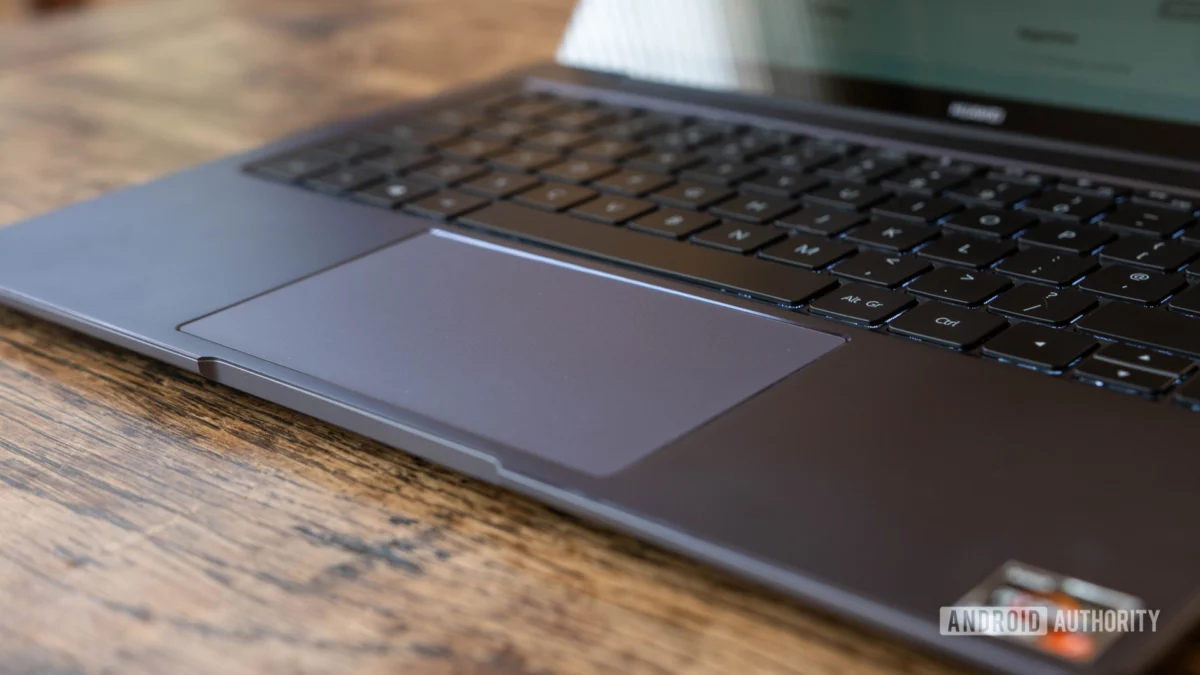
The integration of mobile devices with personal computers has long been a pursuit for tech giants, aiming to create a more fluid and interconnected digital ecosystem. While smartphones have evolved into powerful tools capable of managing a vast array of connected devices through dedicated applications, the concept of using a phone as a direct, intuitive remote control for a computer has remained a less explored, yet highly promising avenue. Google, a company deeply invested in bridging the gap between mobile and desktop experiences, appears to be making significant strides in this direction with the nascent development of a "Cast trackpad" feature, potentially destined for its upcoming Googlebook laptops. This innovative functionality, unearthed through an analysis of Google’s Cross-Device Services app, suggests a future where a smartphone’s touchscreen can serve as a sophisticated trackpad and control interface for other hardware.
The Evolution of Device Interaction: From Remote Controls to Unified Ecosystems
Historically, the idea of a "remote control" conjures images of physical devices designed for single-purpose tasks, such as changing television channels or adjusting audio settings. The advent of smartphones, however, has revolutionized this paradigm. With the proliferation of apps, our phones have become universal remotes, capable of interacting with smart home devices, media centers, and even complex industrial equipment. The Google TV control offered through the Google Home app exemplifies this evolution, allowing users to navigate their smart TVs using their phone’s touchscreen. This existing functionality hints at Google’s broader ambition: to extend such seamless control to other computing platforms.
The emergence of the "Cast trackpad" feature is particularly significant in the context of Google’s planned introduction of Googlebook laptops. These devices, built on an Android foundation, are positioned as an alternative to traditional Chromebooks and are anticipated to offer a unique blend of mobile-first convenience and desktop functionality. Early indications from app leaks have already provided glimpses into the potential features of these upcoming laptops, and the "Cast trackpad" appears to be a pivotal component of this strategy.
Decoding the "Cast Trackpad": A Deep Dive into the Code
The discovery of the "Cast trackpad" feature was made during an in-depth analysis of version 1.0.1283.974003524 of Google’s Cross-Device Services system app. This rigorous process, known as an APK teardown, involves examining the underlying code of an application to uncover hidden or in-development functionalities. While the feature is not yet visible to the public, the code reveals a sophisticated tool designed to leverage a smartphone’s touchscreen for controlling other hardware.
The "Cast trackpad" is not merely a rudimentary pointer. The unearthed code indicates support for advanced gesture controls, allowing for precise differentiation between various input types. This means users will be able to not only point at screen objects but also interact with them in a manner akin to a traditional trackpad. Beyond basic cursor movement, the feature is slated to include dedicated buttons for essential functions such as a "back" command and volume controls. Furthermore, users will have the ability to fine-tune the responsiveness of the trackpad through sensitivity settings, ensuring a personalized and efficient user experience.
Practical Applications and Strategic Implications
The potential use cases for a feature like the "Cast trackpad" are diverse and impactful. Imagine a scenario where a user is delivering a presentation using their Googlebook, which is connected to a projector. With this new tool, they could effortlessly advance slides, switch between applications, or even launch new content – all from across the room, using their smartphone as an intuitive remote. This eliminates the need for cumbersome physical clickers or the awkwardness of having to return to the laptop to make adjustments.
The inclusion of "Cast trackpad" alongside references to casting functionality is not coincidental. Google has previously announced "Cast My Apps" as a feature for Googlebooks, enabling users to access and run mobile apps directly on their laptops. The "Cast trackpad" can be viewed as the logical inverse of this capability, facilitating the control of desktop-like environments from a mobile device. This bidirectional flow of interaction is crucial for creating a truly integrated and seamless computing experience.
The implications of this feature extend beyond simple convenience. It signifies Google’s commitment to fostering a unified digital ecosystem where the lines between mobile and desktop blur. This approach mirrors the strategy adopted by Apple, which has already established a strong precedent for seamless device interconnectivity with features like Continuity and Handoff. Google’s "Cast trackpad" and "Cast My Apps" are clear indicators that the company is striving to achieve a comparable level of integration, aiming to offer users unparalleled flexibility and efficiency in managing their digital lives.
A Glimpse into the Future: Googlebooks on the Horizon
The development of the "Cast trackpad" feature is intricately linked to the impending launch of Googlebook laptops. Reports suggest that these devices will be available from multiple manufacturers this fall, marking a significant expansion of Google’s hardware portfolio. The timing of these revelations, coupled with the specific functionalities being uncovered, strongly suggests that the "Cast trackpad" is being developed with Googlebooks as a primary target.
This strategic alignment is critical. For Googlebooks to truly differentiate themselves and capture market share, they need to offer compelling features that leverage the strengths of the Android ecosystem. The ability to seamlessly control a laptop with a smartphone is precisely the kind of innovative functionality that can attract users seeking a more integrated and user-friendly computing experience.
Data and Market Context: The Growing Demand for Interconnectivity
The tech industry has witnessed a consistent trend towards greater device interconnectivity. Consumers increasingly expect their devices to work together harmoniously, reducing friction and enhancing productivity. A recent study by Statista indicated that over 70% of smartphone users own at least one other connected device, such as a smartwatch, tablet, or smart TV. This data underscores the growing demand for seamless integration.
Furthermore, the global laptop market, while mature, continues to see innovation driven by new form factors and enhanced functionality. The introduction of Android-based laptops like Googlebooks represents a strategic move to tap into a segment of the market that values the flexibility and app ecosystem of mobile devices. By offering features like the "Cast trackpad," Google aims to provide a unique value proposition that can attract users who may be looking for an alternative to traditional operating systems.
Expert Analysis and Potential Challenges
Industry analysts view Google’s move into the "Cast trackpad" territory as a calculated step to enhance the utility of its upcoming hardware. "The success of Googlebooks will hinge on their ability to offer genuinely innovative features that differentiate them from the competition," commented Sarah Chen, a senior tech analyst at Global Insights Group. "A well-executed phone-to-laptop control system could be a significant draw, particularly for users who are deeply embedded in the Android ecosystem."
However, the path to widespread adoption is not without its challenges. For the "Cast trackpad" to be successful, it must be reliable, intuitive, and offer a tangible benefit over existing control methods. Latency issues, compatibility concerns with various Android devices and Googlebook models, and the learning curve for new users will all need to be addressed. Moreover, Google will need to effectively market these new capabilities to consumers, clearly articulating the advantages of this new interaction model.
Official Responses and Future Outlook
While Google has not officially commented on the "Cast trackpad" feature itself, the company has consistently emphasized its commitment to building a connected ecosystem. A spokesperson for Google previously stated, "Our goal is to make technology more helpful and intuitive, allowing users to seamlessly transition between their devices and accomplish tasks more efficiently. We are continuously exploring new ways to enhance the user experience across our product lines." This general statement, in conjunction with the evidence from the APK teardown, suggests a clear strategic direction.
The ongoing development of the "Cast trackpad" feature, alongside the impending release of Googlebooks, paints a compelling picture of Google’s future vision for personal computing. As the technology matures and these new devices hit the market, consumers will have the opportunity to experience firsthand how their smartphones can transform into powerful control interfaces for their laptops, potentially redefining the way we interact with our digital tools. The journey from a simple remote control to a sophisticated, integrated system is well underway, and Google appears poised to play a significant role in shaping its trajectory.
Disclaimer: An APK teardown helps predict features that may arrive on a service in the future based on work-in-progress code. However, it is possible that such predicted features may not make it to a public release.