
 George Chandra Eka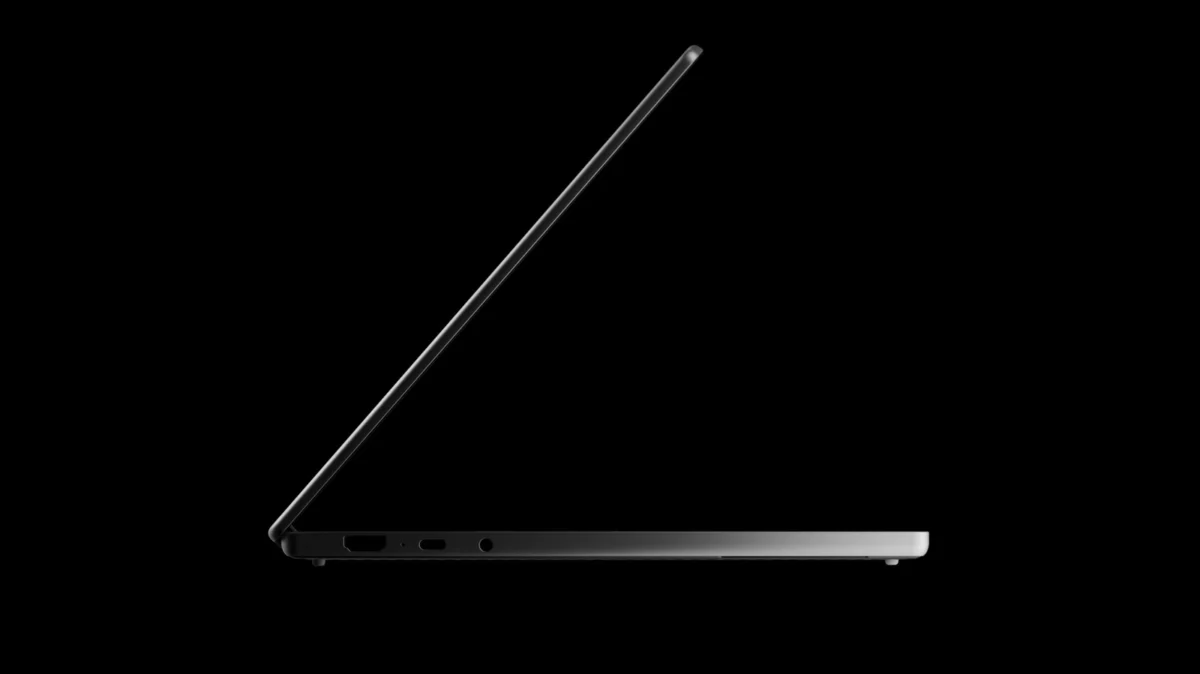
New images shared by Android Headlines have provided the clearest glimpse yet into the hardware ecosystem supporting Google’s highly anticipated Android-based computing initiative, dubbed "Googlebooks." The leaks suggest that technology giant Lenovo is preparing to launch not just new laptops, but also a versatile 2-in-1 tablet, all bearing the distinctive Googlebook branding. This revelation significantly expands the known scope of Google’s new platform, which was initially introduced in May with a focus primarily on laptop form factors. The leaked devices, characterized by a stark white aesthetic and a mysterious "Glowbar" light strip, underscore Google’s ambition to differentiate its AI-first operating system in a competitive market dominated by traditional computing paradigms.
The Unveiling of Googlebook Hardware: Design and Features
The leaked images showcase three distinct devices from Lenovo, each designed to run Google’s evolving Android-based operating system. Two of these are traditional laptop models, appearing in different sizes, reminiscent of Lenovo’s established Chromebook Plus 14 line. This suggests a continuation of Lenovo’s strategy to offer varied screen sizes and configurations to cater to different user preferences and price points within the Google ecosystem. The third device is particularly noteworthy: a 2-in-1 tablet featuring an integrated kickstand and a detachable keyboard, drawing clear parallels to Lenovo’s IdeaPad Pro Gen 2 series. This confirms that Googlebooks will extend beyond the conventional laptop form factor, embracing the versatility of tablets, a significant update from Google’s initial, laptop-centric demonstrations.
A consistent design language permeates all three leaked Googlebook devices. They are presented in a uniform stark white finish, a choice that aligns with Google’s minimalist and modern aesthetic often seen in its Pixel line of smartphones and smart home devices. Crucially, each device features a prominent light strip, referred to in some discussions as a "Glowbar," positioned strategically on the hardware. This Glowbar is anticipated to be a key differentiating feature for Googlebooks, possibly serving as a visual indicator for AI interactions, notifications, or system status. The concept of glowing lights as a functional design element is not entirely new to Google’s hardware strategy; similar features have been rumored for upcoming Pixel phones, suggesting a cohesive design philosophy across Google’s device ecosystem. The number and type of ports, including USB-C and USB-A, vary across the models, indicating different tiers or intended uses, but all are expected to offer modern connectivity options essential for contemporary computing.
Background and Strategic Context of Googlebooks
Google first announced its ambitious Googlebooks initiative in May, positioning it as an evolution of ChromeOS, deeply integrated with the Android ecosystem and powered by advanced artificial intelligence. The announcement highlighted Google’s intent to create a new category of computing devices designed from the ground up to leverage AI for enhanced productivity, creativity, and user experience. During this initial reveal, Google confirmed a roster of prominent hardware partners, including ASUS, Dell, HP, and Lenovo, signaling a broad industry commitment to the new platform. However, specific hardware details remained largely under wraps, with Google’s own presentations using only generic images of an unspecified laptop to illustrate the platform’s capabilities.
The strategic shift towards an Android-based foundation for Googlebooks is significant. While ChromeOS has carved out a niche, particularly in education and budget-friendly segments, its app ecosystem has historically relied on web applications and, more recently, Android app compatibility layers. By building Googlebooks directly on an Android foundation, Google aims to provide native access to the vast Android app library, offering a richer and more integrated software experience. This move is also deeply intertwined with Google’s overarching AI strategy, particularly the rollout of its Gemini AI model. Googlebooks are envisioned as a primary conduit for users to interact with Gemini and other AI services, offering features like "Magic Pointer," which allows users to wiggle their mouse to generate quick, contextual AI prompts. This emphasis on intuitive AI interaction, leveraging both mouse and voice input, highlights Google’s vision for a more proactive and intelligent computing experience.
A Chronology of Anticipation and Revelation
The journey of Googlebooks from concept to leaked hardware can be traced through several key milestones:
- May [Current Year]: Google officially announces the Googlebooks initiative, presenting it as the Android-based evolution of ChromeOS. The company details its vision for AI-powered computing, emphasizing deep integration with Gemini and other Google services. Key hardware partners, including Lenovo, ASUS, Dell, and HP, are revealed, but no specific device designs or specifications are provided. Google’s demonstrations focus on software features like "Magic Pointer" and a general AI-first user interface.
- [Recent Past, leading to the leak]: Speculation begins to mount regarding the form factors Googlebooks would adopt. Given the ChromeOS heritage, laptops were widely expected. However, the potential for tablets or 2-in-1 devices remained an open question, especially considering Android’s strong presence in the tablet market.
- [Present Day, with the leak]: Android Headlines publishes leaked images of Lenovo-branded Googlebook devices. These images confirm the existence of two distinct laptop models and, significantly, a 2-in-1 tablet. The leak provides the first concrete visual evidence of the hardware partners’ contributions, revealing the "Glowbar" feature and the consistent white aesthetic. This leak substantially enriches public understanding of the initiative’s hardware dimension.
- "Later This Year": Google’s official launch timeline for the Googlebooks initiative. While specific dates are yet to be announced, the leaks suggest that hardware development is progressing, making a launch within the stated timeframe highly plausible. Given the focus on third-party hardware, the launch is likely to be a coordinated effort across multiple OEMs rather than a single Google-branded device event, distinct from its Pixel phone launches.
The Significance of the 2-in-1 Tablet Form Factor
The inclusion of a 2-in-1 tablet in Lenovo’s leaked Googlebook lineup is a particularly impactful revelation. Until now, Google’s public-facing demonstrations of Googlebooks have predominantly showcased a laptop form factor, leading many to assume the platform would primarily target traditional clamshell devices. The confirmation of a tablet with a kickstand and detachable keyboard signifies Google’s intention to offer a more versatile and adaptable computing experience, bridging the gap between mobile productivity and full-fledged desktop-like functionality.
This move has several implications. Firstly, it positions Googlebooks to directly compete in the burgeoning market for hybrid devices, where Apple’s iPad Pro and Microsoft’s Surface line have seen considerable success. By offering a 2-in-1, Google and its partners can appeal to users who require the portability and touch-centric interface of a tablet for media consumption and casual use, alongside the keyboard and mouse productivity of a laptop for more intensive tasks. Secondly, it highlights Google’s commitment to leveraging the strengths of the Android ecosystem, where tablets have a long-standing presence. Integrating Android-based Googlebooks with tablet functionality could provide a more seamless transition for existing Android tablet users looking for an upgrade with enhanced AI capabilities and a desktop-like environment.
The design of the 2-in-1, resembling Lenovo’s IdeaPad Pro Gen 2, suggests a focus on premium build quality and user experience. Such devices are typically favored by professionals and students who need flexibility in their computing tools. The integration of AI features like "Magic Pointer" on a touch-enabled, pen-compatible device could unlock new modes of interaction, allowing users to intuitively prompt Gemini through gestures or stylus input, further enhancing creative and productive workflows.
Inferred Industry Reactions and Statements
While official statements from Google or Lenovo regarding these specific leaks are unlikely, it is possible to infer their broader positions based on public announcements and strategic objectives.
- Google’s Perspective (Inferred): Google would likely reiterate its excitement for the Googlebooks initiative as a "new era of AI-powered computing." They would emphasize the collaborative effort with hardware partners to bring diverse and innovative devices to market, underscoring the platform’s flexibility across various form factors. A generic statement expressing satisfaction with partner progress and anticipation for the official launch would be consistent with their public relations strategy. The company’s focus remains on the transformative power of AI and how Googlebooks will serve as a primary interface for Gemini and other advanced services, providing a "fundamentally different" computing experience.
- Lenovo’s Perspective (Inferred): As a key launch partner, Lenovo would likely express its commitment to innovation and its strong partnership with Google. They would highlight their expertise in designing and manufacturing a wide range of computing devices, from traditional laptops to innovative 2-in-1s, which aligns perfectly with the Googlebooks vision. Lenovo would likely emphasize their role in bringing Google’s AI-first platform to life through compelling hardware that meets diverse consumer needs, leveraging their established design principles and manufacturing prowess. Their participation reinforces their position as a versatile OEM capable of adapting to emerging technological trends.
- Industry Analyst Commentary (Inferred): Industry analysts would likely view these leaks as a positive sign for the Googlebooks initiative, demonstrating concrete progress beyond initial conceptual announcements. The inclusion of a 2-in-1 tablet would be seen as a smart strategic move, broadening the platform’s appeal and enhancing its competitive stance against Apple and Microsoft in the premium and versatile device segments. Analysts might also comment on the importance of the "Glowbar" and other unique hardware features in differentiating Googlebooks from existing ChromeOS devices and other laptops. Questions would likely arise regarding pricing, battery life, and the specific AI capabilities that will be available at launch, as these will be critical factors for consumer adoption in a market where AI integration is becoming increasingly common.
Supporting Data and Market Context
The launch of Googlebooks comes at a pivotal time for the personal computing market. After a pandemic-driven surge, the PC market has experienced a slowdown, with global shipments facing headwinds. However, there is a growing demand for devices that offer enhanced functionality, portability, and, increasingly, integrated artificial intelligence capabilities.
- Chromebook Market: Chromebooks, while successful in education and budget segments, have largely plateaued in growth in mature markets. Googlebooks represent an attempt to revitalize this segment and expand beyond it by offering a premium, AI-centric experience that transcends the traditional "web-browser-in-a-box" perception. In Q4 2023, Chromebook shipments accounted for a significant portion of the education market, but their overall market share in general consumer and enterprise segments has remained modest compared to Windows and macOS devices. Googlebooks aim to disrupt this by offering a more robust, Android-integrated platform.
- AI in Computing: The integration of AI into computing devices is rapidly becoming a key differentiator. Microsoft has heavily invested in "AI PCs" with Copilot, and Apple continues to enhance its on-device machine learning capabilities. Googlebooks, with their deep integration of Gemini, are poised to be a significant player in this emerging category, potentially offering a more native and pervasive AI experience from the ground up, rather than as an add-on.
- 2-in-1 Market Growth: The 2-in-1 device market has shown consistent growth, driven by consumer demand for flexibility. According to market research firms, convertible and detachable PCs represent a growing segment of the overall PC market, indicating a strong appetite for devices that can function as both laptops and tablets. The leaked Lenovo 2-in-1 Googlebook is well-positioned to capitalize on this trend.
- Android Ecosystem Strength: Android boasts the largest mobile operating system market share globally, with billions of active devices. Leveraging this vast ecosystem for Googlebooks provides a powerful advantage, offering instant access to a massive app library and familiarity for countless users. This can lower the barrier to entry for new Googlebook users compared to entirely new platforms.
Broader Impact and Implications
The Googlebooks initiative, particularly as revealed through these Lenovo leaks, carries significant implications across various facets of the technology industry.
- For Consumers: Users will gain access to a new category of computing devices designed for an AI-first world. This could mean more intuitive interactions, proactive assistance from Gemini, and a seamless blend of Android’s app ecosystem with traditional computing tasks. The availability of both laptops and 2-in-1s provides choice, catering to different preferences for portability and productivity. Depending on pricing, Googlebooks could offer a compelling alternative to more expensive premium laptops and tablets, especially for those deeply embedded in the Google ecosystem.
- For Developers: The Android-based foundation of Googlebooks could simplify development efforts. Developers familiar with Android stand to benefit from a potentially unified platform for creating applications that seamlessly run across smartphones, tablets, and these new AI-powered laptops. This could foster a richer app ecosystem specifically optimized for Googlebook features and AI capabilities.
- For Google’s Ecosystem: Googlebooks are a critical component of Google’s broader strategy to solidify its hardware ecosystem and showcase its advancements in AI. By offering a compelling, AI-centric computing platform, Google can strengthen its position against rivals like Apple and Microsoft, which have strong integrated hardware-software ecosystems. Googlebooks can serve as a powerful vehicle for Gemini, driving adoption and demonstrating its real-world utility in a productivity context. It also represents an evolution of Google’s long-term vision for ambient computing, where AI anticipates user needs across devices.
- For OEM Partners (Lenovo, ASUS, Dell, HP): For partners like Lenovo, Googlebooks offer a new avenue for product innovation and market differentiation. In a mature PC market, new operating systems and platforms can stimulate demand and allow OEMs to experiment with novel designs and features. This collaboration positions these manufacturers at the forefront of AI-powered computing, potentially opening new revenue streams and market segments. It also provides an opportunity to leverage their existing design and manufacturing expertise within a fresh technological framework.
- Competitive Landscape: Googlebooks will intensify competition in the PC market, particularly in the mid-to-high-end segments where AI integration is becoming standard. They will challenge traditional Windows laptops, Apple’s macOS devices, and even existing high-end Chromebooks. The 2-in-1 variant will directly compete with devices like the iPad Pro and Microsoft Surface, offering a new choice for users seeking versatility and AI functionality. The success of Googlebooks will depend on Google’s ability to deliver on its AI promises and its partners’ ability to create compelling hardware at competitive price points.
As the official launch approaches later this year, these leaks from Lenovo provide crucial insights into the tangible form that Google’s ambitious Googlebooks initiative will take. The confirmation of both traditional laptops and versatile 2-in-1 tablets, coupled with the distinctive design language and AI-focused hardware features like the "Glowbar," paints a picture of a platform poised to offer a fresh and integrated computing experience. The industry now keenly awaits Google’s formal unveiling to understand the full scope of features, pricing, and availability that will define this next evolution in AI-powered personal computing.







