Evan Lee Salim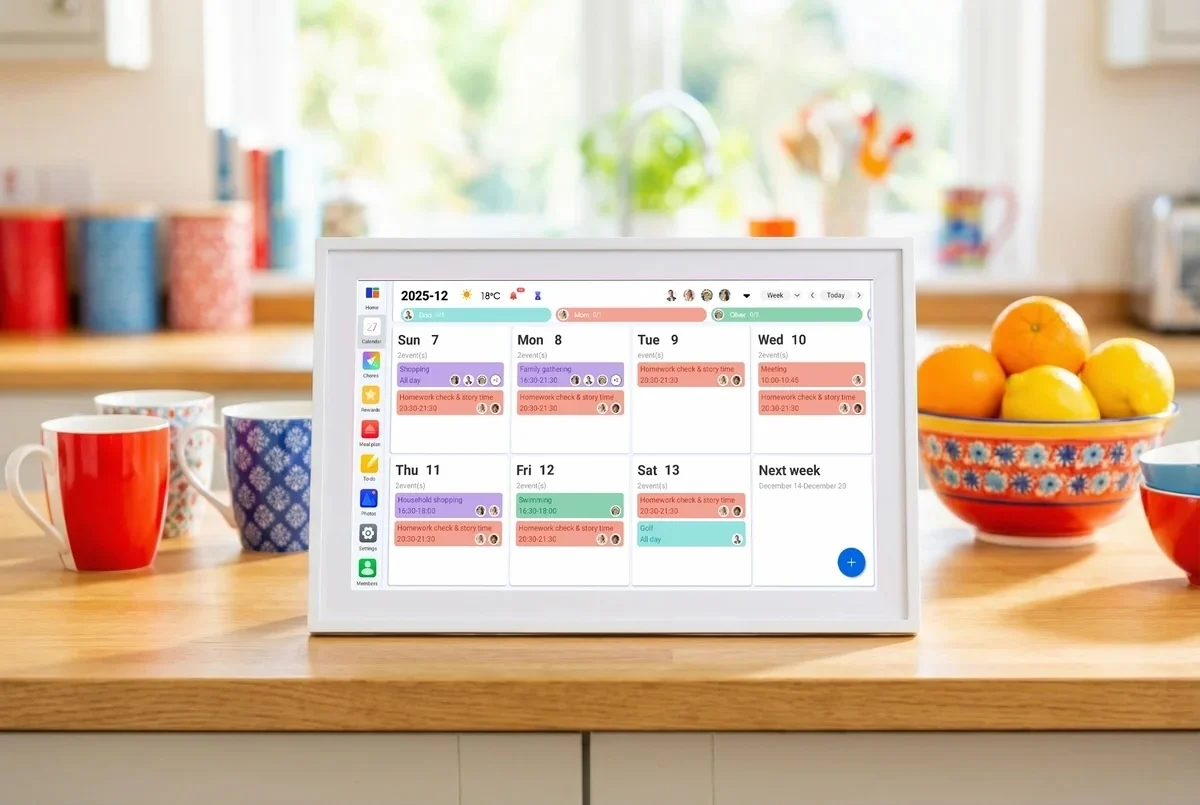
With the back-to-school season either looming or already in full swing for countless households, the intricate dance of managing multiple family members’ schedules has once again taken center stage, often spiraling into a maelstrom of conflicting appointments, deadlines, and commitments. From professional work schedules and academic timetables to extracurricular sports, medical appointments, household chores, and social engagements, the sheer volume of activities can quickly overwhelm traditional organizational methods. The once-reliable paper calendar, or even disparate individual digital apps, frequently falls short in providing a cohesive, real-time overview for an entire household. Addressing this pervasive challenge, Linkdaze introduced its innovative smart digital calendar, a purpose-built touchscreen tablet designed not for individual use, but as a central command hub to streamline the complex logistics of family life.
A Centralized Hub for Household Management
Launched in December, Linkdaze’s smart digital calendar emerged into the market as a dedicated solution to the organizational complexities faced by contemporary families. Unlike conventional tablets or smart displays that offer a myriad of functionalities, Linkdaze zeroes in on household management, positioning itself as the indispensable visual and interactive centerpiece for family coordination. Available in two distinct sizes – a prominent 15.6-inch model and a more compact 10.1-inch version – the device offers flexibility to integrate seamlessly into various home environments, whether mounted prominently in a kitchen, hallway, or communal living space. This physical presence underscores its role as a persistent, accessible source of truth for everyone in the home, minimizing the need for constant verbal check-ins or the hunting down of individual devices.
Unparalleled Calendar Compatibility and Integration
One of the Linkdaze calendar’s most compelling attributes is its robust compatibility with a wide array of popular calendar services. Recognizing that modern families often comprise individuals utilizing different digital ecosystems, Linkdaze transcends platform loyalties by enabling synchronization with major services including Google Calendar, Apple iCloud, Microsoft Outlook, Yahoo Calendar, and Cozi – a well-regarded family-organizing application. This crucial feature eliminates the often-frustrating requirement for all family members to migrate to a single, unified platform, a common hurdle that frequently derails attempts at shared organization. Instead, Linkdaze acts as an aggregator, pulling diverse schedules into a single, comprehensive display. To further enhance clarity and immediate understanding, the system employs an intuitive color-coding scheme, allowing each family member’s unique schedule to be instantly identified at a glance. This visual distinction is invaluable in busy households, providing quick insights into who needs to be where, and when, without deep dives into individual entries. This interoperability is a significant strategic advantage, directly addressing a pain point that many multi-device, multi-platform households experience daily.
Beyond Schedules: Comprehensive Family Organization Tools
The utility of the Linkdaze calendar extends far beyond mere appointment tracking. It integrates a suite of features designed to holistic household management. The device facilitates the establishment and tracking of chores and reward systems, transforming mundane tasks into structured activities that foster responsibility among children and ensure equitable distribution of household duties. Parents can assign tasks, set deadlines, and even link completion to a customizable reward system, providing positive reinforcement and reducing parental oversight.
Furthermore, meal planning becomes a streamlined process. Users can plan weekly menus, reducing daily stress and promoting healthier eating habits. This feature integrates directly with the generation of shopping lists, automatically compiling necessary ingredients based on the planned meals. This level of automation significantly cuts down on mental load, prevents forgotten items, and can even help manage household budgets by enabling more deliberate purchasing decisions. For families constantly on the go, the ability to quickly review and update these lists from a central point is invaluable. The device also supports general family organization tasks, acting as a digital bulletin board for reminders, notes, and shared information that might otherwise get lost in the shuffle of paper notes or ephemeral digital messages.
Adding an aesthetic dimension, the Linkdaze calendar also doubles as a digital photo frame. This allows families to display a rotating slideshow of cherished memories, transforming a functional device into a warm, personalized element of home decor. This feature subtly reinforces the device’s role as a central, beloved fixture in the family home.
Pioneering AI with "Snap-to-Sync" Meal Planning
Among its robust feature set, the most innovative and differentiating capability of the Linkdaze calendar is its AI-powered meal planner, featuring a proprietary function dubbed "Snap-to-Sync." This ingenious technology addresses a common frustration associated with digital meal planning: the tedious manual entry of recipes and menus. Instead of requiring users to type out every ingredient and step, Linkdaze allows users to simply take a photograph of a paper recipe, a handwritten meal plan, or even a school lunch menu. The integrated artificial intelligence then processes this image, intelligently extracting the relevant information to convert it into a digital meal plan within the system. Crucially, from this digitized meal plan, Linkdaze automatically generates a corresponding shopping list, itemizing all necessary ingredients.
While the concept of OCR (Optical Character Recognition) and image-to-text conversion is not entirely new, its application within a dedicated family calendar, specifically tuned for meal planning and shopping list generation, offers a distinct practical advantage. This feature significantly reduces the friction typically associated with adopting digital organizational tools, making the transition from traditional methods smoother and more appealing. For busy parents, the ability to rapidly digitize information from physical documents without manual transcription represents a substantial time-saver and a compelling reason for Linkdaze to stand out in a competitive market dominated by more basic digital calendars.
A Disruptive Business Model: No Monthly Subscriptions

In a technology landscape increasingly dominated by subscription-based services, Linkdaze has made a noteworthy strategic decision: its core functionalities do not require a monthly subscription. This choice is particularly striking in the smart display and smart calendar category, where recurring revenue models have become the de facto standard for many hardware companies. For instance, Skylight, a prominent competitor in the smart calendar space, offers additional features and functionalities through an annual subscription priced at $79.
Linkdaze’s approach of providing its main features without ongoing fees presents a bold challenge to industry norms. This decision positions Linkdaze as a product with a transparent, one-time purchase cost for its primary benefits, potentially appealing to a broad segment of consumers wary of accumulating monthly expenses. From a business perspective, this could be interpreted in two ways: either as a powerful differentiator that enhances consumer value and adoption in a crowded market, or as a missed opportunity for a recurring revenue stream that could fund continuous development and feature enhancements. The long-term success of this model will depend on Linkdaze’s ability to maintain a competitive feature set and user experience without the steady income stream that subscriptions provide. However, for consumers, the absence of a subscription fee for essential features is an undeniable "big plus."
Competitive Pricing and Market Positioning
Beyond its subscription-free model, Linkdaze also offers a competitive upfront pricing strategy. The 10.1-inch Linkdaze model is priced at $119.99. In comparison, Skylight’s 10-inch model starts at $149.99, a price point that often comes with the implicit or explicit expectation of an additional subscription for full functionality. This lower initial cost, combined with the absence of recurring fees, positions Linkdaze as a more accessible and potentially more cost-effective solution for households seeking a dedicated smart calendar. This aggressive pricing, coupled with its robust feature set and subscription-free model, signals Linkdaze’s intent to capture significant market share by offering compelling value to consumers.
Target Audiences and Broader Implications
The Linkdaze smart digital calendar is poised to be an incredibly practical and impactful gift for a variety of demographics, particularly those grappling with the complexities of modern scheduling.
For busy parents, the device offers a tangible solution to the perennial challenge of keeping everyone’s schedules aligned in one central, accessible location. It alleviates the mental load associated with tracking multiple children’s activities, school events, and family appointments, reducing conflict and fostering better communication within the home. The integration of chore management and meal planning further streamlines household operations, allowing parents to reclaim valuable time and reduce daily stress.
Beyond traditional families, Linkdaze holds significant potential for college apartments and shared living spaces. Roommates can leverage the system to coordinate chores, establish shared study schedules, plan communal meals, and manage other collective household responsibilities. This can significantly reduce friction and misunderstandings that often arise in shared living environments, promoting a more harmonious and organized communal experience.
Furthermore, individuals juggling demanding professional lives — particularly those with multiple interviews, tight deadlines, back-to-back meetings, and complex project assignments — can also find immense value in Linkdaze. Its ability to consolidate various calendars and tasks, coupled with its visual clarity and ease of use, can serve as a powerful personal productivity tool, ensuring that crucial appointments and responsibilities are never overlooked.
In a broader context, Linkdaze represents an evolution in the smart home ecosystem. While smart displays like Google Nest Hub and Amazon Echo Show offer general smart home control and entertainment, Linkdaze carves out a niche by specializing in the specific and acute problem of family organization. Its dedication to this singular purpose, coupled with its innovative features like "Snap-to-Sync" and its consumer-friendly business model, suggests a thoughtful approach to meeting genuine market needs. The product’s success could influence how other smart display manufacturers consider specialized applications, moving beyond general-purpose devices towards more targeted solutions that address specific pain points in daily life. This emphasis on practical utility, rather than simply connectivity, resonates deeply with the growing demand for technology that genuinely simplifies and enhances everyday living, rather than adding another layer of complexity.
Future Outlook
As Linkdaze continues its journey in the smart display market, its non-subscription model will be a key factor to watch. While it offers immediate cost savings to consumers, sustaining long-term software development and innovation typically relies on recurring revenue. However, by establishing a strong user base and potentially introducing premium hardware upgrades or accessory sales, Linkdaze could carve out a sustainable path. The emphasis on user-friendly design and solving real-world problems for families and shared living spaces positions Linkdaze as a thoughtful contender in the increasingly crowded smart home technology arena, promising a more organized and less chaotic future for its users.
This post was first published on August 20, 2026.
When you purchase through links in our articles, we may earn a small commission. This doesn’t affect our editorial independence.