George Chandra Eka
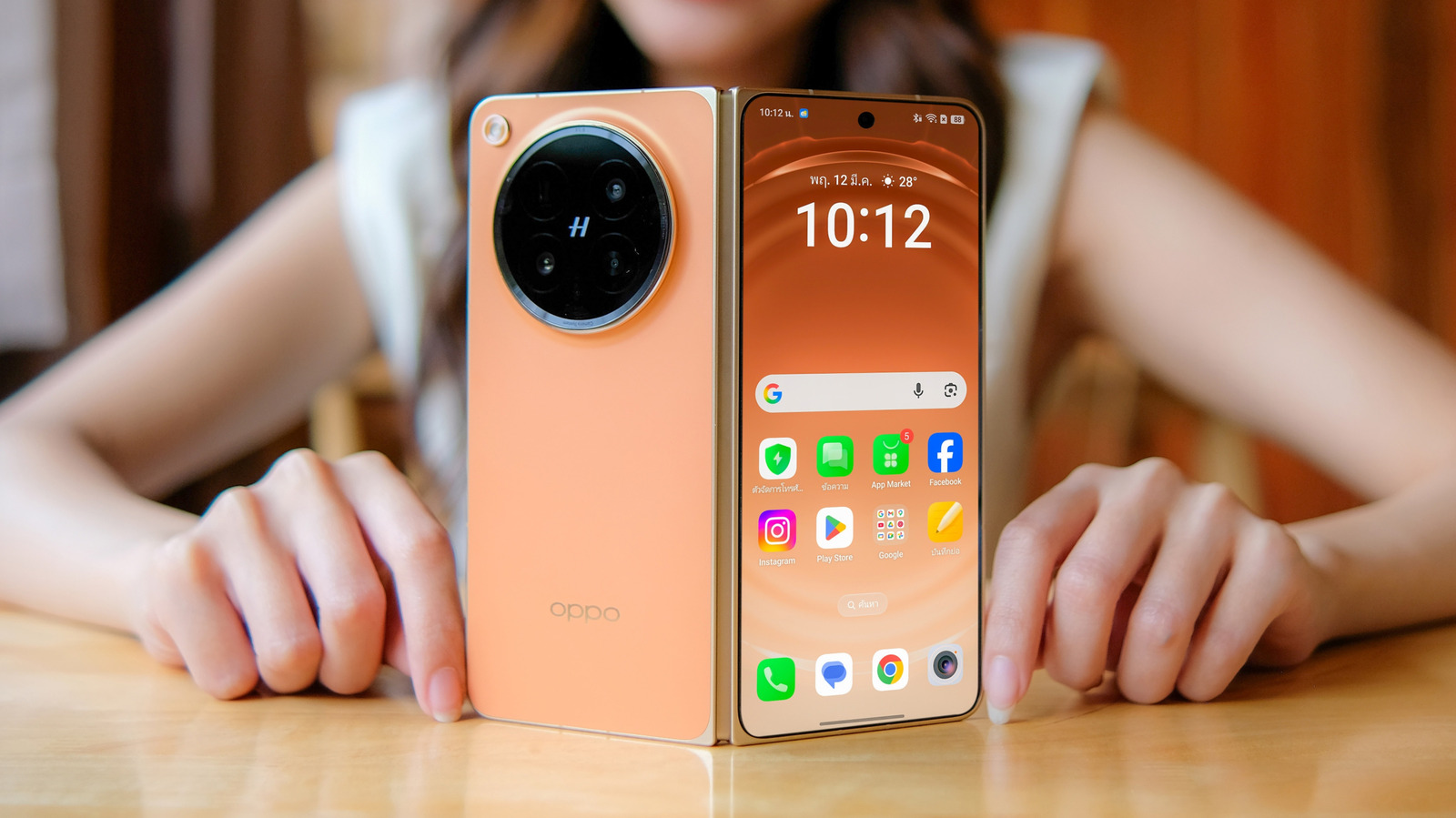
The allure of cutting-edge technology often extends beyond national borders, particularly in the dynamic smartphone market. While American consumers have a robust selection of devices from giants like Apple and Samsung, a vibrant ecosystem of innovation thrives internationally, producing intriguing smartphones that never officially reach U.S. shores. Brands like Xiaomi, Honor, OPPO, Vivo, and Realme frequently introduce devices with unique designs, groundbreaking features, and aggressive pricing strategies, creating a compelling draw for tech enthusiasts in the United States. From multi-screen foldables and devices boasting DSLR-quality camera systems to phones equipped with exceptionally long-lasting batteries or ultra-fast charging capabilities, these international models represent the vanguard of smartphone evolution, often preceding or entirely bypassing their American counterparts. However, the decision to import such a device is fraught with a complex array of considerations, ranging from network compatibility and software integrity to warranty coverage and long-term support, demanding a comprehensive understanding before purchase.
The Global Smartphone Innovation Landscape
The global smartphone market is a tapestry of diverse manufacturers, each vying for market share with distinctive product offerings. Beyond the dominant duopoly of Apple and Samsung, Asian manufacturers, particularly those from China, have emerged as powerful innovators. Companies like Xiaomi, for instance, have garnered significant attention for their Mix Fold series, pushing the boundaries of foldable technology with unique hinge designs and display configurations. Honor, a former sub-brand of Huawei, has made waves with its Magic series, known for premium aesthetics, powerful processors, and advanced camera optics. OPPO’s Find X line often showcases experimental designs and proprietary charging technologies that set industry benchmarks. These devices frequently feature hardware specifications that are either unavailable or significantly more expensive in the U.S. market, such as advanced periscope zoom lenses, massive battery capacities exceeding 5,000 mAh coupled with 100W+ fast charging, or unique biometric security implementations.
According to market research firms like Counterpoint Research and Canalys, Chinese brands collectively hold a substantial share of the global smartphone market outside of North America, often dominating in Asia, Europe, and emerging markets. For instance, in Q3 2023, Xiaomi, OPPO, and Vivo consistently ranked among the top five global smartphone vendors by shipment volume, showcasing their immense manufacturing capabilities and innovative drive. This intense competition fosters rapid innovation, leading to a wider array of form factors, material choices, and technological advancements that are often slow to penetrate the U.S. market, which tends to prioritize a more standardized set of features and design philosophies. The scarcity of these diverse options in American retail channels naturally piques the interest of consumers seeking differentiation and cutting-edge performance.
Navigating the Technical Labyrinth: Network Compatibility
One of the most critical challenges facing prospective importers is ensuring network compatibility. While modern smartphones are increasingly designed with global cellular bands in mind, significant differences persist between regions, particularly concerning 5G networks and carrier-specific functionalities. The U.S. operates on a distinct set of frequency bands for its cellular networks (primarily operated by AT&T, Verizon, and T-Mobile), which may not perfectly align with the bands supported by a phone designed for, say, the Chinese or European market.
Historically, mobile networks evolved with distinct technologies like CDMA and GSM. The U.S. had a mix of both, but the transition to LTE (4G) and subsequently 5G has largely unified the underlying technology to GSM-derived standards. However, the specific frequencies used for these technologies vary widely. For 4G LTE, U.S. carriers utilize bands such as B2, B4, B5, B12, B13, B17, B66, and B71. For 5G, the situation becomes even more complex. While most international phones support sub-6 GHz 5G (low-band and mid-band frequencies like n5, n41, n66, n71), which provides broad coverage, many lack support for millimeter-wave (mmWave) 5G (e.g., n260, n261), primarily deployed by Verizon and AT&T for ultra-fast, short-range connectivity in dense urban areas. A phone purchased abroad might offer excellent 4G LTE connectivity but could be limited to slower 5G speeds or even fall back to LTE entirely in certain areas, negating one of the primary benefits of a new flagship device.
To ascertain compatibility, consumers must meticulously cross-reference the phone’s specified network bands (often found in its technical specifications) with those utilized by their chosen U.S. carrier. Websites and forums dedicated to mobile technology frequently host user-generated compatibility lists, and tools like Kimovil or GSMArena can provide detailed band information for various phone models. Ignoring this crucial step can lead to a device that functions only partially, restricting users to slower network speeds or limited coverage, severely diminishing the overall user experience.
Beyond basic connectivity, carrier-specific features present another hurdle. Services such as Voice over LTE (VoLTE), Wi-Fi Calling, and Visual Voicemail typically require specific certification and provisioning by each U.S. carrier for every device model. Even if an imported phone is technically capable of these features, a lack of carrier certification means they often remain inaccessible. VoLTE is particularly vital as 3G networks continue to be phased out; without VoLTE, a device may be unable to make or receive calls over the cellular network, effectively rendering it a data-only device. Consumer forums, such as dedicated subreddits or XDA Developers threads, often provide anecdotal evidence or community-developed workarounds, but official support remains elusive. Furthermore, network requirements are not static; carriers frequently update their infrastructure and policies, meaning a device that works adequately today might encounter new limitations in the future.
The Software Ecosystem: A Divergent Experience
The Android experience, while seemingly universal, can vary dramatically depending on the region for which a phone is intended. For devices primarily sold in China, the most significant software hurdle is the potential absence of Google Play Services (GMS). Due to regulatory and market conditions in mainland China, many Chinese phone manufacturers release devices with highly customized versions of Android that do not include GMS, the foundational software layer that enables access to the Google Play Store, Gmail, Google Maps, YouTube, and numerous other Google applications and services. Instead, these devices typically come with proprietary app stores and localized services.
For a U.S. user, a phone without GMS is severely hampered. While it is often possible to sideload GMS packages, this process can be complex, unreliable, and may not persist through software updates. Moreover, sideloading carries security risks and can lead to instability or reduced functionality. Even if GMS is successfully installed, future Android version updates, which are often tied to region or carrier distribution, might break compatibility or require manual reinstallation.
Beyond GMS, the software on imported phones often includes a substantial amount of "bloatware" – pre-installed applications and services designed for the local market that are irrelevant or unusable in the U.S. These can include Chinese social media apps, payment platforms, and news aggregators, many of which are in Mandarin and cannot be uninstalled. The user interface itself, while often aesthetically pleasing, might have different conventions or default settings compared to global Android versions. Privacy concerns can also arise from using unfamiliar pre-installed applications and services whose data handling practices may not align with Western standards.
Software updates present another challenge. Updates for imported devices might follow a different schedule than global versions, or they might cease altogether if the manufacturer decides not to support international variants with regular updates. This can leave devices vulnerable to security threats or prevent them from accessing new features introduced in later Android versions. Users might find themselves manually flashing firmware updates, a process that requires technical expertise and carries the risk of bricking the device if performed incorrectly.
After-Sales Support and Longevity Concerns
The long-term viability of an imported phone is heavily dependent on after-sales support, an area where these devices face considerable disadvantages in the U.S. Most international phone warranties are regional, meaning a device purchased in China or Europe will typically not be eligible for warranty service in the United States. Should a defect arise, consumers would likely need to ship the device back to the original point of purchase or a designated service center in its native region, incurring significant shipping costs, potential customs duties, and prolonged downtime.
Furthermore, many of these foreign brands lack an official presence or authorized service network in the U.S. This translates to a complete absence of official customer support channels, such as dedicated phone lines, email support, or walk-in service centers. Users encountering issues, whether a software glitch, a hardware malfunction, or simply needing technical assistance, are left to rely on online forums, community support, or third-party repair shops.
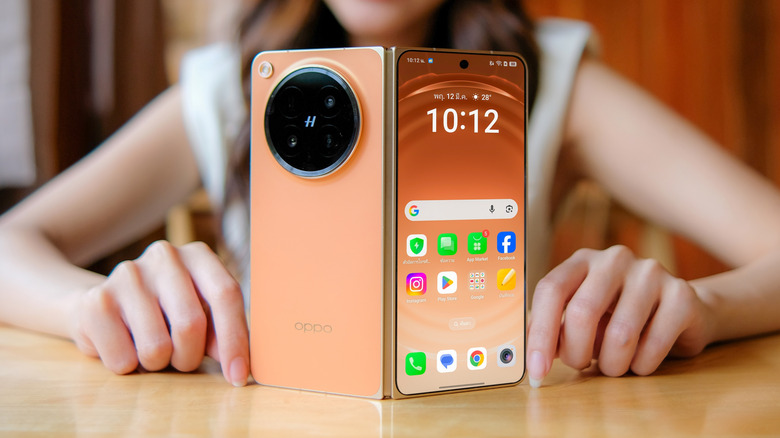
The repair infrastructure for imported phones is equally challenging. Common issues like a cracked screen, a failing battery, or a malfunctioning camera module become significantly more difficult and expensive to address. Third-party repair shops may struggle to source genuine parts, often resorting to aftermarket components that can compromise the phone’s performance, durability, or even safety. The lack of official schematics or diagnostic tools also complicates repairs, increasing costs and the risk of further damage. This reliance on unauthorized repair channels also typically voids any residual international warranty, even if it were theoretically applicable. The total cost of ownership, therefore, can climb substantially if repairs are needed, potentially eroding any initial price advantage.
The Allure: Why Enthusiasts Take the Leap
Despite these considerable hurdles, the appeal of importing a foreign smartphone remains strong for a dedicated segment of consumers. The primary motivator is access to innovation and exclusivity. Many international models showcase features or design philosophies that are genuinely unique and often unavailable in the US. The Xiaomi 18 Fold, for instance, represents a bleeding edge in foldable technology, potentially offering a different take on the multi-display concept than devices officially sold in the U.S. It might boast a larger battery, more advanced camera sensors, or a distinct hinge mechanism. For enthusiasts, holding a piece of technology that pushes boundaries and stands out from the ubiquitous iPhone or Galaxy devices is a significant draw.
Early adoption is another powerful incentive. International releases often precede official U.S. launches by several months, or in many cases, certain models are never released stateside at all. For those who want to experience the latest advancements immediately, importing offers the quickest path. For example, a new processor might debut in a Chinese flagship weeks or months before it appears in a U.S.-bound device. This "first-mover" advantage allows tech-savvy consumers to be at the forefront of smartphone trends.
Price can also be a factor, though it requires careful calculation. While the sticker price of some international flagships might be lower than their U.S. counterparts (the Xiaomi 18 Fold, for example, was mentioned at an equivalent of about $1,640, potentially undercutting some premium foldables), this advantage can be eroded by import duties, shipping costs, and potential currency conversion fees. However, for certain mid-range or budget-friendly devices with surprisingly robust specifications, the overall value proposition might still be superior even after factoring in these additional expenses.
Finally, the continued support for dual physical SIM cards in many international models is a critical feature for a niche but important group of users. With most phones sold in the U.S. transitioning to eSIM-only or a single physical SIM alongside an eSIM, the ability to use two physical SIM cards simultaneously is invaluable for frequent international travelers, individuals managing both personal and business lines, or those seeking to leverage different carrier plans for optimal coverage and cost. This feature offers flexibility that is increasingly rare in the domestic market. For these reasons, despite the challenges, importing remains a rewarding experience for those willing to navigate its complexities.
Navigating the Import Process: Best Practices for Prospective Buyers
For consumers determined to explore the global smartphone market, a meticulous approach to the import process is paramount to mitigate risks. The first and most crucial step is exhaustive research. Prospective buyers must spend considerable time verifying the specific model’s compatibility with their chosen U.S. carrier, paying close attention to 4G LTE and 5G frequency bands. Websites like WillMyPhoneWork.net or community forums such as Reddit’s r/android or XDA Developers are invaluable resources for gathering user experiences and technical specifications. Checking the device’s IMEI number on carrier compatibility tools can sometimes offer definitive answers, though these tools may not always recognize foreign models.
Selecting a reputable importer or seller is equally vital. The grey market for imported electronics can be fraught with risks, including counterfeit devices, models with tampered software, or sellers who offer no recourse for faulty products. Established online retailers specializing in international electronics, often with a track record of positive customer reviews and clear return policies, are preferable. Exercising caution with direct-from-China marketplaces is advisable, as buyer protection can be limited. Always verify the seller’s reputation, their return policy, and whether they offer any form of their own warranty or support.

Understanding and budgeting for customs duties, taxes, and shipping costs is another critical financial consideration. Devices imported into the U.S. are subject to import duties and potentially state sales taxes, which can add a significant percentage to the total cost. These charges are typically assessed by U.S. Customs and Border Protection upon entry and may be collected by the shipping carrier before delivery. Failing to account for these additional costs can lead to an unpleasant surprise and diminish any perceived price advantage. Shipping options should also be carefully chosen; while slower, cheaper shipping methods are available, expedited, trackable services from reputable carriers (like DHL, FedEx, or UPS) offer greater security and reliability, especially for high-value items.
Finally, secure payment methods are recommended. Using credit cards or payment services like PayPal that offer buyer protection can provide a safety net in case of disputes, non-delivery, or receiving a defective product. Direct bank transfers or less secure payment methods should be avoided when dealing with unknown or unverified sellers. An informed and cautious approach throughout the purchasing and shipping phases can significantly enhance the likelihood of a successful import experience.
Industry Perspectives and Broader Implications
The phenomenon of importing foreign smartphones, while niche, has several broader implications for both the industry and consumers. From the perspective of U.S. mobile carriers, supporting imported, non-certified devices presents both technical and logistical challenges. A hypothetical statement from a major U.S. carrier spokesperson might emphasize the importance of "devices that are fully certified for our network to ensure optimal performance, security, and access to all proprietary features like VoLTE and Wi-Fi Calling." They would likely highlight their rigorous testing processes designed to guarantee a seamless user experience and network integrity, implicitly discouraging the use of uncertified foreign devices.
Conversely, manufacturers whose devices are not officially sold in the U.S. face a complex decision. A hypothetical statement from an executive at a prominent Chinese OEM might acknowledge the global demand for their innovative products while underscoring the "significant regulatory, logistical, and partnership challenges involved in expanding into highly competitive markets like the United States." They might cite the need for extensive investment in local infrastructure, compliance with U.S. communication regulations (like FCC certification), and establishing robust customer support and repair networks as barriers. While many have global aspirations, resource allocation often prioritizes markets where market entry is less cumbersome or where they already have established distribution channels.
Consumer advocacy groups, while generally supportive of consumer choice, would likely caution against the risks associated with cross-border purchases. A consumer advocate might advise, "While the appeal of unique technology is undeniable, consumers must be fully aware of the diminished consumer protections, potential lack of warranty, and challenges in obtaining repair services when purchasing outside official channels." They would stress the importance of understanding all terms and conditions before making such a significant investment.
From a broader market perspective, the prevalence of imported devices, even in small numbers, subtly influences the domestic market. It exposes U.S. consumers to innovations that might otherwise remain unseen, potentially creating demand for similar features in officially sold devices. Tech analysts often view this enthusiast market as a barometer for emerging trends. The tension between globalized hardware manufacturing and localized software/service ecosystems highlights the ongoing challenges of a truly unified global tech market. As technologies like eSIM become more prevalent and satellite connectivity in smartphones emerges, the landscape for imported devices will continue to evolve, potentially simplifying some compatibility issues while introducing new complexities. Ultimately, the market for imported phones caters to a discerning segment willing to overcome practical hurdles for the sake of unique technological experiences.
In conclusion, importing a foreign smartphone into the United States is a journey filled with both exhilarating promise and potential pitfalls. While it opens a gateway to a world of innovative designs, advanced features, and early access to cutting-edge technology not available through official U.S. channels, it demands a high degree of diligence and an understanding of the inherent risks. From the critical need to verify network band compatibility and navigate the intricacies of software ecosystems that may lack Google Play Services, to the significant challenges concerning warranty, customer support, and repair infrastructure, every aspect requires careful consideration. For the tech enthusiast who is well-informed, meticulously prepared, and willing to embrace the complexities, the reward can be a truly unique and personalized smartphone experience. However, for the average consumer prioritizing ease of use, comprehensive support, and guaranteed compatibility, adhering to officially supported devices within their country remains the more pragmatic and reliable choice. The decision to import, therefore, is not merely a purchase, but an informed commitment to a different kind of smartphone journey.