George Chandra Eka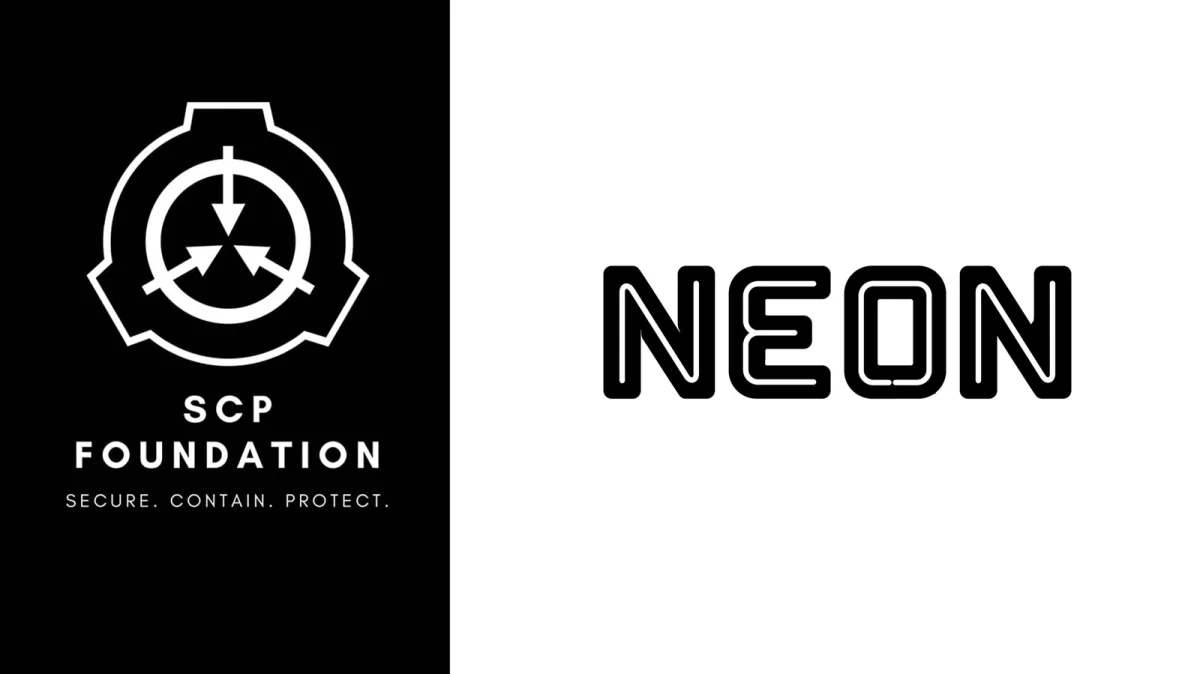
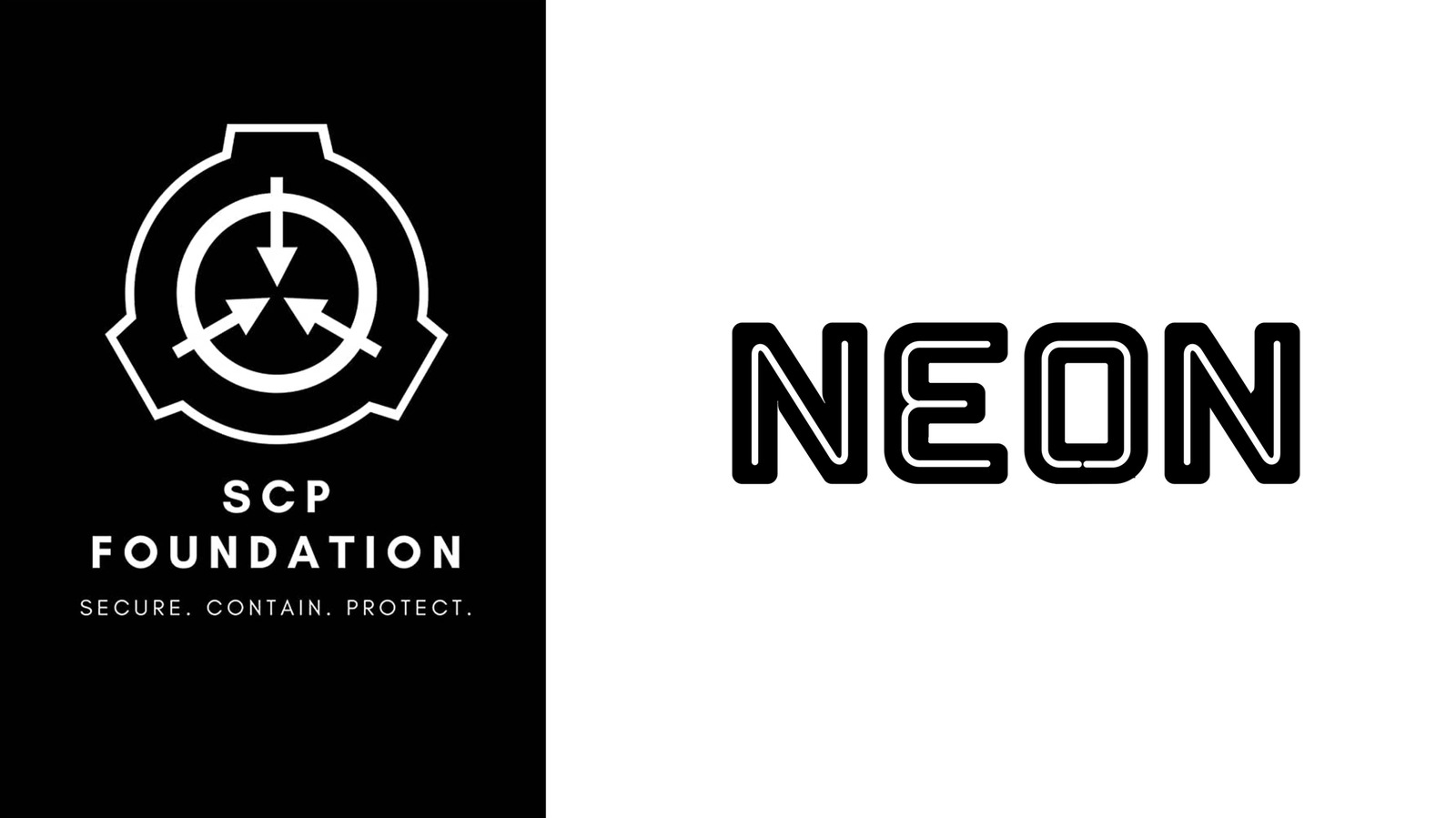
Hollywood continues its prolific exploration of internet-born narratives, with the latest significant development being Neon’s announcement of an SCP Foundation-based horror anthology film, slated for a 2027 theatrical release. This project stands out not only for its source material—the sprawling, collaboratively built horror fiction universe of the SCP Foundation—but also for Neon’s explicit commitment to an open-source model, meticulously adhering to the Creative Commons ShareAlike (CC BY-SA) license that governs the SCP Wiki. This proactive engagement marks a critical juncture in the evolving relationship between traditional media powerhouses and the vibrant, often fiercely protective, online communities from which these stories originate, particularly in light of a recent controversy involving another major studio, A24.
The move by Neon, the acclaimed distributor behind cinematic triumphs such as Parasite and Anora, is widely perceived as a direct and conscious response to the challenges faced by A24. A24 had previously announced a V/H/S film drawing inspiration from the SCP Foundation without initial consultation with the SCP Wiki’s administrative team or a clear pledge to comply with the essential open-source licensing requirements. This oversight ignited a significant backlash from the SCP community and prompted a formal warning from the Wiki’s administrators regarding intellectual property adherence. Neon’s subsequent announcement, which included upfront communication with the SCP Wiki team and a public declaration of compliance with the CC BY-SA license, has been lauded as a model for how studios can respectfully and effectively adapt fan-generated content into commercial ventures.
The SCP Foundation Phenomenon: A Decade and a Half of Collaborative Horror
To fully appreciate the significance of Neon’s endeavor, one must understand the unique ecosystem of the SCP Foundation. Originating in 2007 on the /x/ paranormal board of 4chan with the seminal entry SCP-173 ("The Sculpture"), the concept quickly evolved into a dedicated wiki in 2008. This online platform, scp-wiki.wikidot.com, functions as a collaborative fiction project where thousands of contributors worldwide have collectively built an intricate universe centered around the fictional SCP Foundation. This clandestine organization’s primary directive is to "Secure, Contain, Protect" anomalous entities, objects, and phenomena that defy natural laws, preventing them from posing a threat to global normalcy.
Each anomaly, or "SCP," is meticulously documented with a unique number (e.g., SCP-096, SCP-3008), detailed containment procedures, descriptions, and often harrowing incident logs. The sheer volume and diversity of these entries—ranging from the iconic, gaze-dependent SCP-173, to the perpetually shy and violent SCP-096 (The Shy Guy), to the infinitely sprawling, hostile dimension of SCP-3008 (A Perfectly Normal, Everyday IKEA)—have fostered a rich tapestry of horror, science fiction, and dark fantasy. The SCP Wiki boasts tens of thousands of individual articles, tales, and supplementary documents, all contributed by a global community of writers, artists, and lore enthusiasts. This collaborative effort has not only produced a vast repository of unique horror concepts but has also cultivated a fiercely loyal and highly engaged fanbase, leading to countless fan-made games, animations, artwork, and even short films. The community’s strength lies in its decentralized, democratic nature, where creativity flourishes under a shared set of guidelines, most notably the Creative Commons ShareAlike license.
The Creative Commons ShareAlike License: A Cornerstone of Open-Source Creativity
Central to the SCP Foundation’s operational ethos and its intellectual property framework is the Creative Commons Attribution-ShareAlike 3.0 (CC BY-SA 3.0) license. This specific license is a cornerstone of the open-source movement, designed to promote the free distribution and modification of creative works while ensuring that any derivative works are released under the same or a compatible license. For the SCP Foundation, CC BY-SA 3.0 means several crucial things:
- Attribution (BY): Anyone using SCP content must give appropriate credit to the original creators, providing a link to the license and indicating if changes were made.
- ShareAlike (SA): If an individual or entity adapts, transforms, or builds upon the SCP material, the resulting work must be distributed under the same CC BY-SA license. This ensures that the open-source nature of the content is perpetuated, preventing commercial entities from "locking down" derivative works with proprietary licenses.
The CC BY-SA license is not merely a suggestion; it is a legally binding framework. For the SCP community, it is fundamental to their identity, embodying their commitment to collaborative creation and free access. It allows studios like Neon to tap into a vast, pre-existing wellspring of popular IP without direct acquisition costs, but with the non-negotiable condition of perpetuating the open-source model. This presents a unique challenge and opportunity for commercial enterprises, requiring a nuanced understanding of community values alongside legal compliance.
The A24 Controversy: A Case Study in Missteps
The complexities of navigating fan-generated IP under CC BY-SA were starkly illuminated by the controversy surrounding A24. In late 2023, reports emerged that A24, a studio highly respected for its genre-bending and critically acclaimed horror output (including films like Hereditary, Midsommar, and Talk to Me), was developing a V/H/S film with elements drawn from the SCP Foundation. The proposed film, reportedly featuring SCP-inspired content, immediately raised red flags within the SCP community.
The core issue was a perceived lack of due diligence and respect for the community’s licensing framework. Unlike traditional intellectual property, which might be optioned or purchased, the SCP Foundation’s CC BY-SA license dictates that any commercial adaptation must also be released under the same open-source terms. This means that A24 would have been legally obligated to distribute their V/H/S film under CC BY-SA 3.0, a move that would fundamentally alter their typical distribution model and potentially complicate their ability to monetize the film exclusively.
The SCP Wiki admin team issued a public statement outlining their concerns with A24’s approach, emphasizing that "no one from A24, Spooky Pictures, or any other involved party has contacted the SCP Foundation Wiki staff about licensing or collaboration." They underscored the non-negotiable nature of the CC BY-SA license, stating that any commercial film based on SCP content must also be released under CC BY-SA. The community’s swift and unified pushback served as a powerful reminder of the collective ownership and protective stance taken by contributors towards their collaborative creation. While the SCP Wiki admins expressed a willingness to engage in dialogue with A24 to find a compliant path forward, the incident highlighted the potential pitfalls for studios attempting to adapt open-source IP without prior consultation and a clear understanding of its unique legal requirements.
Neon’s Strategic Approach: Embracing Open Source and Community Engagement
In stark contrast to the A24 situation, Neon adopted a fundamentally different and, ultimately, more successful strategy. Following the A24 controversy, Neon announced its own plans for an SCP Foundation-based anthology film, but crucially, did so with the explicit intent to fully comply with the CC BY-SA license. This approach was characterized by several key elements:
- Proactive Communication: Neon directly engaged with the SCP Wiki’s administrative team from the outset. This direct line of communication fostered trust and allowed for a clear understanding of the licensing requirements and community expectations.
- Public Commitment to CC BY-SA: Neon publicly pledged to release its film under the Creative Commons ShareAlike license. This transparent commitment alleviated community concerns about proprietary enclosure and affirmed Neon’s respect for the open-source nature of the SCP universe.
- Anthology Format and Emerging Talent: The choice of an anthology format is particularly well-suited to the SCP Foundation, which is inherently episodic and diverse in its narratives. This approach allows for multiple SCP entries to be explored, showcasing the breadth of the universe. Furthermore, Neon’s intention to platform emerging filmmakers and highlight the talents within the SCP community aligns with the collaborative spirit of the wiki, potentially offering new avenues for creators who have grown up immersed in the SCP lore.
- "Non-Official" Endorsement: Importantly, while Neon is collaborating with the license, the film will not be an "official" SCP production in the traditional sense. The SCP Wiki staff are not directly involved in the film’s production, nor are they receiving compensation or officially endorsing the film. This distinction is vital for the SCP Foundation itself, which maintains a neutral stance on commercial adaptations to preserve its community-driven, non-profit ethos and avoid conflicts of interest that could compromise its open-source integrity. The SCP Wiki’s statement explicitly praised Neon’s "excellent communication and commitment to following the requirements of our license as well as the spirit of collaboration at the core of the SCP Foundation project."
This careful navigation demonstrates Neon’s understanding that adapting open-source IP is not merely a legal transaction but a partnership with a community. By respecting the license and the community’s values, Neon has not only secured access to a rich intellectual property but has also positioned itself as a progressive and community-friendly studio in the eyes of a significant online fanbase.
Industry Implications and the Future of Fan IP Adaptation
Neon’s pioneering approach to the SCP Foundation film carries substantial implications for the broader entertainment industry. As studios increasingly scour the internet for fresh, pre-vetted stories with built-in fanbases—following the success of projects like Kane Parsons’ Backrooms web series adaptation—the Neon-SCP collaboration could set a new precedent.
Firstly, it highlights the growing power of online communities in shaping commercial media projects. No longer passive consumers, these communities, especially those built around open-source IP, wield significant influence through collective action and legal frameworks like CC BY-SA. Studios that fail to engage respectfully risk alienating potential audiences and facing legal challenges.
Secondly, it underscores the potential for a symbiotic relationship where studios gain access to compelling, audience-tested narratives without traditional IP acquisition costs, while communities see their creations brought to a wider audience, albeit under specific licensing terms. This model could democratize access to storytelling opportunities, allowing independent creators and emerging filmmakers to contribute to major studio productions.
Thirdly, it forces a re-evaluation of business models for commercial studios. Releasing a film under a CC BY-SA license means foregoing exclusive proprietary rights, which can be a significant shift. However, the benefits of tapping into a massive, engaged fanbase and potentially fostering goodwill could outweigh these concerns, especially for niche genre content like horror. The open-source nature might even encourage further fan engagement and derivative works, creating a self-sustaining promotional ecosystem.
Finally, the success of Neon’s film could open the floodgates for other open-source or fan-created properties to be adapted for the screen, provided studios are willing to embrace the collaborative spirit and legal obligations of such licenses. This could lead to a more diverse and innovative landscape of film and television content, directly reflecting the creative output of the internet’s most imaginative corners.
Looking Ahead: The 2027 Release
With the film’s theatrical release targeted for 2027, anticipation within the horror community and among SCP fans is already building. The project not only promises a unique cinematic experience, bringing some of the internet’s most chilling creations to the big screen, but also represents a landmark moment in the ongoing dialogue between grassroots online creativity and mainstream commercial entertainment. Neon’s decision to embrace the open-source ethos of the SCP Foundation is a bold move, one that could redefine how intellectual property is developed, shared, and celebrated in the digital age. The success of this venture will be closely watched, not just for its horror content, but for its potential to forge a new path for collaborative storytelling in Hollywood.