Sonny Valindra
Nvidia CEO Jensen Huang, clad in his characteristic leather jacket, commanded the stage at the company’s annual GTC conference this week, delivering a marathon keynote that spanned two and a half hours. The address, held against a backdrop of escalating artificial intelligence advancements, was not merely a product showcase but a bold declaration of Nvidia’s ambition to become the foundational pillar of the next era of computing. Huang projected an astonishing $1 trillion in AI chip sales through 2027, a figure that underscores the exponential growth anticipated in the sector. He also articulated a strategic imperative for every company to adopt an "OpenClaw strategy," a concept he elaborated upon, hinting at a new paradigm for AI development and deployment. The event concluded with a somewhat unexpected, albeit memorable, appearance by a robotic character named Olaf, whose extended, unscripted remarks ultimately led to the mic being cut, a moment that, while quirky, did little to detract from the overarching message of Nvidia’s expansive reach. The underlying theme was unmistakable: Nvidia is positioning itself to be integral to a vast array of technological frontiers, from the intricate processes of AI training and the development of autonomous vehicles to the immersive experiences being crafted for entertainment giants like Disney.
GTC 2026: A Defining Moment for Nvidia’s AI Trajectory
The GTC 2026 conference served as a pivotal platform for Nvidia to not only unveil its latest technological innovations but also to solidify its strategic vision for the future of artificial intelligence. Held annually, GTC has evolved from a developer conference into a global spectacle, drawing industry leaders, researchers, and enthusiasts eager to witness the cutting edge of GPU technology and its applications. This year’s event, however, felt particularly significant, marked by Huang’s expansive projections and a clear articulation of Nvidia’s role as an indispensable enabler of the AI revolution.
The $1 trillion sales projection for AI chips through 2027 is a staggering figure, reflecting a compounded annual growth rate that would dwarf most established technology sectors. This forecast is underpinned by the increasing demand for high-performance computing power required to train increasingly complex AI models, process vast datasets, and deploy AI applications across a multitude of industries. Nvidia’s dominance in the discrete GPU market, particularly for AI workloads, has placed it in an enviable position to capitalize on this demand. The company’s Hopper architecture, and the anticipated Blackwell platform, are designed to meet these escalating computational needs, offering significant improvements in performance, efficiency, and scalability.
The "OpenClaw Strategy": Redefining AI Ecosystems
Huang’s introduction of the "OpenClaw strategy" is perhaps one of the most intriguing and potentially impactful pronouncements from GTC 2026. While specific details about "OpenClaw" were not fully elaborated upon in the initial announcement, the term suggests a comprehensive approach to building and securing the AI infrastructure. The implication is that Nvidia is advocating for an open yet robust framework that allows for broad adoption and innovation while addressing critical concerns such as data security, ethical AI development, and interoperability.
In the context of a rapidly evolving AI landscape, security has become a paramount concern. As AI systems become more sophisticated and integrated into critical infrastructure, the potential for malicious attacks and data breaches increases. An "OpenClaw strategy" could encompass a suite of technologies, software, and protocols designed to fortify AI systems against these threats. This might include advancements in hardware-level security, secure data handling mechanisms, and transparent AI model governance. Furthermore, the "open" aspect suggests a desire to foster a collaborative ecosystem, where developers and businesses can build upon Nvidia’s foundational technologies without being entirely locked into proprietary solutions. This could be a strategic move to accelerate AI adoption by making it more accessible and less daunting for a wider range of organizations.
Nvidia’s Expanding Reach: Beyond the Data Center
Nvidia’s ambition extends far beyond the traditional data center and AI training workloads. The company is actively pushing its technologies into diverse and rapidly growing markets.
-
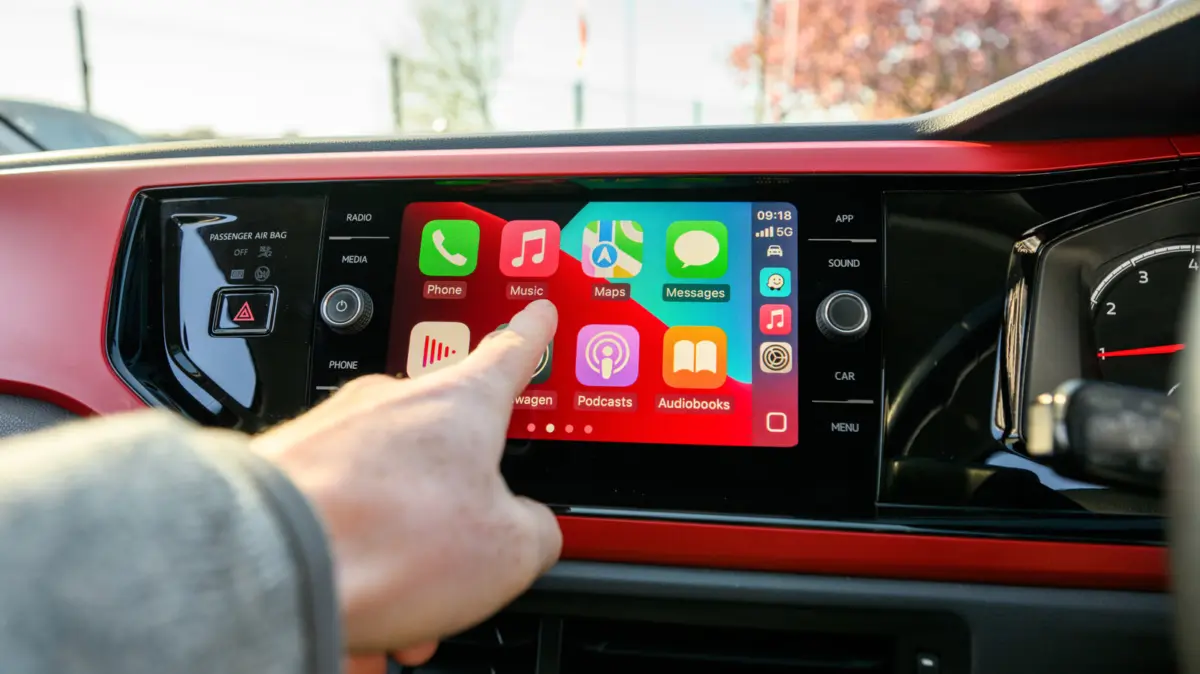
Autonomous Vehicles: The automotive industry is undergoing a significant transformation driven by the development of autonomous driving systems. Nvidia’s DRIVE platform, powered by its high-performance GPUs and specialized AI hardware, is a key enabler of this revolution. The company is collaborating with numerous automotive manufacturers and Tier 1 suppliers to accelerate the development and deployment of safe and reliable autonomous vehicles. This involves not only processing sensor data in real-time but also training complex AI models that can perceive the environment, make driving decisions, and navigate safely. The potential market for AI in automotive is immense, encompassing everything from advanced driver-assistance systems (ADAS) to fully autonomous mobility solutions.
-
Robotics and Industrial Automation: The integration of AI into robotics is transforming manufacturing, logistics, and other industrial sectors. Nvidia’s platforms are being used to develop intelligent robots capable of performing complex tasks, collaborating with humans, and adapting to dynamic environments. This includes advancements in computer vision, motion planning, and reinforcement learning, all of which are critical for creating more sophisticated and capable robotic systems. The ability to train and deploy AI models on Nvidia hardware allows for robots that can learn from experience and improve their performance over time.
-
Metaverse and Digital Twins: The concept of the metaverse, a persistent, interconnected set of virtual spaces, relies heavily on advanced rendering and AI capabilities. Nvidia’s Omniverse platform, designed for collaborative 3D design and simulation, is a cornerstone of this emerging digital frontier. It allows for the creation of highly realistic virtual environments and digital twins of real-world objects and systems. These digital twins can be used for simulation, testing, and optimization, offering a powerful tool for industries ranging from architecture and engineering to healthcare and urban planning. The ability to render complex scenes and simulate physical interactions in real-time requires significant computational power, an area where Nvidia’s GPUs excel.
-
Entertainment and Content Creation: The entertainment industry is leveraging AI and advanced graphics to create more immersive and engaging experiences. Nvidia’s technologies are instrumental in powering visual effects, game development, and content creation tools. From sophisticated rendering engines to AI-powered tools that can generate realistic characters and environments, Nvidia is enabling creators to push the boundaries of what is possible in film, television, and gaming. The integration of AI into the creative process can significantly accelerate workflows and unlock new creative possibilities.
Supporting Data and Market Context
Nvidia’s ambitious projections are not without precedent or substantial market backing. The global AI market has experienced exponential growth in recent years, with various market research firms consistently revising their forecasts upwards.
- AI Market Growth: According to a report by Grand View Research, the global artificial intelligence market size was valued at USD 136.55 billion in 2022 and is projected to grow at a compound annual growth rate (CAGR) of 37.3% from 2023 to 2030. This rapid expansion is fueled by increasing adoption of AI technologies across various industries, including healthcare, finance, retail, and manufacturing.
- AI Chip Market Share: Nvidia has consistently held a dominant position in the AI chip market, particularly for training deep learning models. Its market share in this segment has been estimated to be as high as 80-90% at various points, a testament to the performance and efficiency of its GPUs.
- Data Center AI Spending: The spending on AI infrastructure within data centers is a significant driver of Nvidia’s revenue. Reports from industry analysts indicate that global AI spending in data centers is projected to reach hundreds of billions of dollars annually in the coming years, with GPUs being a critical component of this investment.
- Blackwell Architecture: The successor to the Hopper architecture, the Blackwell platform, is expected to deliver significant performance gains, potentially doubling the AI training and inference capabilities. This continued innovation is crucial for maintaining Nvidia’s competitive edge and meeting the ever-increasing demands of AI workloads.
Implications for Startups and the Broader Ecosystem
Nvidia’s expansive vision and its role as a foundational technology provider have significant implications for startups and the broader technology ecosystem.
- Opportunities for Innovation: By providing powerful and accessible AI infrastructure, Nvidia is enabling startups to develop and deploy cutting-edge AI solutions without the need for massive upfront investments in hardware. This democratizes access to advanced computing power, fostering innovation across a wide range of applications. Startups can focus on developing novel algorithms, specialized AI models, and unique user experiences, leveraging Nvidia’s platforms as their core technology.
- Partnership Strategies: The "OpenClaw strategy" suggests a move towards a more integrated and collaborative ecosystem. Startups that can align their offerings with Nvidia’s strategic direction, whether in software development, AI model optimization, or specialized hardware integration, are likely to find significant opportunities for growth and partnership. This could involve developing applications that run on Nvidia’s platforms, contributing to its open-source initiatives, or integrating Nvidia’s hardware into their own product offerings.
- Competitive Landscape: Nvidia’s continued dominance in AI hardware presents a formidable challenge to competitors. However, the growing demand for AI solutions also creates opportunities for specialized players and those who can differentiate themselves through software, services, or niche applications. The "OpenClaw" concept might also encourage greater interoperability, potentially reducing vendor lock-in and fostering a more diverse market.
- Talent Acquisition: The rapid growth of the AI sector, significantly amplified by Nvidia’s advancements, will continue to drive demand for skilled AI professionals, including hardware engineers, software developers, data scientists, and AI ethicists. Companies that can attract and retain top talent will be well-positioned to capitalize on the opportunities presented by this evolving landscape.
Conclusion: A Vision of Ubiquitous AI
Nvidia’s GTC 2026 keynote was more than just a product announcement; it was a comprehensive declaration of intent. By projecting a future where AI is deeply embedded in virtually every facet of technology and industry, and by positioning itself as the indispensable enabler of this future, Nvidia is charting an ambitious course. The $1 trillion sales projection, the enigmatic "OpenClaw strategy," and the expansion into diverse markets all point towards a singular vision: to be the foundational computing platform for the age of artificial intelligence. The success of this vision will not only shape the trajectory of Nvidia but also profoundly influence the future of innovation, industry, and daily life for years to come. The company’s ability to execute on this grand strategy, coupled with its ongoing commitment to technological advancement, will be closely watched by investors, competitors, and the global community alike. The era of ubiquitous AI, it seems, is rapidly approaching, and Nvidia is determined to be at its very core.