Sonny Valindra
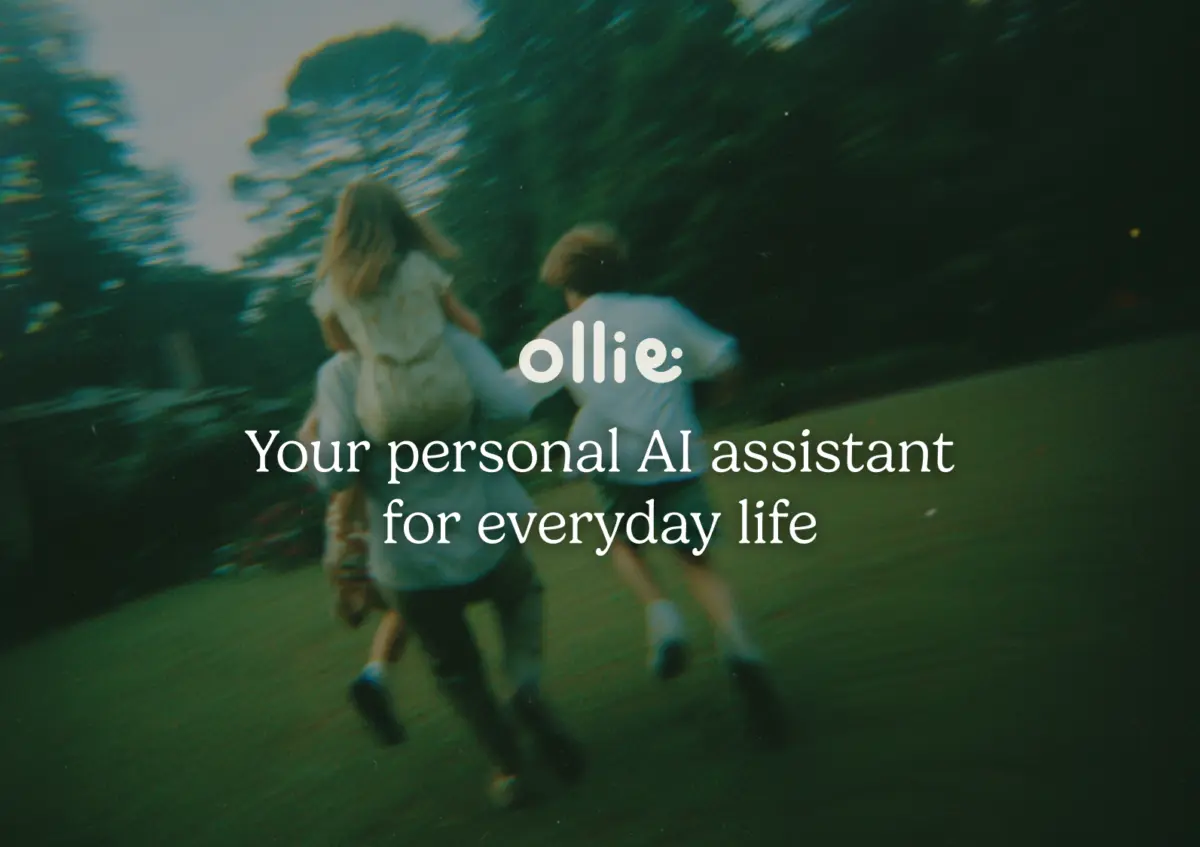
In a swift and poignant turn of events that underscores the intense competition and inherent challenges within the burgeoning artificial intelligence sector, Ollie, a startup dedicated to providing an AI assistant that prioritized user privacy, has announced it will cease operations in one week. The news, delivered via a post on X (formerly Twitter) by co-founder and CEO Bill Lennon on Friday, confirmed that the platform will officially shut down on November 6th. This development marks the end of a venture that aimed to carve out a niche in a rapidly evolving market by emphasizing data security and user trust, a core tenet that ultimately proved insufficient against the formidable forces shaping the AI landscape.
A Promising Venture Fades Amidst Fierce Competition
Ollie’s mission was to offer a sophisticated personal assistant, powered by artificial intelligence, with a distinct advantage: a commitment to user privacy. In an era where data breaches and concerns over how personal information is utilized by tech companies are paramount, Ollie sought to build trust by adhering to stringent privacy standards. The company had previously discussed its substantial $7.5 million seed funding round, led by Khosla Ventures, with TechCrunch in September, signaling a strong initial belief in its vision and market potential.
The AI assistant was designed to be a central hub for families, aiding in organization and connectivity. Its functionalities included seamless integration with users’ email and calendars, facilitating appointment bookings, meal planning, and bill payments. The company had also outlined future ambitions to expand into household budgeting, further solidifying its role as a comprehensive digital household manager.
Crucially, Ollie distinguished itself by achieving SOC 2 compliance, a rigorous privacy and security standard validated through independent audits. This certification was a significant differentiator, particularly as many emerging AI assistants present novel privacy concerns for their users. The struggles of companies like Instinct, which faced scrutiny over privacy and security, highlight the delicate balance required in this space. Despite these efforts, the competitive pressures within the AI industry proved overwhelming.
The Evolving AI Landscape and Ollie’s Position
The text-based AI assistant market has witnessed an explosive growth over the past year. This surge is directly attributable to the significant advancements in the underlying AI models, which have dramatically enhanced the utility and capabilities of these applications for everyday tasks. From drafting emails and scheduling meetings to generating creative content and providing complex information, AI assistants are becoming increasingly integrated into the daily lives of consumers.
This rapid evolution, however, has also intensified competition. As more powerful and feature-rich AI tools enter the market, standing out and capturing market share has become an arduous task. Bill Lennon candidly acknowledged this challenge, stating, "With Muse, Instinct, and others entering the space, it became harder to stand out, grow, and raise the capital we needed to succeed." This sentiment points to the difficulty in differentiating a product in a crowded field, even with a strong value proposition like privacy.
The subscription-based model employed by Ollie, while a common approach in the SaaS industry, also faced the challenge of demonstrating clear and consistent value to users, especially when competing with free or freemium alternatives that might offer a broader, albeit less privacy-focused, feature set. The cost of developing and maintaining cutting-edge AI technology, coupled with the need for continuous innovation to stay competitive, places significant financial strain on startups.
Acknowledging Accomplishments and Future Steps
Despite the unfortunate outcome, Lennon expressed pride in the team’s achievements. "I’m really proud of what we accomplished," he stated. "We built an incredible personal assistant with a small team, and learned a ton. I’m grateful to our amazing team, our users, our investors, and everyone who supported us on this journey." This sentiment reflects a common theme among founders of promising but ultimately unsuccessful ventures – a deep appreciation for the journey, the team, and the lessons learned.
For its existing user base, Ollie has committed to a smooth transition. Customers will receive detailed instructions on how to export their data, ensuring that personal information is handled responsibly even as the service winds down. Furthermore, provisions for refunds will be communicated, demonstrating a commitment to fairness and transparency in the shutdown process.
The Broader Implications for Privacy-Focused Tech
Ollie’s closure serves as a stark reminder of the challenges faced by companies prioritizing user privacy in the tech industry. While consumer awareness and demand for privacy-respecting technologies are growing, the business models that underpin profitability in the digital realm often rely on data collection and utilization. For many, user privacy has not historically been a primary driver of profitability, and the prevailing industry practices can create a difficult environment for businesses that choose a different path.
The success of AI, as evidenced by the market’s explosion, is often fueled by vast datasets. Companies that are reluctant or unable to leverage user data on a large scale may find it harder to train and refine their AI models to the same degree as their data-rich competitors. This creates a potential paradox: the very advancements that make AI so powerful and desirable can also exacerbate privacy concerns, leaving companies like Ollie in a precarious position.
The market’s current trajectory suggests that while AI capabilities are advancing at an unprecedented pace, the ethical and business model considerations surrounding privacy are still catching up. The success of AI assistants is undeniably linked to their ability to understand and act upon user needs, which inherently involves access to personal information. Striking a balance between personalization and privacy remains a complex challenge for the entire industry.
The shutdown of Ollie, a company that consciously placed privacy at the forefront of its development, raises important questions about the long-term viability of privacy-first business models in the highly competitive and data-intensive AI landscape. While the demand for such services is present, the economic realities of building and scaling a tech company in this sector may require innovative solutions that can align profitability with a strong commitment to user data protection. The industry will be watching closely to see how future ventures navigate this critical intersection. The lessons learned from Ollie’s journey, though ending in closure, will undoubtedly contribute to the ongoing discourse and development of more privacy-conscious AI solutions.