Metty Iskandar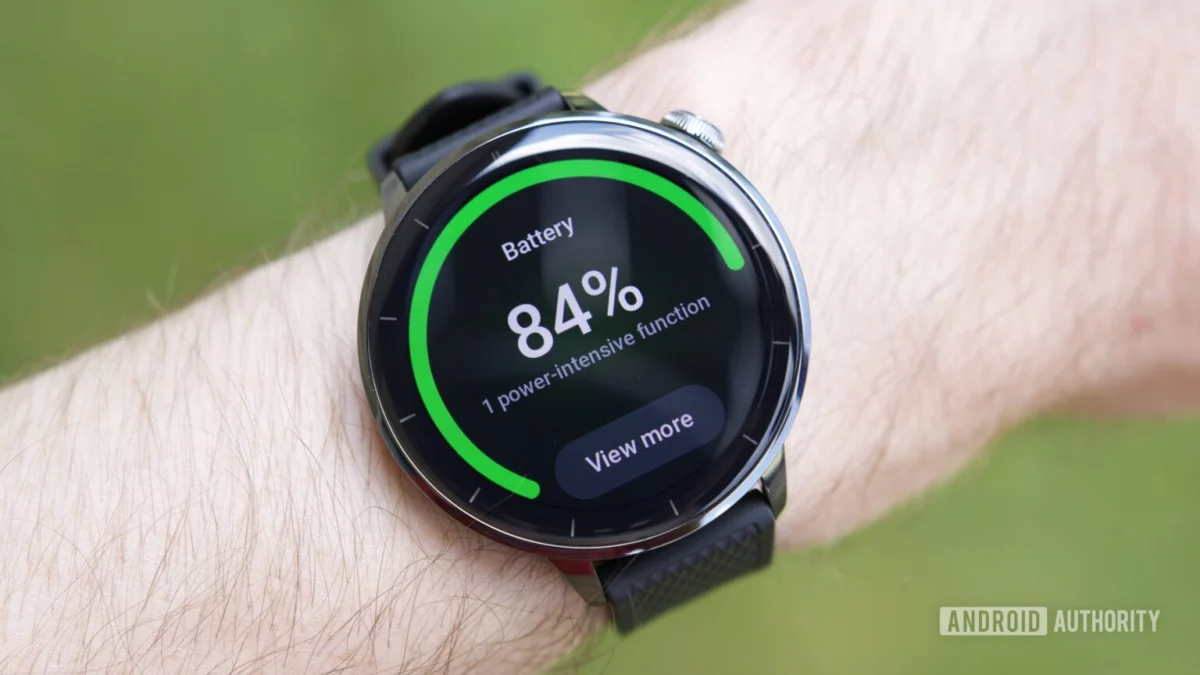
A recent certification filing, uncovered by tipster Sudhanshu Ambhore, suggests the upcoming OnePlus Watch 4 will boast a significant upgrade in durability, potentially setting a new benchmark for consumer smartwatches, while largely retaining the robust battery performance of its predecessor. The device, identified by the model number XL905, appeared on the EMVCo database, revealing specifications that point towards a more rugged user experience without compromising on the essential power reserves that have endeared OnePlus wearables to Android enthusiasts.
IP69 Rating: A New Frontier in Smartwatch Durability
The most striking revelation from the EMVCo listing is the purported IP69 rating for the OnePlus Watch 4. This certification significantly surpasses the industry standard of IP68, commonly found on many high-end smartwatches, including the OnePlus Watch 3. While an IP68 rating signifies protection against dust ingress and immersion in water up to a certain depth and duration, the IP69 classification indicates a superior level of resilience. Devices with an IP69 rating are engineered to withstand high-pressure, high-temperature water jets, making them exceptionally suitable for demanding environments and activities where exposure to intense water streams is a possibility.
This enhanced durability could position the OnePlus Watch 4 as a compelling option for a wider range of users, including athletes, outdoor enthusiasts, and individuals working in environments where accidental exposure to powerful water sprays is a concern. For context, standard smartwatches typically carry a 5ATM water resistance rating, which is equivalent to 50 meters of static water pressure and suitable for swimming and showering. However, IP69 goes beyond mere submersion to address direct, forceful water exposure. This level of protection is more commonly associated with heavy-duty industrial equipment or specialized rugged devices, making its inclusion in a mainstream consumer smartwatch a noteworthy development.
Familiar Core Components: Snapdragon W5 Gen 1 and Near-Identical Battery Capacity
Beneath the robust exterior, the OnePlus Watch 4 appears to be leveraging proven technology. Leaked specifications indicate the continued use of the Qualcomm Snapdragon W5 Gen 1 chipset, the same efficient processor that powered the OnePlus Watch 3. This choice suggests OnePlus is prioritizing a balance between performance and power efficiency, aiming to deliver a smooth user experience without sacrificing battery life. The Snapdragon W5 Gen 1 is known for its advanced manufacturing process and optimized architecture, contributing to extended operational times on a single charge.
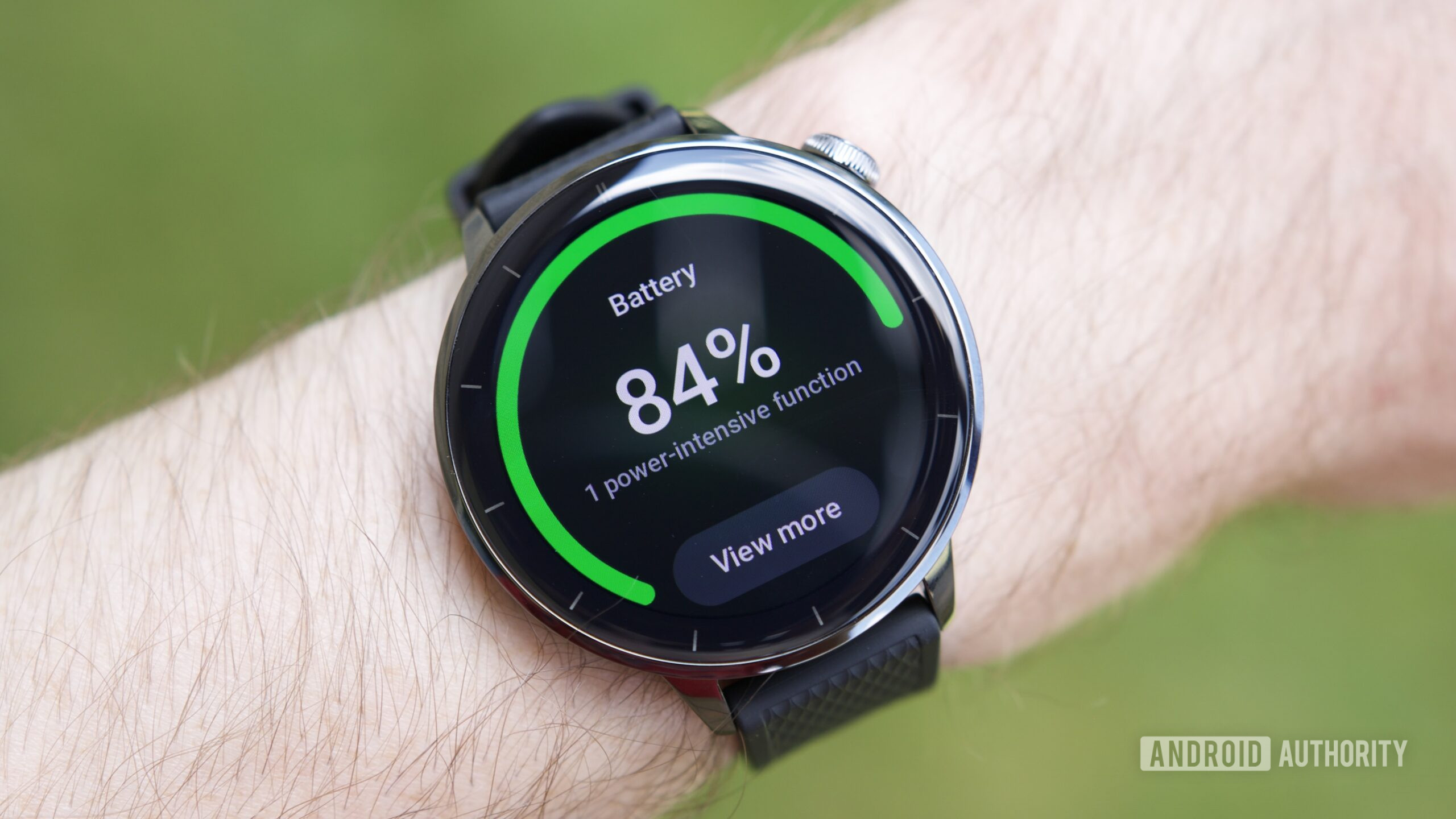
Complementing the chipset is a battery with a capacity of 646mAh, as indicated in the leaked data. This figure is remarkably close to the 648mAh battery found in the OnePlus Watch 3. This near-identical capacity, coupled with the efficiency of the Snapdragon W5 Gen 1, strongly suggests that users can anticipate a similar, if not identical, battery performance to the previous model. The OnePlus Watch 3 was lauded for its multi-day battery life, often lasting several days on a single charge even with regular use, including the always-on display. This commitment to long-lasting power is a significant draw for consumers who find frequent charging a daily inconvenience. For comparison, some leading competitors, such as Samsung’s Galaxy Watch series, even with advanced health tracking, often require nightly charging when features like the always-on display are active. The retention of a substantial battery capacity in the Watch 4 signals OnePlus’s intent to continue offering this key advantage.
Display and Design: A Consistent and Refined Experience
The display specifications also appear to be consistent with the OnePlus Watch 3. The leaked details point to a 1.5-inch LTPO AMOLED display with a sharp 466 x 466 resolution, housed within a 47mm case. LTPO (Low-Temperature Polycrystalline Oxide) technology is a crucial feature for smartwatches as it allows for adaptive refresh rates. This means the display can dynamically adjust its refresh rate based on the content being shown, conserving power when static information is displayed (like during ambient mode) and increasing it for smoother animations and interactions when needed. The high resolution ensures crisp text and vibrant visuals, contributing to an overall premium user experience. The 47mm case size offers a substantial yet comfortable presence on the wrist for most users.
Analysis of Implications: Strategic Positioning in a Competitive Market
The strategic choices made by OnePlus for the Watch 4 appear designed to solidify its position in the competitive smartwatch market. By enhancing durability to an IP69 rating, the company is directly addressing a segment of consumers who require more robust devices than typically offered by mainstream brands. This move differentiates the OnePlus Watch 4 from rivals like the Google Pixel Watch 4 and standard models of the Samsung Galaxy Watch, which generally adhere to IP68 or 5ATM ratings. Acquiring similar levels of ruggedness from other manufacturers often necessitates opting for more expensive, specialized "Ultra" or "Pro" variants, such as the Samsung Galaxy Watch Ultra. The potential for the OnePlus Watch 4 to offer this superior protection at a more accessible price point could be a significant market disruptor.
The decision to retain the Snapdragon W5 Gen 1 chipset and a large battery capacity underscores OnePlus’s focus on delivering a reliable and long-lasting user experience. In a market where battery anxiety is a common concern, especially with the increasing integration of advanced health sensors and AI-driven features, a smartwatch that reliably lasts for multiple days is a strong selling point. This approach suggests OnePlus is not chasing every bleeding-edge technological advancement but is instead prioritizing the core functionalities that matter most to its user base: durability and battery endurance.
Background and Timeline Context
The emergence of these specifications through a certification database provides an early glimpse into OnePlus’s future wearable strategy. Certification bodies like EMVCo play a crucial role in verifying the compliance of electronic devices with various standards, including payment processing capabilities (EMV refers to Europay, Mastercard, and Visa). Their databases often serve as a precursor to official product announcements, offering credible, albeit unofficial, insights into upcoming hardware.
The OnePlus Watch 3, released in early 2024, marked a significant step for OnePlus in the smartwatch arena, addressing many of the shortcomings of its initial offering. The Watch 3 was praised for its improved software experience, robust build quality (IP68 and 5ATM), and excellent battery life, powered by the Snapdragon W5 Gen 1. The current leaks suggest that the OnePlus Watch 4, likely to be unveiled in late 2024 or early 2025, is building upon this foundation, focusing on iterative improvements that address key user pain points and market demands. The progression from IP68 to IP69 represents a substantial leap in the device’s ability to withstand harsh conditions, indicating a deliberate effort to broaden the appeal of the OnePlus Watch line.
Potential User Reactions and Market Impact
While official confirmation from OnePlus is still pending, the leaked details have already generated interest within the tech community. For Android users who have found themselves compromising on durability or battery life with other smartwatch options, the prospect of an IP69-rated OnePlus Watch 4 with multi-day battery performance is highly attractive. The potential for this device to offer premium ruggedness at a competitive price point could challenge established players and offer a more value-driven option for consumers seeking a dependable and resilient smartwatch.
The emphasis on durability, in particular, could signal a trend towards more resilient wearables. As smartwatches become more integrated into daily life, from fitness tracking to everyday communication, their ability to withstand the rigors of active lifestyles and diverse environments becomes increasingly important. OnePlus’s potential move to IP69 could encourage other manufacturers to explore similar enhancements, ultimately benefiting consumers with a wider range of durable and reliable wearable technology.
Conclusion: A Focused Evolution for the OnePlus Watch Line
The leaked specifications for the OnePlus Watch 4 paint a picture of a device focused on refinement and enhanced user experience, particularly in the critical areas of durability and battery life. By building upon the successful foundation of the OnePlus Watch 3 and incorporating a superior IP69 water and dust resistance rating, OnePlus appears poised to offer a compelling smartwatch that caters to a broader audience. The retention of the efficient Snapdragon W5 Gen 1 chipset and a substantial battery capacity further reinforces the company’s commitment to providing a practical and long-lasting wearable. As consumers increasingly seek devices that can keep up with their active lifestyles, the OnePlus Watch 4’s rumored specifications suggest it will be a strong contender in the premium smartwatch segment, offering a blend of advanced protection and reliable performance. The tech world will be watching for official announcements to confirm these exciting developments.