George Chandra Eka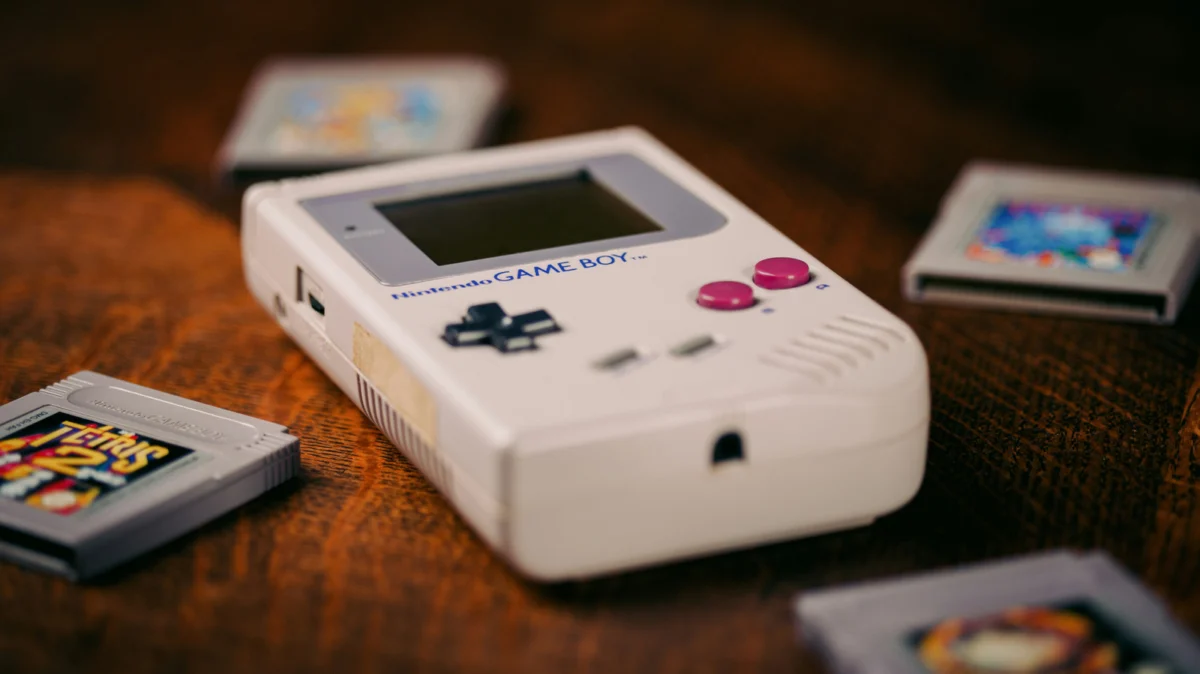
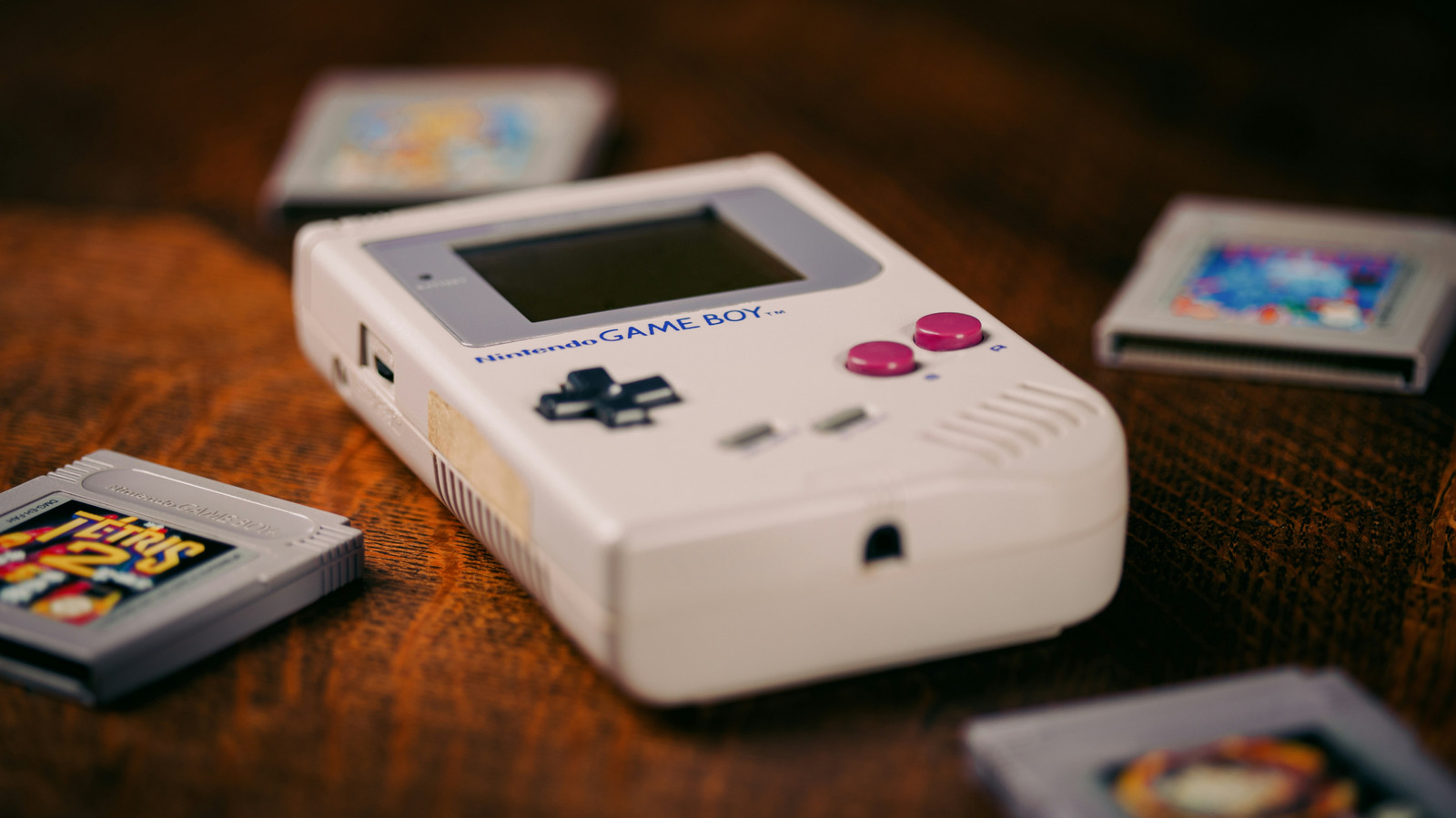
The enduring appeal of vintage gaming systems from the late 1980s through the early 2000s often collides with a significant logistical challenge: their voracious appetite for batteries. Iconic portable consoles such as Nintendo’s original Game Boy, Game Boy Color, Game Boy Pocket, and Game Boy Advance, alongside Sega’s Game Gear and the Atari Lynx, were designed in an era where power efficiency and rechargeable battery technology were far less sophisticated than today. This frequently results in players consuming an extensive number of disposable alkaline batteries, leading to considerable expense, environmental waste, and interrupted gameplay. This guide delves into the most effective and sustainable strategies for powering these cherished retro handhelds, from selecting the right rechargeable cells to exploring advanced hardware modifications, ensuring a smoother, more eco-friendly, and cost-efficient gaming experience.
A Glimpse into the Past: Handheld Gaming’s Power Predicament
The late 1980s and early 1990s marked a golden age for handheld gaming, with devices like the original Nintendo Game Boy, launched in 1989, revolutionizing portable entertainment. These consoles, while groundbreaking, operated on design principles dictated by the technological limitations of their time. Battery technology was predominantly focused on disposable alkaline cells, which offered a high energy density for their cost and were readily available globally. Rechargeable options, such as Nickel-Cadmium (NiCd) batteries, existed but suffered from memory effect, lower capacities, and slower charge times, making them less appealing for widespread consumer use in power-hungry devices.
The power demands of these early handhelds varied significantly. The Game Boy, known for its relative efficiency, typically required four AA batteries and could offer around 10-15 hours of gameplay, depending on the game and battery quality. In stark contrast, Sega’s Game Gear, launched in 1990, boasted a full-color backlit screen, a feature that came at a steep energy cost. It demanded six AA batteries and often depleted them in a mere 3-5 hours, a notorious limitation that hampered its commercial competitiveness despite its advanced display. The Atari Lynx, another color handheld from 1989, also suffered from poor battery life, typically offering 4-5 hours from six AA batteries. These figures highlight a stark difference from modern handhelds and smartphones, which integrate highly efficient Lithium-ion (Li-ion) batteries capable of delivering many hours, often even days, of power on a single charge. The design choices of yesteryear, prioritizing immediate functionality and accessible power sources, inadvertently created a long-term sustainability challenge for enthusiasts today.
The Evolution of Portable Power: From Alkaline to Advanced Rechargeables
The landscape of portable power has undergone a dramatic transformation since the inception of these classic consoles. The evolution of battery technology has seen several key advancements, each offering improvements in energy density, longevity, and environmental footprint.
- Alkaline Batteries: Dominant in the retro gaming era, these primary (non-rechargeable) cells provided a reliable, albeit finite, power source. Their key advantages were low initial cost and high peak voltage (typically 1.5V per cell), which some older electronics were designed to utilize for optimal performance. However, their single-use nature contributes significantly to landfill waste and recurring expenses for consumers.
- Nickel-Cadmium (NiCd) Batteries: Among the earliest widely available rechargeable batteries, NiCd cells offered reusability but were plagued by the "memory effect," where incomplete discharge cycles could reduce their effective capacity. They also contained cadmium, a toxic heavy metal, raising environmental concerns. Their nominal voltage was typically 1.2V per cell.
- Nickel-Metal Hydride (NiMH) Batteries: Emerging as a superior alternative to NiCd in the 1990s, NiMH batteries offered higher energy density, no significant memory effect, and were more environmentally friendly, lacking toxic heavy metals. Their nominal voltage is also 1.2V per cell, which, while slightly lower than alkaline, is generally well within the operating tolerances of most vintage handhelds. Modern NiMH cells, particularly Low Self-Discharge (LSD) NiMH types, can retain a significant charge over extended periods, making them ideal for intermittent use in retro devices.
- Lithium-ion (Li-ion) Batteries: The current standard for most modern portable electronics, Li-ion batteries offer the highest energy density, no memory effect, and a nominal voltage typically around 3.7V per cell (or 1.5V in AA/AAA form factors via integrated voltage converters). While highly efficient and powerful, their higher voltage and specific charging requirements make them less suitable for direct, unmodified use in many vintage handhelds designed for 1.2V/1.5V cells. However, specialized rechargeable lithium AA/AAA batteries exist with internal voltage regulation to output a steady 1.5V, offering an alternative for some users, albeit at a higher cost.
For the vast majority of original, unmodifed retro handheld consoles, Nickel-Metal Hydride (NiMH) rechargeable batteries represent the optimal balance of performance, cost-effectiveness, environmental responsibility, and compatibility.
NiMH: The Optimal Solution for Unmodified Vintage Hardware
For the casual enthusiast and dedicated collector alike, a robust set of NiMH rechargeable batteries stands as the simplest and most effective upgrade for powering vintage handhelds. These batteries directly address the core issues of cost, waste, and inconvenience associated with disposable alkalines, transforming the retro gaming experience.
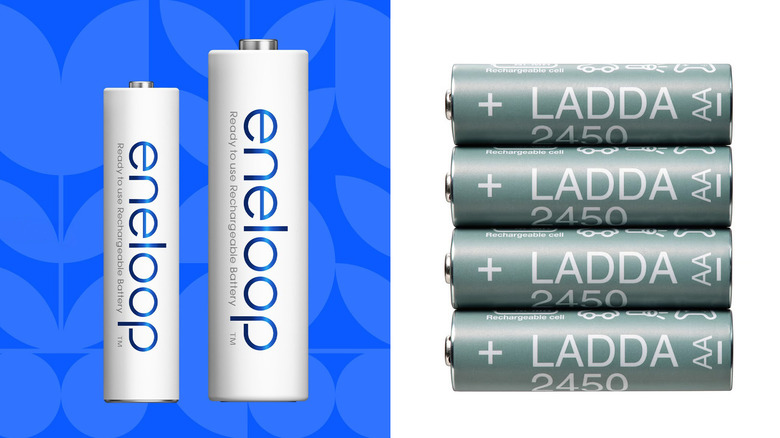
Key Recommendations: Panasonic Eneloop and IKEA LADDA
Among the myriad NiMH options available, certain brands have established a reputation for reliability and performance. Panasonic Eneloop batteries are widely regarded as a benchmark in the industry. They are a staff favorite at numerous tech publications, praised for their consistent performance, excellent charge retention (due to their low self-discharge design), and impressive cycle life, often enduring hundreds of charge-discharge cycles without significant degradation. Eneloop batteries are available in both AA and AAA sizes, making them compatible with the entire range of target consoles, including the Game Boy family, Game Gear, and Atari Lynx.
A strong budget-friendly alternative is IKEA LADDA. These batteries have garnered significant attention within the tech and retro gaming communities, with many speculating that they are re-branded Eneloop cells due to their comparable performance characteristics and similar specifications. While not officially confirmed, their quality for the price point makes them an excellent choice for those looking to economize without sacrificing performance. Like Eneloops, LADDA batteries are available in common AA and AAA formats.
Understanding Voltage and Performance
A common concern among retro gamers is the nominal 1.2V per cell of NiMH batteries compared to the 1.5V of disposable alkalines. In practice, this slight voltage difference rarely poses a problem for vintage handhelds. Most electronic devices are designed with a voltage tolerance range, and the 1.2V of a fully charged NiMH battery is typically sufficient to power them effectively. Furthermore, while an alkaline battery starts at 1.5V, its voltage rapidly declines during use. NiMH batteries, conversely, maintain a more stable voltage output throughout their discharge cycle, often delivering a more consistent power supply until they are nearly depleted. This stable discharge curve can, in some cases, even prolong the perceived operational life compared to an alkaline battery whose voltage sags more dramatically.
For example, a typical AA NiMH battery offers a capacity ranging from 1,900 mAh to 2,500 mAh. Considering the Game Boy’s power consumption of approximately 0.7W, four 2,000 mAh NiMH batteries (operating at an effective 4.8V) could theoretically provide over 10 hours of playtime. While real-world conditions vary, these figures demonstrate the substantial capacity and viability of NiMH cells.
The Economic and Environmental Imperative
The economic benefits of switching to NiMH rechargeables are substantial over the long term. A single set of quality NiMH batteries, costing between $20-$40 (including a charger), can replace hundreds of disposable alkaline cells over its lifespan. Considering that a pack of four AA alkaline batteries can cost $5-$10, the savings quickly accumulate, especially for frequent players.
From an environmental perspective, the impact is even more profound. Disposable batteries contribute significantly to electronic waste (e-waste) and landfill burden. While some components can be recycled, the collection and recycling rates for alkaline batteries remain relatively low in many regions. Each rechargeable NiMH battery, by replacing hundreds of disposables, drastically reduces the volume of waste generated. This aligns with broader global efforts towards sustainable consumption and responsible waste management, allowing retro gaming to become a more eco-conscious hobby. The manufacturing process of batteries also has an environmental footprint; extending the life of a single battery through recharging minimizes the demand for new production, further reducing resource consumption and pollution.
Addressing the Nuances: Battery Indicators and Usage Best Practices
While NiMH batteries offer significant advantages, users should be aware of certain operational characteristics, particularly concerning the console’s low-battery indicators. Vintage handhelds were primarily designed to monitor the voltage drop of alkaline batteries, which exhibit a relatively linear decline before a sharp fall-off. NiMH batteries, however, maintain a more stable voltage for longer and then drop more rapidly towards depletion. This difference in discharge curve can sometimes cause the console’s low-battery warning light to activate later or more abruptly than expected, providing less warning before the device powers off.
To mitigate this, retro gamers should adopt a few best practices:
- Proactive Saving: When the low-battery indicator illuminates, make it a habit to save your game progress as quickly as possible. This minimizes the risk of losing significant gameplay due should the console unexpectedly shut down.
- Rotation System: A recommended strategy is to purchase at least two full sets of NiMH batteries (e.g., eight AA batteries for a Game Boy). This allows one set to be actively in use while the other is charged and ready, ensuring continuous gameplay without interruption. For heavily modded or power-hungry setups, a third set might be prudent.
- Quality Charger: Invest in a smart charger that can independently charge each battery cell and detect full charge, preventing overcharging and extending the lifespan of your NiMH batteries.
- Storage: Store unused, charged NiMH batteries in a cool, dry place. While LSD NiMH batteries retain charge well, extreme temperatures can affect their longevity.
Embracing Modernity: USB-C Battery Modding for Enhanced Experience
For enthusiasts seeking the ultimate blend of retro aesthetics and modern convenience, USB-C rechargeable battery modifications offer a compelling, albeit more involved, solution. These kits typically replace the console’s original AA/AAA battery compartments with an integrated Lithium-ion battery pack and a USB-C charging port, effectively transforming the handheld into a device that charges like a contemporary smartphone.
Technical Considerations and Safety Protocols
USB-C battery mods are particularly popular for consoles like the original Game Boy, Game Boy Color, and Game Boy Advance. The benefits are substantial:
- Seamless Charging: Eliminates the need for external battery swaps, offering a true "plug-and-play" charging experience.
- Extended Playtime: Integrated Li-ion packs often have higher capacities (e.g., 1,800 mAh to 2,500 mAh for a Game Boy mod) than a single set of AA NiMH cells, potentially leading to longer play sessions.
- Modern Aesthetic: A sleek USB-C port enhances the console’s modern appeal and aligns with ubiquitous charging standards.
- Power Bank Compatibility: Many mods allow charging from standard USB-C power banks, ideal for travel.
However, these modifications are not without their risks and require careful consideration:
- Installation Complexity: Installing a USB-C mod typically involves soldering, cutting, and securing new components within the console’s shell. This requires technical skill and specialized tools, making it unsuitable for novices. Improper installation can damage the console or create safety hazards.
- Heat Generation: A critical safety concern revolves around the charging circuit’s design. Some early or poorly designed USB-C mods do not fully isolate the battery while charging and playing simultaneously. This "charge-and-play" scenario can generate excessive heat within the console, potentially damaging internal components or, in rare cases, leading to battery swelling or thermal runaway. It is crucial to research and select mods from reputable suppliers with robust power management integrated circuits that prioritize safety. Look for mods that clearly state they offer safe charge-and-play functionality with proper thermal management.
- Battery Quality: The quality of the integrated Li-ion cell is paramount. Substandard batteries can degrade quickly, offer poor capacity, or pose safety risks. Reputable mod kits use high-quality cells from known manufacturers.
- Voltage Regulation: Li-ion batteries operate at a higher voltage (typically 3.7V) than what vintage handhelds were designed for. USB-C mods incorporate step-down converters to provide the correct voltage (e.g., 5V or 3V) to the console’s mainboard, ensuring compatibility.
The Rise of the Modding Community
The proliferation of USB-C battery mods is a testament to the vibrant retro gaming modding community. This community, driven by a passion for preserving and enhancing classic hardware, has developed an array of solutions, from custom PCBs to 3D-printed battery cradles. Forums, YouTube channels, and dedicated online stores serve as hubs for sharing knowledge, tutorials, and purchasing components. This collective effort ensures that these advanced power solutions are continuously refined, with safety and performance becoming increasingly central to new designs. Enthusiasts are advised to consult community reviews and seek recommendations before committing to a specific mod.
Powering the Modified Era: Specific Needs for Upgraded Consoles
The landscape of retro gaming has also seen a significant rise in console modifications that enhance the original hardware, such as brighter, backlit IPS LCD screens, flash carts (which allow multiple games to be stored on a single cartridge), and audio amplifiers. These modifications, while greatly improving the gaming experience, invariably increase power consumption beyond what the stock hardware demanded.
- Increased Power Draw: A modern IPS screen for a Game Boy Advance, for instance, can consume significantly more power than the original reflective LCD. Similarly, flash carts, with their onboard memory and processing, often draw more current than standard ROM cartridges. These increased demands can quickly deplete even high-capacity NiMH batteries.
- Voltage Sensitivity: Some advanced mods, particularly those involving sensitive audio circuits or specific display drivers, might perform optimally with a more consistent 1.5V supply rather than the 1.2V nominal output of NiMH cells. In such scenarios, specialized 1.5V rechargeable lithium AA/AAA batteries, which incorporate an internal voltage regulator to maintain a steady 1.5V throughout their discharge cycle, might be a more suitable, albeit more expensive, option. These batteries combine the convenience of recharging with the consistent voltage profile closer to fresh alkalines.
- Integrated Solutions: For heavily modded consoles, especially those with IPS screens, the USB-C integrated Li-ion battery mods become even more appealing. Their higher energy density and direct connection to the console’s power rails via a robust voltage regulator can provide the sustained power required for these upgraded components, often resulting in longer playtimes than multiple sets of AA/AAA batteries.
When planning to mod a retro handheld, it is crucial to research the power requirements of the specific modifications intended. Many modding guides and product descriptions will specify recommended power solutions, helping users make informed choices to ensure both optimal performance and longevity of their customized console.
The Broader Impact: Sustainability, Preservation, and the Future of Retro Gaming
The concerted effort to optimize battery life for classic handheld gaming consoles transcends mere convenience; it embodies a broader commitment to sustainability, hardware preservation, and the future accessibility of retro gaming.
By embracing rechargeable battery solutions, particularly NiMH cells, the retro gaming community contributes significantly to reducing electronic waste. This shift from disposable to reusable power sources aligns with global environmental initiatives and demonstrates a conscious effort to minimize the ecological footprint of a beloved hobby. The economic benefits, while primarily for the individual, collectively represent a more sustainable model of consumption, moving away from a constant cycle of purchasing and discarding.
The ability to easily and reliably power vintage consoles also plays a crucial role in hardware preservation. When these devices become too cumbersome or expensive to operate due to battery constraints, they risk being relegated to storage or, worse, disposed of. By making them practical to use, rechargeable batteries encourage active engagement with the original hardware, fostering a deeper appreciation for the engineering and design of these historical artifacts. This active use also drives the demand for maintenance and repair, supporting a cottage industry of restorers, modders, and parts suppliers who keep these machines alive.
Furthermore, the innovation within the modding community, particularly in developing sophisticated USB-C power solutions, represents a dynamic interplay between past and present technologies. It demonstrates how modern advancements can breathe new life into vintage electronics, making them more resilient, user-friendly, and capable of meeting contemporary expectations. This spirit of innovation ensures that retro gaming remains accessible and appealing to new generations, bridging the gap between historical significance and modern convenience. The continued development of safer, more efficient power solutions will only strengthen this trend, ensuring that the joy of playing a classic Game Boy or Game Gear is not diminished by power concerns.
Conclusion: Powering the Past, Sustainably
The journey through the pixelated worlds of classic handheld gaming need not be fraught with the frustrations of depleted batteries and environmental guilt. From the ubiquitous and highly efficient NiMH rechargeable cells to the sophisticated integrated USB-C power mods, a diverse array of solutions now exists to keep vintage consoles running smoothly and sustainably. By making informed choices about battery technology, adhering to best practices, and embracing the ingenuity of the retro gaming community, enthusiasts can ensure that the timeless appeal of these handheld treasures endures for years to come. This commitment to sustainable power not only enhances the individual gaming experience but also contributes to a larger movement of responsible consumption and the enduring preservation of gaming history.