George Chandra Eka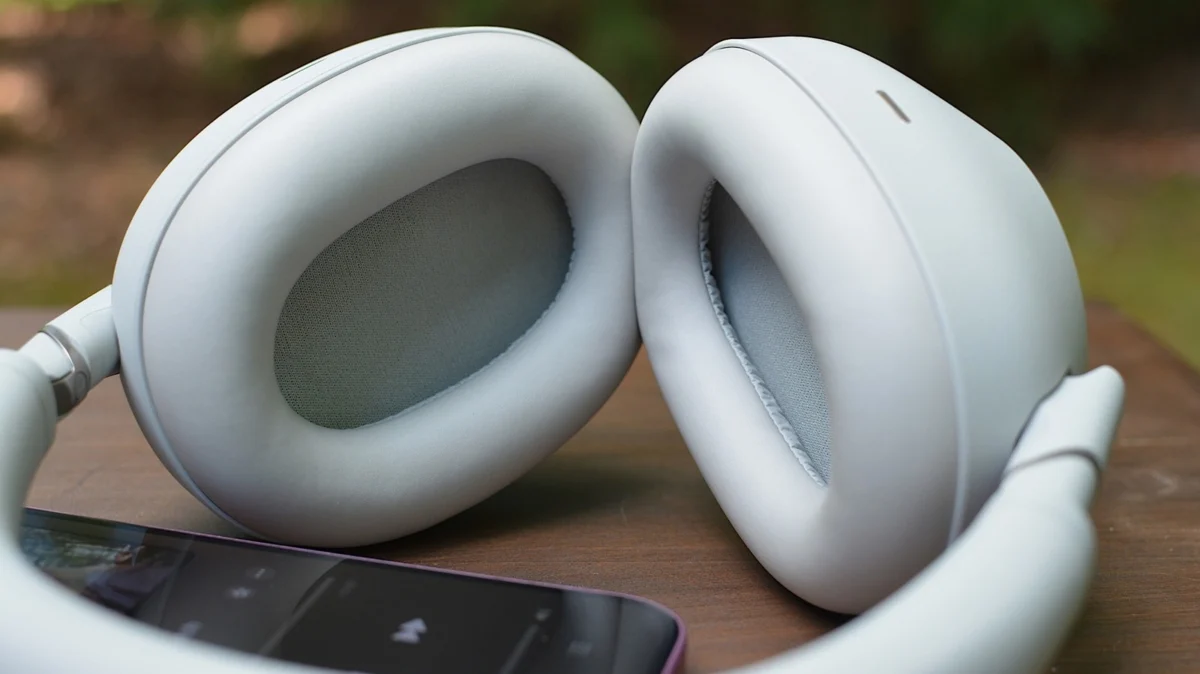
For many audio enthusiasts, the pursuit of exceptional bass often leads directly to the notion of purchasing new, high-end headphones. However, industry analysis and expert consensus reveal that significant improvements in bass response can frequently be achieved through meticulous adjustments to existing audio equipment, negating the immediate need for a costly upgrade. This article delves into the critical factors influencing headphone bass performance, offering a detailed, fact-based guide to optimizing sound quality through fit, equalization, and an understanding of acoustic principles.
The contemporary headphone market, valued at over $20 billion globally in 2023 and projected to grow further, indicates a robust consumer demand for immersive audio experiences. A significant component of this experience is the quality and impact of low-frequency sounds, commonly known as bass. Yet, "better bass" does not merely equate to "more bass." The objective is to cultivate a deeper, more resonant, and punchier low-end that integrates harmoniously with mid-range frequencies and treble, avoiding the common pitfall of boomy, distorted, or fatiguing audio often associated with excessive, uncontrolled bass. This distinction is crucial for an authentic and enjoyable listening experience.
The Foundational Element: Physical Fit and Acoustic Seal
Before delving into digital adjustments, the most fundamental and often overlooked aspect of bass reproduction is the physical fit of the headphones or earbuds, and the integrity of their acoustic seal. Audio engineers consistently emphasize that a compromised seal is the primary culprit behind diminished low-frequency response. Without an effective barrier between the headphone driver and the external environment, bass frequencies, which are particularly susceptible to leakage, dissipate, resulting in a thin, weak, and unimpactful sound signature.
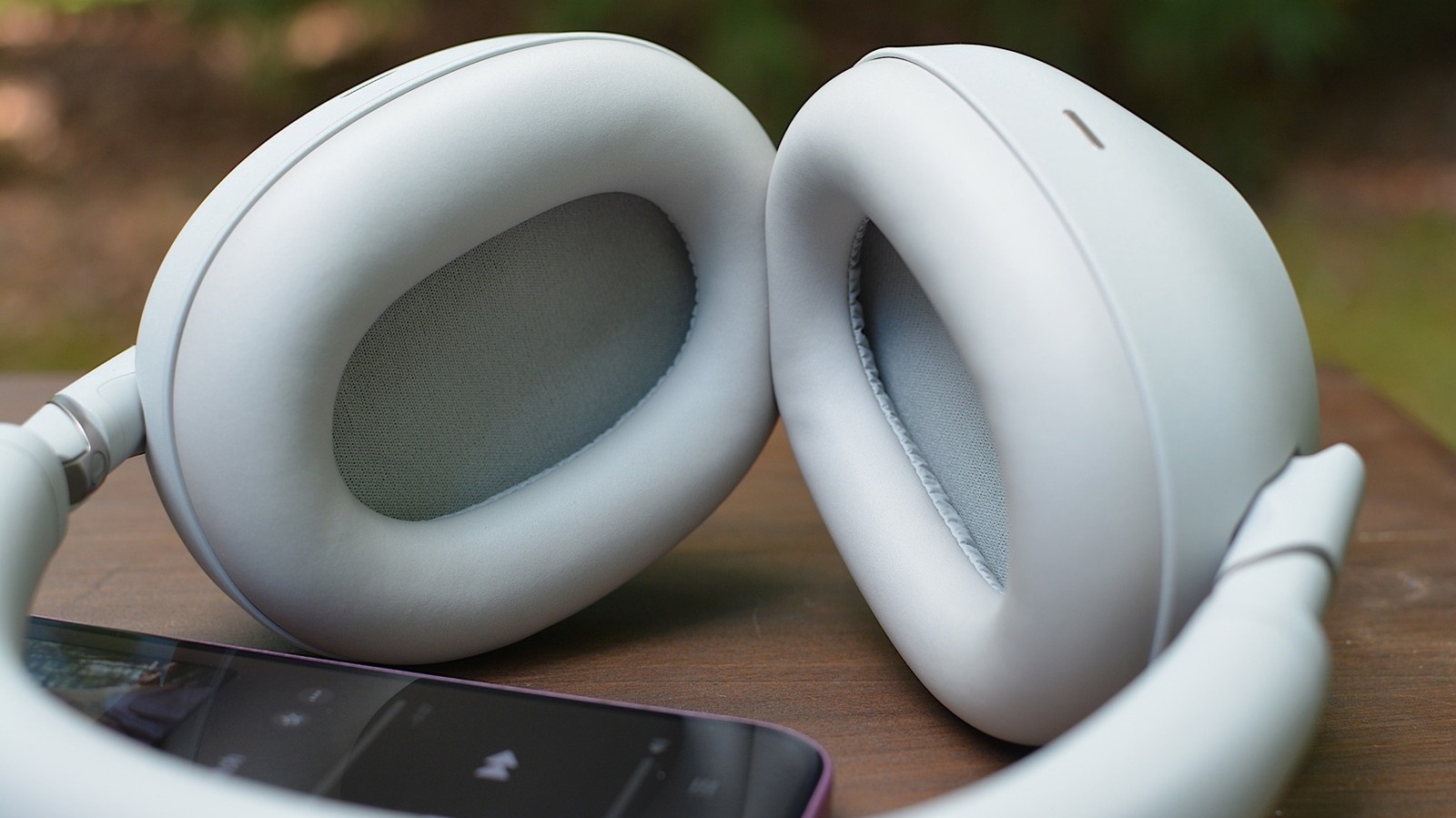
Different headphone designs inherently offer varying degrees of acoustic isolation. Closed-back, over-ear headphones and in-ear monitors (IEMs) or earbuds designed for a tight seal are generally the most effective in retaining bass. These designs create a closed acoustic chamber around or within the ear canal, allowing the driver’s vibrations to be fully translated into audible bass. Conversely, open-back headphones, while celebrated for their expansive soundstage and natural sound reproduction, are engineered to allow air to pass through the earcups. This design inherently sacrifices some low-end impact in favor of a more "airy" and spatial sound, making them less ideal for listeners prioritizing deep, punchy bass.
The evolution of earbud technology has also seen the emergence of open-fit and open-ear designs, such as Apple’s AirPods (standard models) and Shokz OpenFit Pro. While these models have made strides in improving bass compared to their predecessors, their fundamental design principle—allowing ambient sound to enter—still places limitations on their ability to deliver truly deep and resonant bass. For optimal bass, the principle remains: a tight, consistent seal is paramount.
For users of in-ear headphones, the selection of ear tips is a critical variable. Ear tips that are either too large or too small for the ear canal can break the seal, allowing bass to escape. Manufacturers often provide a range of silicone ear tips in various sizes. Experimenting with these is essential. Furthermore, foam ear tips, which expand to conform to the unique contours of the ear canal, are frequently recommended by audiophiles for their superior sealing capabilities and often improved bass response. Many premium earbuds, such as the AirPods Pro, incorporate software-based fit tests that utilize internal microphones to detect sound leakage, providing immediate feedback on tip selection and fit.
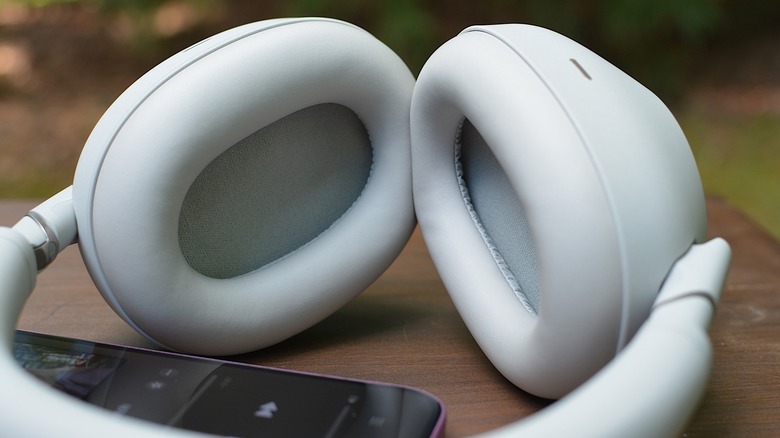
For over-ear headphone users, ensuring the earcups fully encompass the ears without gaps is vital. Factors such as wearing glasses, thick hair, or even worn-down earpads can inadvertently compromise this seal. While some of these elements may be unavoidable, recognizing their potential impact allows listeners to understand a contributing factor to their headphones’ bass performance. Regular maintenance, including replacing worn earpads, can restore a headphone’s original acoustic integrity and, consequently, its bass response.
The Digital Frontier: Mastering Equalization (EQ)
Once a robust physical seal is established, the next powerful tool for bass optimization lies in digital equalization (EQ). EQ allows users to selectively boost or cut specific frequency ranges, thereby shaping the overall sound profile of their headphones. However, a common pitfall identified by audio technicians is "EQ stacking" – applying multiple EQ settings across different software layers (e.g., boosting bass in both a streaming app and the headphone’s companion app). This often leads to compounded distortion, muddiness, and an unnatural sound signature, far removed from the desired controlled bass.
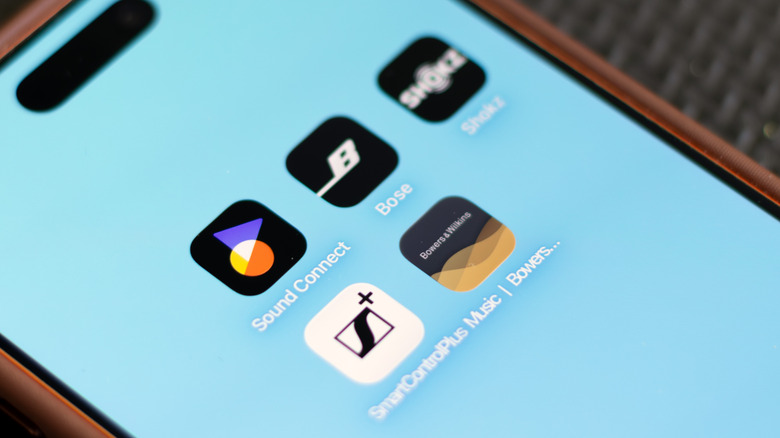
The prevailing recommendation from audio professionals is to centralize EQ adjustments. The headphone’s dedicated companion application, if available, is typically the preferred starting point. These apps are often developed with specific knowledge of the headphone’s acoustic characteristics and drivers, allowing for more precise and effective adjustments. If a headphone lacks a companion app, or if the user desires EQ changes specific to a single application, then the music streaming service’s in-app EQ becomes the alternative. It is crucial to ensure all other EQ settings (e.g., system-wide phone EQ, other app EQs) are deactivated to avoid detrimental layering.
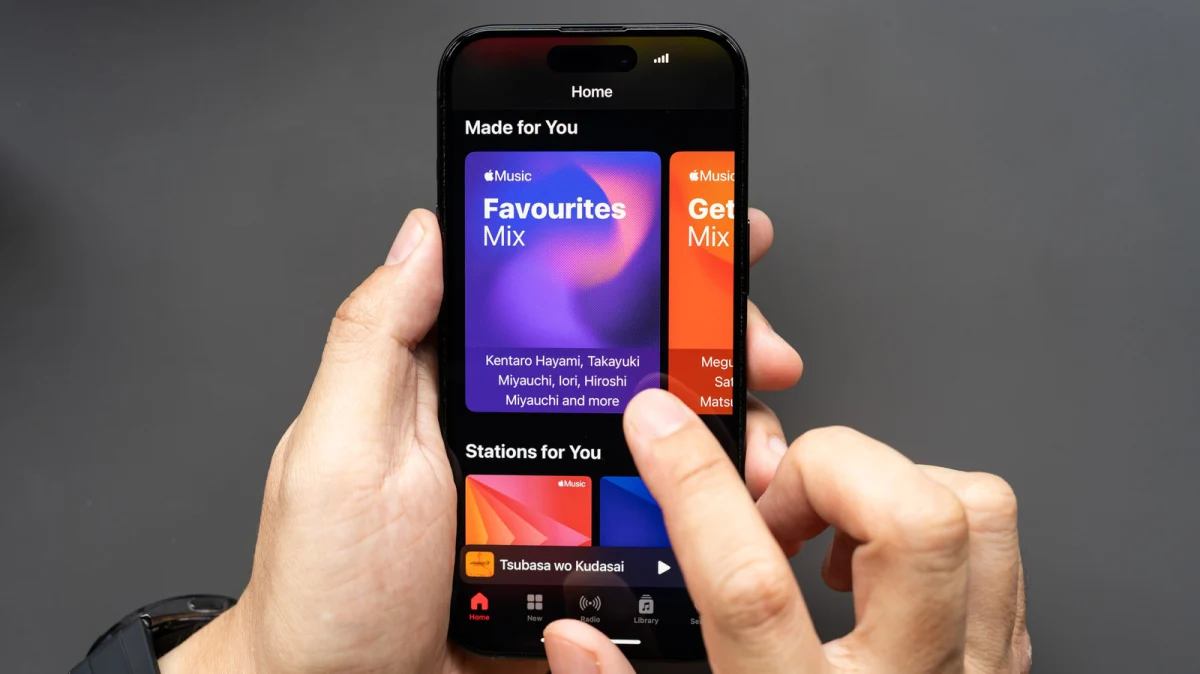
The accessibility of EQ settings varies across platforms and applications. For instance, Spotify users can typically find their EQ under "Settings and privacy > Playback > Equalizer." On Android devices, this may link to the system’s native audio settings. Apple Music offers genre-specific EQ presets under "Settings > Music > EQ" on iOS. Notably, platforms like YouTube Music on iOS and Tidal on both major mobile platforms currently do not offer in-app EQ functionalities, requiring users to rely on system-level EQs or headphone companion apps.
A critical piece of advice often reiterated by sound engineers is to avoid generic "bass boost" presets found in many apps. While these might initially sound impressive, they frequently apply a broad, indiscriminate amplification across a wide range of low frequencies. This often results in a bloated, overpowering bass that quickly leads to listening fatigue and masks other critical elements of the music, fundamentally undermining the goal of achieving quality bass. Instead, a nuanced approach using a graphical equalizer curve is advocated.
Decoding the EQ Curve: Frequencies and Their Impact
To effectively utilize an EQ curve, a basic understanding of frequency ranges is essential. The human auditory spectrum typically ranges from 20 Hz to 20,000 Hz. Within this, the bass frequencies occupy the lower end of the spectrum.
- Sub-Bass (roughly 20 Hz to 60 Hz): This is the realm of the deepest, most physical rumble—the kind of low-end you feel as much as hear. It’s crucial for genres like electronic dance music (EDM), hip-hop, and movie soundtracks. Boosting this too much can lead to an undefined, muddy sound.
- Mid-Bass (roughly 60 Hz to 150 Hz): This range provides the punch and weight to bass lines, kick drums, and low-frequency instruments. It’s where the "impact" of bass often resides. A well-tuned mid-bass can make music feel dynamic and engaging.
- Low Mids (roughly 150 Hz to 500 Hz): While not strictly "bass," this range interacts significantly with the low end. It gives body to vocals and many instruments. Excessive boost here can make sound "boxy" or muddy, while a slight cut can sometimes help bass frequencies cut through more cleanly.
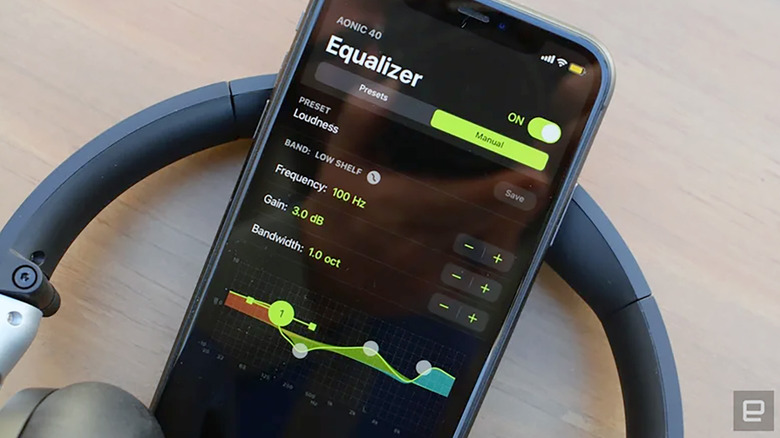
A graphical EQ curve typically presents these frequency ranges visually, with lower frequencies on the left, mid-range frequencies in the middle, and higher frequencies on the right. Moving a slider or point on the curve upwards increases the volume (boosts) for that specific frequency band, while moving it downwards decreases the volume (cuts). The precision of control varies; some apps offer detailed multi-point parametric EQs, allowing fine-grained adjustments, while others, like Apple’s newer EQ for H2-chip AirPods, provide simpler, broader controls (e.g., "low," "mid," "high").
The historical development of EQs dates back to the early days of radio and audio recording, evolving from rudimentary tone controls to sophisticated multi-band graphic and parametric equalizers common in professional studios. The advent of digital signal processing (DSP) in the late 20th and early 21st centuries democratized this technology, bringing powerful EQ capabilities to consumer devices and headphone companion apps, enabling unprecedented personalization of sound.
Strategic EQ Adjustment: A Gradual and Iterative Approach
The process of adjusting EQ for optimal bass is iterative and requires patience. The goal is not a uniform, sharp boost across the entire low-frequency spectrum. A subtle, targeted lift in the sub-bass or mid-bass region often yields more impactful and natural-sounding results than an aggressive, blanket increase. Industry experts frequently advise against the "more is better" mentality, as it invariably leads to audio distortion and an unbalanced sound profile.
The most effective approach involves making small, incremental adjustments. Begin with a minimal boost in the desired bass frequency range. Then, critically listen to a diverse selection of music genres at a typical listening volume. This variety is crucial because different genres utilize bass frequencies in distinct ways. A setting that enhances a hip-hop track might overwhelm a classical piece or acoustic folk song. If the bass still feels lacking, apply another small increment.
It is paramount to monitor for signs of bass dominating other frequencies. If vocals become obscured, instruments lose their clarity, or the overall sound turns muddy and indistinct, the bass has been over-boosted. The objective is to achieve a powerful yet controlled bass that complements, rather than competes with, the rest of the audio spectrum. This delicate balance ensures that the listening experience remains rich and dynamic without causing fatigue over longer sessions. A quick test might momentarily impress, but sustained listening reveals the true quality of an EQ setting.
Furthermore, listeners should consider how different headphone modes might interact with EQ settings. Features such as active noise cancellation (ANC) and transparency modes, common in many modern headphones, can subtly alter the acoustic profile and bass response. Spatial audio technologies, like those found in Apple AirPods and Bose QuietComfort Ultra, also introduce complex sound processing that can influence how EQ adjustments are perceived. It is advisable to test and fine-tune EQ settings within the specific listening modes that are most frequently used.
Ultimately, there is no universal "best" EQ setting. Individual ear anatomy, musical preferences, and even the source material itself contribute to a highly subjective listening experience. The key lies in active experimentation, careful listening, and trusting one’s own auditory impressions over extended listening periods. The aim is to achieve a bass response that is robust, well-defined, and harmoniously integrated into the overall sound.
Broader Implications: Empowering the Listener and Economic Value
The ability to significantly enhance headphone bass through careful fit and EQ adjustments carries considerable implications for consumers. In an era of rapid technological advancement and often aggressive marketing, the constant pressure to upgrade to the latest model can be financially burdensome. By mastering these optimization techniques, listeners can extract maximum performance from their existing hardware, potentially extending its lifespan and saving money that might otherwise be spent on new equipment. This approach empowers the consumer, shifting the focus from passive consumption to active engagement with their audio experience.
Moreover, the increasing sophistication of headphone companion apps reflects a broader trend towards personalized audio. Manufacturers are recognizing that a "one-size-fits-all" sound signature is insufficient for a diverse user base. Providing granular control over EQ, alongside features like personalized spatial audio and adaptive noise cancellation, allows users to tailor their listening environment to their specific preferences and needs, leading to a more satisfying and individualized experience.
When Optimization Isn’t Enough: The Case for Upgrade
While the strategies outlined above can dramatically improve bass performance, there are instances where optimization efforts reach their limit. If, after exhaustive adjustments to fit and EQ, the headphones still fail to deliver the desired bass quality, it may indicate a fundamental limitation of the hardware itself. Entry-level headphones or those with smaller, less capable drivers may simply lack the physical capacity to reproduce very low frequencies with adequate power and clarity. In such cases, an upgrade to headphones featuring larger drivers, more advanced acoustic designs, or dedicated bass-enhancing technologies (like haptic bass) might be the only viable solution. However, even with new hardware, applying the principles of proper fit and intelligent EQ will ensure that the investment yields its full potential.
In conclusion, achieving superior bass from headphones is a multifaceted endeavor that begins with establishing an optimal physical seal and is refined through intelligent use of equalization. By understanding the nuances of frequency ranges, avoiding common EQ pitfalls, and adopting a gradual, iterative approach to adjustments, listeners can unlock a richer, more impactful, and ultimately more enjoyable audio experience from their current headphones, delaying or even eliminating the perceived need for new purchases. This methodical approach transforms the listener from a passive recipient of sound into an active architect of their personal audio landscape.