Metty Iskandar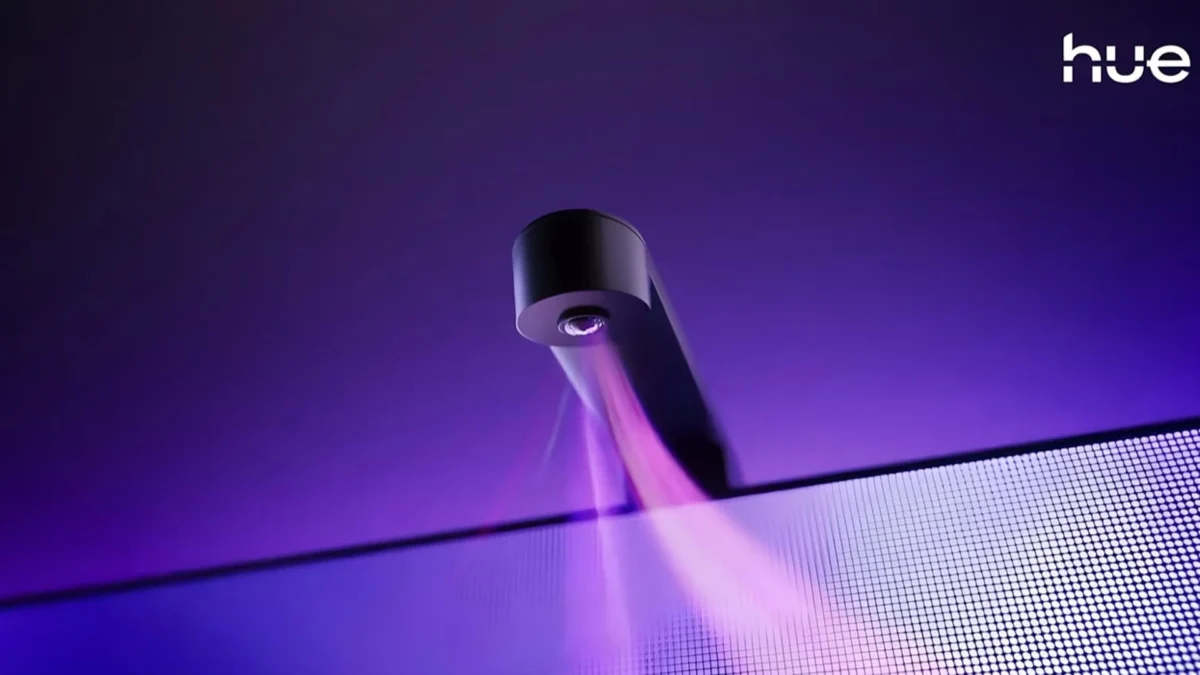
The smart home lighting giant Philips Hue is reportedly gearing up to launch a novel solution designed to further enhance the immersive capabilities of its popular lighting systems. Following reports from industry sources, it appears the company is developing a dedicated camera accessory, potentially named the "Screen Sync," which will work in tandem with its existing Hue Sync technology to synchronize ambient lighting with on-screen content. This development promises to offer users an even more dynamic and engaging audiovisual experience, complementing existing methods like the Philips Hue Play HDMI sync box and the Philips Hue Sync TV app.
Evolution of Philips Hue Sync Technology
Philips Hue has long been at the forefront of integrating smart lighting with entertainment. Initially, the synchronization capabilities were primarily software-based, requiring users to connect their Hue Bridge to a computer running the Hue Sync desktop application. This application would then analyze the pixels on a computer screen and translate them into dynamic light colors and patterns displayed by Hue bulbs in the vicinity. This offered a foundational level of immersion, transforming a room into an extension of the on-screen action.
A significant leap forward came with the introduction of the Philips Hue Play HDMI sync box. This dedicated hardware device plugs directly into a user’s entertainment system, intercepting HDMI signals from sources like streaming devices, gaming consoles, and Blu-ray players. By analyzing the video and audio data in real-time, the sync box then wirelessly communicates with the Hue Bridge to control the color and intensity of connected Hue lights, creating a seamless and responsive ambient lighting effect that perfectly mirrors the on-screen content. This hardware solution eliminated the need for a PC to be constantly connected, offering a more streamlined and user-friendly experience for living room setups.
More recently, Philips Hue has expanded its software offerings with the Philips Hue Sync TV app, designed for select smart TVs. This app allows compatible televisions to perform the same content analysis directly, sending the color data to the Hue Bridge without requiring external hardware like the HDMI sync box. This innovation democratized the sync experience, making it accessible to a wider range of users who already owned smart TVs.
The Advent of the Screen Sync Camera
The anticipated "Screen Sync" camera represents a potential new paradigm in Philips Hue’s synchronization strategy. While the exact technical specifications and functionalities are yet to be officially confirmed by Philips Hue, industry leaks, particularly from sources like HueBlog, suggest a device that will physically mount atop a television. Its primary function will be to visually capture and analyze the content displayed on the screen.
This approach draws parallels with existing third-party screen mirroring solutions for smart lighting, which have long utilized cameras to achieve similar effects. These cameras typically employ wide-angle or fisheye lenses to encompass the entire screen, ensuring that all visible colors and movements are captured. The captured visual data is then processed to generate corresponding lighting cues for the smart lights.
The advantage of a dedicated Philips Hue camera lies in its potential for deep integration within the existing Hue ecosystem. Unlike third-party solutions that may rely on less sophisticated communication protocols or require separate apps, a native Philips Hue camera could offer a more seamless setup, optimized performance, and potentially access to advanced features and algorithms developed by Philips Hue. This could translate to faster response times, more accurate color reproduction, and a more robust and reliable synchronization experience.
Historical Context and Industry Trends
The concept of ambient lighting synchronization has roots in early home entertainment setups, where enthusiasts sought to extend the visual experience beyond the confines of the display. The advent of LED technology and the rise of smart home platforms have significantly accelerated this trend. Companies like Philips Hue have capitalized on this by developing sophisticated systems that transform ordinary living spaces into dynamic environments.
The consumer electronics industry has consistently seen a drive towards more immersive entertainment. From surround sound audio to 4K resolution and HDR content, the focus has been on replicating real-world sensory experiences within the home. Ambient lighting synchronization is a natural extension of this pursuit, adding a crucial visual dimension that enhances both movies and gaming.
Competitors have also explored similar avenues. While Philips Hue is a dominant player, other smart lighting brands and entertainment technology companies have introduced their own approaches to dynamic lighting, including some that utilize camera-based synchronization. The reported move by Philips Hue into this territory suggests a strategic response to market demands and a desire to maintain its leadership in the smart lighting space.
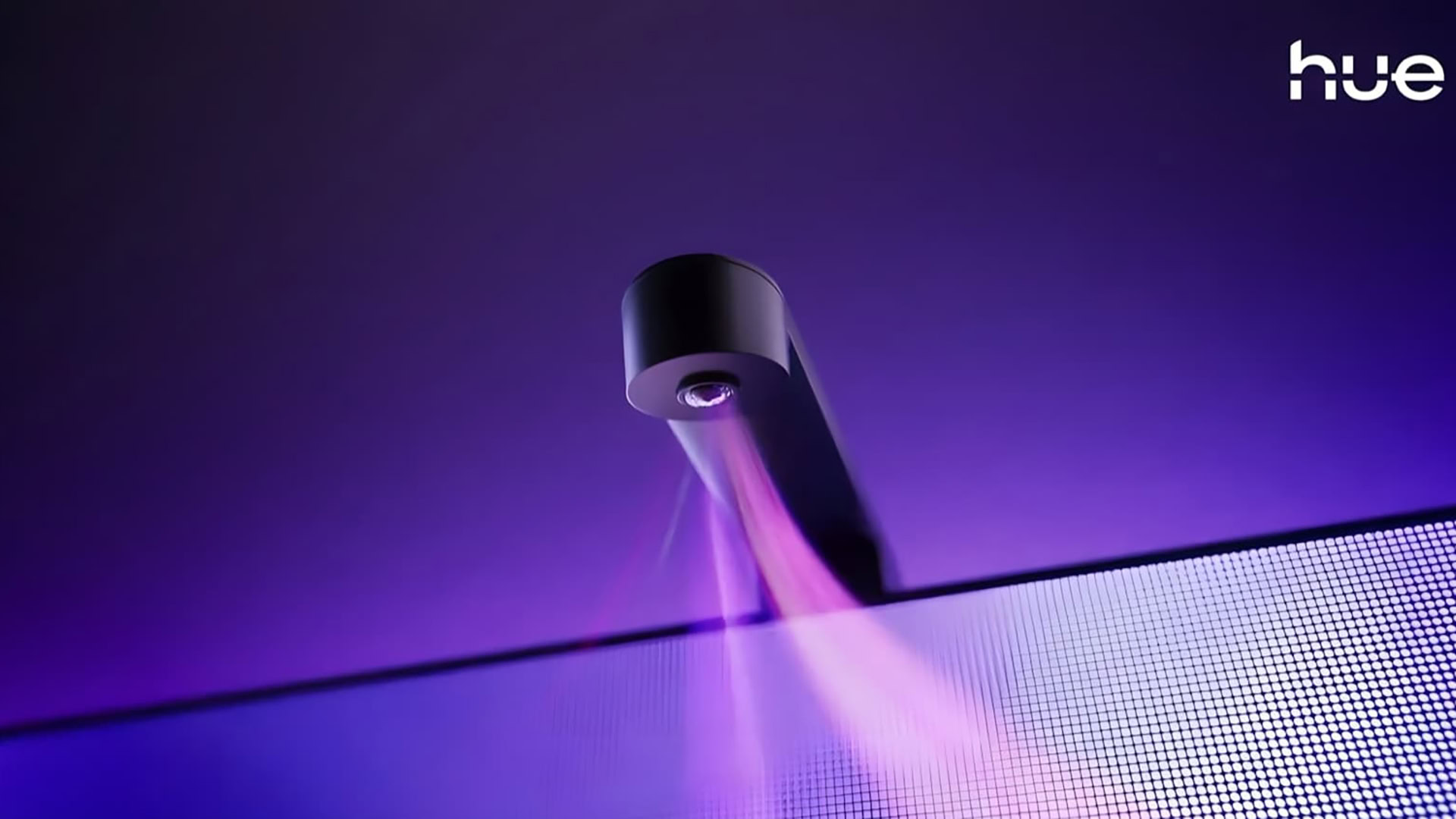
Potential Features and Design
Based on the leaked imagery, the Philips Hue Screen Sync camera appears to feature a minimalist design, likely intended to blend discreetly with the aesthetics of modern televisions. Reports suggest it may sport a single lens, hinting at advanced optical technology or sophisticated image processing software to achieve comprehensive screen coverage. The use of an ultrawide or fisheye lens is a strong possibility, given the need to capture the entirety of a television screen from a single vantage point.
The integration with the Hue Bridge is a critical aspect. This would allow the camera to communicate directly with the vast array of Philips Hue bulbs and fixtures, offering users the flexibility to customize their lighting setups. The Hue app would likely serve as the central control point for configuring the camera, adjusting sensitivity, color palettes, and other synchronization parameters.
The potential for artificial intelligence and machine learning in the camera’s processing cannot be overlooked. Advanced algorithms could enable the camera to not only detect colors but also to interpret the mood, action, and intensity of the on-screen content, leading to more nuanced and contextually appropriate lighting effects. This could differentiate the Philips Hue offering from simpler color-matching solutions.
Anticipated Announcement and Market Impact
The timing of the rumored announcement at IFA Berlin, a major global consumer electronics trade show, is significant. IFA, typically held in early September, serves as a platform for leading technology companies to unveil their latest innovations. A debut at such a prominent event would ensure maximum visibility and generate considerable buzz within the industry and among consumers.
While specific pricing details remain undisclosed, it is reasonable to infer that the Philips Hue Screen Sync camera will likely be positioned as a premium accessory. Philips Hue products are generally known for their quality, reliability, and sophisticated feature sets, which often come with a corresponding price point. Given the existing cost of the Hue Play HDMI sync box and the advanced technology likely involved, the camera could represent a substantial investment for users seeking the ultimate immersive home entertainment experience.
The introduction of a camera-based sync solution could have several implications for the smart lighting market. Firstly, it could further solidify Philips Hue’s position as an innovator in the connected home space. Secondly, it might encourage other manufacturers to explore similar integrated camera solutions, potentially leading to increased competition and further advancements in ambient lighting technology.
Furthermore, this move could signal a shift in how consumers perceive and utilize smart lighting. Beyond mere illumination, smart lights are increasingly becoming integral components of the entertainment experience, blurring the lines between physical and digital environments. The Screen Sync camera, by directly bridging these realms, could accelerate this trend, making immersive lighting a more mainstream expectation for home entertainment.
Official Response and Future Outlook
As of the current reporting, Philips Hue has not issued any official statement regarding the development or upcoming launch of the Screen Sync camera. However, the consistent nature of industry leaks and the company’s established track record of innovation suggest that this is a plausible and strategically sound development.
The broader implications of this potential product launch extend beyond just enhanced entertainment. As smart home technology continues to evolve, devices that offer seamless integration and enhance user experiences are likely to gain prominence. A well-executed screen-syncing camera could become a sought-after accessory for anyone looking to elevate their home theater or gaming setup.
The success of the Screen Sync camera will likely depend on several factors: the accuracy and responsiveness of its color detection, the ease of setup and integration with the existing Hue ecosystem, and its overall value proposition in terms of price and performance. If Philips Hue can deliver on these fronts, the Screen Sync camera could represent another significant milestone in the company’s journey to redefine home lighting and entertainment. The upcoming IFA Berlin event will be keenly watched for any official announcements that confirm these exciting developments.