Sonny Valindra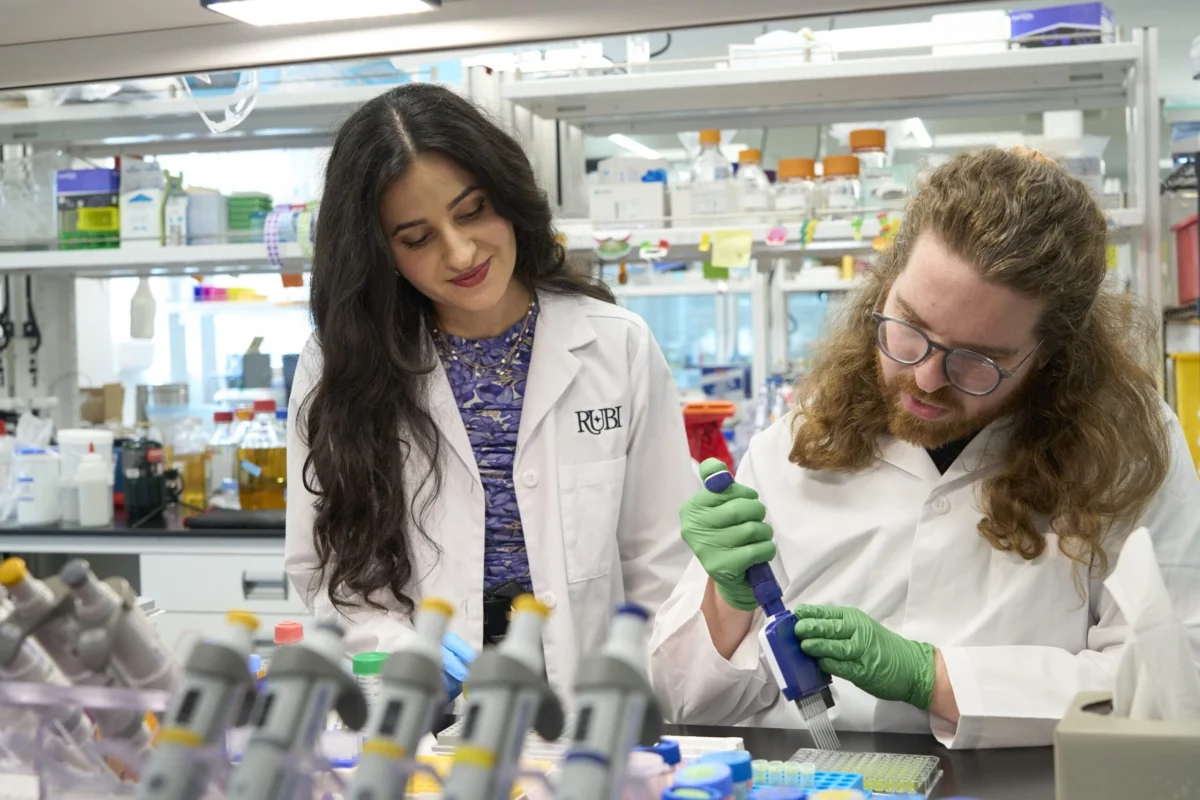
The fashion industry, a behemoth of global commerce and creativity, is grappling with an existential crisis: its prodigious waste and environmental footprint. The stark reality is that approximately one garbage truck of textiles is discarded every single second, a staggering rate of consumption and disposal that highlights the urgent need for systemic change. This relentless churn of fast fashion contributes significantly to global carbon pollution, exceeding the combined emissions of international flights and maritime shipping. In the face of this environmental imperative, a wave of innovation is emerging, with companies exploring radical new approaches to tackle textile waste and decouple production from fossil fuels. Among these pioneers is Rubi, a startup poised to redefine the creation of cellulose, a fundamental building block for numerous industries, including textiles.
Rubi’s groundbreaking technology, as revealed in an exclusive with TechCrunch, operates on a principle akin to "taking the machinery of biology outside of the cell." This biological engineering approach aims to produce the essential components for lyocell and viscose, materials ubiquitous in modern apparel and other consumer goods. The company’s innovation lies in its ability to utilize captured carbon dioxide as a primary ingredient, offering a pathway for any company reliant on cellulose to build products that are not only sustainable but also carbon-negative. This ambitious vision positions Rubi as a potential game-changer in the pursuit of a circular economy within the fashion and broader material manufacturing sectors.
The company recently announced a significant milestone: the successful closure of a $7.5 million funding round. This capital infusion is earmarked for the construction of a demonstration-scale cellulosic production system, designed to yield tens of tons of material directly from carbon dioxide. The round was spearheaded by AP Ventures and FH One Investments, with substantial participation from key industry players including CMPC Ventures, H&M Group, Talis Capital, and Understorey Ventures. The involvement of H&M Group, a global fashion retail giant, signals a strong industry interest in Rubi’s disruptive potential.
Beyond the funding, Rubi has also garnered considerable commercial interest. The startup has secured over $60 million in non-binding off-take agreements with undisclosed partners. This early commercial traction underscores the market’s readiness for sustainable alternatives. Furthermore, Rubi has engaged in rigorous testing with 15 pilot partners, a list that includes esteemed brands like H&M, Patagonia, and Walmart. These collaborations are crucial for validating the performance and scalability of Rubi’s cellulosic material in real-world applications.
The core of Rubi’s innovation lies in its enzymatic approach to cellulose production. Unlike other emerging technologies that might employ engineered bacteria within fermenters or chemical catalysts to convert carbon dioxide into cellulose, Rubi harnesses the power of enzymes. This distinction is significant. Currently, the vast majority of cellulose used globally is derived from trees, often sourced from managed plantations or, alarmingly, from virgin rainforests. This reliance on forestry contributes to deforestation, habitat loss, and significant carbon emissions associated with land use change and processing.
Neeka Mashouf, co-founder and CEO of Rubi, elaborated on the strategic advantage of their enzymatic method. "These textile and raw material supply chains are very long," Mashouf stated in her interview with TechCrunch. "Here in the U.S., we’ve gotten interest in being able to actually produce cellulose pulp that’s textile-grade, where that doesn’t exist today." The development of a domestic, carbon-negative source of textile-grade cellulose could dramatically shorten supply chains, reduce transportation emissions, and bolster manufacturing resilience.
The genesis of Rubi’s enzyme-centric approach can be traced back to the collaborative efforts of the Mashouf twins. Neeka, with her background as a scientist researching new materials, teamed up with her twin sister, Leila, who was pursuing her medical studies at Harvard Medical School. "We looked at all the tech out there," Neeka explained, "but we kept coming back to enzymes." This focused research led them to explore the vast potential of the enzyme industry.
The Power of Enzymes: A Mature and Scalable Technology
The enzyme industry is already a mature and significant global market, with applications spanning diverse sectors. Enzymes are widely used in the production of high-fructose corn syrup, a common sweetener, and play a critical role in wastewater treatment processes. This existing industrial infrastructure and the established expertise in enzyme production mean that the capacity is readily available and can be achieved at a "very low cost," according to Mashouf. This accessibility and cost-effectiveness are crucial for making sustainable materials competitive with conventional alternatives.
Rubi’s proprietary process involves a sophisticated "cascade" of enzymes, meticulously designed to efficiently process waste carbon dioxide. The company has further amplified the efficacy and stability of these enzymes through the application of artificial intelligence (AI) and machine learning methods. This fusion of biological catalysts with advanced computational tools represents a cutting-edge approach to industrial biotechnology.
Currently, the enzymatic reaction takes place in an aqueous solution. As carbon dioxide is introduced, the cellulose begins to precipitate as a white solid within minutes. The reactors are designed to be modular, fitting within standard shipping container sizes, which offers flexibility in deployment and scalability. Looking ahead, Rubi aims to transition its process towards continuous production, a move that would further enhance efficiency and output.
Expanding Horizons: Beyond Apparel
While Rubi’s immediate focus is on serving the apparel industry, its long-term vision is far more expansive. The company aims to provide its carbon-negative cellulose to any industry that relies on this versatile material. "This really is a platform," Mashouf emphasized. "We think of it as a platform to make all the important chemicals and materials across the economy in a low-cost way." This strategic positioning suggests that Rubi could become a foundational supplier for a wide array of sustainable products, from packaging and bioplastics to advanced composites and even certain construction materials.
The Broader Context: The Fashion Industry’s Environmental Reckoning
The fashion industry’s environmental impact is a subject of increasing scrutiny. Beyond the sheer volume of textile waste, the production of synthetic fibers, predominantly derived from petroleum, contributes significantly to greenhouse gas emissions. The dyeing and finishing processes for textiles are also major polluters, often releasing toxic chemicals into waterways. The fast fashion model, characterized by rapid trend cycles and low-cost garments, exacerbates these issues by encouraging a culture of disposability.
A 2017 report by the Ellen MacArthur Foundation, a leading advocate for the circular economy, estimated that the fashion industry is responsible for 8-10% of global carbon emissions. This figure is more than all international flights and maritime shipping combined. The report also highlighted that more than half of fast fashion production is disposed of within a year of being made. These statistics paint a grim picture of an industry that is both resource-intensive and a significant contributor to climate change.
The industry’s waste problem is multifaceted. Landfills are overflowing with discarded clothing, much of which is made from non-biodegradable synthetic materials. While some recycling efforts exist, they are often hampered by the complexity of blended fabrics and the limitations of current sorting and reprocessing technologies. Technologies that can effectively recycle textile waste, such as those being explored by other companies, are crucial. However, the proactive creation of materials that are inherently more sustainable and derived from renewable or captured resources offers a more fundamental solution.
Emerging Solutions and the Role of Biotechnology
Rubi’s approach is part of a broader trend of leveraging biotechnology and advanced materials science to address environmental challenges. Companies are exploring a range of innovative solutions:
- Bio-based Materials: Developing fibers and materials from sources like agricultural waste (e.g., pineapple leaves, banana stems), fungi (mycelium), or algae.
- Chemical Recycling: Advancing chemical processes that can break down complex plastic and textile waste into their constituent monomers, which can then be repolymerized into new materials.
- Carbon Capture and Utilization (CCU): Technologies that capture carbon dioxide from industrial sources or directly from the atmosphere and convert it into valuable products, including chemicals, fuels, and materials.
- Biodegradable and Compostable Materials: Designing products that can safely decompose at the end of their life cycle, reducing landfill burden.
Rubi’s focus on cellulose production from captured CO2 is particularly significant because cellulose is a foundational material for a vast array of products. Lyocell and viscose, commonly known as rayon, are semi-synthetic fibers made from regenerated cellulose. They are prized for their softness, breathability, and drape, making them popular alternatives to cotton and polyester. Traditionally, their production from wood pulp has been associated with significant environmental impacts. By offering a CO2-derived alternative, Rubi addresses both the waste and carbon emissions aspects of the fashion supply chain.
Future Implications and Market Potential
The successful scaling of Rubi’s technology could have profound implications:
- Reduced Reliance on Virgin Resources: A shift away from tree-based cellulose production would alleviate pressure on forests and reduce deforestation.
- Decarbonization of Supply Chains: Utilizing captured CO2 as a feedstock directly contributes to climate change mitigation efforts.
- Circular Economy Advancement: By creating a closed-loop system for cellulose production, Rubi supports the principles of a circular economy, minimizing waste and maximizing resource utilization.
- Economic Opportunities: The development of new biorefineries and sustainable material manufacturing facilities could create green jobs and stimulate economic growth.
- Brand Differentiation and Consumer Demand: As consumer awareness of environmental issues grows, brands that adopt sustainable materials can enhance their reputation and appeal to a growing segment of eco-conscious shoppers.
The involvement of major apparel retailers like H&M and Patagonia in Rubi’s pilot programs is a strong indicator of the market’s evolving priorities. These companies are increasingly under pressure from consumers, investors, and regulators to demonstrate tangible progress in reducing their environmental footprint. Securing sustainable and scalable material alternatives is therefore a strategic imperative.
The $7.5 million funding, coupled with significant off-take agreements, suggests that Rubi is well-positioned to move from the laboratory to commercial production. The demonstration-scale facility will be a critical step in proving the technology’s viability at a larger scale and solidifying its commercial potential. The company’s ambition to create a platform for a wide range of materials, not just cellulose, further enhances its long-term prospects.
In conclusion, Rubi’s innovative approach to cellulose production, utilizing enzymes and captured carbon dioxide, represents a significant step forward in the fashion industry’s quest for sustainability. By offering a carbon-negative alternative to traditional wood-based cellulose, the company is not only addressing a critical environmental challenge but also unlocking new avenues for material innovation across multiple sectors. The successful funding round and strong commercial interest signal a promising future for this biotech startup and its potential to reshape the landscape of sustainable material production.