
 Clarissa Hana
SonicWall has issued urgent hotfixes to address a critical server-side request forgery (SSRF) vulnerability affecting its SMA1000 series appliances. This flaw, designated as CVE-2026-102255, poses a significant risk by allowing unauthenticated remote attackers to potentially compromise internal network resources and execute unauthorized operations. The vulnerability resides within the Appliance WorkPlace interface of specific SMA1000 models, including the 6210, 7210, and 8200v. Importantly, SonicWall has clarified that this vulnerability does not impact the SMA 100 Series product line or the SSL-VPN functionality integrated into their firewall devices.
The technical root cause of CVE-2026-102255 is described as an "unintended alternate access-path weakness." This type of vulnerability arises when a system’s design inadvertently creates a bypass or an indirect route that can be exploited to access functionalities or data not intended for external or unauthenticated access. In the context of the SMA1000 appliances, this means that an attacker could trick the appliance into making requests on their behalf, effectively bypassing security controls and gaining access to sensitive internal systems or data. SonicWall’s advisory emphasizes that the attacks exploiting this flaw would be of low complexity, requiring minimal technical expertise from the attacker, thereby increasing the potential attack surface.
"By abusing this path, a remote unauthenticated attacker could potentially exploit this vulnerability to direct the appliance to issue requests on their behalf and reach internal functionality and perform unauthorized operations," SonicWall stated in its official security bulletin. This direct quote highlights the severity and the potential far-reaching consequences of a successful exploitation, including the exfiltration of sensitive information, lateral movement within the network, or the deployment of further malicious payloads.
While SonicWall has not yet observed any active exploitation of CVE-2026-102255 in the wild, the company is strongly urging its customers to deploy the released hotfixes without delay. The proactive release of these patches underscores the company’s commitment to customer security and its understanding of the potential threat landscape. "SonicWall strongly advises users of the SMA1000 series appliances to upgrade to the mentioned fixed release version to address these vulnerabilities," the company reiterated. "There is currently no evidence any of the vulnerabilities addressed in this release are being exploited in the wild." This statement, while reassuring, also serves as a critical call to action for administrators responsible for maintaining the security of these devices.
A Growing Threat Landscape for SMA1000 Appliances
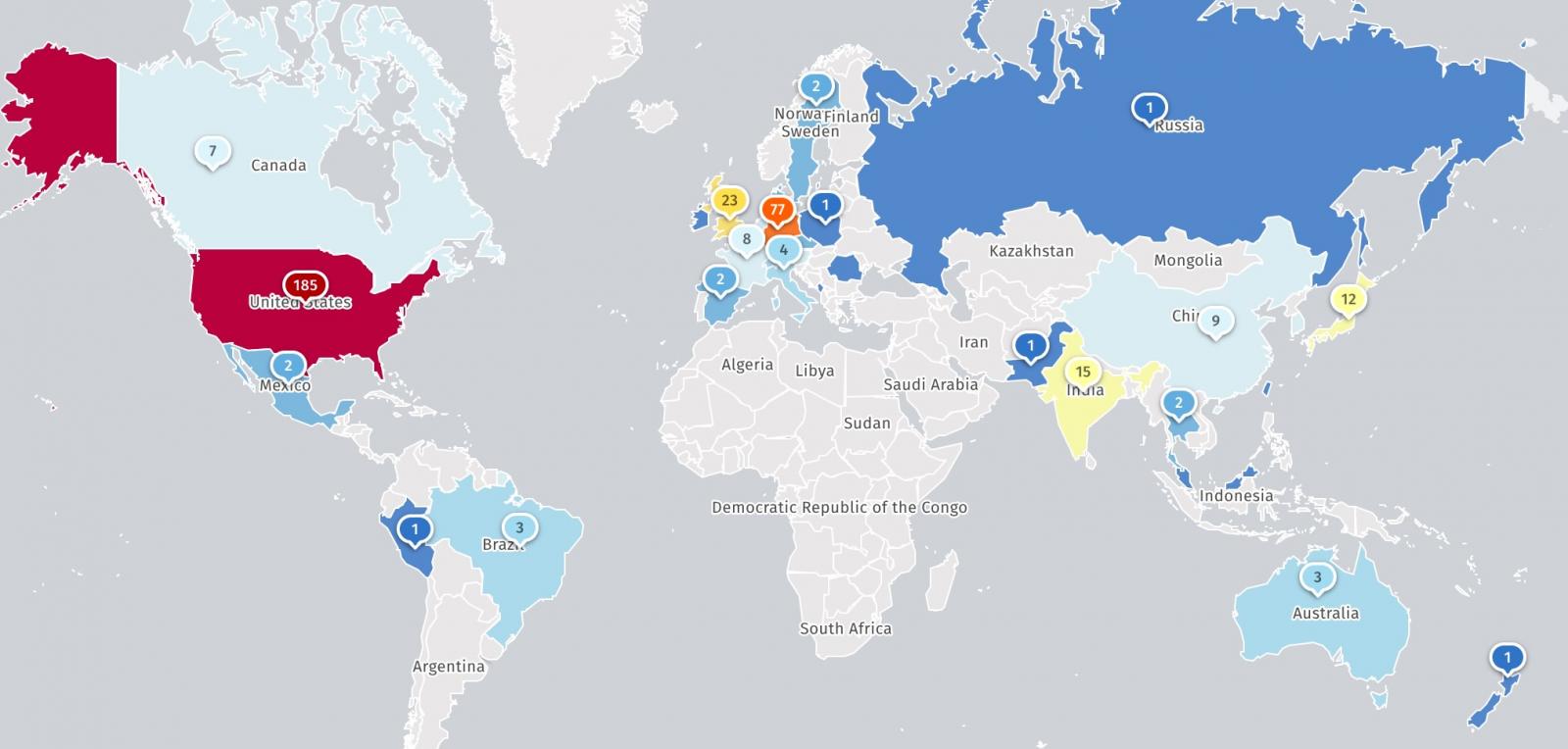
The disclosure of CVE-2026-102255 comes at a time when SonicWall’s SMA1000 series appliances have increasingly become a target for cyber adversaries. Internet security threat watchdog Shadowserver is actively monitoring over 400 Internet-exposed SMA1000 appliances. While this number represents a snapshot and some of these devices may have already been patched, it provides a stark indication of the potential exposure. The data from Shadowserver, which tracks various Internet-connected devices, suggests a significant installed base of these appliances accessible from the public internet, making them attractive targets for threat actors.
Why SMA1000 Appliances are Prime Targets
The reason behind the persistent targeting of SMA1000 devices is their critical role in secure remote access. These appliances are widely deployed by government agencies, Managed Service Providers (MSSPs), and a multitude of large corporations to provide secure Virtual Private Network (VPN) access to internal applications and corporate networks. This makes them a high-value target for attackers seeking to gain a foothold within an organization’s sensitive infrastructure. The compromise of an SMA1000 appliance can serve as a gateway to highly confidential data, intellectual property, and critical operational systems.
A Pattern of Exploitation: A Chronology of Vulnerabilities
The current vulnerability is not an isolated incident but rather part of a concerning trend of security weaknesses discovered and, in some cases, actively exploited in the SMA1000 product line. This pattern has necessitated multiple emergency patch releases and advisories from SonicWall throughout the year, highlighting a period of heightened vulnerability for these devices.
- Early 2026: The year began with a series of zero-day exploits targeting SMA1000 appliances. These vulnerabilities were rapidly weaponized by threat actors, demonstrating the agility of attackers in identifying and leveraging newly discovered weaknesses.
- July 2026: Two significant SMA1000 zero-day vulnerabilities, tracked as CVE-2026-15409 and CVE-2026-15410, were exploited for several weeks before patches were widely available. During this period, attackers successfully deployed custom malware, including Sou5, OrangeTail, and RootRun, onto vulnerable VPN appliances. The U.S. Cybersecurity and Infrastructure Security Agency (CISA) later linked these attacks to ransomware gangs, underscoring the sophisticated nature of the threat actors involved and their intent to monetize their access through ransomware deployment. This incident served as a critical warning sign for organizations relying on these devices for remote access.
- August 2026: In a further escalation, SonicWall issued another urgent warning regarding attackers chaining two newly discovered zero-day vulnerabilities, CVE-2026-83548 and CVE-2026-83549. The exploitation of these chained vulnerabilities allowed attackers to execute remote code on vulnerable SMA1000 gateways, a critical step in gaining full control over the compromised systems. This demonstrated a sophisticated attack methodology where multiple vulnerabilities were combined to achieve a more impactful outcome.
- Ongoing: The continuous stream of discovered and exploited vulnerabilities has led to a significant number of SonicWall devices being added to CISA’s Known Exploited Vulnerabilities (KEV) Catalog. This catalog lists vulnerabilities that have been exploited in the wild and pose a significant threat to U.S. federal agencies and other organizations. Over the last four years, 19 SonicWall vulnerabilities have been added to this list, with a particularly alarming 13 of them being directly associated with ransomware attacks. This statistic points to a persistent and severe threat actor focus on SonicWall products for financially motivated cybercrime.
Official Responses and Mitigation Strategies
In response to the ongoing threat landscape, SonicWall has adopted a multi-pronged approach. This includes the rapid development and dissemination of hotfixes, clear communication with its customer base through security bulletins and advisories, and collaboration with cybersecurity agencies like CISA. The company’s proactive stance in urging customers to upgrade to the latest fixed release versions is crucial for mitigating the risks associated with these vulnerabilities.
For organizations utilizing SMA1000 series appliances, the immediate action required is to apply the latest hotfixes. This is a critical step that should not be postponed. Beyond patching, a comprehensive security strategy should include:
- Regular Vulnerability Scanning: Implementing regular scanning of network infrastructure to identify any unpatched or vulnerable devices.
- Network Segmentation: Isolating critical internal systems from devices exposed to the internet, including VPN gateways, to limit the blast radius of any potential breach.
- Intrusion Detection and Prevention Systems (IDPS): Deploying and configuring IDPS to monitor network traffic for malicious activity and block known attack patterns.
- Security Awareness Training: Educating employees about phishing attempts and other social engineering tactics that could be used to compromise credentials or gain initial access.
- Incident Response Planning: Having a well-defined incident response plan in place to quickly and effectively address any security incidents that may occur.
Broader Implications and the Future of Secure Remote Access
The persistent targeting of SMA1000 appliances by sophisticated threat actors raises broader questions about the security of remote access solutions in an increasingly complex threat environment. As organizations continue to rely on remote workforces and cloud-based services, the security of the gateways that connect these entities becomes paramount. The trend of attackers chaining multiple vulnerabilities to achieve more impactful compromises suggests a need for more robust and layered security approaches.
The fact that many of these exploited vulnerabilities have been linked to ransomware gangs indicates that the motivation behind these attacks is often financial. Compromising remote access infrastructure provides a direct pathway to valuable corporate data, which can then be leveraged for ransom demands. This underscores the critical importance of protecting these entry points as a primary defense against ransomware.
The addition of numerous SonicWall vulnerabilities to CISA’s KEV catalog serves as a strong indicator for all organizations regarding the need to prioritize patching and vulnerability management for devices that are known to be actively exploited. This also highlights the responsibility of vendors to provide timely and effective security updates, and the critical role of cybersecurity agencies in disseminating threat intelligence and driving remediation efforts.
Looking ahead, the cybersecurity industry will likely see a continued arms race between attackers and defenders. Vendors will need to invest heavily in secure development practices, rigorous testing, and rapid response mechanisms. Organizations, in turn, must adopt a proactive and defense-in-depth security posture, recognizing that no single security solution is foolproof. The lessons learned from the ongoing exploitation of SMA1000 series appliances will undoubtedly inform future security strategies and the development of more resilient remote access technologies. The ongoing vigilance and prompt action from both vendors and customers are essential to navigating this evolving threat landscape.








