admin
admin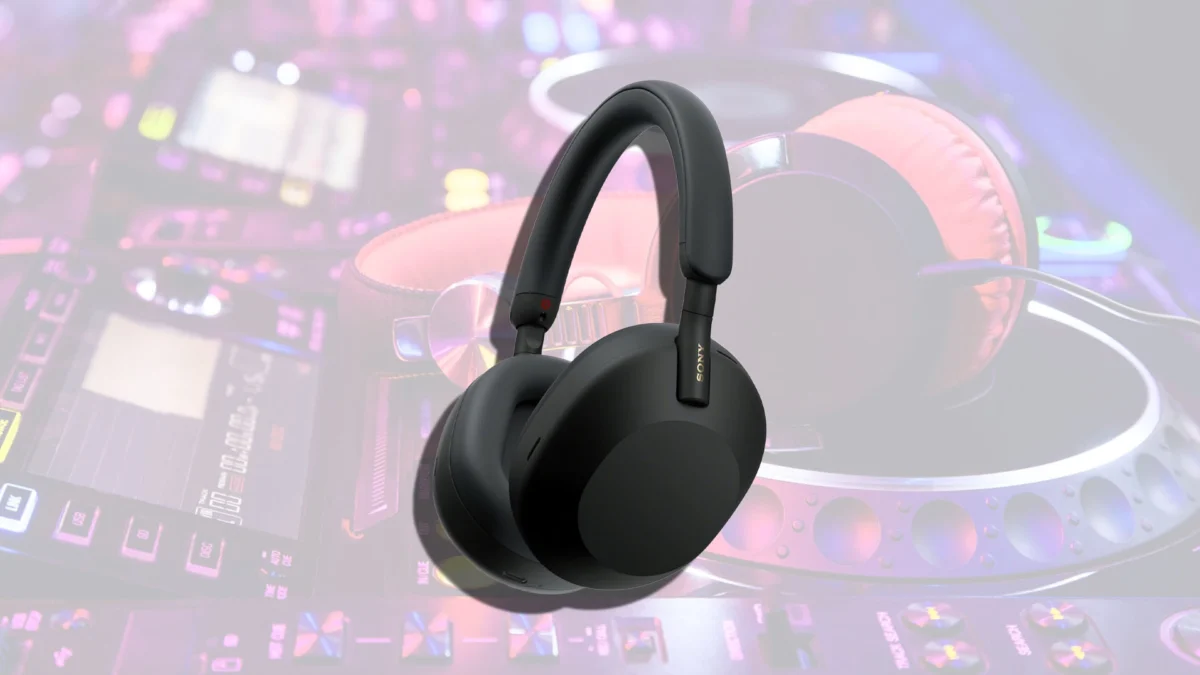
The consumer electronics market witnessed a significant shift this week as Amazon implemented a drastic price reduction on Sony’s flagship audio product, the WH-1000XM5 wireless noise-canceling headphones. In a move that caught industry analysts and bargain hunters by surprise, the online retail giant lowered the price of the premium peripheral to $198, representing a 50 percent discount from its original $399.99 manufacturer’s suggested retail price (MSRP). This pricing strategy marks the lowest valuation for the WH-1000XM5 since its global debut, surpassing previous holiday sales and promotional events such as Prime Day. The offer extends across the entire aesthetic spectrum of the product line, including the Black, Silver, Midnight Blue, and the more recently introduced Rose Pink variants, suggesting a comprehensive inventory move rather than a clearance of specific stock.
The Evolution of Sony’s Audio Dominance
To understand the significance of this price drop, one must look at the chronology of Sony’s 1000X series, which has arguably become the gold standard for consumer-grade Active Noise Cancellation (ANC). The journey began with the MDR-1000X in 2016, a product designed to challenge Bose’s long-standing hegemony in the noise-canceling market. Over the subsequent years, the WH-1000XM2, XM3, and XM4 iterations refined the formula, focusing on chip efficiency, comfort, and the "Qn1" noise-canceling processor.
The WH-1000XM5, launched in May 2022, represented the most radical redesign in the series’ history. Departing from the foldable, rugged aesthetic of its predecessors, the XM5 introduced a "frictionless" design with a slimmer headband and a non-folding chassis. While this change initially met with mixed reviews from frequent travelers who valued the compactness of the XM4, the XM5’s superior acoustic performance and advanced microphone array quickly solidified its position as a market leader.
The current discount arrives approximately two years into the product’s lifecycle. Historically, Sony operates on a roughly 24-to-30-month refresh cycle for its flagship headphones. The XM3 arrived in 2018, the XM4 in 2020, and the XM5 in 2022. This timeline suggests that while a successor—theoretically titled the WH-1000XM6—may be on the horizon, the XM5 remains the pinnacle of Sony’s current engineering capabilities.
Technical Specifications and Engineering Prowess
The WH-1000XM5 is not merely a branding exercise; it is a sophisticated piece of hardware that utilizes a dual-processor architecture. At the heart of its noise-canceling capabilities is the Integrated Processor V1, which works in tandem with the HD Noise Cancelling Processor QN1. These chips manage an array of eight microphones—four on each earcup—that monitor ambient sound with extreme precision. This setup is specifically tuned to suppress high-frequency noise, such as human voices and office chatter, which are traditionally more difficult to cancel than the low-frequency drone of an airplane engine.
In terms of acoustic hardware, Sony made a counterintuitive but effective choice by replacing the 40mm drivers found in the XM4 with a new 30mm driver unit. Despite the smaller diameter, the driver features a light and rigid dome made of carbon fiber composite material. This engineering choice improves high-frequency sensitivity and provides a more natural soundstage. The headphones support the LDAC codec, which allows for the transmission of approximately three times more data than conventional Bluetooth audio, enabling High-Resolution Audio playback wirelessly. For users listening to compressed formats like MP3 or standard streaming services, the DSEE Extreme (Digital Sound Enhancement Engine) uses Edge-AI to upscale music in real-time, restoring the high-range sound lost in compression.
Connectivity and utility features further distinguish the XM5. The inclusion of "Multipoint Connection" allows the headphones to be paired with two Bluetooth devices simultaneously. This means a user can watch a film on a laptop and seamlessly transition to a phone call on their smartphone without manually switching settings. Furthermore, the "Speak-to-Chat" feature uses the onboard microphones and AI to recognize when the wearer starts a conversation, automatically pausing the music and letting in ambient sound so the user can talk without removing the headset.
Battery Performance and Daily Utility
For the modern professional or traveler, battery longevity is a critical metric. The WH-1000XM5 provides up to 30 hours of continuous playback with ANC enabled, and up to 40 hours with the feature turned off. Perhaps more impressive is the charging infrastructure. Utilizing USB Power Delivery (USB-PD), the headphones can gain three hours of playback time from a mere three-minute charge. This rapid-recovery feature is designed for users who may have forgotten to charge their device before a long flight or commute.

The call quality of the XM5 also marked a significant leap over the XM4. Sony integrated four beamforming microphones and an AI-based noise reduction algorithm. This "Precise Voice Pickup" technology was trained using over 500 million voice samples to suppress environmental noise and extract the user’s voice with clarity, even in windy or crowded environments. This has made the XM5 a preferred tool for remote workers who frequently engage in video conferencing.
Market Analysis and Competitive Landscape
The reduction to $198 places Sony in a highly aggressive competitive position. The primary rivals in this premium segment include the Bose QuietComfort Ultra, which typically retails between $349 and $429, and the Apple AirPods Max, which maintains a much higher price point of $549 (often discounted to $450). By cutting the price to under $200, Sony is effectively moving a flagship-tier product into the mid-range price bracket, potentially cannibalizing sales from lower-tier competitors like the Sennheiser Accentum or even Sony’s own mid-range CH-720N.
Retail analysts suggest that this 50 percent discount may be a strategic move to clear warehouse inventory ahead of a major fourth-quarter announcement. While Sony has not officially confirmed the development of a WH-1000XM6, the tech industry’s cyclical nature makes such a reveal likely within the next six to nine months. However, for the average consumer, the performance gap between generations is often incremental, making a half-price flagship an exceptionally high-value proposition.
Environmental and Sustainability Efforts
Beyond the technical specifications, the WH-1000XM5 reflects a shift in Sony’s corporate philosophy regarding sustainability. The product packaging is entirely plastic-free, utilizing "Original Blended Material" made from bamboo, sugar cane fibers, and recycled paper collected from the market. The headphones themselves incorporate recycled plastic materials derived from automobile parts. This focus on the "Road to Zero" environmental plan has become a cornerstone of Sony’s marketing, appealing to an increasingly eco-conscious consumer base.
Impact on the Consumer Electronics Sector
The implications of this deal extend beyond a simple retail discount. When a market leader like Sony allows a 50 percent price cut on a current-generation flagship, it often forces competitors to respond with their own promotional activities. Consumers can expect to see increased volatility in the pricing of high-end audio gear as retailers vie for dominance during the upcoming shopping seasons.
Industry insiders note that the "rare" nature of this deal—specifically the $198 price point—suggests it may be a "Lightning Deal" or a limited-time flash sale. Such deep discounts are frequently used by Amazon to drive traffic to their electronics category, often resulting in "out-of-stock" statuses within hours of the price drop.
Conclusion and Final Assessment
The Sony WH-1000XM5 remains one of the most decorated audio products of the last decade, consistently appearing at the top of "Best of" lists from major technology publications. Its combination of class-leading noise cancellation, sophisticated AI features, and a 30-hour battery life makes it a versatile tool for both entertainment and productivity.
At the $198 price point, the value-to-performance ratio is virtually unmatched in the current market. While early adopters paid the full $399 at launch, this new pricing tier opens the door for a wider demographic of students, professionals, and audiophiles to access premium technology. As the digital landscape continues to evolve, the demand for high-quality audio isolation and clear communication tools remains at an all-time high, ensuring that the XM5 will remain relevant long after its successor eventually reaches the market. Consumers interested in the offer are advised to monitor stock levels closely, as historical data suggests that 50 percent discounts on flagship Sony hardware are rarely sustained for long periods.