Vera Intan Clara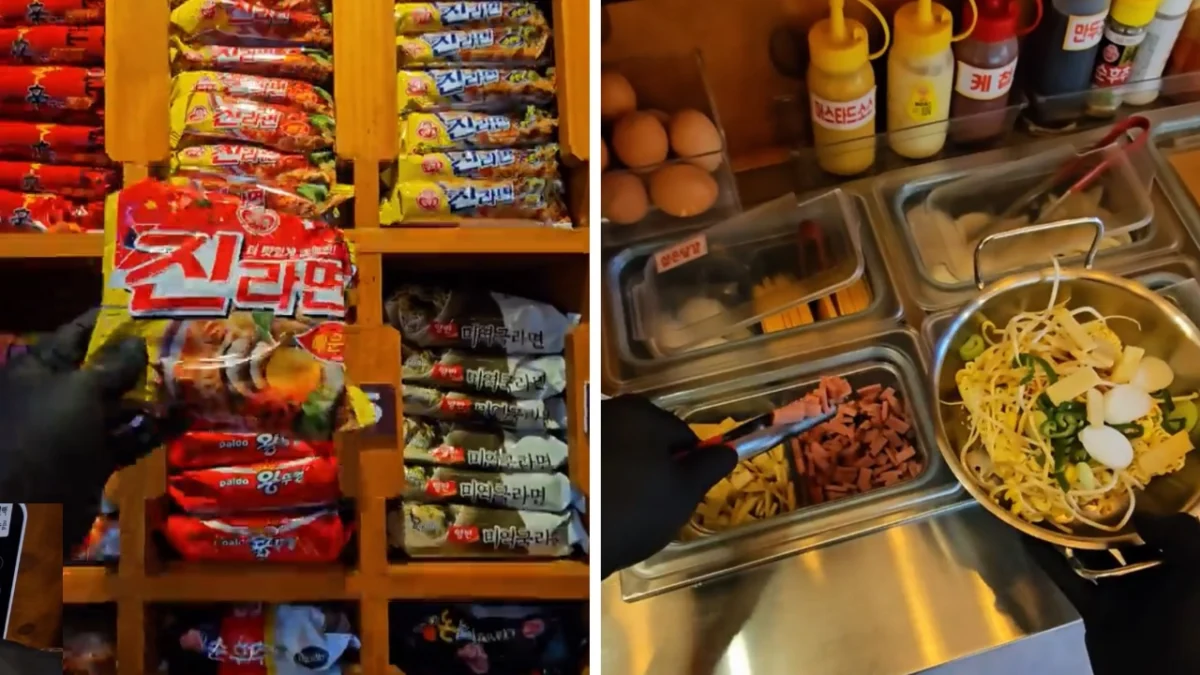
A captivating viral video showcasing a 24-hour unmanned ramen shop in South Korea recently propelled itself to the front page of Reddit, captivating millions as viewers observed a customer seamlessly select, customize, and cook their own bowl of instant noodles without a single employee present. Operating entirely on a self-service model, the innovative establishment replaces traditional cashiers, chefs, and servers with automated cooking machines and payment kiosks, embodying a unique blend of technological efficiency and societal trust. The post, shared on the popular r/interestingasfuck subreddit, quickly amassed over 36,000 upvotes and more than 2,100 comments, sparking an extensive global discussion on the viability of such a business model beyond South Korea’s borders and its broader implications for the retail and food service industries worldwide.
The Anatomy of Automation: How the Unmanned Ramen Shop Functions
The viral clip meticulously documented the customer’s journey through the automated ramen experience, providing a clear visual guide to its operational simplicity. The process begins with the customer choosing from a diverse selection of instant ramen packets, ranging from classic spicy options to more unique regional varieties. This initial choice sets the stage for a personalized meal. Following the ramen selection, the individual proceeds to an expansive toppings bar, a veritable smorgasbord of fresh ingredients. Here, patrons can load their metal pots with an array of garnishes including crisp bean sprouts, vibrant spring onions, savory fish cakes, thinly sliced meats, pungent garlic, various sauces, and fresh eggs, allowing for a high degree of customization that elevates the humble instant ramen into a gourmet experience.
Once the desired ingredients are assembled in the metal pot, the customer then slides it into an automated cooking station. This sophisticated machine is the heart of the operation, dispensing a precise amount of hot water and initiating a timed cooking cycle designed to perfectly prepare the noodles and integrate the chosen toppings. For several minutes, the station expertly manages the cooking process, ensuring consistent quality without human intervention. To complement the main dish, side servings of traditional Korean kimchi and pickled radish are readily available, enhancing the authentic culinary experience. Upon completion of the cooking cycle, diners simply retrieve their freshly prepared meal and carry it to a nearby table, ready to enjoy their bespoke ramen creation.
The most striking element of this entire operation, as highlighted by numerous viewers, is the complete absence of on-site staff. While the Daily Dot, the original source of the news, could not independently verify the specific business practices described by commenters, the shop clearly operates on a robust self-service paradigm. Payment is facilitated through intuitive self-checkout kiosks, streamlining transactions and minimizing the need for human interaction. Furthermore, a network of strategically placed CCTV cameras serves as a critical deterrent against theft and vandalism, a common concern in unmanned retail environments. Many commentators on Reddit posited that the significant reduction in labor costs associated with this model likely makes occasional losses due to theft or misuse a worthwhile trade-off, underscoring the economic rationale behind such ventures.
South Korea’s Unmanned Retail Revolution: A Cultural and Economic Phenomenon
The unmanned ramen shop is not an isolated novelty but rather a prominent example of a burgeoning trend within South Korea’s retail landscape. The country has emerged as a global leader in embracing automated and self-service business models across various sectors, from convenience stores and cafes to ice cream parlors and laundromats. This widespread adoption is underpinned by a unique confluence of cultural, technological, and economic factors.
Culturally, South Korea is characterized by a high degree of societal trust and a strong emphasis on public order and civic responsibility. This "high-trust society" environment is crucial for the successful operation of businesses that rely on customer honesty and adherence to rules without constant supervision. Citizens generally respect public property and norms, which significantly reduces the incidence of petty crime and vandalism that might plague similar establishments in other regions.
Technologically, South Korea boasts one of the world’s highest rates of internet penetration and a population that is exceptionally tech-savvy and accustomed to digital interactions. This technological fluency makes customers comfortable with automated kiosks, mobile payments, and smart cooking systems. The demand for efficiency and speed is also paramount, aligning perfectly with the quick, convenient service offered by unmanned shops, especially appealing to students and office workers seeking fast meals during busy schedules or late-night hours.
Economically, rising labor costs in South Korea have incentivized businesses to explore automation as a means of maintaining profitability and offering competitive pricing. Unmanned stores significantly reduce overheads associated with staffing, allowing for 24/7 operation without the burden of night shift differentials or extensive employee management. This economic advantage, coupled with a dense urban population that values accessibility at any hour, fuels the proliferation of these innovative retail solutions. Data from various market research firms indicates a consistent upward trend in the number of unmanned stores in South Korea over the past decade, a trajectory further accelerated by the COVID-19 pandemic, which amplified demand for contactless services and automated transactions. For instance, reports suggest that the number of unmanned convenience stores and cafes has seen double-digit growth year-over-year in recent periods, reflecting a sustained shift in consumer preference and business strategy.
Reddit’s Global Agora: Debating Trust and Translatability
The viral video ignited a fervent debate on Reddit, primarily centered on the "trust factor" required to sustain such a business model. Many Redditors, particularly those from Western countries, expressed skepticism about the feasibility of an unmanned shop in their home regions. One widely upvoted comment encapsulated this sentiment, stating, "Signs of a high-trust society. A shop like that wouldn’t last a week in the US." This perspective highlights a perceived disparity in societal norms and crime rates across different nations.
Conversely, others who had lived or traveled extensively in South Korea corroborated the cultural context. "I lived in SK for a few months," one Redditor recalled. "Not once did traveling around the streets at night feel dangerous, and the place was so clean and relaxed." This firsthand account reinforces the notion of a safe and orderly public environment conducive to unmanned operations. Beyond the practicalities, many users were drawn to the intangible appeal of the concept. Another commenter eloquently described the "cozy" feeling: "It seems like it would be so cozy. To leave in the middle of the night, walk down the street, and use one of these stores almost like you’re in a second kitchen shared with your locals." This romanticized view speaks to a desire for community, convenience, and a sense of belonging that transcends mere transactional efficiency.
The discussion also delved into the specific operational details. Users who claimed to have visited similar chains clarified that customers typically order and pay through a kiosk. While basic toppings like kimchi and pickled radish might be complimentary, premium additions such as eggs and cheese often incur an extra charge, providing an additional revenue stream for the business while maintaining perceived value for customers. This hybrid model balances free customization with opportunities for upselling, crucial for profitability.
Navigating Hygiene Concerns: A Critical Examination
While the overwhelming response to the unmanned ramen shop was positive, a segment of the Reddit community raised pertinent questions regarding food hygiene and safety protocols. Several viewers expressed concern about the customer in the video repeatedly touching various surfaces, including the trash can, with the same pair of gloves. This observation sparked a broader discussion on the efficacy and proper usage of gloves in food preparation.
One Redditor humorously but pointedly remarked, "Loved the part where the gloved hand goes into the trash can before touching everything afterwards." Another commenter, citing experience in food safety auditing, added, "My experience with food safety auditing is that a great many people have absolutely no idea what gloves are actually for." These comments underscore a common misconception that wearing gloves inherently guarantees hygiene, regardless of subsequent actions. Experts in food safety universally emphasize that gloves are only effective if changed frequently, especially after touching contaminated surfaces, raw ingredients, or non-food items. Repeatedly touching trash cans, payment kiosks, and then food or utensils with the same pair of gloves defeats their primary purpose, which is to create a barrier against contamination.
For unmanned food establishments, maintaining rigorous hygiene standards is paramount and presents unique challenges. While the video did not provide explicit details on the shop’s cleaning schedules or specific food handling protocols, reputable self-service food operations typically implement stringent measures. These often include:
- Regular, thorough cleaning: Automated stations, topping bars, and dining areas must be sanitized frequently, ideally multiple times a day, by dedicated cleaning staff.
- Clear signage and instructions: Customers should be guided on proper hygiene practices, such as hand sanitization before and after preparing food, and the appropriate disposal of waste.
- Quality control of ingredients: Toppings and instant ramen packets must be stored at correct temperatures and regularly restocked to ensure freshness and prevent spoilage.
- Automated sanitization features: Some advanced cooking stations may incorporate self-cleaning cycles or materials that resist bacterial growth.
- Remote monitoring: CCTV can not only deter theft but also allow for remote monitoring of hygiene compliance and prompt identification of areas needing attention.
Despite these valid hygiene concerns, many critics, even those who pointed out the glove issue, conceded that the finished bowl of ramen looked undeniably tempting. This highlights the powerful allure of convenience, customization, and a visually appealing product, which often outweighs minor perceived flaws in the eyes of the consumer.
Broader Implications: The Future Landscape of Retail and Food Service
The viral success of South Korea’s unmanned ramen shop serves as a compelling case study for the evolving landscape of retail and food service globally. Its implications extend far beyond instant noodles, offering a glimpse into potential future business models driven by technological innovation and shifting consumer expectations.
Economic Shifts: The most immediate economic impact is on labor costs. By significantly reducing the need for human staff, businesses can operate with lower overheads, potentially leading to more competitive pricing for consumers or higher profit margins for owners. This model is particularly attractive in regions with rising minimum wages or labor shortages. However, it also raises questions about job displacement and the need for workforce reskilling in an increasingly automated economy. New jobs, such as technicians for machine maintenance, remote customer support, and specialized cleaning crews, may emerge to support these automated environments.
Technological Advancements: The success of unmanned stores relies heavily on robust and user-friendly technology. Advances in AI-powered vision systems for inventory management, IoT sensors for temperature control and equipment diagnostics, and sophisticated payment gateways will continue to refine these operations. Personalization through data analytics, where kiosks might suggest ramen combinations based on past purchases, is also a future possibility. The integration of robotics for more complex tasks, such as restocking or even basic food preparation, could further enhance efficiency.
Consumer Experience and Expectations: Modern consumers increasingly prioritize convenience, speed, and customization. Unmanned shops cater directly to these demands, offering 24/7 access and a personalized experience without the wait times associated with traditional service. This trend could reshape consumer expectations, making traditional staffed establishments seem less efficient by comparison. The novelty factor also plays a significant role, attracting curious customers eager to try innovative services.
Global Scalability and Adaptation: While South Korea’s high-trust society and tech-forward culture provide an ideal environment, the unmanned model is not exclusive to the peninsula. Variations of self-service and automated retail are already gaining traction in other parts of Asia, Europe, and North America. However, successful global expansion would require significant adaptation. In regions with lower societal trust or higher crime rates, more sophisticated security measures, potentially involving biometric authentication, advanced anti-theft systems, or even remote human oversight via cameras, would be necessary. Cultural preferences for interaction, labor laws, and differing food safety regulations would also need careful consideration and localized adjustments.
Sustainability and Environmental Impact: The efficiency of unmanned operations could also contribute to sustainability efforts. Reduced food waste through precise portioning and on-demand cooking, optimized energy consumption through smart systems, and streamlined supply chains could be potential benefits. However, the environmental impact of manufacturing and maintaining complex machinery, as well as the packaging of instant ramen and toppings, would also need to be factored into a comprehensive assessment.
In conclusion, the South Korean unmanned ramen shop, thrust into the global spotlight by a viral Reddit video, represents more than just a convenient meal option; it symbolizes a fascinating convergence of cultural values, technological innovation, and evolving economic realities. It challenges conventional notions of retail, pushing the boundaries of what is possible when trust and automation intersect. While questions surrounding hygiene and global applicability persist, the overwhelming positive response from millions of viewers underscores a palpable global curiosity and demand for the future of retail – one that is increasingly efficient, personalized, and, perhaps, remarkably human-free. This innovative model, rooted in South Korea’s unique societal fabric, provides a compelling blueprint for how businesses worldwide might adapt to a future driven by technology and a discerning consumer base.