George Chandra Eka
Active noise cancellation (ANC) has undeniably become a transformative feature in personal audio, offering a sanctuary of quiet in an increasingly noisy world. From bustling city streets to the drone of an airplane cabin, ANC technology provides a welcome respite, allowing users to immerse themselves in audio content or simply find focus. However, while its benefits are plentiful and often lauded, understanding the nuanced operation, inherent limitations, and broader implications of ANC is crucial for maximizing its utility and ensuring user safety. The widespread adoption of headphones, now almost as ubiquitous as the smartphones they pair with, means that features like ANC are no longer niche but rather central to the modern listening experience, making a detailed exploration of their pros and cons more relevant than ever.
The Genesis of Quiet: A Brief History and Evolution of Noise Cancellation
The concept of active noise cancellation is not a recent innovation but rather the culmination of decades of scientific research and engineering development. The theoretical groundwork for noise cancellation dates back to the 1930s when Paul Lueg, a German inventor, patented a method for canceling sinusoidal sound waves by phase-shifting and inverting them. While groundbreaking, practical applications remained elusive due to the technological limitations of the era.
Significant advancements began to materialize in the latter half of the 20th century, largely driven by the aerospace industry. In the 1950s, Willard Meeker at the University of Illinois worked on developing ANC for aircraft cockpits. However, it was Dr. Amar Bose, founder of Bose Corporation, who famously pioneered practical ANC technology for consumer and professional use. Frustrated by the noise on a flight in 1978, Bose began researching how to use active cancellation to improve the listening experience. This led to the development of noise-canceling headsets for pilots in the late 1980s, which then trickled down to the consumer market with the introduction of the first consumer ANC headphones in the 1990s.
The initial iterations were bulky and expensive, primarily targeting frequent travelers. Over the past two decades, continuous innovation in microelectronics, battery technology, and digital signal processing (DSP) has led to smaller, more powerful, and more affordable ANC solutions. This evolution has enabled ANC to move from specialized over-ear headphones to compact in-ear earbuds, making the technology accessible to a broader audience and cementing its status as a premium, yet increasingly standard, feature in personal audio devices.
The Science Behind the Silence: Deconstructing Active Noise Cancellation
At its core, active noise cancellation might seem like magic, but it is firmly rooted in the principles of physics, specifically destructive interference. Every sound we perceive is a pressure wave, characterized by its frequency and amplitude, which propagates through a medium like air. ANC systems exploit the wave nature of sound to effectively nullify unwanted noise.
The process begins with miniature microphones strategically placed on the exterior and, in some advanced designs, inside the earcups or earbuds. These microphones continuously "listen" to the ambient sound environment, capturing everything from the low hum of an air conditioner to the chatter of a busy coffee shop. The captured analog sound waves are then fed into a sophisticated digital signal processor (DSP) chip. This powerful chip performs a real-time analysis of the incoming noise, identifying its precise waveform characteristics.
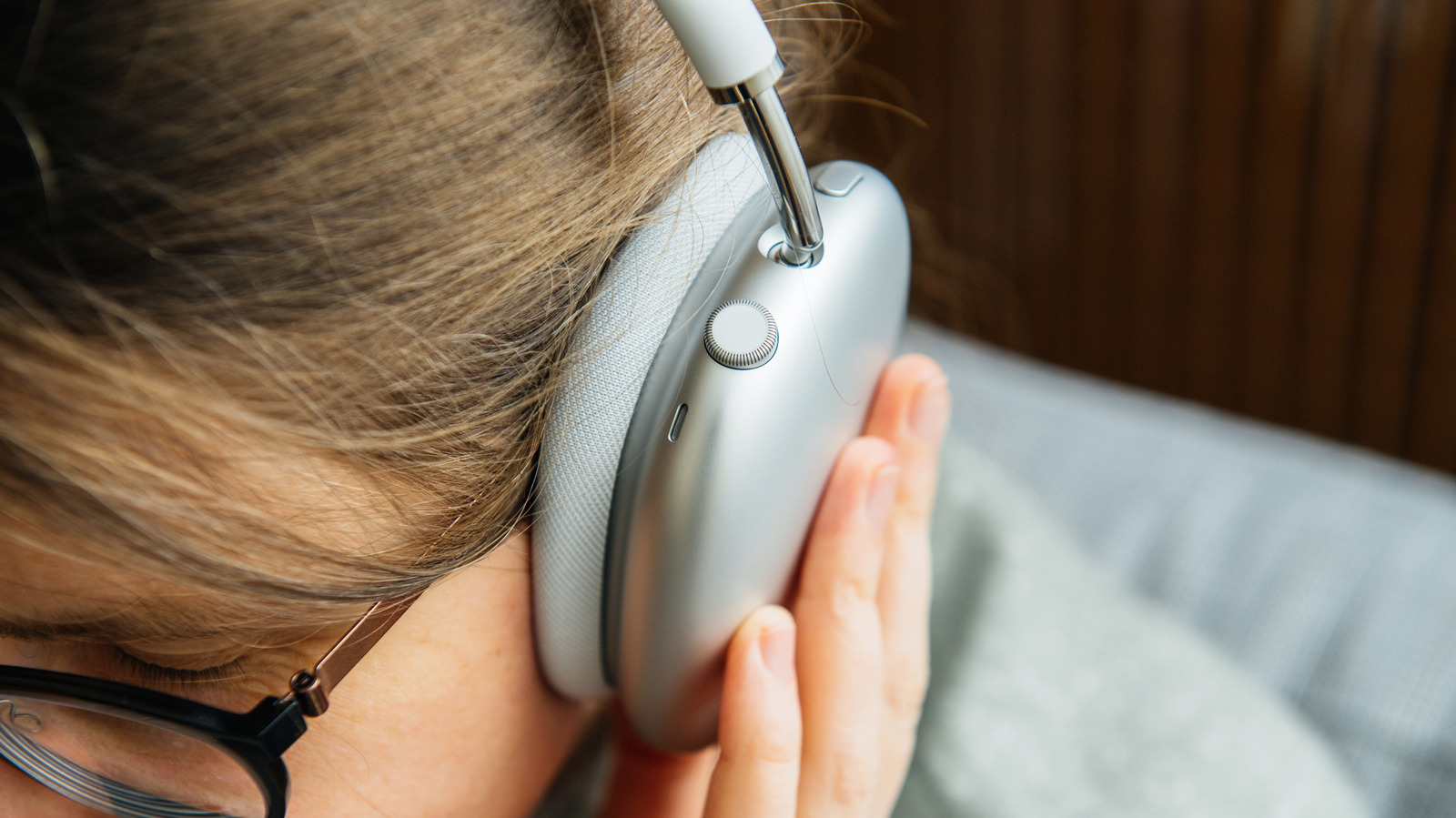
The critical step involves the DSP generating an "anti-noise" signal. This anti-noise wave is an exact replica of the unwanted ambient sound wave but is inverted in phase by 180 degrees. When this inverted anti-noise wave is broadcast by the headphone’s speakers, it encounters the original ambient sound wave. According to the principle of destructive interference, when two waves of the same frequency and amplitude meet but are precisely out of phase, they cancel each each other out. The peaks of one wave align with the troughs of the other, effectively flattening both waves and resulting in a significant reduction or complete cancellation of the perceived sound.
This entire process—from capturing sound to generating and emitting the anti-noise—must occur with incredible speed and precision, typically within milliseconds. Any noticeable delay (latency) would result in the anti-noise being out of sync with the original sound, leading to distortion rather than cancellation. This demanding real-time processing capability is why ANC headphones require powerful, specialized chips, contributing to their higher cost compared to passive noise-canceling headphones. Passive noise cancellation, in contrast, relies solely on the physical design of the headphones, such as thick earcups or snugly fitting ear tips, to block out sound through acoustic insulation. While effective against higher frequencies, passive methods cannot match the broadband noise reduction capabilities of active systems, particularly for low-frequency, continuous sounds.
The Uncontested Advantages: Why ANC is a Modern Essential
The widespread adoption and growing market share of ANC headphones underscore their significant benefits in contemporary life. Market research consistently shows a robust growth trajectory for the ANC headphone segment, with projections indicating billions in market value as consumers increasingly prioritize immersive audio experiences and personal tranquility.
One of the most obvious and celebrated advantages of ANC is the elimination of irritating ambient noise. This is particularly impactful in environments dominated by low-frequency, continuous sounds, such as the engine hum of airplanes, buses, or trains, the whir of office air conditioning, or the general murmur of a public space. By effectively silencing these distractions, ANC transforms commuting, working, and relaxing into more peaceful and productive experiences.
This reduction in external noise directly contributes to enhanced audio quality and immersion. Without the need to compete with background sounds, users can enjoy music, podcasts, audiobooks, or movies at lower, safer volumes. This allows for the appreciation of finer details in the audio mix that would otherwise be masked by environmental noise. Audiologists and hearing specialists often advocate for ANC as a tool for hearing protection. By reducing the need to crank up the volume to overcome external noise, ANC headphones significantly mitigate the risk of noise-induced hearing loss, a growing concern in a world filled with personal audio devices.
Beyond entertainment, ANC proves invaluable for improving focus and productivity. In open-plan offices, study halls, or even at home with a noisy family, ANC can create a personal bubble of quiet, enabling deeper concentration on tasks. For many, the ability to "turn off" the outside world at will is a powerful psychological tool against distraction and sensory overload, fostering a more conducive environment for cognitive work.
ANC also significantly enhances communication clarity. During phone or video calls, especially in noisy environments, ANC helps the user hear the other party more clearly by canceling out local distractions. While the outbound microphone quality also plays a role in how the user’s voice is transmitted, the ability to hear without strain improves the overall call experience.
Furthermore, ANC contributes to stress reduction and overall well-being. For individuals sensitive to external stimuli, such as those with certain neurodevelopmental conditions like ADHD or autism, or simply those prone to stress from excessive noise, ANC can provide a vital calming effect. Some users even integrate ANC earbuds into their routines for improved sleep, utilizing the silence to fall asleep more easily or to block out snoring or neighborhood disturbances. The sheer ability to command silence, even without playing any audio, offers a profound sense of control and peace in chaotic settings.
Navigating the Nuances: The Drawbacks and Considerations of ANC
Despite its considerable benefits, active noise cancellation is not without its limitations and potential drawbacks, necessitating an informed approach to its use.
Firstly, the effectiveness of ANC varies significantly depending on the type of noise. As mentioned, ANC excels at canceling low-frequency, continuous sounds. However, it is less effective against sudden, sharp, or high-frequency noises, such as a car horn, a baby crying, or people shouting. While these sounds may be attenuated, they are rarely completely silenced, reminding users that ANC is a powerful filter, not an absolute soundproof barrier.
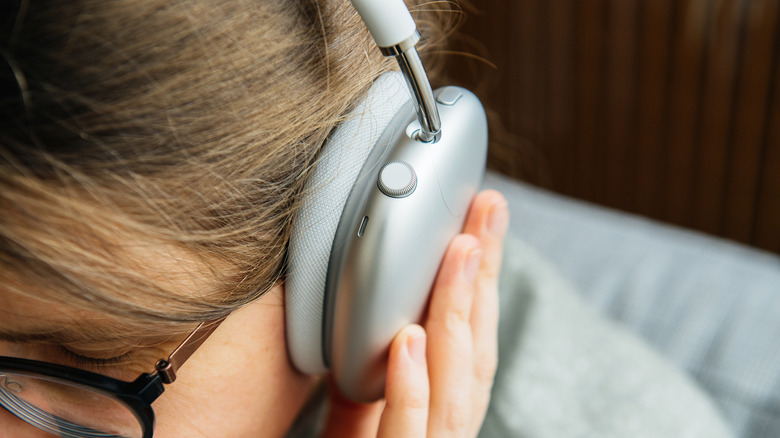
Some users report experiencing a sensation of pressure or discomfort in their ears when ANC is active, often described as a "plugged-ear" feeling or even mild vertigo. This phenomenon, while not universal, is thought to be related to the subtle changes in air pressure within the ear canal created by the anti-noise waves, or by the psychological effect of sudden silence. While many adapt, for some, this discomfort can make prolonged ANC use challenging. Additionally, while modern ANC technology aims to preserve audio fidelity, some audiophiles argue that the signal processing inherent in ANC can subtly alter the natural sound profile, potentially reducing dynamic range or introducing minor artifacts, especially in less premium models.
A critical consideration is the potential for safety hazards and reduced situational awareness. By actively blocking out environmental sounds, ANC can render users oblivious to important auditory cues in their surroundings. This is particularly dangerous for pedestrians, cyclists, or anyone in traffic, where the sound of approaching vehicles, emergency sirens, or verbal warnings is crucial for safety. Similarly, in public spaces or workplaces, being entirely cut off from ambient sounds could lead to missing announcements, alarms, or direct communication from colleagues.
The impact on battery life is another practical drawback. The sophisticated microphones, DSP chips, and constant generation of anti-noise signals require significant power. Consequently, using ANC modes drains headphone batteries considerably faster than passive listening, necessitating more frequent recharging or limiting usage duration for long trips. While many users willingly accept this trade-off for the benefit of silence, it remains a functional limitation.
Finally, there are potential psychological and cognitive implications. Some preliminary studies and expert discussions suggest that consistently eliminating background noise might affect how the brain naturally filters and processes auditory information over time. The brain is accustomed to distinguishing relevant sounds from irrelevant background noise. By outsourcing this filtering to technology, there’s a theoretical concern that the brain’s own natural ability to do so might become less efficient, potentially leading to increased sensitivity to noise when ANC is not in use. While this area requires more robust research, it highlights the complex interaction between technology and human perception.
The Hybrid Solution: Balancing Isolation with Awareness
Recognizing the crucial need to balance the benefits of noise cancellation with the demands of situational awareness and social interaction, headphone manufacturers have developed and refined "ambient listening modes." These features, often branded as Transparency Mode (Apple AirPods), Ambient Sound Mode (Sony), or HearThrough (Bose), are designed to selectively allow external sounds to pass through the headphones, often enhancing them.
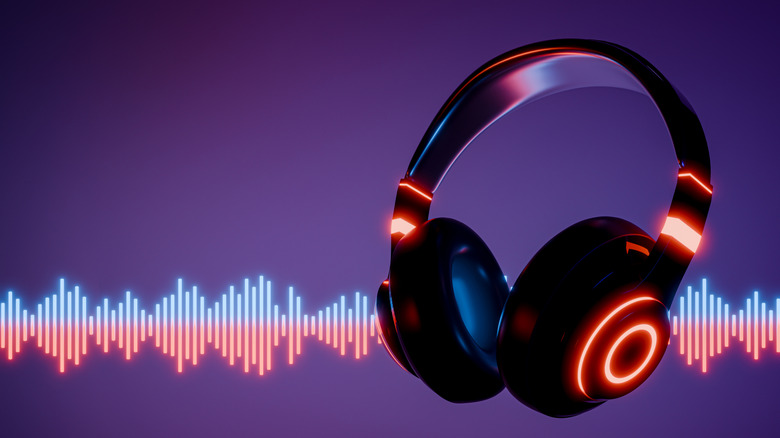
These modes utilize the same external microphones employed for ANC, but instead of generating an inverted wave, they amplify and relay the ambient sounds directly into the listener’s ears. This allows users to hear their surroundings – traffic, train announcements, conversations, or even their own voice – without removing their headphones or pausing their audio. The sophistication of these modes varies, with advanced implementations allowing for adjustable levels of transparency, focusing on human voices while still attenuating some background noise, or automatically activating when the user speaks.
The widespread adoption of these hybrid modes is a testament to their importance. They address key drawbacks of pure ANC, significantly enhancing safety for outdoor activities, facilitating natural conversations, and ensuring users remain connected to their immediate environment when desired. This flexibility transforms ANC headphones from tools of pure isolation into versatile audio companions that adapt to diverse user needs and contexts.
The Future of Quiet: Eerving ANC Technology
The trajectory of active noise cancellation technology points towards even greater sophistication, personalization, and integration. Future developments are likely to focus on several key areas:
- Adaptive and Personalized ANC: Next-generation ANC systems will likely move beyond static cancellation profiles. Headphones will increasingly feature adaptive ANC that automatically adjusts the level and type of noise cancellation based on the real-time ambient environment, dynamically responding to changes in noise levels and frequencies. Furthermore, personalized ANC, which tailors cancellation algorithms to the unique acoustic properties of an individual’s ear canal and head shape, promises even more effective and comfortable noise reduction.
- Enhanced Hybrid Modes: Ambient listening modes will become even more intelligent, potentially leveraging artificial intelligence to selectively filter specific sounds (e.g., only human voices, while canceling other noise) or to automatically adjust transparency levels based on user activity or location.
- Integration with AI and Contextual Awareness: ANC systems could integrate more deeply with AI assistants and contextual data (e.g., GPS location, calendar entries). For example, headphones might automatically switch to transparency mode when the user approaches a crosswalk or enters a known conversation-friendly zone.
- Energy Efficiency and Smaller Form Factors: Continued advancements in chip design and battery technology will lead to more power-efficient ANC, extending battery life even further, and enabling the technology to be integrated into even smaller and more discreet form factors.
- Broader Applications: While headphones remain the primary application, ANC technology is expanding into other domains, including automotive cabins for quieter rides, smart home devices to reduce ambient appliance noise, and even architectural solutions for noise control in buildings.
Conclusion
Active noise cancellation headphones represent a significant technological achievement, offering unparalleled benefits in terms of audio immersion, focus, productivity, and even hearing health. By harnessing the intricate physics of sound waves, ANC systems create personalized zones of tranquility, profoundly enhancing the modern listening experience. However, this powerful technology comes with its own set of considerations, including limitations against certain noise types, potential physiological sensations, increased battery drain, and critically, the imperative to maintain situational awareness.
The evolution of hybrid modes like Transparency Mode underscores the industry’s recognition of these challenges, offering users the best of both worlds: profound quiet when desired, and informed connection to their surroundings when necessary. As ANC technology continues to advance, becoming more adaptive, personalized, and integrated into our daily lives, the onus remains on the user to make informed choices. Understanding how ANC works, its strengths and weaknesses, and leveraging its intelligent features ensures that this remarkable innovation serves not just as a tool for silence, but as an enhancement to a safer, more focused, and ultimately, more enriching auditory experience. The dual-edged silence of ANC, when wielded with awareness, truly empowers us to navigate the sonic landscape of the 21st century on our own terms.