
 George Chandra Eka
The Microsoft Xbox Series X, launched in November 2020, is demonstrating an impressive longevity that defies typical console generation cycles, primarily attributable to Microsoft’s unwavering commitment to long-term software support and the console’s inherently repairable hardware design. This resilience positions the Series X as a compelling gaming platform for years to come, even as discussions around an all-digital future and a successor console, code-named Project Helix, begin to emerge. The console’s current market standing, bolstered by its powerful performance and the ongoing economic pressures driving up component costs, further solidifies its extended relevance in the competitive gaming landscape.
Microsoft’s Enduring Software Commitment: A Historical Precedent
Microsoft has consistently set a high bar for supporting its gaming hardware well beyond the introduction of new generations, a strategy that directly benefits the Xbox Series X. This commitment is not merely a recent phenomenon but a deeply ingrained aspect of the company’s ecosystem philosophy, prioritizing consumer investment and digital libraries. The most striking evidence of this long-term approach can be observed in the continued support for the Xbox One, a console originally launched in 2013. Despite the arrival of the Xbox Series X/S in 2020, the Xbox One received significant software updates and dashboard refinements for years, with projections indicating ongoing support, including critical security patches and system stability updates, extending as far as 2026. This unprecedented thirteen-year support window for a prior-generation console provides a robust benchmark for the expected lifespan of the Xbox Series X.
This historical pattern is crucial for understanding Microsoft’s strategy. Previous generations, such as the Xbox 360, also enjoyed prolonged support through dashboard updates, new features, and backward compatibility initiatives that integrated its extensive game library into newer hardware. This continuity fosters a sense of security for consumers, assuring them that their investment in a console, its games, and its digital ecosystem will not be prematurely abandoned. For the Xbox Series X, this means that even after Project Helix eventually makes its debut, owners can anticipate a prolonged period where their console remains a viable and actively supported gaming machine. Software updates will likely continue to optimize performance, enhance user experience, and ensure compatibility with evolving online services and security protocols.
Furthermore, Microsoft’s pioneering efforts in backward compatibility across four generations of Xbox consoles—original Xbox, Xbox 360, Xbox One, and now Xbox Series X/S—reinforce the longevity of the Series X. This feature ensures that a vast library of games remains playable, regardless of their original platform. This isn’t just about preserving old titles; it’s about adding immense value to the current hardware, making the Series X a definitive platform for experiencing the entire history of Xbox gaming. This strategic focus on ecosystem and library continuity naturally extends the perceived and functional lifespan of the hardware.
Current Gaming Landscape and Cross-Generational Development
The current state of game development also plays a significant role in extending the Series X’s relevance. While new console generations typically mark a swift transition for AAA titles, the reality often involves a period of cross-generational development. Major upcoming titles, such as the highly anticipated Grand Theft Auto VI, are confirmed to launch on the Xbox Series X, demonstrating that the console remains a target platform for the industry’s biggest releases for the foreseeable future. This is a critical indicator that the console is far from reaching the end of its prime gaming lifecycle.
Historically, this cross-generational development phase can last for one to two years after a new console’s launch, allowing developers to maximize their audience reach by catering to the larger installed base of the older generation while also leveraging the capabilities of the new hardware. Live-service games, in particular, exhibit remarkable longevity on older platforms. Titles like Fortnite continue to thrive on previous-generation consoles, attracting millions of players and receiving continuous content updates. While most new AAA games eventually transition exclusively to the latest hardware, this shift is rarely immediate. The existing content pipeline, coupled with the sheer power of the Xbox Series X, ensures that it will continue to host a vibrant library of new and ongoing experiences.
Exceptions to the rapid generational shift, such as Black Ops 7 and Hollow Knight: Silksong appearing on the Xbox One in recent years, underscore the occasional willingness of publishers to tap into older user bases for specific titles. While these are not the norm for graphically intensive AAA experiences, they highlight the potential for unexpected support. For the Series X, with its significantly more powerful architecture compared to the Xbox One, the window for receiving new AAA titles will undoubtedly be longer, possibly extending several years post-successor launch, especially for titles that are less graphically demanding or those optimized for broader accessibility.
Hardware Resilience and the Power of Repairability
Beyond software, the physical design and repairability of the Xbox Series X contribute significantly to its potential for an extended lifespan. Microsoft engineered the Series X with robustness in mind, featuring a sophisticated internal layout designed to manage heat efficiently, a common console killer. Its unique vapor chamber cooling system and large, top-mounted fan are engineered to dissipate heat more effectively than many previous console designs, including its direct competitor, the PlayStation 5, which has faced its own thermal challenges. Proper ventilation is paramount, and placing the console in an open, well-aired space is crucial for preventing overheating, which can lead to premature component degradation and system failures. Users are advised to monitor console noise levels; an unusually loud fan can be an early indicator of cooling issues that warrant attention.
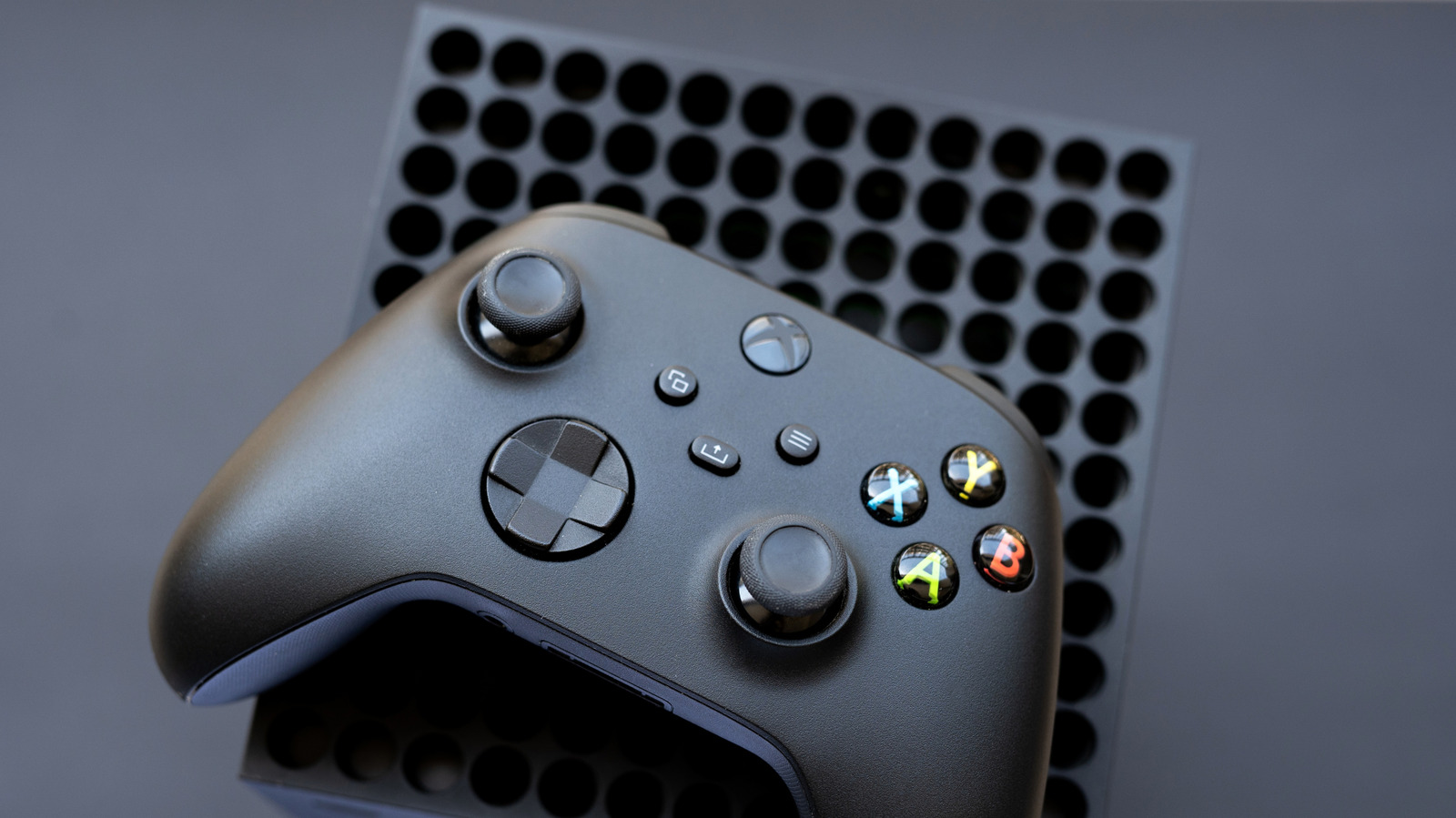
Crucially, the Xbox Series X is designed with a degree of repairability that is commendable in an age of increasingly sealed and proprietary electronics. Key components that are known points of failure in consoles—such as the disc drive, power supply unit (PSU), and HDMI ports—are relatively accessible. Resources like iFixit provide detailed guides on how to open and clean the console’s heatsinks and internal fan, empowering users with the knowledge to perform basic maintenance. Regularly cleaning the console’s vents and ports of dust is a fundamental step in preventing impaired airflow and maintaining optimal thermal performance. Microsoft itself recommends simple cleaning procedures for controllers using a soft cloth and an isopropyl alcohol solution.
For more involved repairs, the Series X offers varying levels of DIY feasibility. Accessing internal components like the power supply, internal storage, and antenna boards typically requires little more than a standard driver set and a degree of patience. More complex repairs, such as replacing a disc drive, might necessitate rudimentary soldering skills, while fixing a damaged HDMI port often demands advanced microsoldering expertise, placing it beyond the scope of the average consumer.
Recognizing the value of extending hardware life, Microsoft has also made efforts to support self-repair and official servicing. Replacement parts for controllers, for instance, are available directly from Microsoft, signaling a shift towards greater consumer empowerment in maintaining their devices. While official console components might require some searching on third-party marketplaces, the existence of a repair ecosystem is vital. For those uncomfortable with internal electronics, Microsoft offers out-of-warranty servicing, though at a cost that can be steep. However, this service provides a professional avenue for extending the console’s life, an option that will likely remain available for a considerable period before being eventually retired. This combination of robust design, user-friendly repair guides, and official/third-party repair channels significantly enhances the practical lifespan of the Xbox Series X.
Economic Realities and the Future Console Market
The current global economic climate and specific market trends are inadvertently contributing to the extended relevance of the Xbox Series X. Reports of Xbox price hikes, attributed in part to the soaring costs of components driven by the booming AI industry and broader supply chain challenges, paint a complex picture for the future of console affordability. The demand for advanced semiconductors, memory, and other electronic components from AI data centers, automotive industries, and other tech sectors has created a scarcity that pushes manufacturing costs upwards.
This economic pressure has direct implications for the next generation of consoles. Xbox boss Asha Sharma’s statements to the BBC about Project Helix aiming for "affordability" become increasingly challenging to achieve in this environment. If the cost of manufacturing new, more powerful hardware continues to rise, the retail price of Project Helix could be significantly higher than previous console launches. This scenario, while potentially unwelcome for early adopters of the next generation, paradoxically improves the Xbox Series X’s longevity in the market. A more expensive successor makes the current Series X a more attractive and cost-effective option for a longer duration, especially for consumers who prioritize value and accessibility.
The implications extend to consumer purchasing habits. With discretionary income potentially strained by inflation and other economic factors, consumers may be more inclined to hold onto their existing hardware for longer, especially if it continues to deliver a satisfying gaming experience. The Series X, with its formidable power and ongoing game support, fits this bill perfectly. This economic dynamic could lead to a longer period of market overlap between generations, with the Series X maintaining strong sales and user engagement well into the next console cycle.
Broader Impact and Implications for the Gaming Ecosystem
The extended lifespan of the Xbox Series X carries broader implications for the gaming ecosystem. For developers, a prolonged cross-generational period means they can continue to target a larger installed base, potentially reducing the financial risk associated with developing exclusively for a nascent next-gen console. This could lead to more diverse game offerings and longer support for existing titles. For consumers, it reinforces the value proposition of their purchase, reducing the pressure to upgrade immediately upon the launch of new hardware.
Microsoft’s strategy, rooted in long-term platform support and backward compatibility, fosters a stable and reliable ecosystem. This approach also aligns with growing calls for greater sustainability in electronics, as extending the life of devices reduces e-waste and promotes more responsible consumption. The combination of repairability and sustained software updates makes the Series X a more environmentally conscious choice compared to consoles designed for rapid obsolescence.
In conclusion, the Xbox Series X is not merely a console navigating its way through a typical generational cycle; it is a testament to a strategic vision that prioritizes longevity and consumer value. Through Microsoft’s demonstrated commitment to software support, the console’s robust and repairable hardware design, and the prevailing economic conditions that favor extended use, the Xbox Series X is poised to remain a relevant and powerful gaming platform for many years to come. Its blend of current-generation power and future-proof support offers a compelling proposition for gamers seeking a durable and continually evolving entertainment experience.







