George Chandra Eka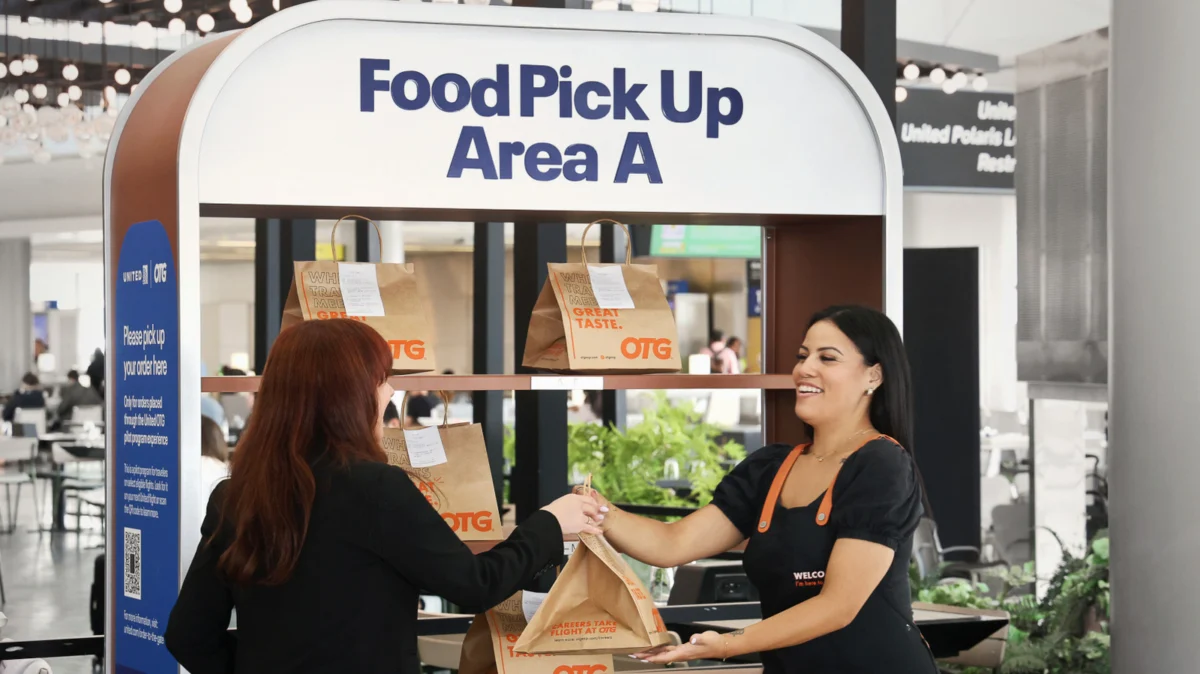
United Airlines has initiated a groundbreaking pilot program at Newark Liberty International Airport (EWR), offering passengers the unprecedented ability to order food, beverages, over-the-counter medicine, and travel essentials directly through its mobile application for delivery straight to their departure gates. This innovative service, currently undergoing preliminary testing within Terminal C, represents a significant leap in airline-provided convenience, aiming to streamline the pre-flight experience and cater to the evolving demands of modern air travelers. The initiative is a collaboration with OTG, the concessionaire responsible for the dining and retail landscape at Terminal C, and is poised to reshape expectations for airport services.
A New Paradigm in Airport Convenience: The Pilot Program Unveiled
The new gate-side delivery service is initially being rolled out for select flights departing from or connecting through nine designated gates within Newark Liberty International’s Terminal C. Passengers eligible for the pilot program receive a pre-departure push notification via the United app or an email, inviting them to explore the new offering. This digital invitation grants access to a curated menu featuring a variety of culinary options, including fresh salads, hearty sandwiches, an assortment of chips and candies, and dedicated kids’ meals, alongside a selection of beverages. Beyond sustenance, the service extends to essential travel items, encompassing over-the-counter medicines for minor ailments, comfort-enhancing travel pillows, and crucial charging cords, addressing common last-minute passenger needs.
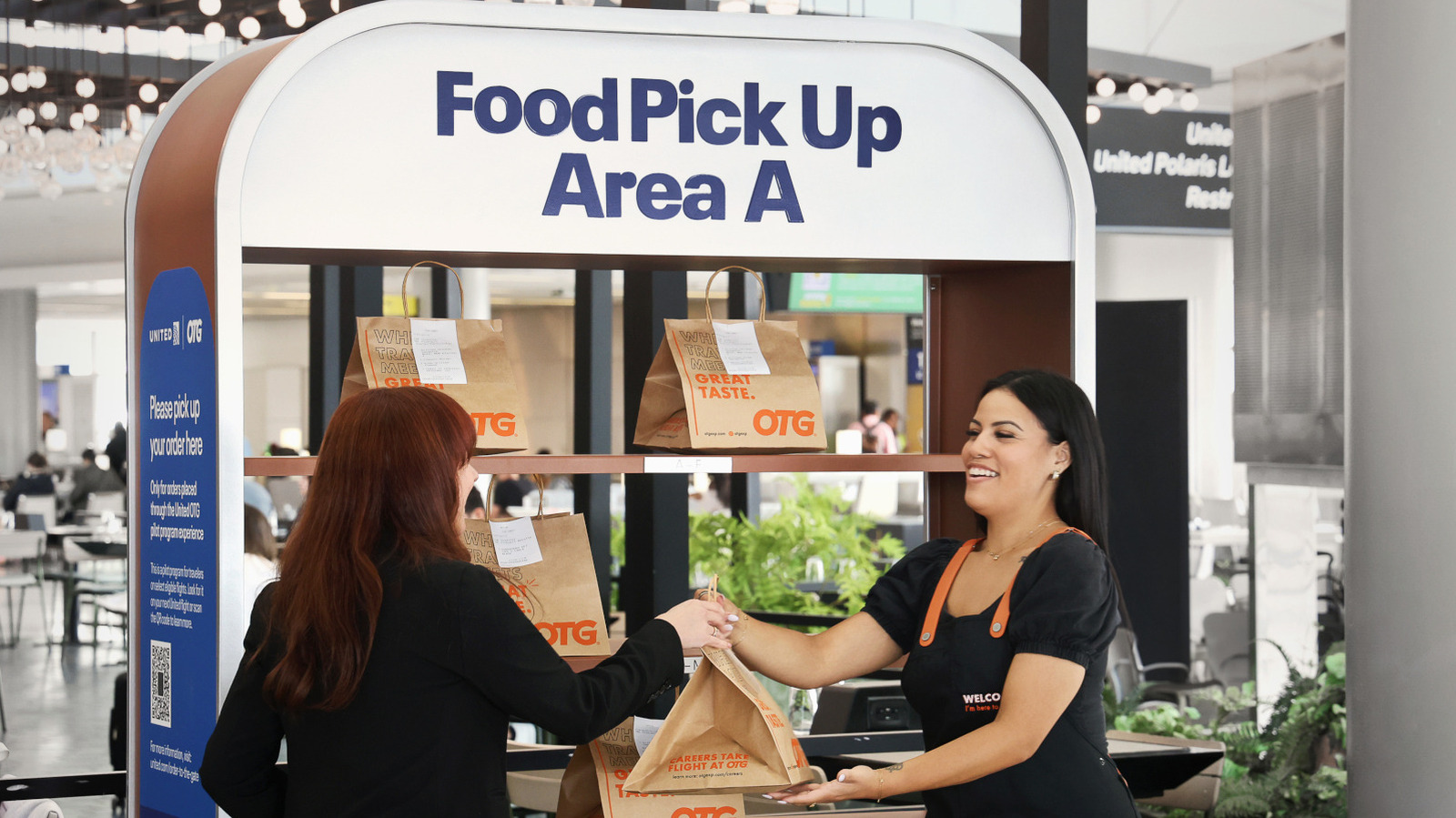
Upon placing an order, passengers are directed to retrieve their purchases from clearly marked pickup shelves strategically located at their respective gates. This systematic approach ensures a seamless and efficient transaction, minimizing potential delays or confusion in the often-hectic airport environment. The pilot program’s scope covers both domestic and international flights originating from the selected gates, indicating United’s comprehensive vision for its applicability across diverse travel segments.
Strategic Partnership and Phased Expansion
The successful execution of such an intricate logistical operation within a major international airport necessitates robust partnerships. United Airlines has strategically teamed up with OTG, a recognized leader in transforming airport dining and retail experiences. OTG’s extensive expertise in managing the gastronomic and commercial offerings at Newark’s Terminal C positions them as an ideal collaborator for this preliminary testing phase. Their established infrastructure and operational knowledge are crucial to the initial deployment and refinement of the delivery system.
Following the initial trial at Newark, United Airlines has articulated plans to expand the pilot program to Houston later this year. This phased expansion strategy allows the airline to gather valuable data, refine operational protocols, and address any unforeseen challenges in different airport environments before considering a wider rollout. The ultimate goal, should the service prove successful, is its widespread availability, potentially integrating it into United’s in-flight entertainment systems. This futuristic vision would enable transit passengers to pre-order items even before their arrival, further enhancing convenience and reducing potential wait times during layovers. This forward-looking integration underscores United’s commitment to leveraging technology for a more connected and passenger-centric travel journey.
The Evolving Landscape of Airline Innovation and Customer Experience
This gate-side delivery service is not an isolated initiative but rather a part of United Airlines’ broader strategy to enhance the overall customer experience through digital innovation. The airline has been proactively introducing features designed to provide greater flexibility and control to its passengers. A recent example is the integration of standby list management directly into its app. This feature allows passengers experiencing disruptions, such as rebooking to a later flight, to proactively join standby lists for up to three earlier flights. Once a seat becomes available, the app facilitates a quick rebooking, significantly reducing stress and improving recovery times during irregular operations. Such innovations collectively illustrate a clear trajectory towards a more digitally empowered and responsive travel ecosystem.
The aviation industry, particularly airlines, has increasingly focused on leveraging mobile technology to create more personalized and efficient journeys. From mobile check-in and digital boarding passes to real-time flight updates and personalized offers, the smartphone has become an indispensable tool for travelers. United’s gate delivery service taps into the pervasive demand for on-demand solutions that have become standard in other sectors like food delivery and e-commerce. Passengers, accustomed to instant gratification in their daily lives, are now seeking similar levels of convenience and personalization in their travel experiences.
Deeper Dive into Market Trends and Supporting Data
The global airport retail and food and beverage market is a significant economic force, valued at billions of dollars annually. Passengers often spend considerable time in terminals, with average dwell times for connecting flights ranging from 1 to 3 hours, and for originating flights, typically 2 to 4 hours before departure. During this period, travelers frequently seek opportunities for dining, shopping, or acquiring last-minute necessities. However, the sprawling nature of modern airports, combined with tight connection windows and the desire to remain close to the gate, often creates friction points. Passengers might forego a meal or essential purchase due to concerns about time, distance, or the hassle of navigating crowded terminals.
Data from various market research firms consistently highlights a growing consumer preference for convenience and personalized services. A 2023 report by Grand View Research indicated that the global online food delivery market size was valued at USD 189.7 billion in 2022 and is expected to grow at a compound annual growth rate (CAGR) of 13.9% from 2023 to 2030. While airport delivery is a niche within this, it reflects the broader societal shift towards on-demand services. Furthermore, surveys often reveal that airport dining and retail experiences are significant drivers of passenger satisfaction, or conversely, dissatisfaction when expectations are not met. Services that alleviate stress and save time are highly valued, particularly by business travelers and families with young children.
The increasing penetration of airline mobile applications also provides a fertile ground for such services. The United app, like those of its competitors, serves as a central hub for flight management, information, and ancillary services. By integrating gate delivery, United capitalizes on existing user engagement and provides another compelling reason for passengers to utilize its digital platforms, thereby fostering deeper customer loyalty and interaction.
Inferred Statements and Industry Reactions
While specific direct quotes from United executives regarding this pilot are limited in the initial announcement, the strategic intent can be inferred. A hypothetical statement from a United Airlines Chief Customer Officer might articulate: "Our commitment at United Airlines is to continuously innovate and elevate the travel experience. The introduction of gate-side delivery at Newark Liberty International’s Terminal C is a testament to this dedication, leveraging technology to provide our passengers with unparalleled convenience and peace of mind. We understand that travel can be dynamic, and by bringing essential services directly to their gate, we aim to simplify their journey, allowing them to relax and focus on their destination."
Similarly, an executive from OTG, the strategic partner, could emphasize the collaborative nature and operational capabilities: "OTG is proud to partner with United Airlines on this pioneering initiative. Our deep understanding of airport operations and our commitment to transforming the passenger experience align perfectly with United’s vision. By integrating our extensive dining and retail offerings with United’s robust digital platform, we are setting a new standard for airport service and demonstrating the power of innovation through partnership."
Industry observers and competitors are likely to be watching this pilot closely. Should it prove successful, it could trigger a wave of similar initiatives across other airlines and airports, as the competitive landscape in aviation increasingly extends beyond just ticket prices and route networks to the quality and breadth of the end-to-end travel experience.
Broader Impact and Implications
The implications of United’s gate-side delivery service extend beyond immediate passenger convenience. From an operational standpoint, it presents both opportunities and challenges. On the opportunity side, it could potentially optimize concessionaire revenue by capturing sales from passengers who might otherwise miss out due to time constraints or gate distance. It could also reduce congestion at physical retail outlets during peak hours, leading to a smoother flow of passengers. For United, it offers a new ancillary revenue stream and a significant differentiator in a competitive market.
However, operational challenges include the logistics of timely delivery across a large terminal, ensuring order accuracy, managing inventory efficiently, and scaling the service without compromising existing airport operations. The partnership with OTG is crucial here, as they bring the necessary infrastructure and expertise in airport-specific logistics.
Economically, this service could stimulate demand for certain types of retail and food offerings within the airport ecosystem. It also signifies a broader trend towards the "airport as a destination" concept, where the terminal itself offers a range of services designed to enhance the travel experience, rather than merely being a transit point.
From a competitive perspective, this move places United at the forefront of airport service innovation. Airlines are constantly seeking ways to differentiate themselves, and services that directly address passenger pain points like convenience and time are powerful tools for building brand loyalty. If successful, this could pressure other major carriers to develop similar offerings, leading to an industry-wide elevation of airport services. This is particularly relevant as airlines increasingly compete on the entire journey experience, not just the flight itself.
The Future of Airport Retail and Service
United’s gate delivery service hints at a future where airport retail and services are seamlessly integrated into the digital fabric of the travel journey. Imagine a scenario where, upon booking a flight, passengers receive personalized recommendations for meals or items based on their preferences, past purchases, or even destination. The integration into in-flight entertainment systems, as United plans, further blurs the lines between in-air and on-ground services, creating a holistic and connected experience.
This evolution is also driven by technological advancements such as artificial intelligence (AI) and predictive analytics, which can optimize delivery routes, predict demand, and personalize offers. The use of robotics for delivery within airports, though perhaps a more distant prospect, is not entirely out of the question as automation becomes more prevalent.
Ultimately, United Airlines’ pilot program at Newark Liberty International is more than just a new service; it is a significant indicator of the ongoing transformation within the aviation industry. It underscores a strategic pivot towards hyper-personalized, on-demand experiences, leveraging technology and strategic partnerships to meet and exceed the expectations of the modern traveler. As the program expands and refines, it holds the potential to redefine convenience in air travel, setting a new benchmark for customer-centric innovation across the global aviation landscape.