Galang Taruna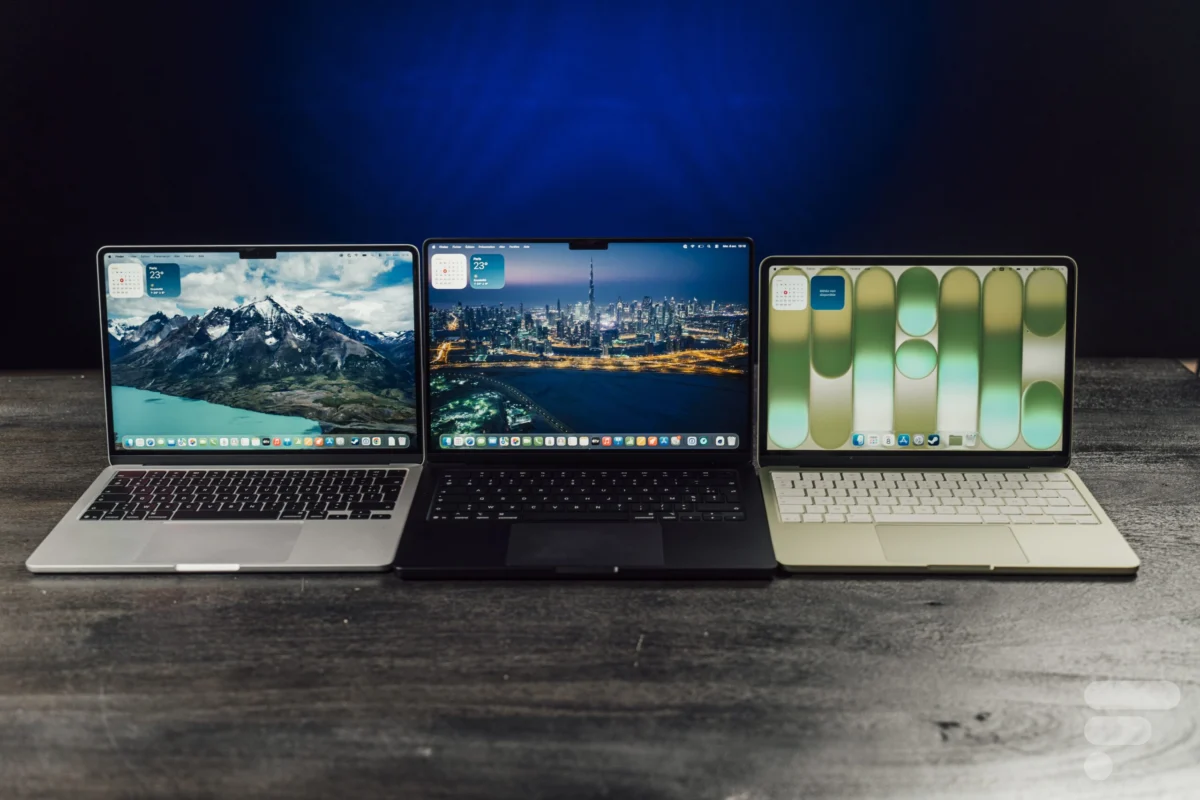
The recent announcement confirms that sixteen distinct Apple devices will no longer receive significant software updates across macOS 27, iPadOS 27, watchOS 27, and tvOS 27. This decision, while a routine aspect of Apple’s product lifecycle management, carries amplified weight in 2026, given its intersection with major technological advancements like Apple Intelligence and the ongoing transition to Apple Silicon. Notably, the iconic iPhone X, a device that revolutionized smartphone design upon its release, has officially been declared obsolete by Apple. Similarly, the 15-inch MacBook Pro from 2018 has transitioned to "vintage" status, preceding an eventual obsolescence declaration. Beyond these high-profile devices, several generations of Apple Watch, iPad, and Apple TV are also part of this significant support discontinuation.
Understanding Apple’s Product Support Lifecycle
To fully grasp the implications of Apple’s 2026 announcement, it is crucial to differentiate between the various stages of a product’s lifecycle as defined by the company. Apple employs a tiered system that governs both software support and hardware service availability, often leading to confusion among consumers.
Firstly, the most immediate impact of the 2026 announcement concerns the cessation of major software updates. This means that affected devices will no longer receive the newest version of their respective operating systems – macOS 27, iPadOS 27, watchOS 27, or tvOS 27. While these devices will continue to function on their current operating system versions, they will miss out on new features, performance enhancements, and compatibility updates that come with each new OS iteration. Crucially, Apple typically continues to provide security updates for a period after major software support ends. This extended security patching is vital, ensuring that devices remain protected against emerging vulnerabilities, thereby prolonging their safe usability. This is a significant distinction, as it means users are not immediately forced into an upgrade cycle for security reasons, though they might for functionality.
Secondly, Apple has distinct classifications for hardware service eligibility: "vintage" and "obsolete." A product is deemed "vintage" approximately five years after Apple stops distributing it for sale. During this period, Apple stores and authorized service providers continue to offer repairs, though service availability may be subject to parts inventory. This means that if a vintage device breaks, there’s still a chance to get it fixed through official channels. The 2018 MacBook Pro 15-inch falls into this category in 2026.
Finally, a product becomes "obsolete" seven years after its last distribution date. Once a product is classified as obsolete, Apple unequivocally discontinues all hardware service. This typically means that replacement parts are no longer available, making official repairs virtually impossible. The iPhone X, originally released in late 2017, reaches this "obsolete" status in 2026, marking the end of its official repairability window.
The 2026 announcement primarily focuses on the first category – the end of major software updates. While this is distinct from hardware obsolescence, the former often precedes the latter, signaling the beginning of the end for a device’s optimal utility within Apple’s ecosystem.
The Affected Ecosystem: A Comprehensive Breakdown
The scope of devices impacted by the 2026 software update cutoff is extensive, reflecting Apple’s broad product portfolio. While specific model lists for all categories were not detailed in the original report, the underlying reasons for their exclusion provide critical insights.
Mac Computers: The Apple Silicon Mandate
For Mac users, the primary driver behind the discontinuation of macOS 27 support for older models is the complete transition to Apple Silicon processors. After years of development and a successful multi-year rollout, 2026 marks the point where macOS development has fully optimized for the proprietary M-series chips. This means that macOS 27 will likely be exclusively designed for Apple Silicon architecture, rendering older Intel-based Macs incompatible due to fundamental architectural differences and the increasing performance demands of the new operating system. The 2018 15-inch MacBook Pro, an Intel-based machine, is a prime example of a device falling victim to this architectural shift. Its powerful Intel Core i7 or i9 processor, once state-of-the-art, can no longer meet the requirements for Apple’s latest software innovations, especially those leveraging the Neural Engine capabilities inherent in Apple Silicon. This move consolidates Apple’s hardware and software ecosystem, allowing for more streamlined development and optimized performance on its custom chips.
iPads and Apple Watches: The Dawn of Apple Intelligence
The exclusion of certain iPad and Apple Watch models from iPadOS 27 and watchOS 27, respectively, is attributed to a "lack of power" required to run the advanced features of Apple Intelligence. Introduced as Apple’s integrated suite of generative AI capabilities, Apple Intelligence is designed to be deeply embedded within the operating system, offering features such as enhanced Siri interactions, intelligent writing tools, image generation, and context-aware notifications. These functionalities are highly demanding, requiring significant on-device processing power, particularly from neural processing units (NPUs) or neural engines.
Older generations of iPads and Apple Watches, while capable of running previous OS versions, simply lack the sophisticated and powerful neural engines found in newer models. For instance, the original article’s mention of iPads being affected suggests models without the A12 Bionic chip or newer, which typically include a dedicated Neural Engine. Similarly, older Apple Watch models, particularly those pre-dating significant NPU enhancements, may not possess the computational headroom necessary for Apple Intelligence to function effectively or efficiently. This strategic decision underscores Apple’s commitment to delivering a premium AI experience, even if it means leaving older, less capable hardware behind.
Apple TV: Evolving Entertainment Demands
While generally having a longer software support lifecycle than other devices, certain older Apple TV models will also lose support for tvOS 27. The reasons here are likely a combination of hardware limitations and evolving standards for streaming and media consumption. Newer tvOS versions often introduce enhanced video codecs, improved gaming capabilities, and more sophisticated smart home integrations, all of which demand increased processing power and memory. Older Apple TV models, particularly those based on less powerful A-series chips, might struggle to deliver a seamless experience with these new features, leading to their exclusion from the latest OS.
iPhones: A Respite for Many
In contrast to the other product categories, iPhone users have received relatively good news. The article states that if an iPhone received iOS 26, it is expected to receive iOS 27. This indicates a broader and more consistent support window for Apple’s flagship product line. iPhones generally benefit from longer software support, typically receiving 6-7 years of major iOS updates. This is largely due to their status as a primary personal device, the massive user base, and the fact that even slightly older iPhone chips often possess sufficient processing power and neural engine capabilities to handle newer OS features, albeit sometimes with reduced performance compared to the very latest models. This extended support for iPhones also reflects Apple’s understanding of the substantial investment users make in their smartphones.
The Rationale: Innovation, Efficiency, and Strategic Transition
Apple’s decision to discontinue major software support for a significant number of devices in 2026 is rooted in a multi-faceted strategy centered on innovation, operational efficiency, and a clear vision for its future ecosystem.
Driving Innovation: The primary driver is the pursuit of cutting-edge innovation. New features, particularly those powered by advanced artificial intelligence like Apple Intelligence, demand increasingly powerful and specialized hardware. By limiting major software updates to devices capable of running these features optimally, Apple ensures a consistent and high-quality user experience across its supported product line. This allows developers to build applications leveraging the latest capabilities without needing to extensively optimize for vastly different hardware generations.
Optimizing Development Resources: Supporting a sprawling array of hardware architectures and generations becomes increasingly complex and resource-intensive over time. By narrowing the scope of supported devices for its latest operating systems, Apple can streamline its software development process. This allows engineering teams to focus their efforts on optimizing performance and introducing new features for modern hardware, rather than expending significant resources on backward compatibility for devices that may no longer be able to deliver the intended experience.
The Apple Silicon Transition: For Mac, the end of Intel support for macOS 27 represents the culmination of a strategic, multi-year transition to Apple Silicon. This move has been lauded for its significant performance, power efficiency, and security benefits. By making macOS 27 an Apple Silicon-exclusive OS, Apple solidifies its commitment to its custom chip architecture, fully leveraging its capabilities and encouraging users to migrate to the more advanced platform. This is a critical step in unifying the software and hardware experience across the Mac lineup.
Future-Proofing the Ecosystem: The introduction of Apple Intelligence serves as a pivotal moment. These AI features are not merely incremental updates; they represent a fundamental shift in how users interact with their devices. By ensuring that only sufficiently powerful hardware receives these updates, Apple is effectively "future-proofing" its ecosystem for the AI era. It sets a new baseline for hardware requirements, guiding future product development and user expectations.
Implications for Users and the Broader Market
The 2026 support cutoff carries substantial implications for Apple’s vast user base, the secondary market, and broader industry trends.
User Experience and Upgrade Cycles: For users with affected devices, the most immediate impact is the inability to access new features and potentially a gradual degradation of third-party app compatibility over time. While security updates offer a crucial lifeline, the lack of new OS features can diminish the perceived value and utility of older devices. This naturally encourages an upgrade cycle, where users might feel compelled to purchase newer models to stay current with the latest software innovations and security advancements, ultimately boosting Apple’s sales of new hardware.
The Secondary Market and Sustainability: The discontinuation of major software support often impacts the resale value of older devices. While still functional, their appeal on the secondary market diminishes as they lose access to the latest features. This raises questions about product longevity and environmental sustainability. Organizations advocating for "right to repair" and reduced e-waste often criticize planned obsolescence. However, Apple’s continued provision of security updates for unsupported devices partially mitigates these concerns, allowing for extended safe use. Moreover, Apple has invested heavily in recycling programs and using recycled materials in new products, attempting to balance innovation with environmental responsibility. The push towards Apple Intelligence, which often requires newer hardware, highlights the ongoing tension between these objectives.
Economic Impact: For Apple, these periodic support cutoffs are integral to its business model, driving sales of new, higher-margin products. For consumers, it represents a recurring expenditure, as they weigh the cost of upgrading against the diminishing returns of older devices. The timing of these cutoffs, particularly in a year of reported leadership change and major technological shifts, suggests a strategic re-evaluation of how Apple manages its product lifecycles to maximize both innovation and profitability.
Historical Context and Industry Comparison
Apple’s approach to product support, while stringent, is not unique in the technology industry. Most hardware manufacturers and software developers eventually discontinue support for older products. Android device manufacturers, for instance, often provide shorter major software update lifespans, particularly for mid-range and budget devices, though some leading brands are improving. Microsoft, with its Windows operating system, also has defined support lifecycles for each version, though hardware compatibility tends to be broader for longer periods.
Apple’s strength lies in its tight integration of hardware and software, which allows for highly optimized performance but also dictates a more controlled obsolescence cycle. Historically, Apple has been known for providing relatively long software support compared to many competitors, especially for its flagship iPhones. However, the increasing complexity and computational demands of modern software, particularly AI, are undeniably shortening the practical lifespan of older hardware, even for Apple. The transition to Apple Silicon and the advent of Apple Intelligence are accelerating this trend, marking a new era where raw processing power, particularly neural processing, becomes a paramount factor in a device’s long-term viability within the ecosystem.
Looking Ahead: The Future of Apple’s Ecosystem
The 2026 support changes are more than just a routine update; they are a clear indicator of Apple’s future direction. The emphasis on Apple Silicon and the integration of Apple Intelligence signal a future where on-device AI capabilities will be central to the user experience. This means that future Apple products will likely feature even more powerful and efficient custom chips, with a heightened focus on neural processing capabilities.
The implications extend to how users perceive and interact with their devices. As AI becomes more pervasive, the distinction between "smart" and "less smart" devices will become increasingly pronounced based on their ability to run these advanced features. For Apple, this strategy ensures that its ecosystem remains at the forefront of technological innovation, delivering experiences that are increasingly personalized, intelligent, and seamless. However, it also places a greater onus on consumers to keep their hardware updated to fully benefit from these advancements, solidifying a predictable, yet sometimes costly, upgrade pathway within the Apple universe.
In conclusion, 2026 represents a landmark year for Apple’s product lifecycle management. By ending major software support for sixteen devices across its Mac, iPad, Apple Watch, and Apple TV lines, the company is making a decisive move towards an ecosystem built around Apple Silicon and the transformative power of Apple Intelligence. While ensuring continued security for older devices, this strategic shift underscores Apple’s relentless pursuit of innovation, shaping user expectations and defining the trajectory of its product development for years to come.