George Chandra Eka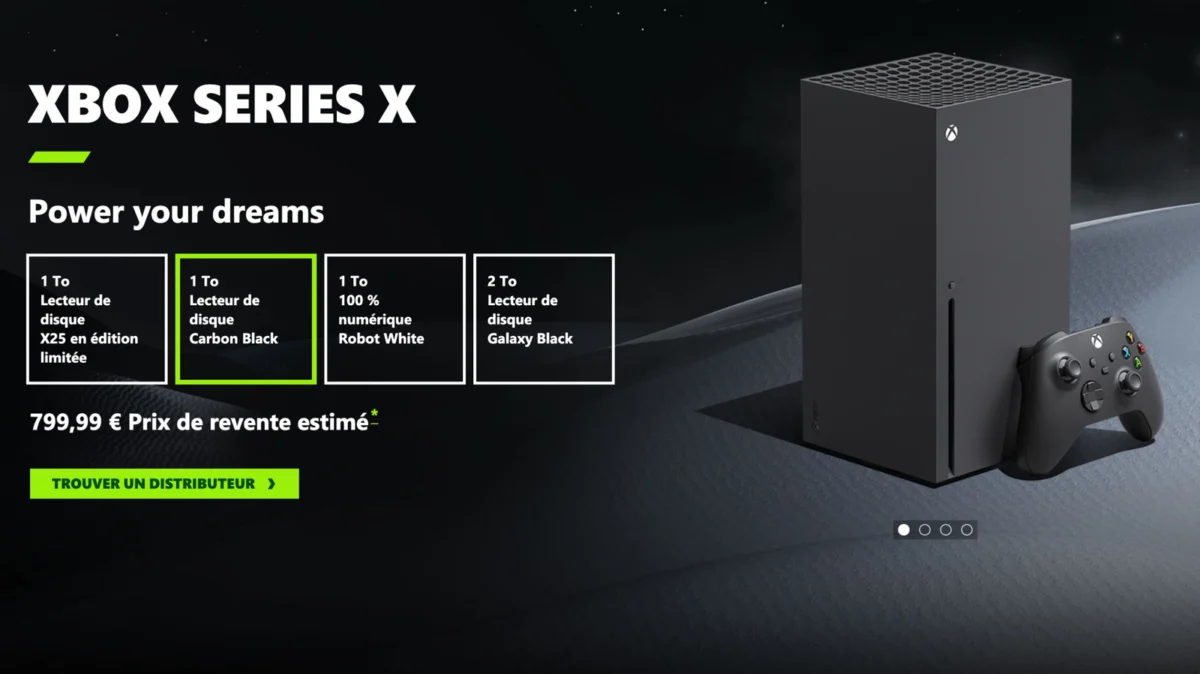
The entry-level price for an Xbox console has now been officially set at €499.99 in the European Union and £429.99 in the United Kingdom, marking a significant escalation in hardware costs for consumers across these key regions. This adjustment, effective from August 1st, 2023, reveals a disproportionately steeper increase for European and UK residents compared to their counterparts in the United States, where Microsoft had previously announced more modest price revisions. While US consumers saw increases ranging from $100 to $150 depending on the Xbox model, European Union residents are now confronted with a substantial hike of €150 to €200, and UK buyers face an additional £130 to £170 for both the Xbox Series S and Series X. This divergence in pricing strategy underscores the complex economic pressures and regional market dynamics currently influencing the global technology and gaming industries.
Disproportionate Regional Impact on Console Pricing
The updated Xbox store pages clearly reflect the new pricing structure, which places a considerable burden on European consumers. The initial announcement by Microsoft in June had detailed price adjustments for the US market, specifying increases that, while notable, did not reach the magnitude now observed across the Atlantic. For instance, the US price for the Xbox Series X increased from $499.99 to $549.99, and the Xbox Series S rose from $299.99 to $349.99, representing increases of $50 and $50 respectively, which is within the $100-$150 range when considering specific models. However, the European market is grappling with a far more aggressive repricing. A €150 to €200 increase for EU residents means that, assuming original launch prices of €299.99 for the Series S and €499.99 for the Series X, these consoles could now potentially retail for €449.99-€499.99 and €649.99-€699.99, respectively. Similarly, UK residents, facing an increase of £130 to £170, would see potential new prices of £379.99-£419.99 for the Series S (from £249.99) and £579.99-£619.99 for the Series X (from £449.99). The original article indicated "The entry-level price for an Xbox now starts at 499.99€/£429.99," which, if referring to the Xbox Series S, implies a significant increase placing it closer to the Series X’s former price point, or it could signify a new baseline for the Series X in specific configurations. This significant jump effectively translates to an entry-level Xbox console costing European customers closer to the equivalent of $575, a stark contrast to the US market’s adjusted prices.
Understanding the Rationale: A Global Economic Headwind
Microsoft’s decision to implement these substantial price hikes is primarily attributed to a confluence of global economic factors that have been impacting the technology sector for several years. The company has consistently cited rising component costs, persistent supply chain disruptions, and inflationary pressures as the main drivers behind these adjustments. Specifically, the escalating prices of storage and memory components have been a recurring theme in official statements. In its June blog post, Microsoft explicitly warned that it anticipated storage and memory prices to "double once again," signaling an ongoing and worsening trend in the cost of essential hardware elements.
The broader context includes the lingering effects of the global semiconductor crisis, which began during the COVID-19 pandemic and has continued to strain the production and availability of electronic components. While the most acute phase of chip shortages has somewhat eased, the underlying cost structure for manufacturing and procuring these vital parts remains elevated. Furthermore, the European market, in particular, has been contending with additional economic headwinds, including higher energy costs, a depreciating Euro against the US dollar, and persistent inflation that has outpaced many other developed economies. These factors collectively contribute to a higher cost of doing business, manufacturing, and distributing goods within the EU and UK, justifying, from a corporate perspective, the steeper price adjustments seen in these regions.
A Chronology of Price Adjustments in the Gaming Industry
The recent Xbox price increases are not an isolated event but rather part of a broader trend sweeping across the gaming industry, signaling a new era of higher hardware costs.
- June 2023: Microsoft formally announced its intention to increase Xbox console prices in various markets, with the US price adjustments being the first to be detailed. This announcement set the stage for the global repricing strategy.
- August 1st, 2023: The new, higher prices for Xbox Series S and X consoles officially took effect across European Union and United Kingdom markets, solidifying the new financial landscape for consumers.
- August 2022: Sony Interactive Entertainment initiated a similar wave of price increases for its PlayStation 5 console across numerous international markets, including Europe, the UK, Japan, China, Australia, Mexico, and Canada. This move predated Microsoft’s announcement by nearly a year, indicating a shared challenge in managing rising costs.
- Ongoing: Nintendo, while not explicitly raising the price of its Switch hardware, has subtly adjusted its pricing strategy for first-party digital and physical games, often charging different prices across regions or platforms, reflecting a similar need to optimize revenue in a challenging economic climate.
This timeline illustrates that console manufacturers are collectively grappling with an environment where maintaining previous price points has become economically unfeasible. The synchronous nature of these adjustments across major players like Sony and Microsoft points to systemic pressures rather than individual corporate decisions alone. Historically, console prices tend to decrease over a console’s lifecycle, making these mid-generation price increases a significant departure from established industry norms and a clear indicator of unprecedented economic conditions.
An Industry-Wide Phenomenon and Market Reactions
The fact that both Sony and Nintendo have also announced price adjustments for their respective products lends significant weight to Microsoft’s claims regarding escalating component costs and economic pressures. Sony’s PlayStation 5 price hike, implemented in August 2022, saw the standard PS5 with a disc drive increase by €50 in Europe (from €499.99 to €549.99) and £30 in the UK (from £449.99 to £479.99). The PS5 Digital Edition also saw corresponding increases. This prior move by Sony set a precedent and demonstrated the industry’s shared vulnerability to global economic headwinds. Nintendo, while focusing more on software pricing strategies, has also navigated these turbulent waters, indicating that no major console manufacturer is immune.
These industry-wide price adjustments have naturally elicited varied reactions. Consumers, already facing a cost-of-living crisis in many parts of Europe, have expressed disappointment and concern over the increased barrier to entry for new gaming hardware. For many, console gaming represents an accessible form of entertainment, and these price hikes threaten to make it less so. Retailers, on the other hand, must adjust their inventory and marketing strategies to accommodate the new pricing, potentially impacting sales volumes in the short term. Analysts generally acknowledge the underlying economic justifications but also monitor the potential impact on market growth and consumer adoption rates. The cumulative effect of these increases across all major platforms could lead to a slowdown in hardware sales, particularly in regions most affected by inflation.
Deeper Dive into Supporting Data and Market Dynamics
The economic context surrounding these price hikes is crucial for a comprehensive understanding. In 2023, the Eurozone experienced persistent inflation, with rates often hovering above the European Central Bank’s target, driven by energy costs and supply chain issues. Similarly, the UK has faced some of the highest inflation rates among developed nations, severely impacting consumer purchasing power. The depreciation of both the Euro and the Great British Pound against the US Dollar further exacerbates the situation for companies like Microsoft, which incur many of their manufacturing and component costs in USD. When converting these costs back to local currencies, the expense becomes significantly higher, necessitating steeper price adjustments in non-US markets to maintain profit margins.
While specific, detailed price charts for each Xbox model in the EU and UK were not provided in the original content, the stated ranges of increases (€150-€200 for EU, £130-£170 for UK) clearly indicate a substantial shift. To put this in perspective, an increase of €200 on an Xbox Series X, which previously retailed for €499.99, represents a 40% jump in price. Such a significant percentage increase is far beyond typical inflationary adjustments for consumer electronics.
The implications for market share and consumer behavior are complex. Higher console prices might encourage some consumers to defer their purchase, seek out older generation consoles, or explore alternative gaming platforms like PC gaming, which offers more modularity and often a wider range of price points. It could also bolster the appeal of cloud gaming services or subscription models like Xbox Game Pass, which offer access to a vast library of games for a recurring fee, potentially offsetting the high upfront hardware cost. However, the initial investment in a console remains a significant hurdle.
Microsoft’s Official Stance and Future Outlook
Microsoft’s official communications have consistently framed these price adjustments as a necessary response to an "evolving competitive landscape" and "significant macroeconomic pressures." Phil Spencer, Head of Xbox, has previously stated the company’s commitment to delivering value but acknowledged the need to reflect rising costs. The June blog post, which foreshadowed the European price hikes, explicitly mentioned the expectation of further doubling in storage and memory prices. This forward-looking statement suggests that the current price increases may not be the last, and consumers could face even higher hardware costs in the future if these component price trends continue.
This outlook presents a challenging scenario for both Microsoft and its consumers. The company must balance the need for profitability with maintaining affordability and market competitiveness. The strategy of increasing console prices while simultaneously investing heavily in subscription services like Game Pass indicates a potential shift in the company’s business model, where the long-term value lies more in recurring service revenue than in initial hardware sales.
Consumer Impact and Broader Implications
The most direct impact of these price increases is on the consumer. The higher entry barrier for new Xbox consoles means that a significant portion of the market, particularly younger demographics or households with tighter budgets, may find it harder to access the latest gaming technology. This could lead to extended lifecycles for older consoles, increased demand for pre-owned units, or a greater reliance on gaming via other devices.
From a broader industry perspective, the sustained increase in hardware costs could accelerate the shift towards digital distribution and subscription-based gaming models. If the upfront cost of a console becomes prohibitive, the "value proposition" of services like Xbox Game Pass, which offers hundreds of games for a monthly fee, becomes even more compelling. This could reshape how consumers engage with gaming, prioritizing access over ownership. Retailers, who often rely on new console launches to drive foot traffic and accessory sales, may need to adapt their strategies, potentially focusing more on bundles, financing options, or emphasizing the value of software and services.
Furthermore, the implications extend to game developers. A smaller or slower-growing install base due to higher console prices could impact software sales projections, potentially influencing development budgets and the types of games studios choose to produce. Developers might increasingly target platforms with larger, more accessible user bases or focus on games that thrive within subscription models.
In conclusion, the substantial price increases for Xbox consoles in Europe and the UK represent a significant recalibration of hardware costs in the gaming industry. Driven by a complex interplay of global economic pressures, escalating component prices, and regional market dynamics, these adjustments reflect an unavoidable reality for console manufacturers. While Microsoft, alongside Sony and Nintendo, navigates this challenging economic landscape, consumers face a new era of higher entry costs for premium gaming hardware, with uncertain implications for market growth, consumer behavior, and the future evolution of the gaming ecosystem.