Metty Iskandar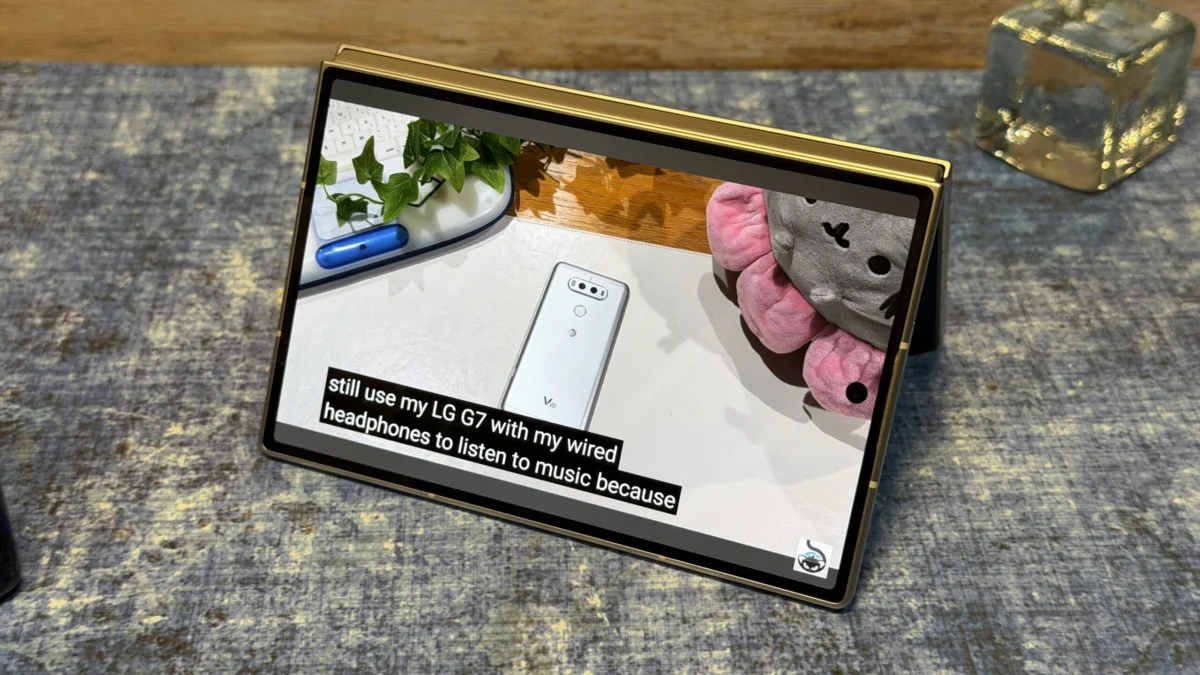
The recent unveiling of the Samsung Galaxy Z Fold 8 has generated significant buzz within the tech community, not just for its iterative hardware upgrades but for a fundamental redesign of its signature hinge mechanism. This alteration, which has led to the discontinuation of the much-lauded "Flex Mode" on the standard Fold 8 model, has sparked debate among enthusiasts and critics alike. However, a closer examination reveals that this strategic shift by Samsung may represent a calculated evolution in foldable user experience, prioritizing seamless interaction and content immersion over a feature that, for many, had become a secondary convenience.
The Galaxy Z Fold 8 was initially anticipated to offer a compelling proposition with its wider 16:10 cover screen and 4:3 main display aspect ratios. These dimensions were pegged to enhance widescreen content consumption and contribute to a more compact form factor when the device is closed. While initial impressions of the specifications, including a slightly reduced battery capacity and a dual rear-camera system, did not raise significant alarms, the reported absence of Flex Mode from the standard Fold 8 model initially caused consternation. Flex Mode, a hallmark of previous Samsung foldables, allowed users to prop up their devices like a miniature laptop, leveraging a combination of hardware that held the hinge at fixed angles and software optimized for split-screen functionality. This feature, particularly popular for media consumption on tables or desks, had become a preferred method of interaction for many users since its introduction with the Galaxy Z Flip 3. The decision to omit it from the Galaxy Z Fold 8, especially when retained by the premium Galaxy Z Fold 8 Ultra, raised questions about potential market segmentation and user experience compromises.
The Evolution of the Foldable Hinge: A Strategic Departure
Flex Mode’s functionality was predicated on the ability of the hinge to lock securely at various angles, enabling a stable, laptop-like posture. This allowed for innovative software implementations, such as dedicating the lower half of the screen to media controls or transforming it into a virtual trackpad, while the upper half displayed content. The Galaxy Z Fold 8’s exclusion of this capability was initially perceived by some as a move to differentiate it from the more feature-rich Galaxy Z Fold 8 Ultra, potentially frustrating buyers of the standard model.
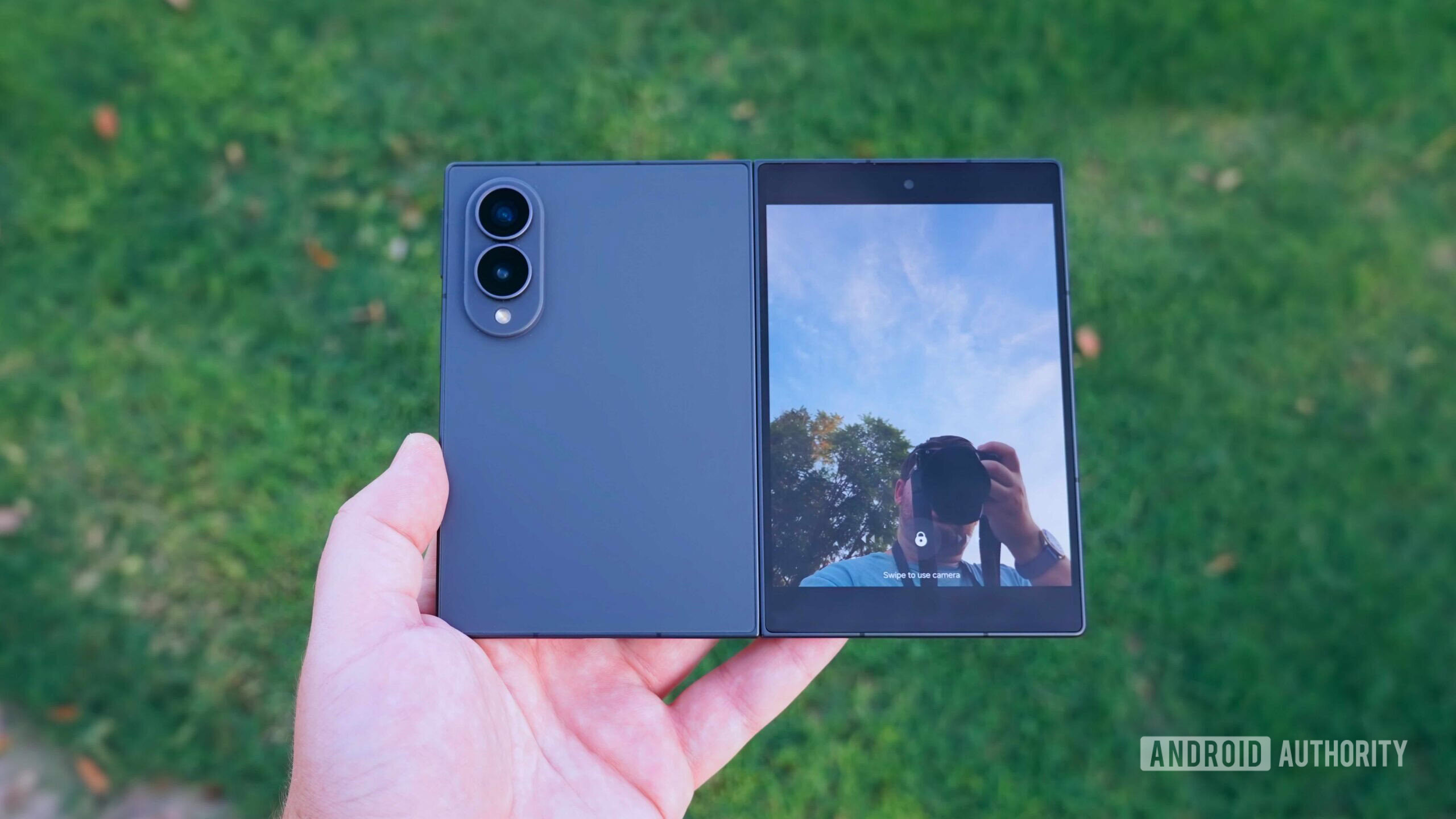
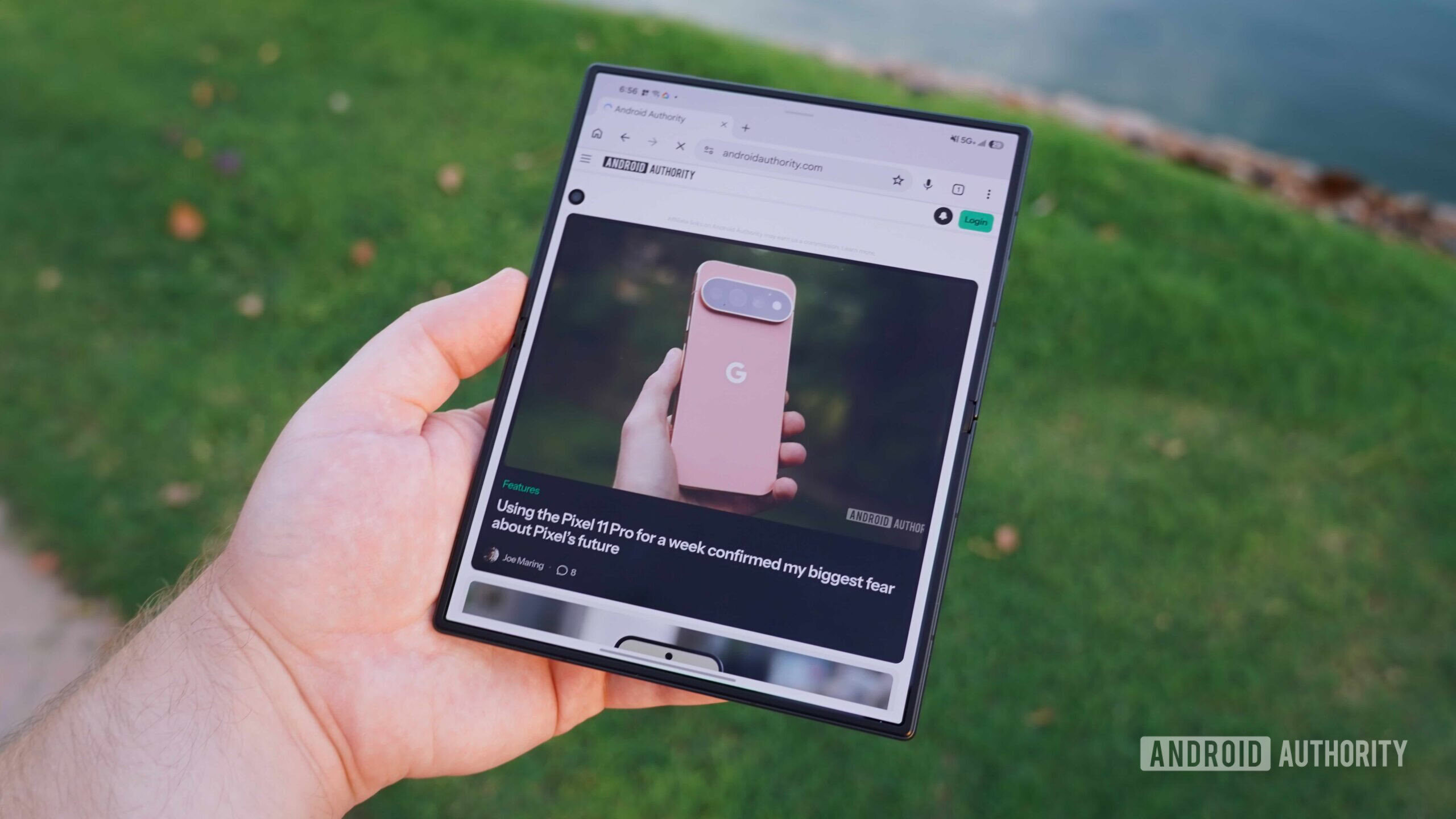
However, Samsung’s official statements and the hands-on experience with the device suggest a more nuanced reason: a fundamental redesign of the hinge itself. The company has emphasized a new, titanium-based display structure, refined hinge mechanics, and the integration of magnetic force. Samsung claims these advancements collectively contribute to a folding experience that is "smoother, lighter, and more natural." This engineering philosophy appears to prioritize an effortless transition between the folded and unfolded states, aiming to encourage more frequent and intuitive use of the main, larger display.
The practical implication of this new hinge is a significantly easier unfolding process. Users now initiate the unfolding motion, but the hinge mechanism takes over for the latter portion of the movement. Approximately three-quarters of the way through the unfolding arc, the hinge engages with a subtle yet decisive snap, completing the transition to the fully open state. This transition is described by users as feeling akin to a car’s steering wheel returning to center after a turn – the user initiates the action, but the mechanism handles the final, effortless return. This design choice suggests a move away from the rigid, fixed-angle stability of Flex Mode towards a more fluid and responsive user interaction.
Reimagining Interaction: The "Tent Mode" Alternative
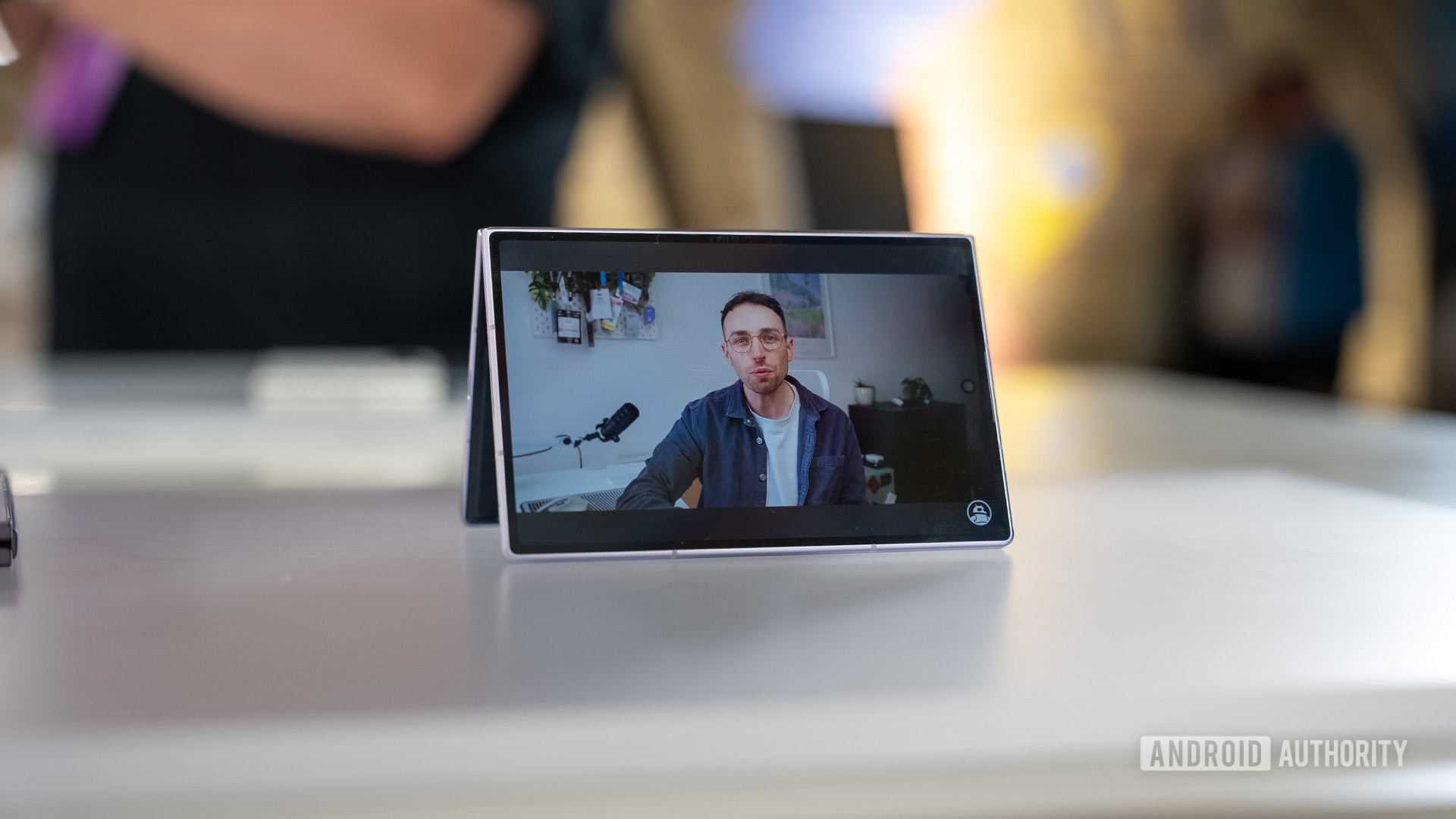
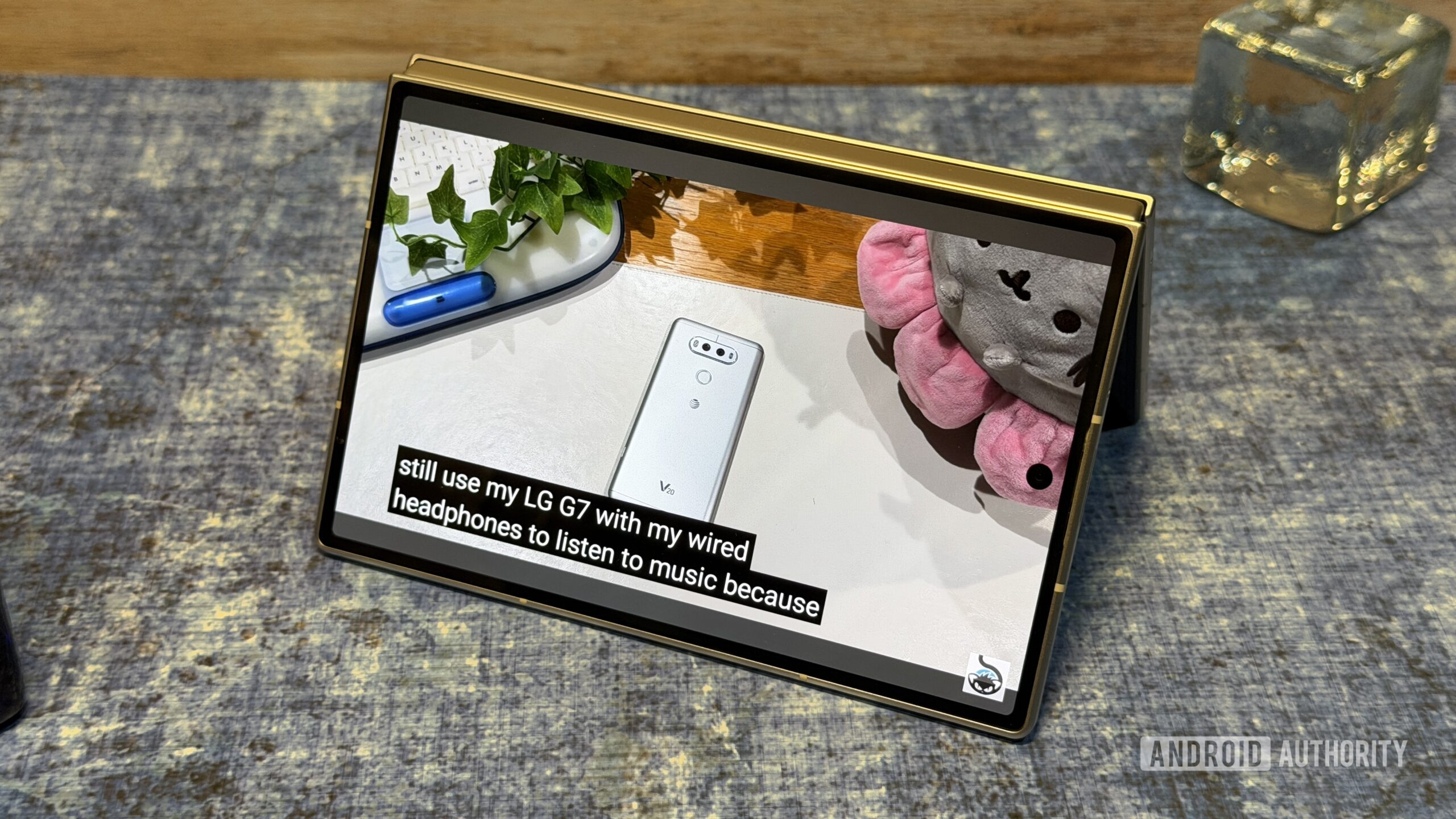
While the absence of Flex Mode might be a point of contention for some, the Galaxy Z Fold 8 introduces a viable and arguably more stable alternative for upright media consumption: "tent mode." This method involves partially unfolding the device and resting it on a flat surface, allowing the cover screen to be viewed at an optimal angle. This approach effectively replicates the core benefit of Flex Mode for watching videos without requiring the hinge to lock at specific angles.
The advantage of tent mode on the Galaxy Z Fold 8, as highlighted by early users, lies in its inherent stability. The device’s form factor, combined with the new hinge’s smooth operation, allows for a secure placement that minimizes the risk of the device collapsing. This contrasts with earlier models, where the thin profile and the reliance on precise hinge angles for Flex Mode could sometimes lead to instability, especially when combined with the protruding camera modules. Furthermore, users can now place the device on surfaces without the concern of scratching the cover screen, a common apprehension with Flex Mode’s reliance on direct contact.
While tent mode does not replicate the integrated software features of Flex Mode, such as virtual trackpads or dedicated media controls, the author suggests that the minor inconvenience of tapping the screen for playback management is a worthwhile trade-off for the enhanced stability and the overall improved user experience. The primary draw of the Galaxy Z Fold 8, according to this perspective, is its wider cover screen, which offers a near-perfect aspect ratio for widescreen content without requiring excessive zooming, thereby maximizing immersion.
The Broader Implications for the Foldable Market
The strategic decision to modify the hinge and streamline the unfolding experience on the Galaxy Z Fold 8, even at the cost of Flex Mode, signals a potential shift in Samsung’s approach to foldable design. It suggests a prioritization of core user interactions that are frequently employed by a majority of users. The ease of opening the device directly encourages more frequent use of the main folding display, transforming it from a feature that requires deliberate effort into an immediate and accessible interface.
This emphasis on intuitive access and seamless transitions could be a critical factor in driving wider adoption of foldable technology. Historically, the perceived friction in opening and using the main screen of foldables has led many users to default to the cover screen for everyday tasks. By reducing this friction, Samsung aims to unlock the full potential of the larger display, making it a more integral part of the daily mobile experience. The $1,899 price point of the Galaxy Z Fold 8, while substantial, is framed as being more justifiable when the device’s core functionality—its expansive folding screen—is readily and effortlessly accessible.
The continued inclusion of Flex Mode on the Galaxy Z Fold 8 Ultra and the Galaxy Z Flip 8 acknowledges that the feature still holds value for specific user segments. The Ultra model, positioned as a productivity powerhouse, benefits from Flex Mode’s multitasking capabilities. The Flip series, with its distinct form factor, finds Flex Mode to be a natural extension of its compact design. However, for the standard Fold 8, which leans more towards content consumption and general use, the new hinge design and the "tent mode" alternative appear to be a more pragmatic and user-centric evolution.
A Glimpse into the Future of Foldable Innovation
The evolution of the Samsung Galaxy Z Fold series, particularly with the changes introduced in the Galaxy Z Fold 8, underscores the dynamic nature of foldable technology. The initial iterations focused on establishing the core functionality and exploring various use cases, including Flex Mode. As the technology matures, manufacturers are increasingly refining these experiences, prioritizing the most impactful user interactions.
The narrative surrounding the Galaxy Z Fold 8 suggests that Samsung is moving beyond simply offering novel features to truly integrating the foldable form factor into the daily lives of its users. The improved hinge mechanism, while seemingly a minor hardware adjustment, has a profound impact on how users engage with their devices. By making the act of unfolding and using the main screen more natural and less of a deliberate action, Samsung is paving the way for a future where the distinction between traditional smartphones and foldables becomes increasingly blurred, with foldables offering a compelling upgrade path for a broader audience. The company’s continued investment in this technology, evidenced by the ongoing research and development into display structures and hinge mechanics, signals a strong commitment to shaping the future of mobile computing. The Galaxy Z Fold 8, with its innovative hinge, stands as a testament to this forward-thinking approach, prioritizing a seamless and intuitive user experience that could ultimately define the next era of smartphones.