George Chandra Eka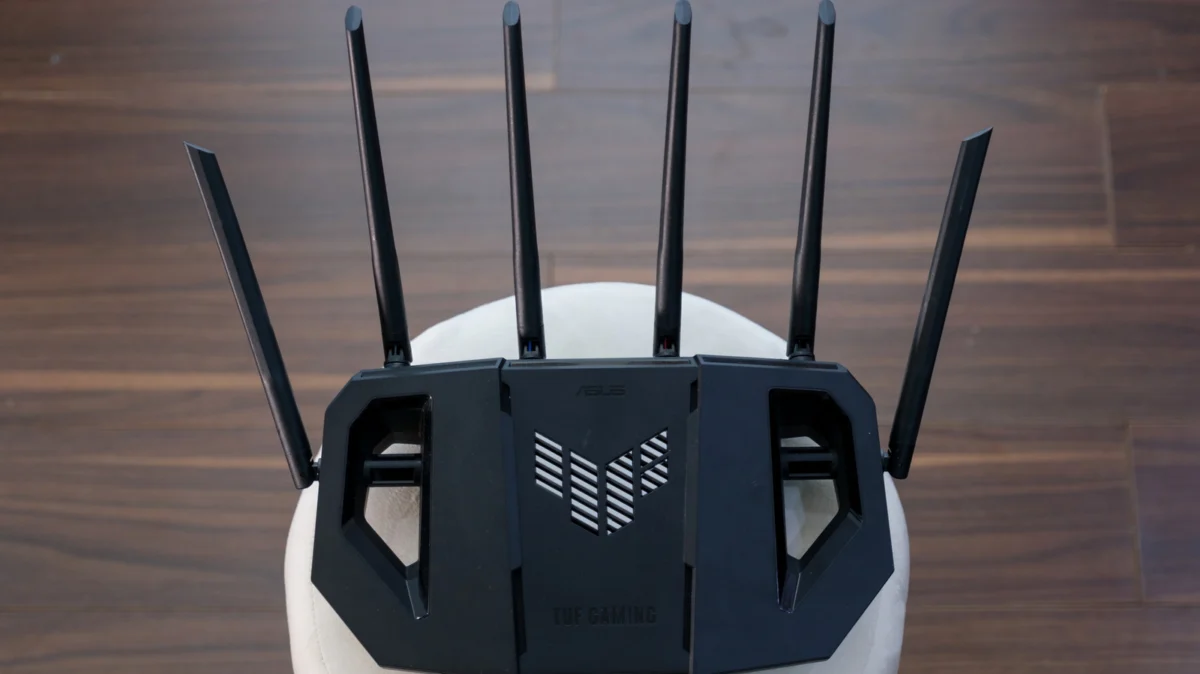
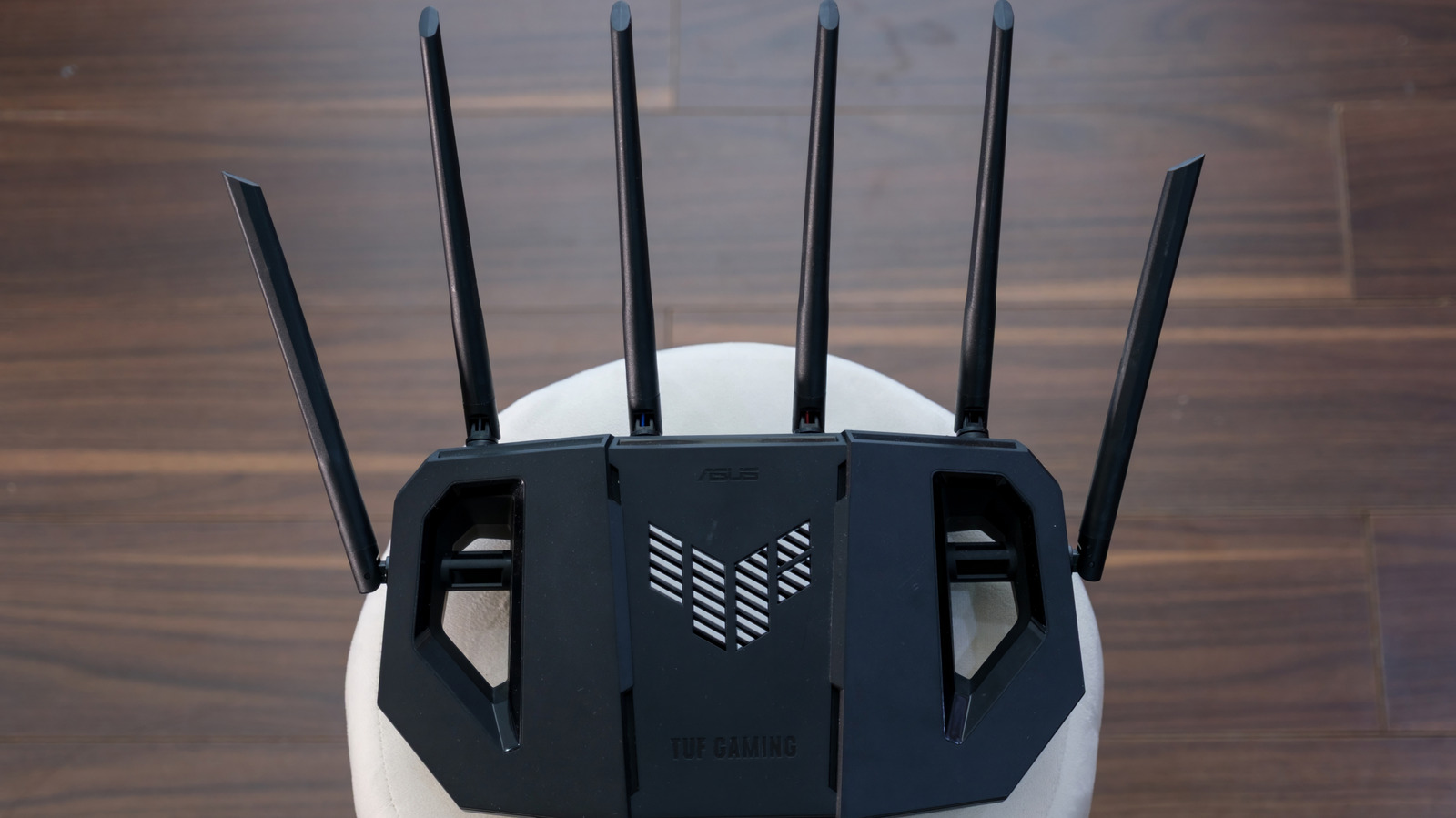
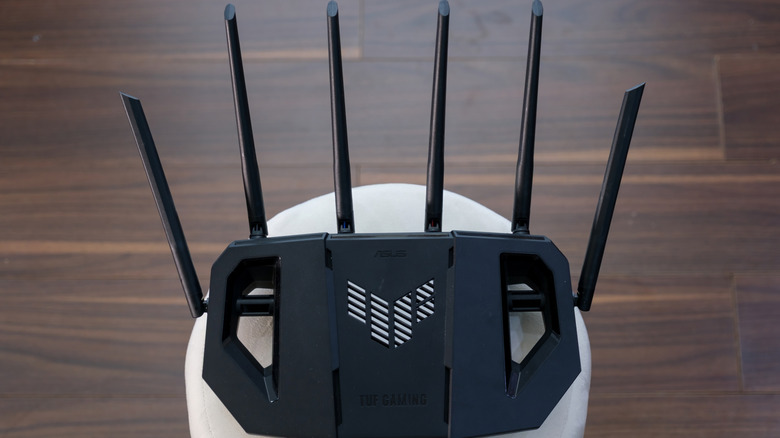
Not so many decades ago, in much simpler and slower times, many Wi-Fi routers shipped with just a single antenna that could only handle one wireless data stream at a time. As Wi-Fi capabilities advanced, internet speeds dramatically increased, and the proliferation of internet-connected devices across households and businesses surged exponentially. Consequently, the number of antennas on routers mirrored this evolution, with contemporary models often featuring as many as eight or even more external antennas. While the striking appearance of these multi-antenna devices might initially suggest a marketing ploy, there are profound technological reasons underpinning this design shift. The transition from rudimentary single-antenna systems to sophisticated multi-antenna arrays is a direct response to the escalating demands for faster, more reliable, and higher-capacity wireless networks, driven by innovations such as Multiple-Input, Multiple-Output (MIMO) technology.
The Evolution of Wireless Communication: From Single Streams to Multi-Lane Highways
The early days of Wi-Fi, primarily defined by standards like 802.11b and 802.11g in the late 1990s and early 2000s, were characterized by modest bandwidth and limited device support. A single-antenna router, operating on a Single-Input, Single-Output (SISO) system, could indeed suffice when the primary online activities revolved around email, basic web browsing, and infrequent file downloads. This setup was analogous to a single-lane road in a sparsely populated town; traffic flowed smoothly because the demand was low. However, as the digital landscape transformed, encompassing high-definition video streaming, online gaming, cloud computing, and a burgeoning ecosystem of smart home devices, the single-lane approach became a severe bottleneck. The burgeoning data traffic quickly led to congestion, buffering, and frustratingly slow connections, necessitating a fundamental rethinking of wireless communication architecture.
The critical turning point arrived with the introduction of MIMO technology, a revolutionary concept that enabled wireless devices to send and receive multiple data streams simultaneously using multiple antennas. Far from being a mere aesthetic enhancement, the integration of multiple antennas became a functional imperative. Without the underlying intelligence of MIMO, simply adding more antennas could, counterintuitively, introduce more problems than solutions, as uncoordinated signals might interfere with each other. MIMO transformed the single-lane road into a multi-lane superhighway, drastically increasing the capacity and efficiency of Wi-Fi networks. This technological leap, first widely adopted in the 802.11n standard, paved the way for the sophisticated routers we see today, with their often futuristic, alien-spider-like designs that are a testament to advanced engineering rather than mere showmanship.
MIMO: The Cornerstone of Enhanced Wi-Fi Performance
At its core, MIMO allows routers with multiple antennas to carry significantly more data through a technique known as spatial multiplexing. Imagine a router equipped with several antennas and corresponding internal radio chains. Instead of sending all data through one path, MIMO intelligently divides the data into separate streams, each transmitted and received simultaneously by different antennas. This parallel processing effectively multiplies the data throughput without requiring additional frequency spectrum. The more antennas a router possesses, coupled with the requisite internal hardware to manage these data paths, the more spatial streams it can support, leading to higher theoretical maximum speeds.
For instance, a router might be described as "2×2 MIMO" or "4×4 MIMO," indicating the number of transmit and receive antennas/streams it supports. A 4×4 MIMO router, therefore, can handle four distinct spatial streams simultaneously, offering a substantial boost in bandwidth compared to a 2×2 system. This capability is paramount in environments with high data demands, where multiple users are streaming high-bandwidth content concurrently. The transition from SISO to MIMO marked a paradigm shift, fundamentally redefining the performance ceiling for Wi-Fi networks and enabling the rapid proliferation of data-intensive applications.
Precision and Reliability: The Role of Beamforming and Signal Diversity
Beyond merely increasing data throughput, multiple antennas empower routers with two other critical capabilities: beamforming and signal diversity.
Beamforming is a sophisticated technique that allows a router to intelligently direct its Wi-Fi signal towards a specific client device rather than broadcasting it uniformly in all directions. To visualize this, consider several people simultaneously tossing pebbles into a pond at precisely timed intervals. By coordinating their throws, the ripples can constructively combine to create a stronger, more focused wave at a chosen point, while remaining weaker elsewhere. Similarly, a multi-antenna router coordinates the phase and amplitude of signals transmitted from each antenna. These carefully timed signals combine constructively at the location of the target device, enhancing the signal strength and quality specifically for that device. Conversely, the signals can destructively interfere in other directions, effectively reducing interference for other devices and improving overall network efficiency. The more antennas a router has, the greater its precision and effectiveness in forming these directed beams, leading to extended range, improved connection stability, and higher speeds for client devices, especially those at the edges of the network’s coverage area. A lone antenna, by contrast, has no other signals to coordinate with and therefore cannot perform beamforming. This technology is a cornerstone of modern Wi-Fi standards, including 802.11n, 802.11ac, and 802.11ax.
Signal Diversity and Reliability are equally crucial benefits derived from multiple antennas. In real-world environments like homes and offices, Wi-Fi signals rarely travel in a direct line-of-sight path to the recipient. Instead, they bounce off walls, furniture, metal objects, appliances, and even people, creating multiple reflected paths (a phenomenon known as multipath propagation). While multipath can cause destructive interference and signal degradation in SISO systems, multiple antennas can cleverly harness it. By positioning antennas at different spatial locations, a router can receive slightly different versions of the same signal via various reflective paths. Even if one antenna receives a weak or corrupted signal due to interference or obstruction, another antenna might capture a cleaner, stronger version. The router’s internal processing can then combine these diverse signals to reconstruct a more robust and reliable overall signal. This spatial diversity significantly enhances the router’s ability to maintain a stable connection, reduce packet loss, and improve performance, particularly in challenging environments prone to physical obstructions and interference.
Multi-User MIMO (MU-MIMO): A Leap Towards True Simultaneous Connectivity
The evolution of MIMO led to an even more advanced iteration: Multi-User Multiple-Input, Multiple-Output (MU-MIMO). Prior to MU-MIMO, even with standard MIMO, routers traditionally served devices in a sequential, "round-robin" fashion. Although data streams could be multiplexed, the router would still communicate with one device at a time, rapidly cycling between connected clients. While this was fast enough for many applications, it created latency and reduced efficiency in congested networks.
MU-MIMO revolutionizes this by allowing a router to communicate with multiple compatible client devices simultaneously. It achieves this by intelligently splitting its available spatial streams among several devices, effectively enabling parallel conversations. For example, a 4×4 MU-MIMO router might communicate with two 2×2 devices or four 1×1 devices at the same time. This capability is particularly impactful in households teeming with smartphones, tablets, laptops, smart TVs, and IoT gadgets, or in busy office environments and public spaces like cafés. By reducing waiting times and improving overall network efficiency, MU-MIMO significantly enhances the user experience, especially under heavy network load.
MU-MIMO was initially introduced with Wi-Fi 5 (802.11ac Wave 2) for downlink transmissions (router to device) and further refined and expanded in Wi-Fi 6 (802.11ax) to include both uplink and downlink capabilities, utilizing more advanced scheduling and orthogonal frequency-division multiple access (OFDMA) techniques to manage multiple users more efficiently. This technology is a cornerstone of high-density wireless networks, ensuring that as more devices connect, the network remains responsive and performant.
Beyond Antenna Count: The Holistic View of Wi-Fi Performance
While the number of antennas is a critical factor, it is only one component of a router’s overall performance. A truly high-performing Wi-Fi network relies on a synergy of several interconnected elements:
Wi-Fi Standards: The underlying Wi-Fi standard (e.g., 802.11n, 802.11ac, 802.11ax/Wi-Fi 6, 802.11be/Wi-Fi 7) plays an equally, if not more, significant role. Each new standard introduces a host of improvements, including wider channels, higher modulation schemes (e.g., 1024-QAM, 4096-QAM), more efficient spectrum utilization (like OFDMA in Wi-Fi 6), and support for new frequency bands (like 6 GHz in Wi-Fi 6E and Wi-Fi 7). A router with eight antennas running an older Wi-Fi standard might still be outperformed by a four-antenna router utilizing a newer, more efficient standard. For example, Wi-Fi 6 brings features like Target Wake Time (TWT) for better battery life of client devices and BSS Coloring to reduce co-channel interference, independent of antenna count.
Internal Hardware and Software: The quality of a router’s internal components—its chipset, CPU, RAM, and radio modules—is paramount. These components dictate the router’s processing power, its ability to manage multiple data streams, handle complex algorithms for beamforming and MU-MIMO, and maintain network stability under load. Furthermore, sophisticated firmware and software optimizations are crucial for efficiently allocating bandwidth, prioritizing traffic (Quality of Service, QoS), and providing robust security features. A router with numerous antennas but subpar internal processing will struggle to leverage its antenna array effectively.
Frequency Bands: Modern routers operate across different frequency bands: 2.4 GHz, 5 GHz, and increasingly 6 GHz. The 2.4 GHz band offers greater range and better penetration through obstacles but has lower bandwidth and is more susceptible to interference. The 5 GHz band provides higher speeds and capacity but with reduced range and penetration. The 6 GHz band (introduced with Wi-Fi 6E and expanded in Wi-Fi 7) offers even greater bandwidth and lower latency due to its less congested nature, but its range is the shortest. Routers often feature dedicated antennas or antenna arrays optimized for each band, balancing range, speed, and capacity. The design and tuning of these antennas are critical for optimal performance across the different spectrums.
Client Device Capabilities: The performance of your Wi-Fi network is also limited by the capabilities of your client devices (smartphones, laptops, smart home gadgets). For example, a device must support MU-MIMO to benefit from a MU-MIMO-enabled router. Similarly, a device must have antennas and internal hardware compatible with the latest Wi-Fi standards (e.g., Wi-Fi 6) to fully utilize the router’s advanced features. A router’s theoretical maximum speed means little if the connected devices cannot achieve those speeds.
How Many Antennas is "Enough"? Optimizing for Home and Business
For the vast majority of residential users, a router equipped with eight antennas is often an unnecessary extravagance. A high-quality router featuring two to four antennas, supporting a modern Wi-Fi standard like Wi-Fi 6 or 6E, typically provides more than sufficient coverage, speed, and capacity for average homes. This is especially true given that most consumer client devices (smartphones, tablets) commonly support 2×2 MIMO, meaning they can only utilize two spatial streams. Therefore, a router providing more than four streams (e.g., an 8-antenna router offering 4×4 MIMO on each band) might have excess capacity that goes largely unused by typical home devices, unless multiple high-stream devices are connected simultaneously.
While an increased antenna count might appear to offer better coverage, enabling more granular antenna adjustments to improve signal propagation, for comprehensive coverage solutions, a mesh Wi-Fi system is generally a more reliable and effective approach. Mesh networks utilize multiple interconnected nodes strategically placed throughout a home to create a seamless, pervasive Wi-Fi blanket, eliminating dead zones far more effectively than a single, powerful router, regardless of its antenna count. Industry analysts often suggest that investing in a robust mesh system or a router with the latest Wi-Fi standard and fewer, but well-engineered, antennas yields greater practical benefits for most homeowners than simply opting for the highest antenna count.
For businesses, particularly in offices, cafés, educational institutions, or other high-density environments where numerous users and devices connect concurrently, a high-capacity router with more antennas and data streams can indeed be highly advantageous. These environments demand maximum throughput and the ability to handle a large number of simultaneous connections without performance degradation. In such scenarios, routers with six, eight, or even more antennas, combined with advanced enterprise-grade features, sophisticated software, and professional network planning, are justified. They facilitate superior MU-MIMO performance, enhanced beamforming for better signal penetration in complex layouts, and robust network management capabilities.
It is also crucial to reiterate that a newer, faster-looking Wi-Fi router with more antennas will not magically increase your internet speed beyond the limits of your Internet Service Provider (ISP) plan. Your maximum internet speed is fundamentally capped by the bandwidth you subscribe to. A sophisticated router optimizes the delivery of that speed to your devices within your local network, ensuring you get the most out of your subscribed plan, but it cannot bypass that external bottleneck.
Practical Considerations and the Future Outlook
When evaluating a new router, consumers should prioritize understanding their specific needs. Consider the size and layout of your home, the number and type of devices you typically connect, and your primary online activities. For a small apartment with a few devices, a basic Wi-Fi 6 router with 2-4 antennas might be perfectly adequate. For a multi-story house with many smart home devices, a mesh system or a high-end Wi-Fi 6E/7 router might be more appropriate.
Looking ahead, the evolution of Wi-Fi technology continues to push boundaries. Wi-Fi 7 (802.11be), dubbed "Extremely High Throughput (EHT)," further refines MIMO and MU-MIMO with features like 320 MHz channel width, 4096-QAM modulation, and Multi-Link Operation (MLO), which allows devices to use multiple frequency bands simultaneously for increased speed and reliability. This ongoing innovation underscores that while antennas are fundamental, their effectiveness is intrinsically tied to advancements in wireless communication standards, sophisticated chipsets, and intelligent software. The future of Wi-Fi will likely see even more integrated antenna designs, potentially moving towards smaller, more efficient antenna-on-chip solutions, alongside continued improvements in spatial processing to deliver ever-faster, more robust, and more reliable wireless experiences. The journey from a single antenna to multi-antenna arrays is a clear demonstration of how engineering ingenuity continually adapts to meet the ever-growing demands of our interconnected world.