admin
admin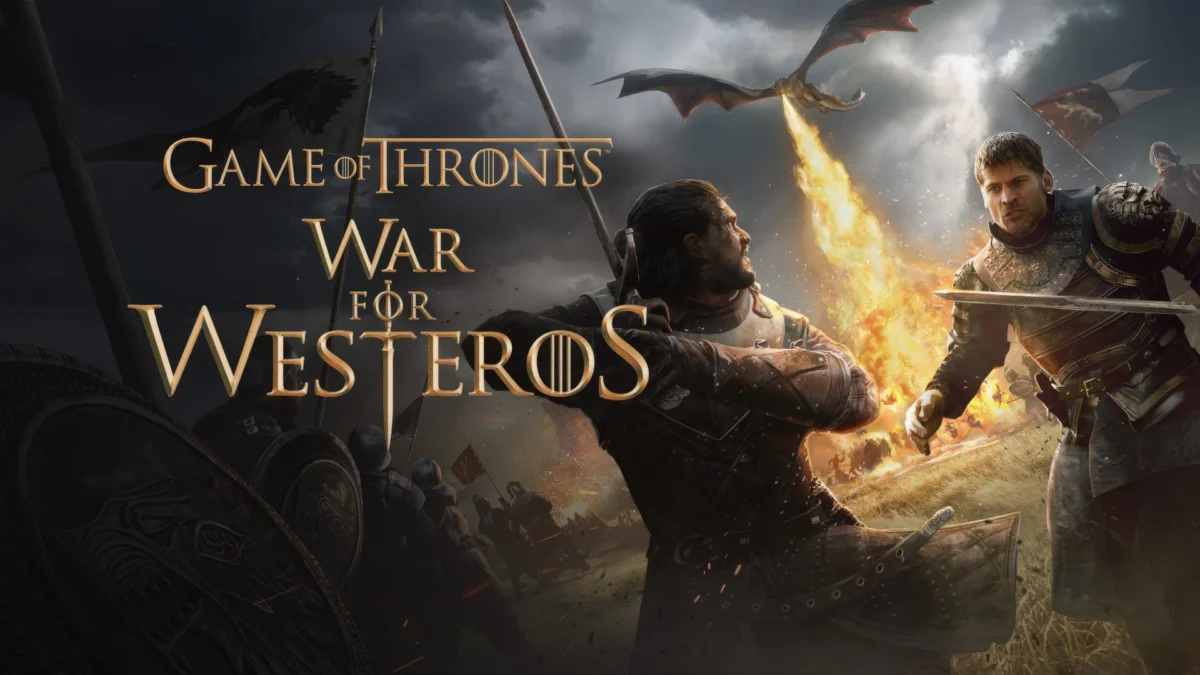
Following a high-profile appearance at Gamescom 2026, Melbourne-based PlaySide Studios has provided an exhaustive look into Game of Thrones: War for Westeros, a title that aims to redefine the real-time strategy (RTS) landscape by merging high-fidelity spectacle with the complex political and military machinations of George R.R. Martin’s universe. The presentation, which followed a significant gameplay reveal during Opening Night Live, introduced key roster additions including Arya Stark and Gregor “The Mountain” Clegane, while offering a deep dive into the mechanical underpinnings that differentiate this project from contemporary strategy titles.
Project Genesis and Strategic Development Timeline
The development of Game of Thrones: War for Westeros began in earnest in late 2024, following a licensing agreement between PlaySide Studios and Warner Bros. Discovery. According to Game Director Ryan McMahon, the project emerged from the studio’s successful tenure with Age of Darkness: Final Stand, which demonstrated their capability in handling large-scale unit simulations. Warner Bros. reportedly granted PlaySide the autonomy to select the genre they felt best suited the intellectual property, leading the team to settle on a "spectacle-first" RTS.
The development chronology highlights a deliberate pace aimed at avoiding the pitfalls of previous licensed adaptations:
- Late 2024: Licensing agreement finalized; pre-production phase initiated.
- 2025: Full-scale production begins, focusing on the proprietary simulation layer.
- Early 2026: Initial announcement and developer diaries.
- August 2026: First major gameplay reveal at Gamescom; announcement of the shift to a 2027 release window.
- Late 2026: Scheduled closed beta testing for technical scaling and community feedback.
- Early 2027: Targeted global launch on PC.
The decision to delay the game from its original 2026 target was characterized by McMahon as a commitment to quality. The studio maintains that the additional development time is necessary to bridge the gap between the complex needs of hardcore RTS enthusiasts and the narrative expectations of the broader Game of Thrones fan base.
Faction Asymmetry and Economic Innovations
At the core of War for Westeros is a commitment to radical faction asymmetry. While the foundational elements of RTS—resource gathering, base construction, and unit production—remain constant, the mechanical "wrappers" for each house are distinct. The game initially features four primary factions: House Stark, House Lannister, House Targaryen, and the White Walkers.
The Lannister faction serves as the primary example of this design philosophy. Reflecting their narrative reputation for wealth, the Lannisters utilize a unique "Debt" mechanic. This allows players to overextend their financial resources into negative values to secure immediate military advantages, provided they can manage the long-term economic repercussions. Furthermore, the Lannisters can convert gold directly into "Influence," a secondary resource used to unlock high-tier heroes, late-game research, and mercenary contracts. This includes the ability to hire the Golden Company, a mechanic limited to one active contract at a time, forcing players to make strategic choices about which specialized sellswords best suit their current tactical needs.

In contrast, the White Walkers represent a departure from traditional RTS tropes. PlaySide Studios noted that while the White Walkers are central to the saga’s lore, they are rarely depicted from a command perspective. In War for Westeros, they are presented through a "new lens," allowing players to control the relentless momentum of the undead.
The Targaryen faction focuses on late-game escalation. While they have access to iconic units like the Dothraki, Unsullied, and Second Sons, their ultimate "trump cards" are dragons. These units are designed as high-power assets that can shift the tide of a match, though they are gated behind significant resource and time investments to ensure early-game balance.
Technical Architecture and Combat Mechanics
From a technical standpoint, PlaySide Studios is utilizing Unreal Engine, though the studio has had to implement a custom deterministic simulation layer beneath the engine’s standard framework. This is a critical architectural choice for the RTS genre, as standard Unreal Engine physics are not inherently deterministic, which can lead to desynchronization in multiplayer environments. This custom layer handles pathfinding, unit movement, and simulation logic, while Unreal Engine manages the visual fidelity, abilities, and user interface.
The combat system employs a "Venn diagram" of interactions based on unit types and roles:
- Unit Type: Defines the physical nature of the unit (e.g., Infantry, Cavalry, Ranged) and its weight class (Light or Heavy). Weight determines attributes such as movement speed, armor, and impact force.
- Unit Role: Defines the unit’s specialty, such as "Anti-Cavalry."
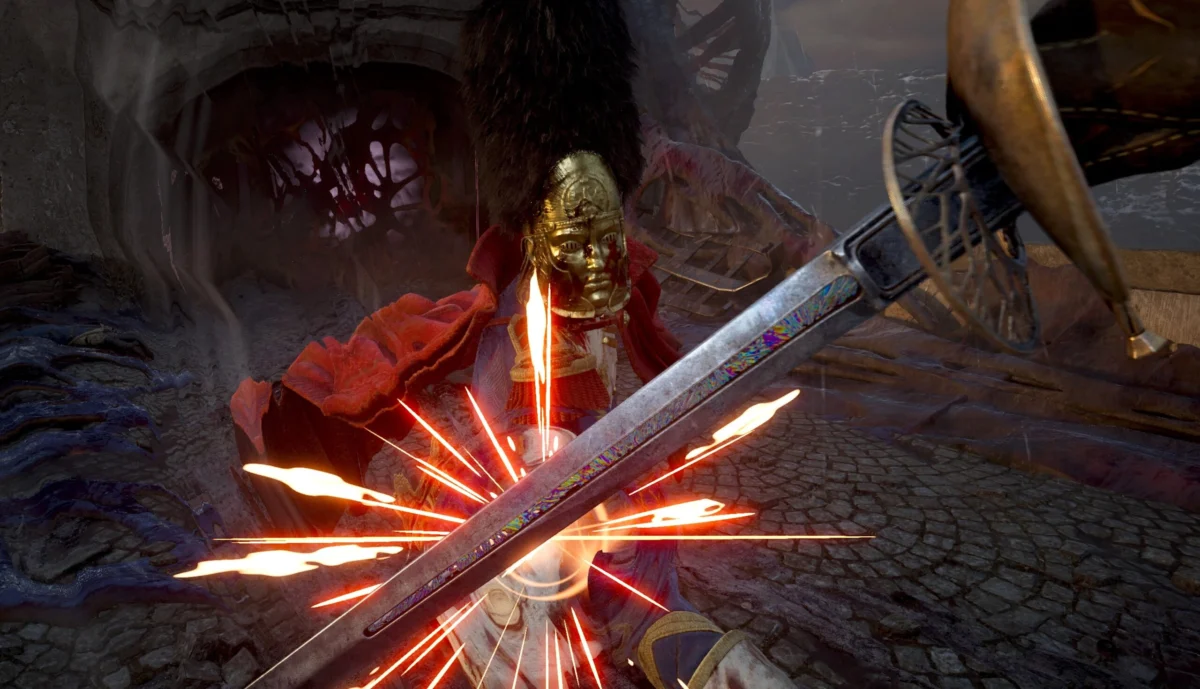
This system enables a physics-driven impact layer. For example, a heavy cavalry unit charging into light infantry will physically trample and scatter the soldiers. However, if that same cavalry charges an anti-cavalry unit with spears, the simulation triggers a "retaliation" state, causing the horses to rear up and take significant damage, effectively neutralizing the momentum of the charge.
Accessibility and the "Rule of Cool" Philosophy
A significant portion of the development effort is being directed toward lowering the entry barrier for the RTS genre, which has historically struggled with "macro-complexity." PlaySide has reduced the resource management burden to just two primary resources: Gold and Influence. By eliminating the need for complex worker micromanagement—adopting a "set and forget" approach to resource buildings—the studio hopes to allow players to focus on the tactical "spectacle" of the battlefield.
McMahon emphasized that the "Rule of Cool" often takes precedence over perfect mathematical balance. The goal is to create a "Smash Bros.-style" experience where iconic moments—such as a dragon’s breath clearing a cliffside or a hero’s intervention turning a losing battle—are the primary draw. The depth of the game is intended to be discovered through "mastery" systems rather than being a prerequisite for enjoyment.

The Sandbox Campaign and World Design
The single-player experience is structured as a sandbox campaign rather than a linear narrative. Players choose a faction and embark on a conquest of the Seven Kingdoms, with the ultimate goal of claiming the Iron Throne. This campaign is not tethered to a specific point in the Game of Thrones timeline; instead, it draws elements from various eras of the books and television series, allowing for "what-if" scenarios.
Decisions made on the overworld map directly influence the conditions of the RTS skirmishes. For instance, controlling territories adjacent to a battlefield can provide tactical advantages or resource bonuses during the fight. The campaign also features a hero-driven political layer, where players’ choices determine which members of their house survive and who ultimately sits on the throne.
The maps themselves are meticulously recreated landmarks from Westeros. Locations revealed thus far include:
- The Neck: A marshy, hazard-filled terrain that utilizes bog mechanics to impede movement.
- Ashemark: A strategic stronghold that reflects the mountainous geography of the Westerlands.
Industry Implications and Future Outlook
The development of Game of Thrones: War for Westeros arrives at a pivotal time for the RTS genre. Following a period of relative stagnation, the mid-2020s have seen a resurgence in strategy titles backed by major intellectual properties. Industry analysts suggest that the success of PlaySide’s project could signal a shift in how licensed games are handled, moving away from mobile-centric microtransaction models toward premium, high-fidelity PC and console experiences.
While the initial launch is exclusive to PC, PlaySide has confirmed that they are actively exploring controller support and potential console ports. The studio’s status as a publicly listed company in Australia adds an additional layer of scrutiny to the project’s performance, as it represents one of the most ambitious undertakings in the history of the Melbourne development scene.
As the game moves toward its late 2026 beta phase, the focus will shift to community-driven balance and technical stress testing. With its blend of asymmetrical mechanics, physics-based combat, and a "spectacle-first" philosophy, War for Westeros is positioned as a potential standard-bearer for the next generation of real-time strategy games. For fans of the franchise, it offers the first opportunity in years to engage with the military scale of the Seven Kingdoms in a format that mirrors the epic scope of the source material.