Vera Intan Clara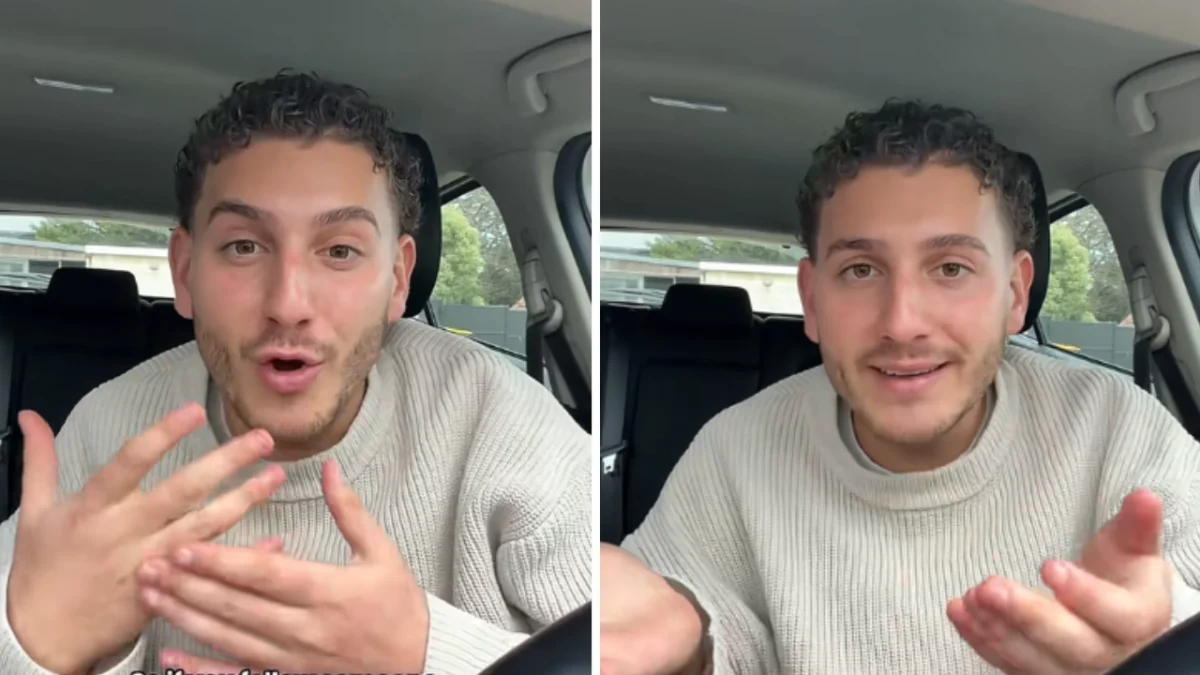
A recent video posted by TikTok user Anthony, known as @undiagnosedanthony, has sparked a significant online discourse regarding the evolving definition of unfaithful behavior in contemporary relationships. The content creator presented a comprehensive list of actions, predominantly digital, that he believes constitute infidelity, challenging traditional notions and provoking a robust debate among his followers about social media boundaries, trust, and privacy between partners. The video, which garnered considerable engagement with hundreds of comments, underscored the increasing complexity of maintaining relational integrity in an era dominated by digital interaction.
The Catalyst: Anthony’s Stance on Digital Boundaries and Trust
Anthony’s controversial pronouncements began by asserting that seemingly innocuous online behaviors could signify deeper relational issues, potentially amounting to infidelity. Central to his argument is the act of following individuals on social media platforms like TikTok, particularly if the person being followed is perceived as attractive and unknown personally to the follower. He posited that such an action, devoid of any pre-existing acquaintance, signals an interest primarily based on physical appearance, questioning the underlying motivations for such digital engagement. This perspective extends beyond mere observation, as Anthony also identified liking and commenting on the posts of these attractive, unknown individuals as further indicators of attraction or a wandering eye. According to his framework, these digital interactions are not benign but rather subtle forms of emotional or pre-infidelity engagement, hinting at a potential desire for connection outside the established relationship.
Beyond social media interactions, Anthony also addressed the issue of phone privacy, framing a partner’s refusal to grant access to their phone or a habit of hiding it as a potential red flag for infidelity. In his view, the act of concealing one’s phone or its contents from a partner transcends mere personal privacy; instead, it suggests a lack of transparency and a possible attempt to hide illicit communications or activities. This assertion directly challenges the widely held belief that individuals retain a fundamental right to digital privacy, even within intimate partnerships, suggesting that trust in a relationship should inherently negate the need for such privacy when it comes to one’s phone.
The Evolving Landscape of Infidelity in the Digital Age
The debate ignited by Anthony’s video is not isolated but rather indicative of a broader societal struggle to define and navigate infidelity in the digital age. Traditionally, infidelity was largely understood in terms of physical sexual acts outside the primary relationship. However, the advent of the internet and the proliferation of social media platforms have dramatically expanded the potential arenas for emotional and sexual transgression, leading to the emergence of concepts like "emotional cheating" and "micro-cheating."
Micro-cheating, a term that has gained traction in recent years, refers to small, seemingly insignificant actions that fall short of explicit physical infidelity but nonetheless cross a line of emotional or intimate boundaries within a relationship. These actions often involve subtle flirtations, excessive attention to others online, or maintaining secretive digital communications. Anthony’s framework, particularly his focus on following, liking, and commenting on attractive individuals’ posts, aligns closely with the concept of micro-cheating, suggesting that even passive or seemingly innocuous digital engagements can erode trust and signal disloyalty.
Research and anecdotal evidence suggest that social media platforms are increasingly cited as factors in relationship dissolution. Surveys by organizations like the American Academy of Matrimonial Lawyers have indicated that social media evidence is frequently used in divorce proceedings, highlighting the tangible impact of digital interactions on marital stability. While not all social media-related conflicts escalate to infidelity, the constant availability of potential partners and the ease of digital communication undeniably introduce new challenges for couples striving for monogamy and fidelity. The lines between friendly interaction, innocent appreciation of beauty, and inappropriate flirtation have become significantly blurred, requiring couples to engage in more explicit and nuanced discussions about their expectations and boundaries.
The Immediate Aftermath: Public Reactions on TikTok
Anthony’s video, with its bold and expansive definitions, quickly became a focal point for discussion, drawing 874 comments that reflected a wide spectrum of views. The immediate aftermath saw a clear division between those who resonated with his strict interpretation of fidelity and those who found his rules overly restrictive, bordering on insecurity.
Among those who supported Anthony’s perspective, many echoed the sentiment that certain digital behaviors, if concealed or performed in a way that would cause discomfort if witnessed by a partner, constitute a form of betrayal. One commenter succinctly articulated this by stating, "If you’re doing something that you wouldn’t do right in front of your partner, that’s considered cheating imo." This "transparency test" serves as a common heuristic for many individuals trying to delineate acceptable from unacceptable behavior. Others expressed agreement with his views on digital attention, with one person writing, "Lingering eyes drive me insane," underscoring the emotional impact of a partner’s perceived interest in others, even if only online. Personal anecdotes further bolstered these views; one user recounted their ex-husband’s social media feed being "nothing but women," despite his excuses, highlighting how digital patterns can be perceived as deeply problematic within a relationship context. Some even praised Anthony, suggesting his insights were akin to those of a "couples therapist," indicating a desire for clear, prescriptive rules in navigating the ambiguities of modern relationships.
However, a significant portion of the comments vehemently disagreed with Anthony’s assertions, labeling his views as symptomatic of insecurity rather than a healthy understanding of relationship dynamics. Critics argued that such broad definitions of cheating "water down" the serious implications of actual infidelity and impose unreasonable restrictions on individual autonomy. One particularly vocal commenter stated, "This doesn’t scream, cheating, this screams insecurity to me. I would never tell someone who they could, and could not follow. Just like I would never allow someone to tell me who I could, and could not follow." This viewpoint champions individual freedom and trust, suggesting that a relationship built on mutual confidence should not require surveillance or control over a partner’s online activities. The idea that appreciating beauty is a natural human tendency was also raised, with a commenter asking, "So people can’t just think someone else is good looking anymore? So many healthy couples will point out good-looking men and women because some people are just naturally very beautiful." These dissenting voices emphasized that trust is paramount, and if a partner cannot be trusted with social media or a phone, the fundamental basis of the relationship is already compromised.
Expert Perspectives on Digital Trust and Transparency
The complex interplay between digital behavior, trust, and fidelity is a frequent topic among relationship experts and therapists. While there is no universal consensus on what constitutes "cheating" beyond physical intimacy, many professionals emphasize the importance of open communication and mutually agreed-upon boundaries. Relationship counselors often distinguish between privacy and secrecy. Privacy, they argue, is a healthy component of individual identity and well-being, even within a committed relationship. However, when privacy morphs into secrecy – specifically, hiding information or activities that would reasonably cause a partner distress or concern – it can erode trust and signal deeper issues.
Regarding phone access, experts generally advise against forced surveillance. While some couples mutually agree to open phone policies, demanding access often stems from insecurity or a history of mistrust. A partner’s refusal to grant access, in itself, is not automatically indicative of infidelity, but it can be a symptom of a breakdown in trust or a lack of clear communication about personal space. Experts would typically suggest exploring the reason for the desire for access and the reason for the refusal, rather than immediately equating refusal with guilt.
Moreover, the intent behind digital interactions is often considered crucial. Is a "like" on an attractive person’s photo an innocent acknowledgement, or is it a deliberate attempt to engage flirtatiously? The impact of the action on the partner, regardless of intent, is also vital. If a partner feels hurt, disrespected, or anxious by an online behavior, those feelings are valid and need to be addressed through dialogue, rather than dismissed as insecurity. Many relationship therapists advocate for couples to proactively discuss and define their own "digital fidelity rules," establishing what behaviors they consider acceptable and unacceptable online. This process allows couples to create a shared understanding of commitment in the digital realm, tailored to their unique dynamics and comfort levels.
Implications for Modern Relationships
The debate sparked by Anthony’s TikTok video highlights several critical implications for modern relationships. Firstly, it underscores the increasing necessity for explicit and ongoing communication between partners about their digital lives. Assumptions about what constitutes appropriate online behavior can lead to misunderstandings and resentment, making open dialogue about social media use, online interactions, and privacy expectations more crucial than ever. Couples must collaboratively define their boundaries, understanding that what one person considers harmless, another might perceive as a profound betrayal.
Secondly, the discussion points to a societal shift in how fidelity is conceptualized. As digital platforms become integral to daily life, the scope of what constitutes "cheating" has broadened beyond traditional physical acts to include emotional and virtual transgressions. This expansion creates a more nuanced, yet also more challenging, landscape for maintaining trust and commitment. The ease with which individuals can connect with others online means that temptations and opportunities for emotional or sexual exploration are omnipresent, requiring a heightened degree of self-awareness and mutual respect within partnerships.
Finally, the debate touches upon the delicate balance between individual autonomy and relational security. While a healthy relationship fosters individual growth and privacy, it also requires a degree of transparency and mutual consideration. The tension between these two values is particularly pronounced in the digital sphere, where personal devices and online identities often feel like extensions of the self. Navigating this tension requires both partners to cultivate empathy, establish clear expectations, and prioritize the emotional well-being of the relationship without stifling individual freedom.
In conclusion, Anthony’s TikTok video, while representing a single perspective, has tapped into a pervasive and complex issue facing contemporary relationships. The discussion it generated reflects a wider societal grappling with the definition of fidelity in an increasingly digital world. Ultimately, while universal rules remain elusive, the overarching message from relationship experts and the more constructive voices in the online debate points to the indispensable role of honest, empathetic communication in establishing and maintaining trust and boundaries in the modern age. The ability of couples to navigate these digital waters together, through dialogue and mutual understanding, will be a defining characteristic of successful relationships in the 21st century.
The details presented in this article are based on the content of @undiagnosedanthony’s TikTok video and the subsequent reactions and personal experiences shared by commenters. The Daily Dot was unable to independently verify the full context behind Anthony’s statements or the specific individuals involved in the comments.