Vera Intan Clara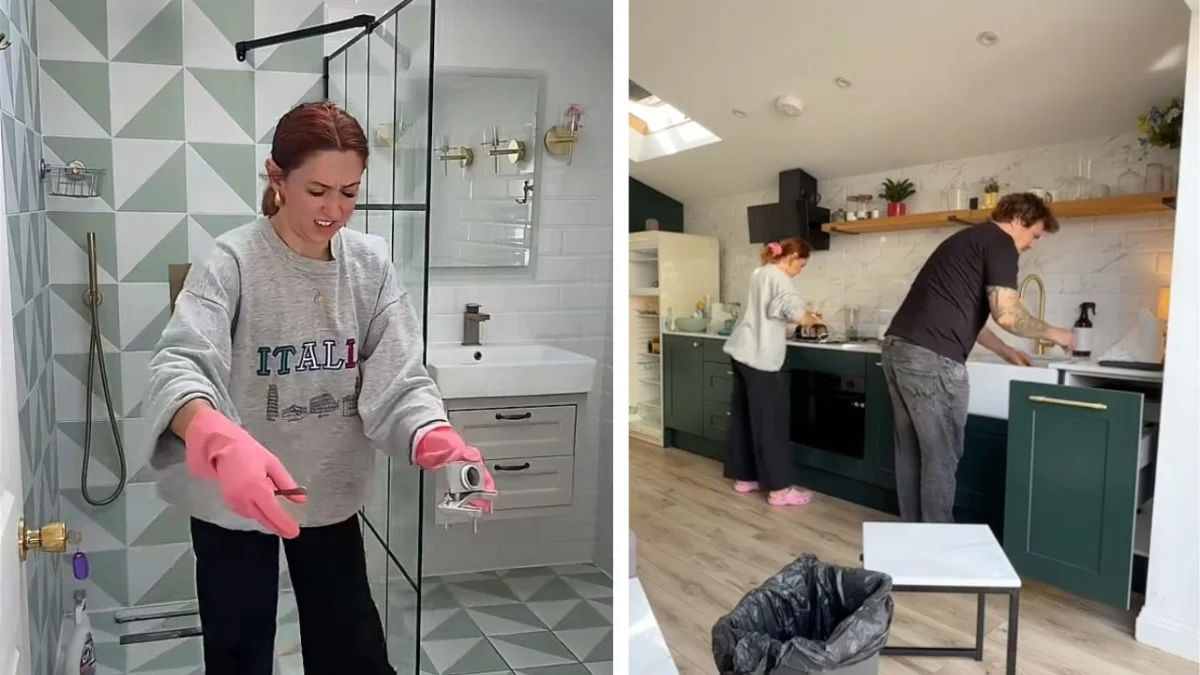
A recent incident involving an Airbnb property in what the host describes as an unprecedented level of guest misconduct has ignited a significant discussion across social media platforms regarding accountability in the short-term rental market. TikTok user @donatella_westaway posted a video detailing a harrowing experience with guests who not only extensively rearranged the entire property but also caused considerable damage and left behind what was identified as a potentially dangerous substance. The video, which quickly amassed 2.5 million views, 242,800 likes, and over a thousand comments at the time of publication, underscores the mounting frustrations faced by short-term rental hosts and the broader implications for the sharing economy.
Incident Overview: A Host’s Nightmare Unfolds
The ordeal began after a 10-day reservation at the host’s Airbnb apartment, which she stated was the first "really bad guest" experience in three years of operation. The TikTok video opens with visuals of the host and a male companion diligently cleaning the apartment, setting the scene for the extensive mess that would be revealed. The host expressed her immediate dismay, articulating that she "didn’t know where to begin cleaning the house" due to its bewildering and disarrayed state. What initially appeared to be minor displacement of small furniture items quickly escalated into the realization that nearly every item in the property, from large pieces of furniture to everyday kitchenware, had been moved from its original position. "I already had an issue with the big furniture that they moved. But then they also moved things like plates," she recounted in the viral video, illustrating the sheer scale of the rearrangement.
Beyond the extensive reordering of the apartment, the guests were also responsible for noticeable property damage. The host’s camera panned to a sofa marred with pen marks and various stains, prompting her to question the guests’ activities during their stay. Further inspection uncovered candle wax not only on a wooden table but seemingly "everywhere around the house," leading the host to speculate about some form of "ritual" involving carelessly discarded candles. The cumulative effect of these individual damages, while seemingly minor in isolation, presented a daunting task. As the host observed, "If you look at each individual thing, it’s not a big deal, but when you put it together, it’s basically putting the whole kitchen back together." The video further documented unsanitary conditions, including a refrigerator left with leftover food and considerable dirt.
However, the most alarming discovery, and one that escalated the incident beyond mere property damage, was the finding of an "acid tab" hidden within the sofa. This discovery raised immediate and severe health and safety concerns, particularly given the potential risk to children or future guests. The host explicitly stated, "These guests not only made our lives stressful but also contaminated our guest house with dangerous things which if found by a child could be a risk to their lives. This is no joke. Forget the damage, the endless things left behind and the moving of 90% of the things in the guest house. Health and safety is and will always be our no.1 priority and these people put our place at risk."
A Chronology of Disrespect: From Praise to Problematic Behavior
The sequence of events leading to the apartment’s chaotic state began with what appeared to be a promising start. Upon check-in, the guests reportedly praised the property, giving the hosts a false sense of security that their Airbnb would be well cared for. This initial positive interaction quickly dissolved. Approximately a day and a half into their 10-day stay, a loud domestic argument erupted, disturbing the peace of the property. Following this, the guests hosted friends and played loud music until 1 a.m., necessitating an intervention from the hosts who had to message them a reminder about the established quiet hours, typically between 10 p.m. and 8 a.m.
The disregard for house rules culminated on the day of checkout. The guests refused to vacate the premises for an entire hour past the designated checkout time, further exacerbating the hosts’ frustration and significantly shortening the already tight turnaround window required to prepare the property for incoming guests. Despite the extensive mess and the limited time, the host reported that she and her companion managed to clean up the entire apartment just in time for the next guest’s arrival, though it involved considerable "sweat and tears." This rushed cleaning process underscored the immense pressure hosts face to maintain service standards even in the face of egregious guest behavior. The host’s ultimate sentiment was not about financial compensation for damages, but rather a passionate plea: "I don’t even care if they are going to pay for the damages; I just want these people off Airbnb."
The Host’s Outcry and Community Support
@donatella_westaway’s TikTok post resonated deeply with the online community, particularly other Airbnb hosts and frequent travelers. The comments section quickly filled with a deluge of supportive messages, shared experiences, and advice. Many commenters expressed solidarity with the host, lamenting similar situations they had encountered. One user succinctly captured the ideal guest behavior, stating, "When I stay in an Airbnb you can barely tell I was there." Another commenter offered practical advice, suggesting, "the cannisters of tea, coffee and sugar need to go, you can’t trust anyone not to be contaminating them," highlighting a prevalent concern among hosts regarding food safety and hygiene.
The video also served as a platform for hosts to articulate the financial and emotional toll of such incidents. The host’s explanation for high cleaning fees – "If you ever wonder why some Airbnbs have really high cleaning fees it’s because of guests like this" – struck a chord. She advocated for a shift in perspective, urging the public to "stop being angry at Airbnb hosts and start calling people out for their poor behaviour as guests that make hosts turn into the villains trying to protect themselves from situations like this." This sentiment reflects a widespread feeling among hosts that a small percentage of problematic guests disproportionately impacts the experience for both hosts and well-behaved guests, leading to stricter rules and higher costs for everyone.
Navigating the Short-Term Rental Landscape: Airbnb’s Policies and Host Protections
Incidents like the one experienced by @donatella_westaway highlight the inherent risks and challenges within the short-term rental ecosystem. Airbnb, as a leading platform, has established various policies and programs designed to protect hosts, though their effectiveness can vary in practice.
AirCover for Hosts: Airbnb’s primary protection program, AirCover, offers top-to-bottom protection for every booking. This includes up to $3 million in damage protection, up to $1 million in liability insurance, and protection against lost income, pet damage, and deep cleaning. Hosts are typically encouraged to document all damages thoroughly with photos, videos, and receipts to support their claims. The process usually involves initiating a resolution request through Airbnb’s Resolution Center within 14 days of the guest’s checkout or before the next guest checks in, whichever comes first.
Reporting Guest Misconduct: Hosts can report guests for violating house rules, causing damage, or engaging in unsafe behavior. Such reports are crucial for Airbnb to maintain a safe community and may lead to a guest being suspended or permanently banned from the platform. The host’s desire to "just want these people off Airbnb" directly aligns with the platform’s mechanism for reporting and potentially removing problematic users. However, the onus is often on the host to provide irrefutable evidence.
Challenges in Enforcement: While policies exist, hosts frequently report challenges in successfully claiming damages or getting guests removed. Disputes can be lengthy, and the level of compensation might not always cover the full extent of the damage or the emotional labor involved in rectifying the situation. The issue of lost income due to extended cleaning times, as faced by @donatella_westaway, can also be a point of contention. Furthermore, the presence of a dangerous substance like an "acid tab" introduces a critical dimension, potentially involving law enforcement or specialized cleanup, which may fall outside standard damage claims.
Cleaning Fees Justification: The incident strongly validates the necessity of cleaning fees. These fees are not merely for routine tidying but act as a safeguard against excessive mess and to ensure professional sanitation, especially after guests who show little regard for the property. For hosts, a robust cleaning fee helps cover the costs of professional services, specialized cleaning products, and the time required to restore the property to its pristine condition, often after guests have left it in a state far worse than typical wear and tear.
Broader Implications for the Sharing Economy
This viral incident touches upon several broader implications for the sharing economy and the short-term rental industry.
Trust and Safety: The core of platforms like Airbnb relies on trust between hosts and guests. Incidents of severe misconduct erode this trust, making hosts more wary and potentially leading to more restrictive policies. The discovery of a hazardous substance, in particular, poses a significant threat to the platform’s reputation for safety.
Guest Vetting and Accountability: Hosts currently have limited tools for vetting guests beyond their review history on the platform. Unlike traditional hotels that might have more robust background checks or direct legal recourse, individual hosts often feel vulnerable. The incident highlights the need for stronger mechanisms for guest accountability and potentially more rigorous vetting processes.
Host Burnout and Sustainability: Managing an Airbnb property is often a significant undertaking, both financially and emotionally. Experiences like @donatella_westaway’s can lead to host burnout, deterring individuals from participating in the sharing economy. If more hosts decide to withdraw due to such negative experiences, it could impact the availability and diversity of short-term rental options.
Regulatory Environment: As short-term rentals continue to grow, local governments are increasingly scrutinizing their impact on communities. Incidents involving property damage, noise violations, or public safety concerns can fuel calls for stricter regulations, including licensing, inspections, and more stringent rules on guest behavior.
The Power of Social Media: TikTok, Instagram, and other platforms have become powerful tools for hosts to share their experiences, both positive and negative. While this can provide a sense of community and support, it also serves as an unfiltered public forum where incidents can quickly go viral, shaping public perception of the industry.
Expert Perspectives on Risk Mitigation
Industry experts and property management professionals often provide guidance for hosts looking to mitigate risks associated with problematic guests.
Comprehensive House Rules: Clearly defined and prominently displayed house rules are paramount. These should cover noise limits, occupancy limits, smoking policies, pet policies, and expectations for property care. Acknowledgment of these rules during the booking process can strengthen a host’s position in a dispute.
Security Measures: Discreetly placed security cameras in outdoor areas (where permitted by local laws and Airbnb policy) can deter misconduct and provide crucial evidence in case of disputes. Smart locks with unique access codes for each guest also enhance security and allow for precise tracking of entry and exit times.
Robust Insurance: While AirCover provides foundational protection, hosts are often advised to secure additional personal homeowner’s or landlord’s insurance that specifically covers short-term rental activities. Standard policies may not cover commercial use or specific types of damages.
Thorough Check-in/Check-out Procedures: Detailed photographic or video documentation of the property’s condition before and after each stay is critical. This creates an indisputable record that can be used to substantiate damage claims. A detailed inventory list can also help track missing or rearranged items.
Communication and Responsiveness: Proactive and clear communication with guests throughout their stay can often prevent minor issues from escalating. Being responsive to guest inquiries and addressing concerns promptly can foster a more respectful guest-host relationship.
Professional Cleaning Services: Utilizing professional cleaning services not only ensures a high standard of cleanliness but also provides an independent party who can document and report any significant damage or unusual findings immediately after guest departure. This can be crucial evidence for damage claims.
Conclusion: A Call for Greater Responsibility
The experience shared by @donatella_westaway serves as a stark reminder of the responsibilities inherent in the sharing economy, not just for hosts but critically, for guests. While platforms like Airbnb strive to create a seamless and trustworthy experience, the human element remains unpredictable. The incident underscores the imperative for mutual respect, adherence to property rules, and basic civic responsibility from guests. For hosts, it reinforces the need for meticulous documentation, clear communication, and an understanding of the available protection mechanisms. Ultimately, ensuring the sustainability and positive growth of the short-term rental market requires a collective commitment from all stakeholders to uphold standards of conduct and respect for shared spaces. The public discourse sparked by this viral video may well serve as a catalyst for greater awareness and potentially, for more robust safeguards within the evolving landscape of travel and hospitality.
The Daily Dot was unable to independently verify the personal opinions and experiences shared in this video. The details above reflect the personal account shared by @donatella_westaway on TikTok and represent her individual perspective. Information regarding Airbnb policies and industry best practices is presented as general knowledge and typical operational procedures within the short-term rental market.